
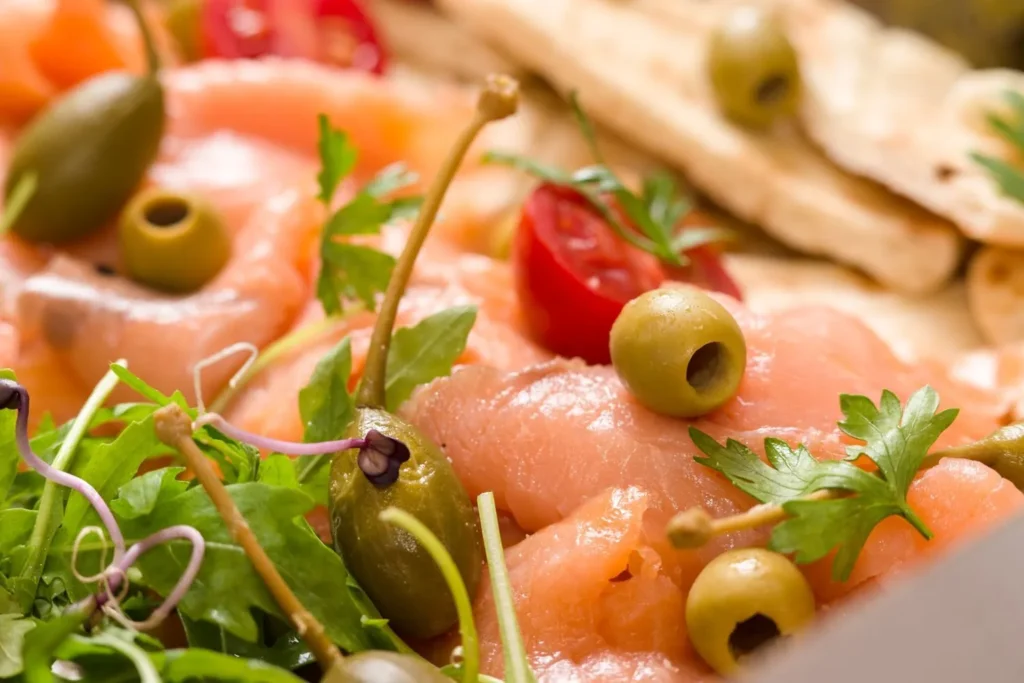
An anti inflammatory diet is not a product, a detox or a short crash plan. It is a way of eating built on whole foods: dals, vegetables, fruit, nuts, seeds, whole grains and, if you eat it, fish, with less ultra-processed food, added sugar and reused frying oil. Most Indian kitchens already stock half of what you need. Below you get an anti inflammatory food list for India, a 7-day meal plan, cooking tips and an honest look at what food can and cannot do.
What is an anti inflammatory diet, and does it really work?
An anti inflammatory diet is an eating pattern, not a fixed protocol. It centres on vegetables, fruit, dals, nuts, whole grains and fish, and cuts back on sugar, refined flour and fried packaged food. Over months it can improve markers such as CRP and support weight, heart and joint health, but it does not cure disease or replace medication.
Acute inflammation, such as the swelling around a sprained ankle or the fever with a viral infection, is your immune system doing its job and then switching off. Chronic inflammation is a low, persistent immune activation that often causes no symptoms and is linked with heart disease, type 2 diabetes, fatty liver and joint problems. Weight, sleep, stress, smoking, activity and food all feed into it.
Be realistic: no single food lowers inflammation overnight, and nobody can promise a result. What the pattern reliably gives you is more fibre, healthy fats and plant compounds, and less of what pushes the other way. It overlaps heavily with a heart-healthy diet plan.
Which anti inflammatory foods can you build an Indian plate around?
Build the plate around dals and legumes, leafy greens, other vegetables, whole grains such as jowar, bajra, ragi and oats, nuts and seeds, curd, fruit and fatty fish if you eat it. A simple guide is half the plate vegetables, a quarter dal or other protein, a quarter whole grains, plus a thumb of healthy fat.
| Food group | Indian examples | Rough amount | Easy way to eat it |
|---|---|---|---|
| Leafy greens | Palak, methi, sarson, chaulai, drumstick leaves | 1 katori cooked (about 100 g), most days | Dal-palak, methi thepla, light saag |
| Other vegetables | Lauki, tori, cabbage, cauliflower, broccoli, carrot, beetroot | Roughly 300 g a day | Sabzi, kachumber, vegetable soup |
| Dals and legumes | Moong, masoor, chana, rajma, lobiya, toor | 1 to 2 katori cooked a day | Dal, sprouts chaat, chole with little oil |
| Whole grains and millets | Jowar, bajra, ragi, oats, brown rice, whole wheat atta | 1 to 2 rotis or about 3/4 katori cooked grain per meal | Mixed-flour rotis, ragi dosa, oats upma |
| Nuts and seeds | Akhrot (walnut), almonds, alsi (flaxseed), chia, pumpkin seeds | 20 to 30 g a day, a small handful | Ground flaxseed in curd, walnuts with fruit |
| Fatty fish | Sardine (mathi), mackerel (bangda) | 2 servings a week, about 100 to 150 g cooked | Curry or tawa fry in little oil |
| Fruit | Amla, guava, jamun, papaya, orange, apple, berries in season | 1 to 2 servings a day | Whole fruit, not juice |
| Curd and fermented foods | Dahi, chaas, idli and dosa batter, kanji | 1 katori curd or 1 to 2 glasses chaas | Unsweetened, with jeera |
| Spices | Haldi, adrak, lahsun, jeera, dalchini | In everyday cooking | Tadka, chai masala, soups |
| Cooking oils | Groundnut, mustard, rice bran, olive; a little ghee | Roughly 4 to 6 teaspoons a day in total | Rotate oils, measure with a spoon |
You do not need salmon, kale or quinoa. Sardines and mackerel give you long-chain omega-3 fats at a lower cost, and walnuts, flaxseed and chia give vegetarians plant omega-3 (ALA), which the body converts to active forms only in small amounts. See our guide to omega-3 nutrition and, for a plant-forward setup, plant-based nutrition.
Which foods cause inflammation, and what should you cut back on?
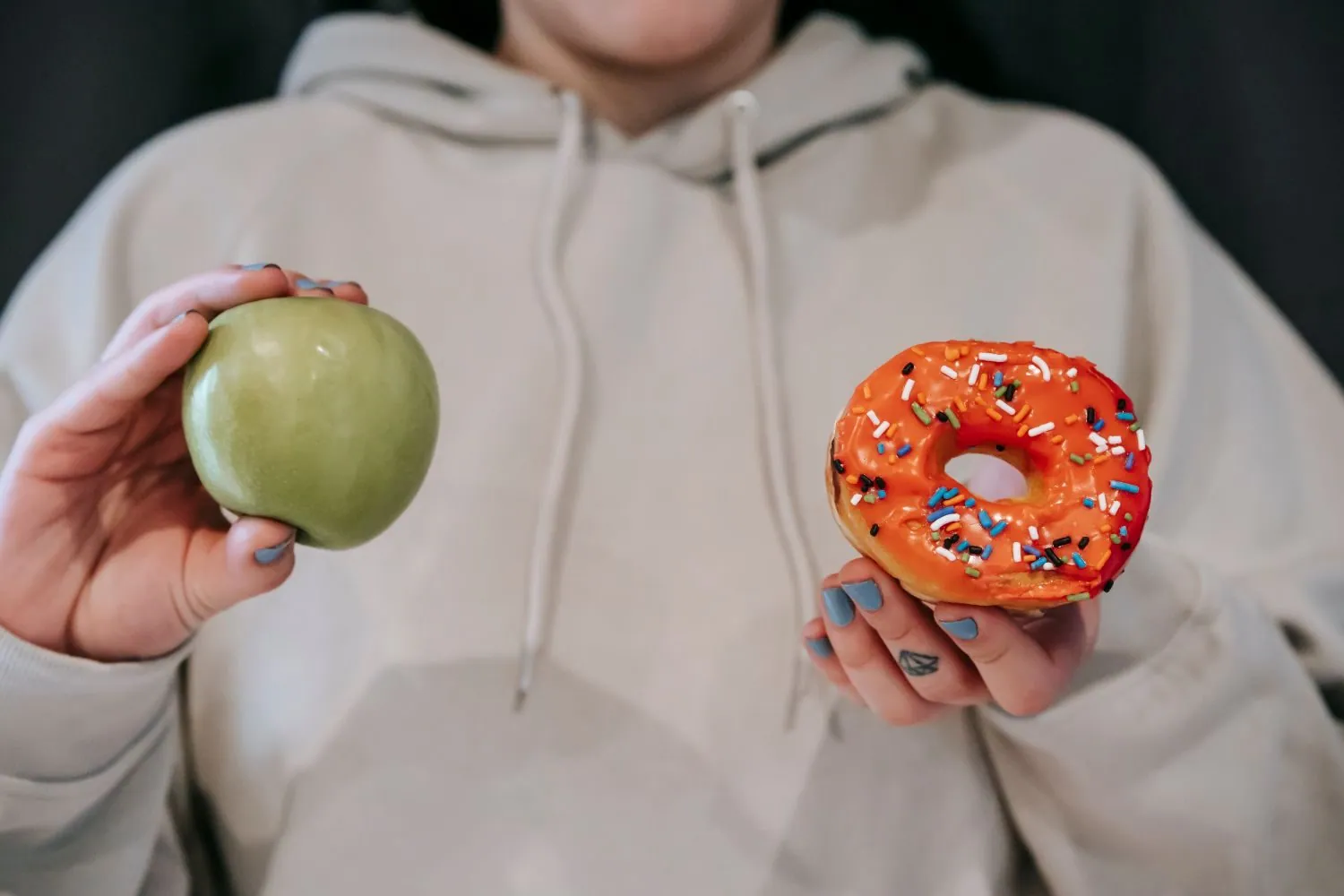
The foods most linked with higher inflammation are ultra-processed snacks, sugary drinks, refined flour (maida), processed meats, hydrogenated fats found in some vanaspati and bakery margarine, and oil reused many times for frying. You do not need zero. Keep added sugar under roughly 25 g (5 to 6 teaspoons) a day and treat fried snacks as occasional.
Swaps that work in a normal Indian day:
- Namkeen, bhujia and chips become roasted chana, makhana or a small handful of nuts.
- Biscuits with chai become a fruit, or plain chai with less sugar each week until you cut it by half.
- Cold drinks and packaged juice become nimbu pani without sugar, chaas or plain water.
- Maida naan, white bread and bakery buns become whole wheat or mixed-flour roti.
- Daily mithai becomes a festival-day portion, not a habit. Sugar also affects cholesterol, so the swap helps twice.
- Samosa, kachori and pakoda become a weekly treat, baked or air-fried when you cook them at home.
Heavy, regular alcohol use also drives inflammation, so keep it occasional.
Anti inflammatory diet myths worth dropping
Myth: haldi or amla juice fixes inflammation. The overall pattern, repeated for months, is what counts.
Myth: all seed oils are poison. Omega-6 fats are essential. The real problem is a diet loaded with processed food cooked in repeatedly heated oil, with almost no fish, nuts or seeds to balance it.
Myth: tomato, brinjal and potato must be avoided. There is no good evidence that most people need to cut these out. Drop them only if you personally notice a problem and your doctor agrees.
Myth: dairy is inflammatory for everyone. Plain curd and chaas suit most people. Avoid them only with a diagnosed allergy or intolerance.
Myth: gluten-free means anti-inflammatory. Unless you have coeliac disease or a diagnosed sensitivity, whole wheat is fine, and gluten-free packaged snacks are still ultra-processed.
What does a 7 day anti inflammatory meal plan look like in India?
A 7 day anti inflammatory meal plan is a repeatable template: a protein-rich dal or egg breakfast, a lunch of dal, sabzi, whole grain and curd, a fibre-rich snack, and a light dinner with fish or legumes. Portions of about 1 to 2 rotis and 1 katori dal per meal suit most adults. Adjust to hunger and activity.
| Day | Breakfast | Lunch | Snack | Dinner |
|---|---|---|---|---|
| Mon | Moong dal chilla with mint chutney, 1 guava | 2 mixed-flour rotis, palak dal, kachumber, curd | Roasted chana (30 g) | Vegetable khichdi with 1 tsp ghee, lauki raita |
| Tue | Vegetable oats upma with peanuts | Brown rice, rajma, cabbage sabzi, salad | 4 walnut halves, 1 apple | Bangda or sardine curry with 2 bajra rotis, beans stir-fry (veg: paneer bhurji) |
| Wed | 2 ragi dosas with sambar | Chana-vegetable pulao, cucumber raita | Chaas, a handful of makhana | Methi dal, 2 jowar rotis, bhindi sabzi |
| Thu | Vegetable poha with peanuts, lemon | Masoor dal, 2 rotis, tori sabzi, salad | Papaya bowl | Tofu or paneer tikka with sauteed vegetables |
| Fri | 3 idlis with sambar, coconut chutney | Lobiya curry, brown rice, beetroot salad | Sprouts chaat | Grilled or tawa fish with spinach sabzi and 1 roti (veg: moong soup with roti) |
| Sat | Curd with 1 tbsp ground flaxseed, chia and jamun or berries | Chole with little oil, 2 rotis, onion-tomato salad | Almonds (8 to 10) and an orange | Mixed-vegetable dal, 1 jowar roti, curd |
| Sun | Methi paratha with little oil, curd | Toor dal, brown rice, lauki sabzi, kachumber | Roasted makhana | Egg bhurji with vegetables and 1 roti (veg: besan cheela) |
Drink water through the day, with unsweetened chai or green tea. If your appetite is smaller, cut the rotis rather than the vegetables or dal. To add exercise, pair this with our workout and diet plan, and avoid crash dieting.
How do you cook haldi, oils and spices so they actually help?
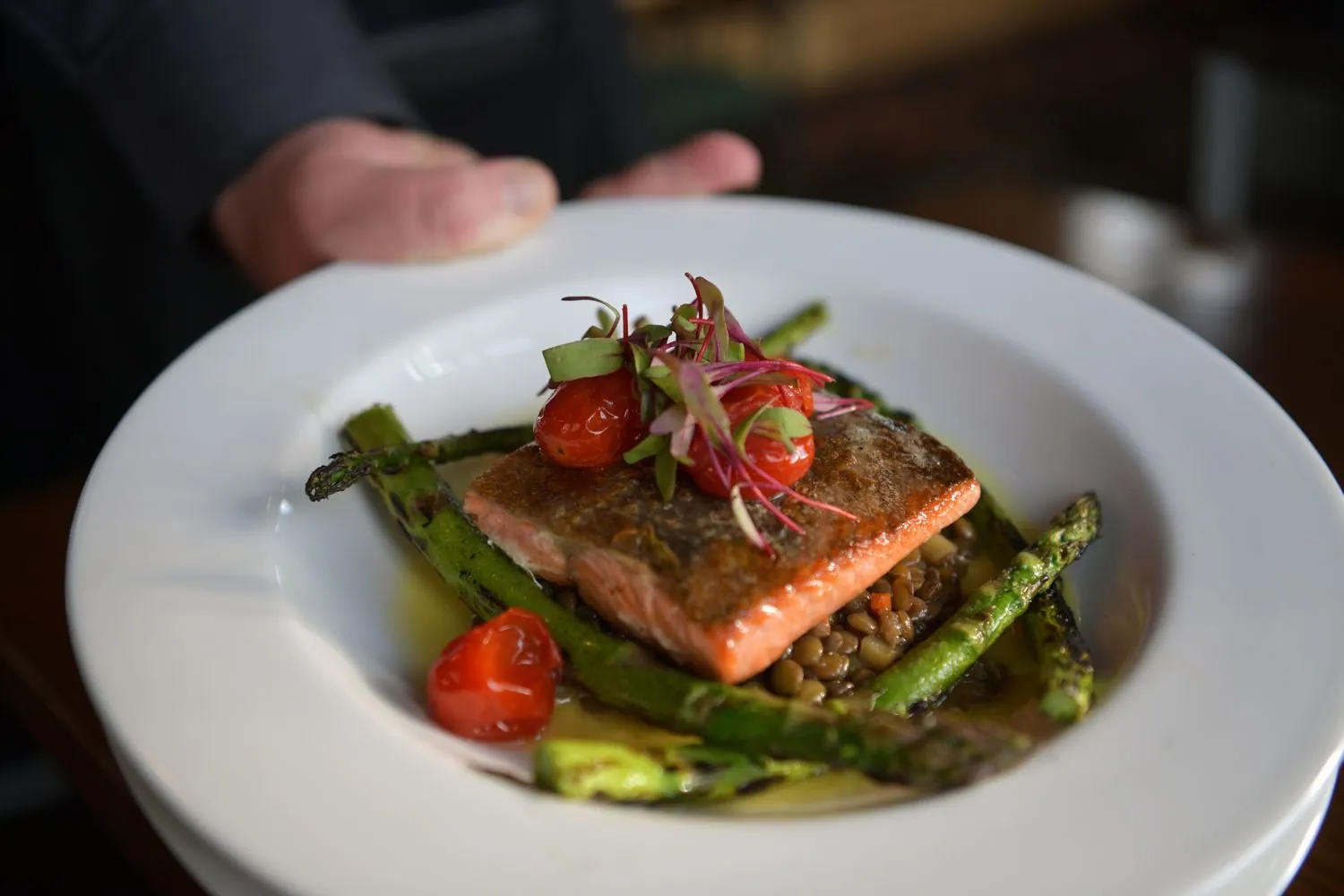
Cook haldi in a little fat and add a pinch of black pepper, because curcumin is poorly absorbed on its own. Use about half to one teaspoon of turmeric for a pot of dal serving four, keep tadka oil to 1 to 2 teaspoons, and avoid reusing frying oil, which breaks down when overheated.
- Heat 1 to 2 teaspoons of oil or ghee on medium heat, not until it smokes.
- Add jeera, then adrak and lahsun, and cook for a few seconds.
- Stir in haldi and a pinch of black pepper for a few seconds, then add vegetables or dal quickly so the spices do not burn.
- Cook leafy greens lightly; overboiling loses vitamins.
- For frying at home, shallow-fry, bake or air-fry, and discard oil that has darkened or smells sharp.
Haldi doodh is a fine warm drink, but a cup of it is not a treatment. Turmeric or curcumin supplements are a different matter: speak to your doctor first, especially if you take blood thinners or have gallstones.
Not noticing a difference? Common problems and fixes
| Problem | Likely reason | What to try |
|---|---|---|
| Bloating after adding more dal and raw vegetables | Fibre went up too fast | Add it over 2 to 3 weeks, pressure-cook or soak dals, add jeera and hing, drink more water |
| No change after 2 to 3 weeks | It is too early; sleep, stress and activity also matter | Give it 8 to 12 weeks and track energy, sleep and waist size |
| Eating “healthy” packaged food | Multigrain biscuits, ragi cookies and fruit juices are still ultra-processed | Check that sugar, maida or palm oil are not among the first three ingredients |
| Cannot eat fish | Vegetarian, or fish is hard to find | Use walnuts, flaxseed and chia daily and ask your doctor about an omega-3 supplement |
| Eating out most days | Fried starters and refined breads dominate | Choose dal, sabzi, roti and curd, or grilled options, and skip the fried starter |
If bloating or loose stools persist, read our piece on nutrition and gut health and see a doctor.
How to adapt it if you are vegetarian, Jain or eat out often
Vegetarian: your omega-3 comes from walnuts, flaxseed and chia, and your protein from dals, curd, paneer, soy and sprouts. Vitamin B12 deficiency is common in vegetarians, so ask your doctor about a blood test rather than guessing.
Jain: without root vegetables, lean on dals, gourds, leafy greens, millets and nuts.
Office workers and frequent diners: carry a fruit and roasted chana or nuts so the 4 pm snack is not a biscuit, and in canteens choose dal, sabzi, roti and curd.
Aching joints: this pattern is a sound base, but it will not reverse joint damage. Our guide to joint nutrition covers food choices for that specific concern.
When should you see a doctor or dietitian?
See your doctor or a registered dietitian if you have joint swelling or morning stiffness lasting more than about 30 minutes, unexplained weight loss, recurring fever, blood in stools, or persistent abdominal pain or diarrhoea. These need a diagnosis, not a diet. Also get personal advice before changing your diet if you:
- have diabetes, kidney disease, liver disease or an autoimmune condition;
- take blood thinners, since a sudden jump in leafy greens can affect them;
- are pregnant or breastfeeding;
- have food allergies or a history of disordered eating.
Never stop or change medication because of a diet. A test such as hs-CRP can show whether inflammation is raised, but one result is not a diagnosis, so discuss it with your doctor.
Frequently Asked Questions
How long does an anti inflammatory diet take to work?
Some markers such as CRP can move within weeks, but steady changes in energy, digestion or joint comfort usually take 8 to 12 weeks or longer. Chronic inflammation builds over years, so expect gradual improvement, and combine the diet with better sleep, regular movement and stress management.
Can I follow an anti inflammatory diet if I am vegetarian?
Yes. Use dals, sprouts, curd, paneer and soy for protein, and walnuts, flaxseed and chia for omega-3. Because vegetarians are prone to low vitamin B12, ask your doctor to test it. This anti inflammatory diet plan includes vegetarian swaps for every fish meal.
Is haldi doodh enough to reduce inflammation?
No. Haldi doodh is a pleasant habit and the pepper and fat help absorption, but the amount of curcumin in one cup is small. The overall eating pattern, along with sleep, exercise and a healthy weight, matters far more than any single drink.
Is ghee good or bad on an anti inflammatory diet?
Small amounts, about 1 to 2 teaspoons a day within your total fat intake, fit most people. Ghee is still saturated fat, so keep it modest, and if you have high cholesterol or heart disease, follow your doctor’s advice on the amount.
Is this diet safe if I take medicines or have a health condition?
The basic pattern of whole foods, vegetables and less ultra-processed food is safe for most adults. But conditions such as diabetes, kidney disease or autoimmune disease, and medicines such as blood thinners, need personalised guidance. Check with your doctor or a registered dietitian first, and never alter medication on your own.
Want this plan matched to your reports, food habits and budget? Book an online nutritionist consultation with Fitstrot and leave with a week-by-week plan you can follow on a normal workday.


