
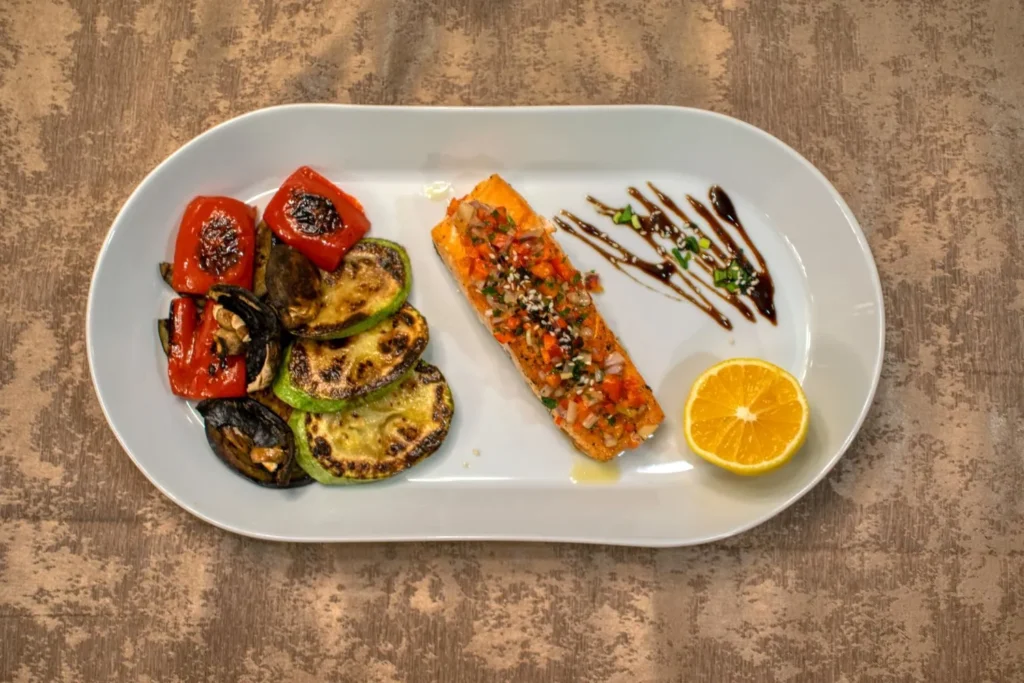
If your knees complain on the stairs or your fingers feel stiff at 7 a.m., joint nutrition is worth understanding, but it is not a cure. It is a set of food habits that keeps the muscles around your joints strong, helps you reach a weight your knees can carry, and avoids feeding everyday inflammation with ultra-processed food. Below: Indian foods to build around, a full day of meals, supplement facts, and when to see a doctor.
Read this first: joint pain has many causes, including osteoarthritis, rheumatoid arthritis, gout, injury and vitamin deficiencies. Food can support treatment but never replaces your medicines or your doctor’s plan. Do not stop or reduce a prescribed medicine because you changed your diet.
What is joint nutrition, and can food really help sore joints?
Joint nutrition means eating to protect your joints: enough protein to keep supporting muscle strong, omega-3 fats and colourful plant foods to calm everyday inflammation, calcium and vitamin D for bone, and a body weight your knees can carry. Food can ease symptoms for some people over weeks to months, but it cannot cure or reverse arthritis.
Think of four levers, roughly in order of importance for knee or hip discomfort:
- Body weight: the biggest mechanical lever for knees and hips.
- Protein and movement: strong thigh and hip muscles share the load that would otherwise land on cartilage.
- An anti-inflammatory diet: vegetables, fruit, dals, whole grains, nuts, seeds and fish, with less sugar, refined flour and fried food.
- Bone nutrients: calcium, vitamin D and magnesium.
Notice what is missing: a miracle food. A “joint repair” powder or secret kadha is hope, not a proven treatment.
Foods for joint pain on an Indian thali: portions and numbers
The best food for joint health is not exotic. It is dals, curd, ragi, leafy greens, nuts, seeds, fish and seasonal fruit. All figures below are approximate and vary by variety and cooking method.
| Food | Typical portion | What it offers (about) | Why it matters for joints |
|---|---|---|---|
| Sardine (mathi) or mackerel (bangda), curry or grilled | 100 g cooked, 1-2 times a week | Roughly 1-2 g omega-3 (EPA and DHA), 20 g protein | Omega-3 is linked with lower inflammation, mainly in inflammatory arthritis |
| Walnuts (akhrot) | 20-30 g, a small handful | About 2-2.5 g plant omega-3 (ALA) per 30 g | Vegetarian source of omega-3 plus healthy fats |
| Flaxseed (alsi), freshly ground | 1 tablespoon (about 7-10 g) | About 1.5-2 g ALA | Easy to stir into curd, atta or smoothies |
| Moong or masoor dal, cooked | 1 katori (150 g) | About 7-9 g protein, plus fibre | Protein for muscle; fibre for weight control |
| Curd (dahi) | 1 katori (100-150 g) | About 3-5 g protein, 100-150 mg calcium | Calcium and protein in one food |
| Ragi (finger millet), as roti or porridge | 50 g flour | About 170 mg calcium | One of the richest everyday plant calcium sources |
| Paneer or tofu | 100 g | About 18 g (paneer) or 8-12 g (tofu) protein | Protein for vegetarians |
| Methi, palak or sarson greens, cooked | 1 katori (100 g) | Fibre, folate, magnesium, vitamin K | Bone nutrients, low calories |
| Amla, guava or orange | 1 medium fruit | Orange has about 50 mg vitamin C per 100 g; amla and guava give several times more | Vitamin C supports natural collagen formation |
Grilling, steaming and a light tadka keep calories in check; about 3-4 teaspoons of cooking oil per person per day is a sensible ceiling. For more on fish and seed sources, see our omega-3 nutrition guide.
A joint-friendly day of Indian meals (about 70 g protein)
Here is one realistic day for an adult of around 65-75 kg, landing near 70 g of protein, or about 1 g per kg. Your needs depend on size, activity, age, medicines and any kidney or liver condition, so treat this as a pattern, not a prescription.
| Meal | What to eat | Protein (about) | Joint-friendly logic |
|---|---|---|---|
| Breakfast, 8 a.m. | 2 moong dal chillas (about 40 g dry dal) with mint curd (100 g) | 14 g | Protein first thing, no refined flour |
| Mid-morning, 11 a.m. | 1 guava or amla plus 20 g walnuts | 3 g | Vitamin C and plant omega-3 |
| Lunch, 1:30 p.m. | 2 multigrain rotis, 1 katori dal, 1 katori methi or palak sabzi, cucumber salad, 100 g curd | 19 g | Fibre, calcium and a leafy green |
| Evening, 5 p.m. | 30 g roasted chana and tea with little or no sugar | 6 g | Replaces biscuits and namkeen |
| Dinner, 8 p.m. | 100-120 g fish curry (or 100 g paneer or 150 g tofu), 1 roti, lauki or beans sabzi | 28-30 g | Omega-3 or vegetarian protein, lighter carbs at night |
If you are vegetarian or Jain, swap the fish for paneer, tofu, sprouts or extra dal, and use flax and walnuts for omega-3. Fish once or twice a week is plenty.
Which foods to avoid for joint pain, and which are myths?
For most people, there is no good evidence that tomatoes, brinjal, curd, sour fruit or rice cause joint pain. The foods that do deserve less space are sugary drinks, ultra-processed snacks, refined-flour items and deep-fried food, because they push weight up and displace nourishing food. Alcohol and organ meats matter specifically if you have gout.
Here is how the common claims hold up:
- “Tomato and brinjal inflame joints.” Not supported for most people. If you suspect a personal trigger, keep a food diary and ask a dietitian before cutting a food group.
- “Cut all carbs and oil.” Counterproductive. Very low-calorie diets cost you muscle, and muscle supports the joint.
- “Sugary chai, cold drinks and packaged snacks are harmless.” These are the swaps worth making. Replacing two or three sugary drinks a day with water or buttermilk is an easy win.
- “Haldi doodh will repair my joints.” A comforting habit, not a treatment. The turmeric in a cup of milk is small and poorly absorbed.
If one joint, often the big toe, suddenly turns red, hot and very painful, think gout, not wear and tear, and see a doctor promptly. Diet advice for gout is different.
Do supplements for joint pain work? A plain comparison
Evidence for joint supplements is mixed. Some people feel better on them, many notice little, and none replaces a balanced diet or medical care. Brands and interactions matter, so decide with your doctor. This page gives no doses on purpose.
| Option | Where the evidence stands | Check with your doctor first if… |
|---|---|---|
| Fish oil or omega-3 capsules | Some benefit reported in inflammatory arthritis; weaker for osteoarthritis. Fish and seeds are the first step. | You take blood thinners, have a bleeding problem, or are scheduled for surgery |
| Glucosamine and chondroitin | Results are inconsistent. Some people report mild relief, many see no difference. | You have diabetes, a shellfish allergy, or take blood thinners |
| Turmeric or curcumin products | Promising for knee pain in some trials, but absorption is poor and product quality varies widely. | You take blood thinners, have gallstones, liver disease or are pregnant |
| Collagen peptides | Early, limited evidence, often from small or company-funded trials. | You have allergies or kidney disease |
| Vitamin D and calcium | Useful when you are low or at risk of bone loss. Vitamin D deficiency is common in India. | Always. Get a blood test first, because more is not better |
Our vitamin nutrition guide explains which vitamins food usually covers and which are worth testing.
Does losing weight really ease knee pain?
Yes, for many people carrying extra weight. A commonly cited estimate is that each 1 kg lost takes roughly 4 kg of load off the knee with every step. Losing about 5-10% of body weight often eases pain and makes movement easier. Aim for 0.25-0.5 kg a week and protect muscle with enough protein.

At 80 kg, a 5-10% loss is 4-8 kg, which by this rough maths takes 16-32 kg off each knee on every step. It is a general guide, not a promise, because pain depends on much more than weight.
How you lose it matters. Crash diets strip muscle along with fat, leaving joints less supported. A moderate deficit, protein at every meal and regular walking is slower but safer. Our guides on nutrition and fat loss and nutrition for weight loss explain how to set a calorie target, and BMI and nutrition shows why BMI is a screening number, not a diagnosis.
Strength work for thighs, hips and core often helps sore knees, but the right exercises depend on your diagnosis. A coach can adapt movements through 1-on-1 personal training, or you can work on weight with an online weight loss trainer. Share your doctor’s advice first.
Not seeing a difference? Troubleshooting your joint-friendly diet
Give a consistent change four to twelve weeks before judging it, and track pain, stiffness and daily function, not only the scale. If nothing improves, check these:
- Protein is too low. Many Indian diets are rice and roti heavy with a thin dal. Add protein to every meal.
- Omega-3 is missing. No fish, walnuts or flax means the “anti-inflammatory” part is mostly absent.
- Hidden sugar. Sweet chai, packaged juice and mithai add up.
- Vitamin D was never tested. Bone and muscle aches can come from low vitamin D, and one blood test settles it.
- Too little movement. Long sitting stiffens joints. Gentle online yoga classes can help mobility if your doctor agrees and your teacher knows about your joint problem.
- The cause is not diet. Persistent or worsening pain needs a diagnosis, not another food experiment.
Joint nutrition after 50, and for vegetarians
After 50, muscle mass declines with age, so protein and strength work matter more. Many adults do well with roughly 1 g of protein per kg of body weight, spread across meals, unless a doctor advises otherwise, for example in kidney disease. After menopause, bone loss speeds up, so calcium, vitamin D and weight-bearing activity deserve attention. Our geriatric nutrition guide covers age-specific needs in more depth.
Vegetarians can build a joint-friendly plate easily, with two watch points: Plant omega-3 (ALA) from flax and walnuts is a weaker substitute for fish omega-3, and vitamin B12 and vitamin D are commonly low in Indian vegetarians, so both are worth testing. For plant-only eating, see vegan nutrition.
When should you see a doctor or dietitian about joint pain?
See a doctor if joint pain lasts more than two to three weeks, wakes you at night, or follows an injury. Seek care sooner for a hot, red or swollen joint, fever with joint pain, or morning stiffness beyond 30-60 minutes. A registered dietitian can then tailor food around your diagnosis.
Book a medical visit promptly if you notice any of the following:
- A joint that is suddenly swollen, hot, red or very painful
- Pain in several joints, such as both hands, with long morning stiffness
- Joint pain with fever, a rash, unexplained weight loss or extreme tiredness
- Numbness, weakness, or a joint that locks or gives way
Also talk to your doctor or a registered dietitian before changing your diet if you have diabetes, kidney or liver disease, or are pregnant or breastfeeding, and before any supplement if you take blood thinners, steroids, diabetes medicines or other regular tablets. Food sits alongside treatment, never replaces it.
Frequently Asked Questions
Can diet cure arthritis or joint pain?
No. Diet can reduce everyday inflammation and, through weight management, lower the load on your knees and hips, but it does not cure or reverse arthritis. Treat food as one part of a plan that includes medical care and movement.
How long does a joint-friendly diet take to work?
Give it about four to twelve weeks of consistent eating before judging. Some people see no change in pain at all, and weight-related relief builds gradually. Track pain, stiffness and daily activity, not just the scale.
Is haldi doodh good for joints?
Haldi doodh is a comforting drink for most people and adds some calcium and protein. But the turmeric in one cup is small and poorly absorbed, so do not expect it to treat joint pain. If you take blood thinners, ask your doctor before using turmeric regularly.
Can I take joint supplements along with my medicines?
Not without asking first. Fish oil, turmeric and glucosamine can interact with blood thinners and matter if you have diabetes, allergies, liver disease or are pregnant. Show your doctor the product label first, and never stop a prescribed medicine to try a supplement.
What is the best food for joint health to start with?
Start with a protein source and a vegetable at every meal, then add fish, walnuts or flax for omega-3. Swap sugary drinks for water or unsweetened tea. These changes support muscle, weight and inflammation together.
Want this turned into a plan that fits your joints, your medicines and your kitchen? Book an online nutritionist consultation with Fitstrot and bring your doctor’s advice so your meals can be built around it.


