
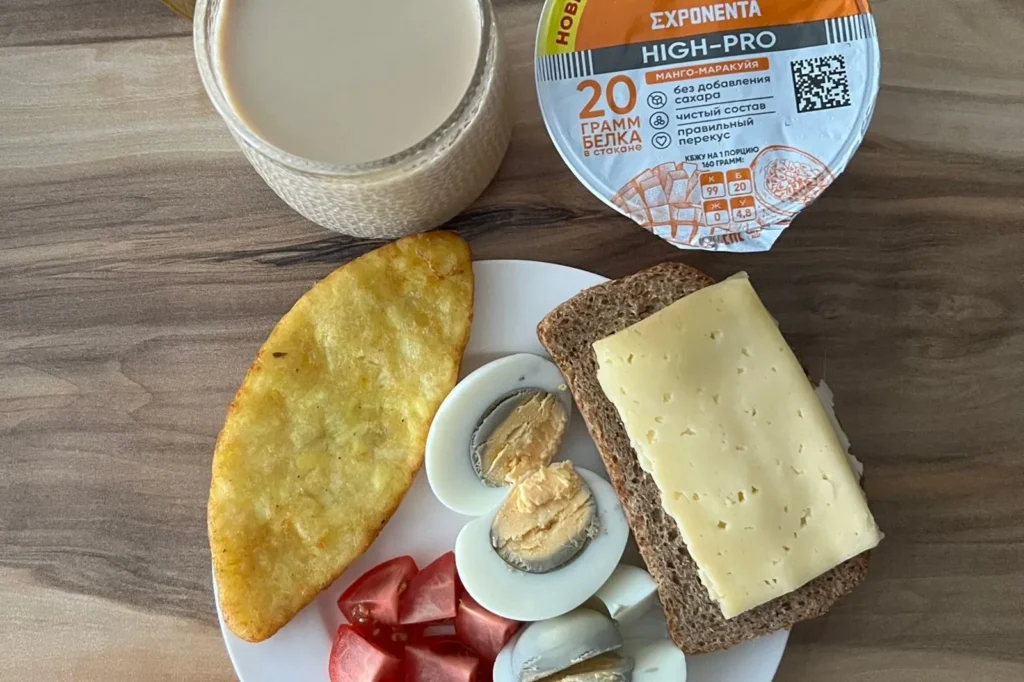
Geriatric nutrition is the practice of feeding an older adult for the body they have now, not the one they had at 35. After 60, muscle shrinks faster, bones thin, thirst fades and appetite drops, yet the need for protein, calcium and fluids stays high or rises. This guide gives ranges, Indian food swaps and a sample day, so you can plan meals for yourself or for a parent without guesswork.
What is geriatric nutrition, and when does it start to matter?
Geriatric nutrition is food planning for adults roughly 60 and older, built around muscle loss, weaker bones, smaller appetite and higher fluid risk. It matters most when meals shrink or weight drops without trying. The aim is not a diet but enough protein, calcium and water in small, easy portions.
Muscle loss starts quietly from the 40s and speeds up later, which is why a “light diet” that suited a 45-year-old can leave a 70-year-old weak. Everything below is general guidance. Anyone with kidney, heart, liver or diabetes concerns should adjust it with their own doctor.
How much protein does an older adult need?
Most healthy older adults do well on about 1.0 to 1.2 grams of protein per kilogram of body weight daily. For a 60 kg person that is roughly 60 to 72 grams a day, ideally split as 20 to 30 grams at each main meal rather than one big dinner.
The lower figure of 0.8 g/kg you may see quoted is a minimum to avoid deficiency, not a target for keeping muscle. Older muscle responds less to a small dose of protein, so a single roti with a spoon of dal does not do much. A katori of dal, a bowl of curd and an egg or paneer at the same meal does.
If you eat vegetarian, build each meal from two sources, such as dal with curd, or chilla with milk. Our guide to protein and nutrition covers the basics in more depth.
One caution: if there is any known kidney problem, do not raise protein on your own. The right number then comes from the treating doctor or a registered dietitian.
Myth check: do older people really need to eat less?
Energy needs do fall a little with age because people move less and have less muscle. Protein, calcium, vitamin D, B12 and fluid needs do not fall. So the right move is smaller portions that are denser in nutrients, not a plate of plain khichdi and tea.
Three common beliefs deserve correcting:
- “Dal and paneer are too heavy at this age.” Soft, well-cooked dal, bhurji and curd are easy to digest for most people and are the cheapest protein in an Indian kitchen.
- “A glass of milk at night is enough calcium.” One glass gives roughly 250 to 300 mg, about a quarter of the day’s target.
- “Being thin means being healthy.” In older age, low weight with low muscle raises fall and infection risk. Weight loss without trying is a reason to get checked.
Which everyday Indian foods give the most protein and calcium?
Milk, curd, paneer, dal, eggs, soya chunks, ragi and sesame cover most of what an older Indian adult needs. A glass of milk gives about 7 g protein and 250 to 300 mg calcium, while 100 g of paneer gives about 18 g protein. All figures below are rounded estimates.
| Food | Typical portion | Protein (about) | Calcium (about) |
|---|---|---|---|
| Milk | 1 glass (200 ml) | 7 g | 250 mg |
| Curd | 1 katori (100 g) | 3 to 4 g | 100 to 120 mg |
| Paneer | 50 g | 9 g | about 100 mg |
| Cooked dal (moong, toor) | 1 katori (150 ml) | 6 to 8 g | 30 to 50 mg |
| Egg | 1 whole | 6 g | 25 mg |
| Soya chunks (dry weight) | 25 g | 12 to 13 g | 60 to 80 mg |
| Roasted chana | 30 g | 6 g | 50 mg |
| Ragi flour | 30 g (1 roti or porridge) | 2 g | 100 mg |
| Sesame (til) seeds | 1 tablespoon | 2 g | 80 to 90 mg |
| Fish (rohu, bangda) | 100 g cooked | 20 g | varies |
Ragi porridge at breakfast, curd at lunch and a glass of milk in the evening can reach 500 mg before you count anything else. Our calcium nutrition guide lists more calcium-rich foods.
Calcium, vitamin D and B12: what changes after 60?
Common guidance for older adults is about 1,000 to 1,200 mg of calcium a day from food and supplements together. Vitamin D is the gatekeeper, since older skin makes less of it and many people stay indoors. B12 absorption also falls, and vegetarians are at higher risk.
Low vitamin D is common in India despite the sunshine, because older skin makes less of it and many seniors spend the day indoors. Low B12 can show up as tingling feet, tiredness, memory slips or mouth sores, though these signs have many other causes too.
This is where guessing does harm. A simple blood test for vitamin D and B12 tells you whether a gap exists. Supplement dose and duration are for the doctor to decide, so do not start high-dose capsules because a neighbour did. More on the vitamin side is in our vitamin nutrition post.

Why does appetite drop with age, and what actually helps?
Appetite falls with age because taste and smell dull, digestion slows so fullness lasts longer, teeth or dentures make chewing hard, medicines can suppress hunger, and eating alone lowers interest in food. The fix is usually several small changes, not one: softer textures, stronger flavours, smaller and more frequent meals.
Use the table to match the problem to a practical response.
| What you notice | Likely reason | What to try | Tell the doctor if |
|---|---|---|---|
| Food tastes bland | Weaker taste and smell | Add jeera, ajwain, lemon, coriander, ginger; avoid extra salt | Taste changes suddenly |
| Feels full after a few bites | Slower stomach emptying | 5 to 6 small meals; drink water after, not before, eating | Fullness comes with pain or vomiting |
| Avoids rotis and sabzi | Dental pain or loose dentures | Soft dal, khichdi, bhurji, mashed sabzi; see a dentist | Chewing or swallowing is painful |
| Skips meals when alone | Low mood, loneliness | Eat with family, fixed meal times, a call at lunch | Low mood lasts more than 2 weeks |
| Loses weight unplanned | Many possible causes | Add ghee, nuts and milk powder to familiar food | About 5% of body weight lost in 6 months |
For a 60 kg parent, 5% is about 3 kg. Do not wait for that figure if the weight loss comes with weakness, fever or a change in bowel habits. Our post on nutrition for elderly lists more warning signs worth tracking.
How much water should an older adult drink?
Most older adults need roughly 1.5 to 2 litres of fluid a day from water, buttermilk, soups, dal and fruit combined. Thirst fades with age, so waiting until you feel thirsty is too late. Sip on a schedule, around 6 to 8 small glasses, unless a doctor has limited your fluids.
That last point matters. People with heart failure, advanced kidney disease or certain medicines may have a fluid limit set by their doctor, and that limit overrides any general number here.
Easy ways to raise intake without forcing glasses of plain water:
- Keep a marked bottle in view and finish a fixed amount by each meal.
- Offer chaas, nimbu paani, coconut water, thin dal soup and watery fruit such as watermelon and cucumber.
- If night-time toilet trips worry them, plan the last big drink about 2 hours before bed instead of cutting fluids.
Dark yellow urine, a dry mouth, dizziness or sudden confusion can signal dehydration. New confusion should never be written off as age.
What does a full day of eating look like? A sample Indian menu
A workable day for a 60 kg adult uses five small eating times and lands near 65 to 75 grams of protein. Adjust portions for body weight and appetite, and treat the numbers as rough guides rather than targets to hit exactly.
| Time | What to eat | Protein (about) |
|---|---|---|
| 8:00 am, breakfast | 2 moong dal chillas with 30 g grated paneer, 1 glass milk | 20 to 22 g |
| 11:00 am, mid-morning | 1 glass chaas, 1 banana or a handful of soaked almonds | 3 to 5 g |
| 1:00 pm, lunch | 2 rotis (one can be ragi), 1 katori dal, mixed sabzi, 1 katori curd, salad | 17 to 20 g |
| 4:30 pm, snack | 30 g roasted chana or a sattu drink, tea in moderation | 6 g |
| 7:30 pm, dinner | 1.5 katori vegetable khichdi, 50 g paneer bhurji or 1 egg, 1 katori curd | 18 to 20 g |
Total: roughly 65 to 75 grams. Non-vegetarians can swap paneer for fish or chicken twice a week. Anyone with diabetes should have the carbohydrate portions in khichdi, roti and fruit reviewed by a dietitian.
Two habits make this plan stick. First, serve the largest, most protein-rich meal when appetite is best, which is often breakfast or lunch. Second, fortify instead of adding volume: a spoon of milk powder in porridge, ghee on soft rotis, ground peanuts or til in sabzi, or paneer mashed into dal.
Cooking for a parent: what caregivers should do differently
If you cook for an ageing parent, watch what actually gets eaten for a week, not what is served. Note skipped meals, leftover protein, and how much they drink. That record is more useful to a doctor than a general “he eats less now”.
- Eat together. Company raises intake more reliably than any recipe change.
- Cook one pot for the family. Soft, mildly spiced dal and vegetables suit every age, including children. Our child nutrition guide covers the other end.
- Keep snacks visible. A covered bowl of roasted chana, dates or soaked almonds at their usual seat gets eaten far more than food in the kitchen.
- Plan the week. A repeating pattern is easier to sustain; nutrition in old age shows how to build one.
Food works best alongside movement. Strength work two or three days a week protects muscle better than diet alone, and gentle online yoga classes help balance and flexibility from a chair or the floor. For supervised, joint-friendly resistance work, 1-on-1 personal training lets a coach set the pace for an older body.
When should you see a doctor or dietitian?
See a doctor or registered dietitian before changing the diet if there is diabetes, kidney or liver disease, heart failure, high blood pressure on medicines, or a swallowing problem. Get checked promptly for unplanned weight loss, repeated falls, new confusion, ongoing appetite loss or black stools.
Do not start, stop or change any medicine or supplement because of something you read here. Food advice sits beside medical treatment, never in place of it.
Frequently asked questions
Is it normal for appetite to decrease with age?
A mild decline is common, because taste, smell and digestion slow down. A big or sudden drop is not something to wave away. It can come from low mood, dental pain, medicine side effects or an illness. If appetite loss comes with weight loss or tiredness, book a doctor visit.
How much protein should a healthy 70-year-old eat daily?
Many healthy older adults aim for about 1.0 to 1.2 g of protein per kg of body weight, so a 60 kg person would target roughly 60 to 72 g a day, spread over meals. Anyone with kidney disease should get a personal figure from their doctor.
Can older adults get enough vitamin D from sunlight alone?
Often not. Older skin makes less vitamin D, and many seniors stay indoors, so low levels are common even in India. A blood test shows where you stand, and the doctor decides whether food changes or a supplement is needed.
What are early warning signs of dehydration in an older adult?
Watch for dark urine, dry mouth or lips, dizziness, unusual tiredness and sudden confusion, since thirst is an unreliable signal at this age. Confusion is easy to mistake for ageing, so treat it as a reason to call the doctor.
Should every older adult take a multivitamin?
No, not automatically. Needs depend on diet, health conditions and medicines. Discuss specific gaps such as B12, vitamin D or calcium with a doctor or registered dietitian, who can base advice on blood reports rather than guesswork.
Next step
If you want a protein, calcium and fluid plan built around a parent’s tastes and health reports, book an online nutritionist consultation with Fitstrot and bring the latest blood report.


