
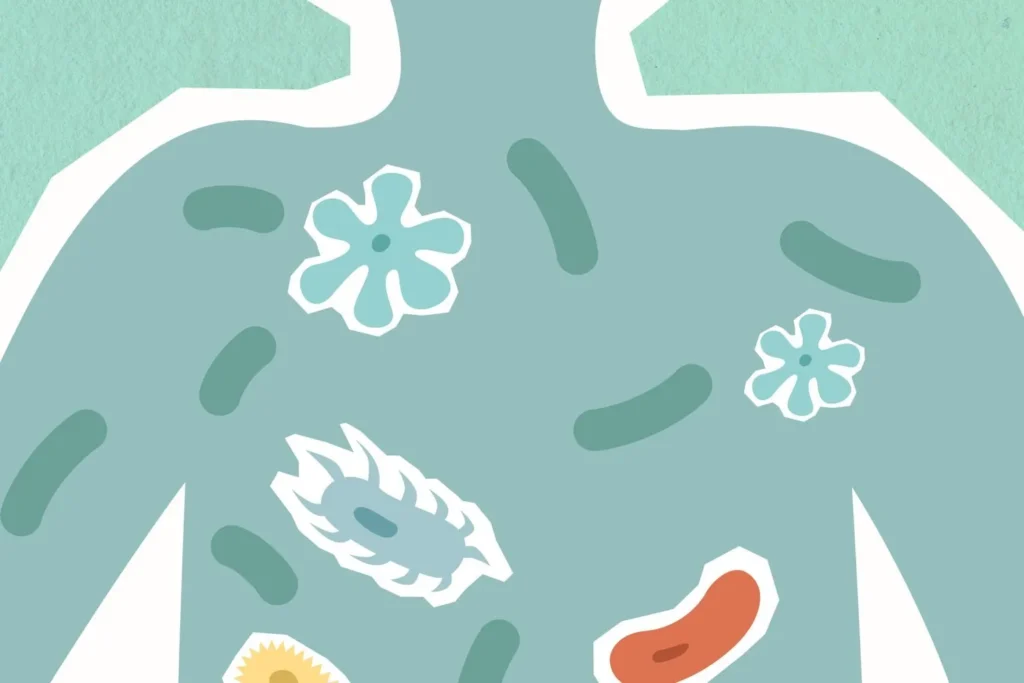
Nutrition and gut health are tied together by one simple fact: the trillions of microbes in your large intestine live on what you eat. Fibre from dals, vegetables and whole grains feeds them, fermented foods like curd add live cultures, and a diet of mostly refined, packaged food tends to leave the community less varied. This guide keeps it practical: Indian foods, portions, a 7-day plan, fixes for bloating, and clear signs that you should see a doctor.
What is the link between nutrition and gut health?
Food is the main fuel for your gut microbiome, the community of bacteria and other microbes living mostly in your large intestine. Fibre-rich plant foods feed helpful bacteria, fermented foods add live cultures, and low-fibre, heavily processed eating tends to narrow microbial variety. Over weeks and months, what you eat steadily shapes which microbes thrive.
These microbes are not passive passengers. They break down fibre your own enzymes cannot digest, and in the process produce short-chain fatty acids such as butyrate, which help nourish the cells lining your colon. They also interact with your immune system, and a large share of your body’s immune tissue sits along the gut wall. If you want the immune angle in more depth, our guide to nutritional immunity covers it.
It helps to separate two ideas that often get mixed up. Digestion is the mechanical and chemical work of breaking food down and moving it along, which we cover in nutrition and digestion. The microbiome is about which organisms live in your gut long term and what they do there. Good digestion and a varied microbiome usually go together, but they are not the same thing.
Why does variety matter more than any single “good” bacteria?
A gut community dominated by a few species has fewer backup systems when something disrupts it, such as an antibiotic course, a stomach infection or weeks of erratic eating. Variety gives the ecosystem resilience. That is why a wide mix of plant foods generally beats chasing one trendy “superfood” or one famous bacterium.
Different microbes prefer different fuels. Some thrive on the fibre in oats and ragi, others on the resistant starch in cooled rice or boiled chickpeas, others on the compounds in onion, garlic and green banana. This is also why a sensible diet and nutrition pattern, built on many different foods, does more for your gut than any single product.
Gut-friendly Indian foods: what each one does and how much to eat
You do not need imported products to build a healthy gut diet. Most of what helps is already in an Indian kitchen. Quantities below are sensible everyday starting points, not medical prescriptions, and the fibre figures are approximate.
| Food | What it offers your gut | Sensible portion |
|---|---|---|
| Fresh dahi (curd), unheated | Live lactic acid bacteria | 1 katori (100-150 g) a day |
| Chaas (thin buttermilk) | Live cultures, gentle on hot days | 1 glass (about 200 ml) |
| Kanji (fermented carrot drink) | Live cultures from lacto-fermentation | Half to 1 small glass, a few times a week; watch the salt |
| Rajma, chole, chana, whole moong | Fibre and resistant starch; about 6-8 g fibre per 100 g cooked | Half to 1 katori cooked, 4-5 days a week |
| Ragi, jowar, bajra, oats | Fibre for fermentation; more variety than wheat alone | 1-2 rotis or 1 bowl of porridge, rotated through the week |
| Cooled-and-reheated rice or potato | Resistant starch, which reaches the colon intact | Your normal portion; no special quantity needed |
| Onion, garlic, slightly raw banana | Prebiotic fibre that bacteria ferment | A few cloves or half an onion in daily cooking |
| Guava, apple, pear (with skin) | Fruit fibre; guava gives about 5 g per 100 g | 1 fruit a day, ideally whole rather than juiced |
A commonly used fibre target for adults is roughly 25-30 g a day, and many Indian diets fall short of it. For food-by-food sources and portions, see our fibre and nutrition guide.
How do curd, idli batter and kanji support gut health?
Curd, idli batter and kanji are all fermented foods, made by bacteria or yeasts that break down sugars and produce acids. Curd and kanji, eaten fresh and unheated, can carry live bacteria. Idli batter ferments overnight, but steaming kills the microbes, so cooked idli counts as an easy-to-digest food rather than a probiotic one.
- Curd (dahi): set at home with a spoonful of starter, it is the simplest daily fermented food.
- Idli and dosa batter: fermentation with rice and urad dal can make the batter lighter and easier to digest.
- Kanji: a North Indian drink of black carrots, mustard and salt fermented for a few days. It is tangy and refreshing, but often salty, so keep portions small if you are watching blood pressure.
- Traditional brine pickles: pickles fermented in salt water develop live cultures over days. Oil-and-vinegar shortcut pickles and pasteurised jars generally do not.
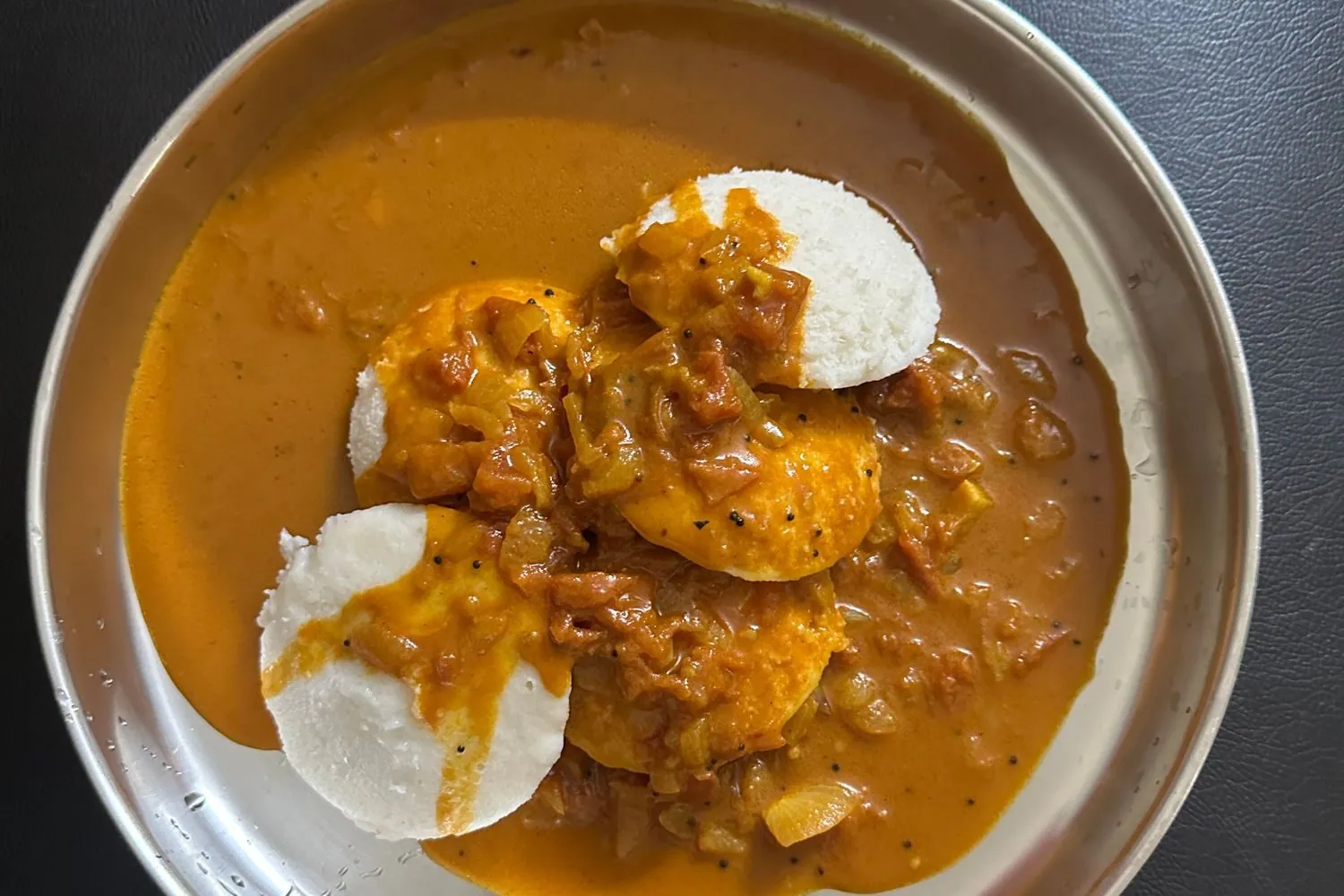
One caution about cooking: heat kills live cultures. Kadhi, hot-cooked dahi gravies and curd rice served steaming hot are still tasty and nutritious, but they are not a source of live bacteria. For that benefit, the curd should stay cool and unheated.
Myths about gut health that waste your money
Myth: a weekly “detox” or colon cleanse resets your gut. Cleanses and laxative teas can cause cramps and dehydration, and steady eating habits beat any one-week fix.
Myth: more probiotics is always better. Fibre matters just as much, because it feeds the microbes you already have.
Myth: bloating means your gut is unhealthy. Gas is a normal by-product of fermenting fibre. Mild bloating when you raise fibre is common and usually settles; severe or worsening symptoms are a different matter, covered below.
Myth: gut problems are cured by the right bacteria. Diet supports gut comfort, but it does not cure bowel diseases. Treat any claim of a food or supplement curing a medical condition with suspicion.
A 7-day walkthrough: add variety without rebuilding your kitchen
This sample week uses ordinary Indian meals and rotates grains, dals and vegetables so you meet many different plant foods. Swap anything to suit your region and budget. For a full-day structure, see nutrition and a balanced diet.
| Day | Breakfast | Lunch | Evening / dinner |
|---|---|---|---|
| Mon | Vegetable poha, 1 katori curd | 2 rotis, moong dal, bhindi sabzi, salad | Khichdi with mixed vegetables, chaas |
| Tue | 2-3 idlis with sambar | Rajma, rice (cooled and reheated), cucumber raita | Roasted chana, 1 guava |
| Wed | Ragi porridge with banana | 2 jowar rotis, palak dal, carrot-beetroot salad | Vegetable soup, 1 roti |
| Thu | Besan chilla with curd | Chole, 1 roti, onion-tomato salad | Dosa with chutney and sambar |
| Fri | Oats upma with peas | 2 rotis, mixed dal, lauki sabzi, raita | 1 small glass kanji, fruit |
| Sat | Methi paratha, curd | Vegetable pulao, kadhi (or plain curd), salad | Sprouts chaat, 1 apple |
| Sun | Idli or dosa, sambar | Bajra roti, sarson or seasonal saag, dal | Light dal-rice, 1 katori curd |
A rough target of 20-30 different plant foods a week, counting dals, vegetables, grains, fruits and spices, is a handy guide, not a rule. The easiest way to widen the count is one new vegetable, dal or grain each week.
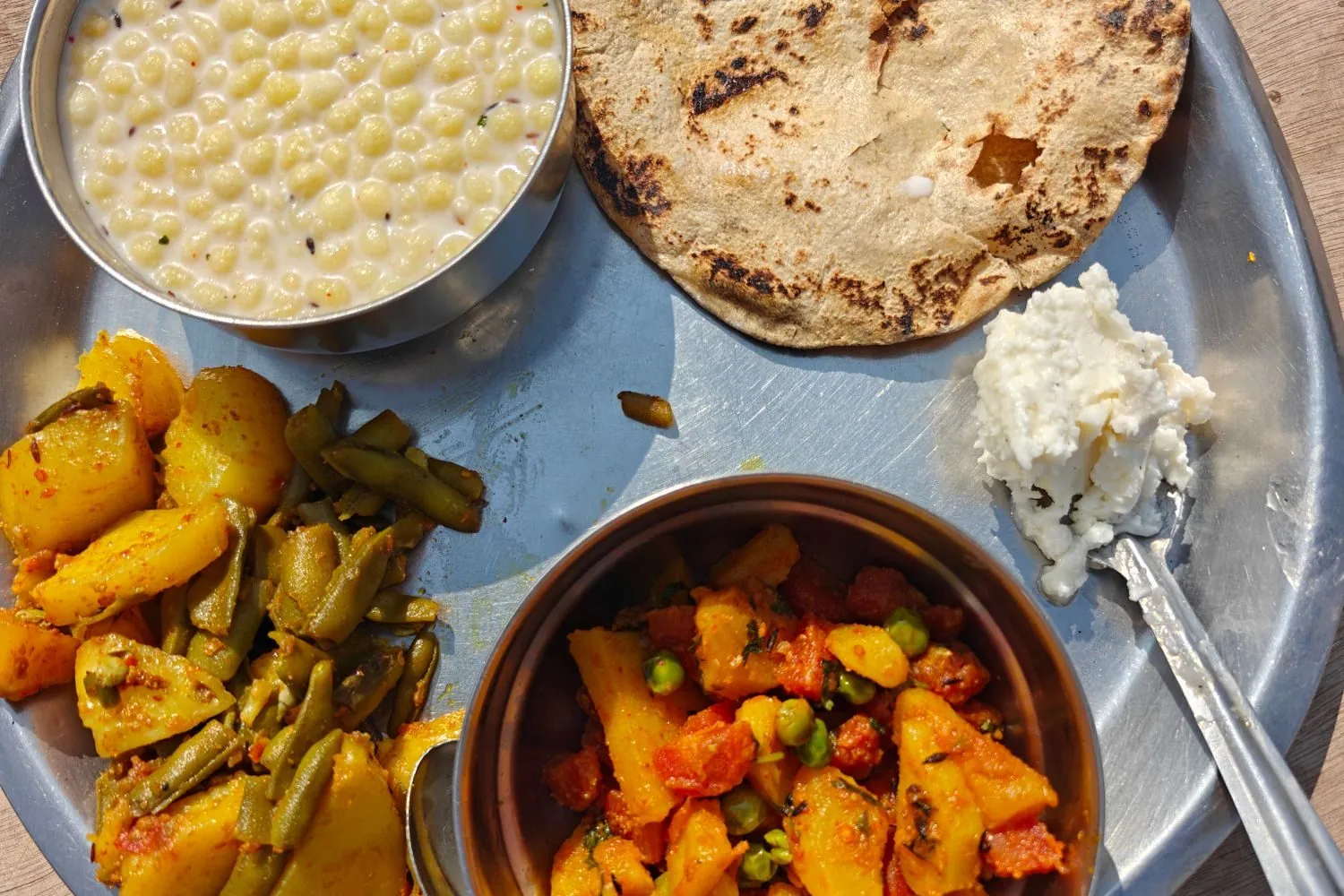
Troubleshooting: bloating, gas and loose stools when you change your diet
Raising fibre quickly is the most common reason people give up on a gut-friendly diet. Increase it gradually over two to three weeks, drink roughly 2-3 litres of fluid a day (more in summer or if you sweat a lot), and use the table below as a first check.
| What you notice | Likely cause | What to try |
|---|---|---|
| Gas and bloating after rajma or chole | Fibre and fermentable carbohydrates ferment in the colon | Start with a few spoonfuls, soak overnight, pressure cook well, add jeera or hing |
| Hard stools or constipation | Fibre rising without enough fluid | Drink more water, add vegetables and fruit gradually, walk after meals |
| Loose stools after starting curd or kanji | Too much too soon, or high salt content | Cut back to 2-3 tablespoons, rebuild slowly, pause kanji |
| Bloating after raw salads at night | Raw fibre is harder to digest in the evening | Eat salads at lunch, lightly cook vegetables at dinner |
| No change after 3-4 weeks | Very small variety change or hidden triggers | Keep a 7-day food and symptom note, then speak to a dietitian |
If symptoms are intense or keep returning, stop experimenting and get advice; more fibre will not fix a problem that needs a diagnosis.
Gut health tips for specific groups
- Vegetarians and Jain eaters: without onion or garlic, rely on raw banana, asafoetida (hing), whole grains, dals and fruit for variety. Fresh dahi is your easiest live-culture food.
- Vegans: skip the curd and use home-fermented vegetable pickles in brine, plus plenty of legumes, millets and vegetables. Our vegan nutrition guide covers the wider nutrient picture.
- People who are lactose intolerant: many tolerate fresh curd better than milk, since fermentation breaks down some of the lactose. Start with small amounts and see how you feel.
- Desk workers: long sitting slows digestion for many people. Take a 10-minute walk after meals, and try gentle floor-based practice such as our online yoga classes.
What does the gut-brain axis really tell us about mood?
The gut and brain communicate through the vagus nerve, hormones, immune signals and chemicals made by gut bacteria, so the link is real. How much everyday food choices change mood in healthy adults is still being studied, and the evidence is early. Eat well for your gut, but do not treat food as mental health treatment.
Much of the evidence comes from animal work and small human studies, not proven cause and effect. Be sceptical of any product claiming to cure anxiety, depression or poor focus. If low mood or anxiety affects your daily life, talk to a doctor or qualified mental health professional.
When should you see a doctor about gut symptoms?
See a doctor promptly if you notice blood in your stool, black tarry stools, unexplained weight loss, ongoing abdominal pain, or a change in bowel habits lasting more than two to three weeks. Diet changes cannot diagnose these problems, and delaying a check-up can be risky.
- Blood in the stool or black, tarry stools
- Weight loss you cannot explain, particularly with a reduced appetite
- Pain in the abdomen that is persistent, severe or wakes you at night
- Diarrhoea or constipation that continues beyond two to three weeks
- Fever with diarrhoea, repeated vomiting or difficulty swallowing
If you have a diagnosed condition such as irritable bowel syndrome, inflammatory bowel disease, coeliac disease or diabetes, or you take regular medication or have a weakened immune system, check with your doctor or a registered dietitian before adding fermented foods, large amounts of fibre or supplements. This article is general education, not personal medical advice.
Frequently asked questions
Is homemade curd as good for your gut as shop-bought yogurt?
Both are made with live lactic acid bacteria, so the basic idea is the same. Fresh homemade curd usually carries an active, varied culture, while shop-bought products vary by brand, processing and storage. Whichever you choose, keep it unheated and eat it regularly alongside fibre-rich foods.
Do I need a probiotic supplement to improve gut health?
Most people do not need one. Regular fermented foods, plenty of fibre and a varied diet support the gut well for healthy adults. Supplements may suit specific situations, but that is a decision for your doctor, especially if you have a medical condition, take medication or have a weakened immune system.
How long does it take to see a difference in gut health from diet changes?
Digestive comfort can improve within a couple of weeks, such as softer stools or less constipation, if you raise fibre gradually and drink enough fluid. Deeper changes in the microbiome build over months of consistent eating, not a single detox week. Expect gradual progress and no guaranteed result.
Is it safe to eat fermented foods every day?
For most healthy adults, a small daily serving such as a katori of curd or a glass of chaas is fine. Introduce new fermented foods slowly, watch the salt in kanji and pickles, and ask your doctor first if you have a chronic condition or take regular medication.
Are store-bought pickles good for the gut?
Usually not. Many commercial pickles are preserved in oil or vinegar or are pasteurised, which removes live cultures, and they are often high in salt and oil. Traditional brine-fermented pickles are different but should still be eaten in small amounts, especially if you watch your blood pressure.
Every gut is different, and a plan built around your own meals, routine and health history works better than a generic list. If you would like that, book an online nutritionist consultation with Fitstrot and get a gut-friendly meal plan matched to your food habits.


