

A 30 day elimination diet meal plan is a short, structured experiment: you remove a small set of common trigger foods, wait for symptoms to settle, then add foods back one at a time to see which ones bring symptoms back. It is a diagnostic tool, not a detox, a cleanse or a weight-loss diet. This guide covers the phases, Indian food swaps, a sample week and the reintroduction rules that make the result trustworthy.
Is a 30 day elimination diet safe to do on your own?
For most healthy adults a short, well-planned elimination diet is low risk, but it is not a do-it-yourself project for everyone. It should not be started alone if you suspect a true food allergy, are pregnant, are managing diabetes or kidney disease, or have ever had disordered eating. A doctor or registered dietitian should guide those cases.
The reason for caution is simple. Removing dairy, wheat, soy and eggs together takes out major sources of protein, calcium and B vitamins, so without a replacement plan you can end up tired and no wiser about your trigger.
See your doctor or a registered dietitian first if you have unexplained weight loss, blood in stools, persistent vomiting, difficulty swallowing, night-time pain, a history of anaphylaxis (swelling of lips or throat, wheeze, collapse), or you take regular medication. Symptoms like these need a medical check before any food experiment, and nothing here replaces that. Never change or stop prescribed medicines because of an elimination diet.

What are the phases of a 30 day elimination diet?
A proper elimination diet has three phases: a few days of preparation, about two to four weeks of strict elimination, then a reintroduction phase of roughly three to five days per food. Because reintroduction takes time, a full cycle testing several foods usually runs six to ten weeks, so “30 days” is only the starting block.
| Phase | Rough timing | What you do | Common mistake |
|---|---|---|---|
| Prepare | Days 1 to 3 | Pick the foods to remove, clear the kitchen, shop, start the journal and note your baseline symptoms | Skipping the baseline, so there is nothing to compare against |
| Eliminate | Days 4 to 21 (up to day 30 if symptoms are slow to settle) | Remove every chosen food completely, eat balanced meals, log symptoms daily | “Mostly” avoiding, which keeps symptoms alive and ruins the test |
| Reintroduce | From about day 22, then 3 to 5 days per food | Add one food back, watch for reactions, wait before the next | Adding several foods in the same week |
| Decide | After the last food is tested | Keep tolerated foods, limit or avoid confirmed triggers, retest unclear results | Staying on the restricted list for months “just in case” |
If symptoms have not clearly improved after about three weeks of strict elimination, do not keep cutting more foods. Speak to a doctor, because stress, illness, poor sleep or another condition can look just like a food reaction.
Which foods are removed, and what can you eat instead?
Most plans remove dairy, gluten-containing grains, soy, eggs, peanuts and added sugar for about three weeks, and sometimes alcohol and caffeine too. You do not have to remove everything: a dietitian often picks only the two or three likeliest suspects, which is easier to follow and safer for nutrition.
| Food group removed | Where it hides in Indian cooking | Swaps that usually fit |
|---|---|---|
| Dairy | Chai, dahi, paneer, ghee, butter, buttermilk, malai, milk-based sweets, many gravies | Black tea or herbal tea, coconut milk in curries, coconut or sesame oil for tadka |
| Gluten (wheat, barley, rye) | Roti, paratha, bread, semolina (suji), maida in biscuits, noodles, some masala mixes, hing blended with wheat flour | Rice, ragi, jowar, bajra, millets, poha, rice idli and dosa, pure hing or none |
| Soy | Soya chunks, tofu, soy milk, soy sauce, some packaged snacks and protein bars | Dals, chana, rajma if tolerated, fish, chicken, pumpkin and sunflower seeds |
| Eggs | Omelettes, bhurji, cakes, mayonnaise, some breads and batters | Dal, fish, chicken, seeds, vegetables for protein and fullness |
| Peanuts and groundnut oil | Poha topping, chutneys, chikki, sabzi gravies, “refined” groundnut oil in restaurants | Coconut oil, mustard oil or sesame oil, coconut chutney, roasted sunflower seeds |
| Added sugar and packaged foods | Biscuits, namkeen, sauces, flavoured drinks, mithai | Whole fruit, makhana roasted at home, plain coconut water |
Read labels, because gluten and soy appear in sauces, spice blends and ready mixes. When eating out, plain dal, rice, grilled fish or chicken and steamed vegetables are the simplest choices. For background on how food and gut symptoms connect, see nutrition and digestion and nutrition and gut health.
What does an Indian elimination-phase week look like?
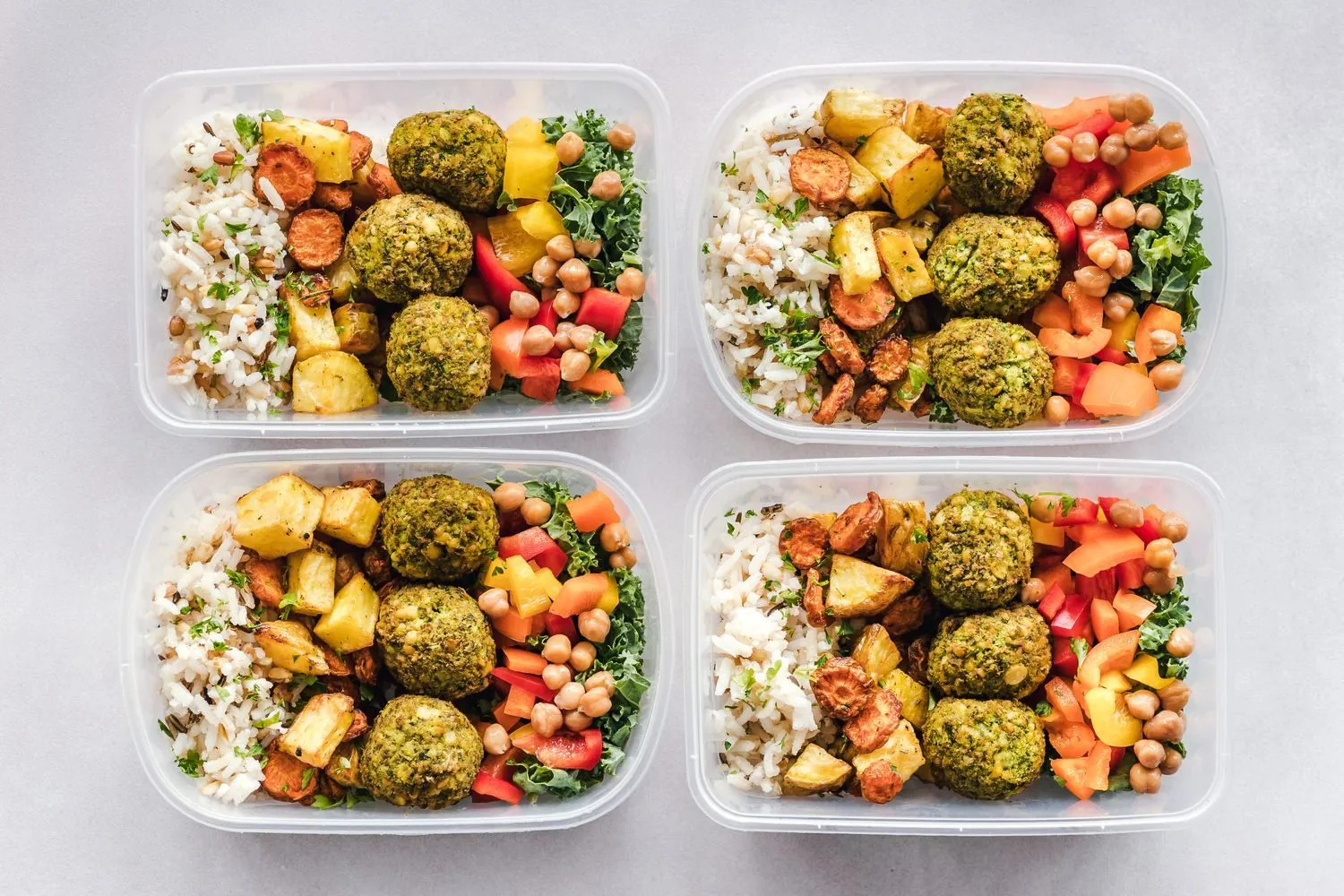
An elimination-phase day should still be balanced: a protein source at each meal, plenty of vegetables, a whole grain that is not wheat, and enough total food. Aim for roughly 0.8 to 1 g of protein per kg of body weight from dals, fish, chicken and seeds, and do not cut calories at the same time.
This sample avoids dairy, gluten, soy, eggs and peanuts. Rotate it across the weeks and adjust for your own tastes and budget.
| Day | Breakfast | Lunch | Dinner |
|---|---|---|---|
| Day A | Vegetable poha (no peanuts) with coconut, plus a banana | Rice, moong dal tadka in coconut oil, lauki sabzi, cucumber salad | Jowar roti, bhindi sabzi, masoor dal |
| Day B | Rice idli, sambar, coconut chutney | Chicken curry in onion-tomato gravy (no cream), rice, salad | Ragi dosa, vegetable stew with coconut milk |
| Day C | Ragi porridge with coconut milk, pumpkin seeds and berries or papaya | Bajra khichdi with vegetables, carrot-beetroot salad | Fish curry (coconut base), steamed rice, sautéed greens |
| Day D | Upma made with rice rava or millet, mixed vegetables | Chana masala (tomato base), jeera rice, cabbage thoran | Vegetable and dal soup, sweet potato, steamed beans |
| Day E | Vegetable uttapam from rice and urad batter | Rice, rasam, dry cauliflower sabzi, sprouted moong salad | Grilled chicken or fish, millet roti, stir-fried vegetables |
Snacks can be fruit, roasted sunflower seeds, coconut slices, cucumber and carrot sticks or home-roasted makhana. Vegetarian eaters get protein mainly from dals, chana and seeds, so portions of these matter more. If you suspect legumes bother you, tell your dietitian first.
Is an elimination diet a detox or a weight-loss plan?
No. An elimination diet is a test to link specific foods to specific symptoms. It does not clear toxins from your liver or reset your metabolism, and any weight lost is usually a side effect of eating fewer packaged foods. Using it purely to lose weight can mean cutting foods you never needed to avoid.
Three myths cause most of the trouble:
- “Cleansing” myth. Your liver and kidneys already do the clearing. Short detox diets are not a substitute, and we explain why in do detox diets actually work.
- “A blood test will tell me” myth. Online IgG food-sensitivity panels are not considered a reliable way to diagnose intolerance, and they often flag harmless foods. A supervised elimination and reintroduction is still the standard approach for intolerances.
- “Longer is better” myth. Staying on a strict list for months does not improve accuracy. It raises the risk of low calcium, iron, B12 and fibre intake, which our nutritional deficiency guide describes.
If weight loss is your actual goal, an elimination diet is the wrong tool. A structured plan from an online weight loss trainer will serve you better.
How do you reintroduce foods after the elimination phase?
Reintroduce one food at a time, starting only after symptoms have been calm for several days. Eat a small portion on day one, a normal portion on day two and day three, then return to the elimination list for two to three days while you watch for reactions. If nothing happens, that food is probably fine and the next test can begin.
- Choose one food and one form, for example plain curd or a slice of wheat bread, not a mixed dish.
- Test in the morning or at lunch so any reaction shows up while you are awake and logging.
- Increase gradually over the three test days, stopping at once if symptoms appear.
- Wait for baseline. After a reaction, give yourself until symptoms have fully settled before testing anything else, often several days.
- Record the result as tolerated, mild reaction, or clear reaction. A mild or unclear result can be retested later.
Test when you feel well, not before a trip, exam or festival. Do not test a food that previously caused hives, swelling, breathing trouble or vomiting. Those reactions suggest allergy, and reintroduction of that food must be decided by an allergist, never at home.

What should you log in a food and symptom journal?
Log what you ate and roughly how much, the time, any symptom with its start time and duration, and the context of that day. A reliable journal is the evidence your whole elimination diet depends on, so keep it simple enough to fill in daily.
- Meals, snacks, drinks and cooking oil used.
- Digestion: bloating, gas, pain, stool changes, acidity.
- Skin, headaches, energy, mood and sleep quality, each scored 0 to 5.
- Stress, illness, travel, periods, medication and alcohol, since these can mimic a food reaction.
Scores let you compare week to week instead of relying on memory. If your main complaint is burning or reflux, speak to a doctor and see our 7 day meal plan for gastritis rather than starting with a broad elimination.
What if symptoms do not improve, or you feel worse?
If you feel no better after about three weeks of strict elimination, food may not be the cause, or you may have missed a hidden source. Check labels, oils and spice mixes again with a dietitian. If you feel dizzy, weak, lose weight unintentionally or feel worse, stop and speak to your doctor.
Mild tiredness or headaches in the first few days after cutting sugar or caffeine usually ease within a week. Persistent or severe symptoms are not “detox” and should never be pushed through.
Who should avoid or only supervise an elimination diet?
Children, teenagers, older adults, pregnant or breastfeeding women, and people with chronic conditions should only try an elimination diet under professional supervision. Their nutrient needs are higher or less flexible, and the cost of a shortfall is greater than for a healthy adult.
- Pregnancy and breastfeeding: do not self-start. See prenatal nutrition and food allergies and ask your obstetrician or dietitian first.
- Diabetes: cutting grains or changing meals can shift blood sugar, which matters if you use insulin or tablets. Your care team must plan this, and our 7 day diabetes meal plan shows how structured meals look.
- Kidney disease: protein, potassium and phosphorus often need limits, so swaps like seeds, legumes and coconut products must be checked. See the 7 day meal plan for kidney disease.
- History of eating disorders or underweight: avoid food-restriction experiments unless your treating team advises it.
- Suspected allergy: see an allergist first, and keep prescribed emergency medicines with you if you have them.
Working with a registered dietitian keeps the plan complete and the conclusions honest. Our online nutritionist consultation pairs you with a professional who designs the elimination list, builds the Indian meal plan and reviews your journal.
Frequently asked questions
How long should a 30 day elimination diet last?
The strict elimination phase usually lasts about two to four weeks, followed by reintroduction at roughly three to five days per food. A complete cycle that tests several foods often takes six to ten weeks, so treat 30 days as the first stage rather than the whole process.
Can I lose weight on an elimination diet?
Some people lose a little weight because they eat fewer packaged foods, but that is a side effect, not the purpose. Cutting calories on top of food groups can leave you short of nutrients, so use a dedicated weight-loss plan if fat loss is your goal.
What is the difference between a food intolerance and a food allergy?
An intolerance, such as lactose intolerance, usually causes digestive discomfort and is not life-threatening. An allergy involves the immune system and can cause hives, swelling, breathing trouble or anaphylaxis. Suspected allergies need an allergist before any home reintroduction.
Do I need a doctor before starting an elimination diet?
It is strongly advised, especially if you have a medical condition, take medicines, are pregnant or breastfeeding, or suspect an allergy. A doctor can first rule out other causes of your symptoms, and a dietitian can then design a nutritionally complete plan.
Can vegetarians follow an elimination diet in India?
Yes, but it needs closer planning because soy, eggs, dairy and wheat are common protein and staple foods for vegetarians. Dals, millets, seeds and rice-based meals can cover the gap, and a dietitian can check your protein, calcium and B12 intake.
Next step: book an online nutritionist consultation and bring your symptom list, so your elimination and reintroduction plan is built around your own foods.


