
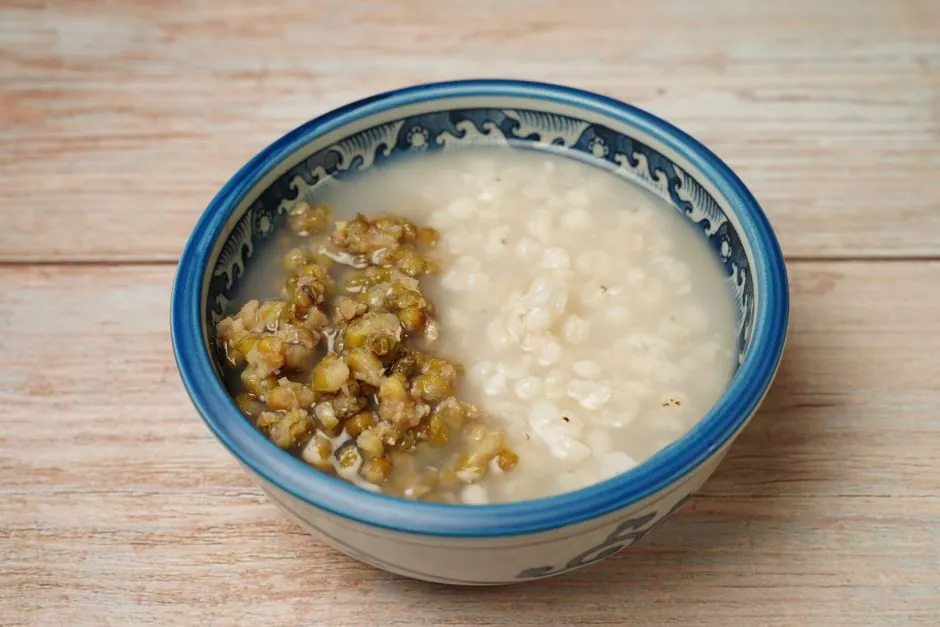
A 7 day meal plan for gastritis is a short, structured eating routine that takes pressure off an inflamed stomach lining while you and your doctor deal with the cause. It won’t cure gastritis. What it can do is cut down the burning, bloating and nausea that make every meal feel risky. The plan below is built for Indian kitchens: khichdi, idli, lauki, moong dal, curd, papaya, and eggs or chicken if you eat them. It uses six small meals a day, very little oil and a mild tadka.
Before you start: gastritis has several causes, and the treatment depends on which one you have. The most common are H. pylori infection and regular use of painkillers such as ibuprofen or aspirin. Food changes support medical care; they don’t replace it. If your symptoms have lasted a week or more, or you notice black stools or vomit that contains blood, see a doctor before trying any diet. Don’t stop, start or change a prescribed medicine because of anything you read here.
What does a gastritis diet actually do, and what can’t it do?
A gastritis diet reduces irritation of an already-inflamed stomach lining. That means smaller meals, less fat and chilli, and no alcohol. It eases symptoms but rarely fixes the cause. The US National Institute of Diabetes and Digestive and Kidney Diseases (NIDDK) states that diet does not play an important role in causing most cases of gastritis.
NIDDK\’s gastritis eating, diet and nutrition page names a few food-related exceptions. Alcohol can cause acute erosive gastropathy, food allergies can sometimes trigger gastritis, and iron supplements occasionally do too. The same page also warns that certain types of gastritis can reduce how well you absorb iron and vitamin B12. That matters in India, where many vegetarians already get very little B12.
So food has two jobs here: controlling symptoms while the lining heals, and protecting your protein, iron and B12 intake. The cause itself is treated medically, usually after a breath test, stool test or endoscopy.
Gastritis triggers at a glance: what the evidence says
Not every “trigger” you read about online is equally strong. The table sorts the common ones by how firm the evidence is and what you should actually do about each.
| Trigger | What the evidence says | What to do |
|---|---|---|
| H. pylori infection | One of the most common causes of chronic gastritis. A 2024 meta-analysis in Gastroenterology put global adult prevalence at 43.9% (2015–2022) | Ask your doctor about a breath or stool test. Treatment is prescription antibiotics, not food |
| NSAID painkillers (ibuprofen, aspirin, diclofenac) | Regular use can damage the stomach lining (Mayo Clinic; NIDDK) | Tell your doctor about every painkiller you take. Don’t stop a prescribed aspirin on your own |
| Alcohol | Irritates and erodes the lining. Can cause acute erosive gastropathy (NIDDK) | Avoid completely while symptoms are active |
| Spicy, fried, fatty or acidic food | Mayo Clinic lists these as foods that “seem to irritate” the stomach. Reactions vary widely from person to person | Cut back during flares, then test your tolerance one food at a time |
| Severe stress / critical illness | Recognised cause of acute gastritis (Mayo Clinic) | Sleep, regular meals, gentle movement. Get medical care if it’s severe |
| Autoimmune gastritis | The immune system attacks stomach cells. Linked to B12 and iron deficiency (NIDDK) | Blood tests for B12 and iron. Supplements only as your doctor prescribes |
Mayo Clinic’s gastritis overview also lists older age as a risk factor, because the stomach lining tends to thin with age. Cancer treatment, Crohn’s disease and celiac disease also raise risk. If any of those apply to you, your treating team should set your plan.
The 7-day meal plan for gastritis (Indian, vegetarian with egg and chicken swaps)
This week-long plan uses six small meals a day. It relies on soft-cooked grains, dal, low-acid vegetables, curd and non-citrus fruit, with about 1 teaspoon of oil or ghee per meal. Spice is limited to jeera, a pinch of haldi and a little ginger. There is no chilli, garam masala, pickle, tea on an empty stomach, or alcohol.
A few rules apply to every day:
- Portions stay small: about 1 katori (150 g cooked) of grain dishes and ½–1 katori of dal or sabzi at main meals.
- Oil is capped. ICMR-NIN’s Dietary Guidelines for Indians (2024) advise restricting cooking oil to 25–30 g a day and salt to 5 g a day for healthy adults. On a gastritis week, aim for the lower end of the oil range.
- Non-veg swaps: replace paneer or dal with 1 boiled egg or 75–100 g of steamed or stewed chicken or fish on any day.
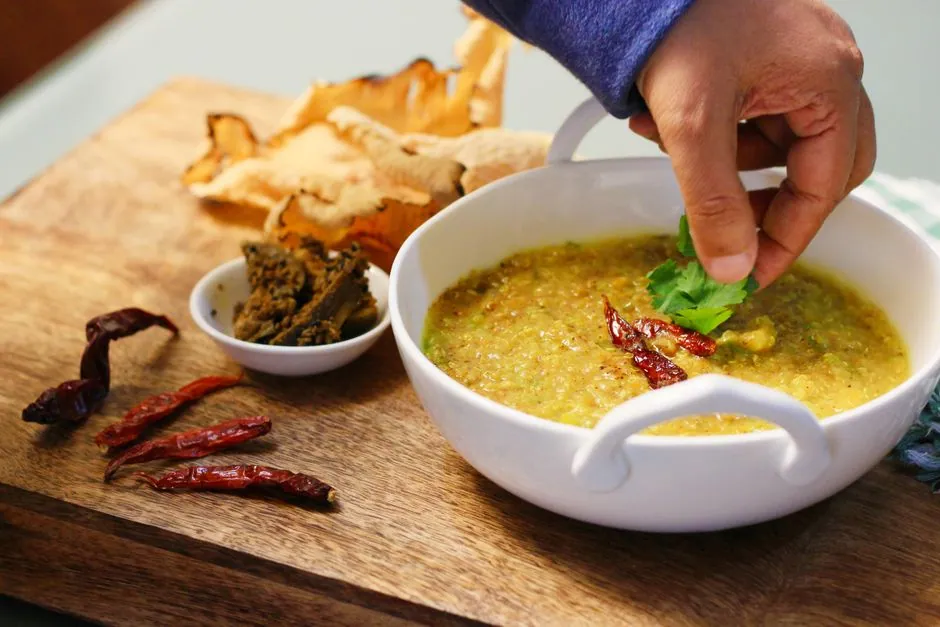
| Day | Early morning (7 am) | Breakfast (8:30 am) | Mid-morning (11 am) | Lunch (1 pm) | Evening (4:30 pm) | Dinner (7:30 pm) |
|---|---|---|---|---|---|---|
| 1 | Lukewarm water + 1 ripe banana | 2 soft idli + bottle-gourd (lauki) chutney, no chilli | 1 katori papaya | Moong dal khichdi + 1 katori curd | Jeera-ginger herbal tea + 2 plain rusks | Lauki sabzi + 2 soft phulka + ½ katori moong dal |
| 2 | Lukewarm water + 4–5 soaked almonds, peeled | Vegetable dalia (broken wheat) with carrot and peas | 1 peeled apple, stewed or raw | Rice + yellow moong dal + steamed pumpkin | Buttermilk (chaas) with roasted jeera | Palak-paneer (low oil, no cream) + 2 phulka |
| 3 | Lukewarm water + 1 banana | Vegetable poha, no lemon or chilli | 1 katori muskmelon | Curd rice (thayir sadam) + boiled carrot-beans | Fennel (saunf) water + 1 small idli | Moong dal chilla (2) + mint-curd dip |
| 4 | Lukewarm water + 4–5 soaked almonds, peeled | Oats cooked in half water, half toned milk, with banana | 1 katori papaya | Rice + masoor dal (thin) + tinda sabzi | Herbal tea + 1 handful puffed rice (murmura) | Vegetable khichdi + 1 katori curd (or 1 boiled egg) |
| 5 | Lukewarm water + 1 banana | 2 plain dosa (little oil) + lauki or coconut chutney, no chilli | 1 peeled pear | 2 phulka + lauki-chana dal + curd | Chaas + 2 plain rusks | Steamed fish or chicken stew (75–100 g) or paneer bhurji (low oil) + rice |
| 6 | Lukewarm water + 4–5 soaked almonds, peeled | Suji upma with carrot and beans | 1 katori watermelon | Moong dal khichdi + steamed pumpkin | Herbal tea + 1 small vegetable idli | 2 phulka + ghiya-kofta curry (baked koftas, tomato-free gravy) |
| 7 | Lukewarm water + 1 banana | Ragi porridge made with water and a little jaggery | 1 katori papaya | Rice + moong dal + boiled beetroot-carrot | Buttermilk with roasted jeera | Curd rice + steamed lauki (or 1 boiled egg) |
Tomatoes, onion and garlic are kept low on purpose. Some people with gastritis tolerate them well, others don’t. You’ll test them in week two (see below). Portions are a starting point; a dietitian can adjust them to your weight and activity.
How to use this gastritis diet plan day to day
Treat the first three days as a “calm-down” phase. Keep everything soft, warm (not hot) and mild. From day four, if symptoms are easing, bring back one food at a time. For example, add a little onion to the dal on day four and a few tomato pieces to the sabzi on day six. Note what you ate and how you felt 2–3 hours later; after seven days you’ll know your own triggers.
After the week, slowly add back fibre-rich foods such as whole wheat, rajma and chana. Our guide to fibre in nutrition explains how to raise fibre without upsetting digestion.
Adapting it as a 7 day H. pylori diet menu
If you’ve tested positive for H. pylori, the same chart works as your 7 day H. pylori diet menu while you take the prescribed antibiotics. Be clear on one point: no food, spice or juice clears the infection. NIDDK’s treatment guidance describes a combination of two or more antibiotics plus a proton pump inhibitor, sometimes with bismuth. It also stresses finishing the full course so the bacteria don’t become resistant.
What an H. pylori diet plan can do is help you get through the course. Antibiotics often cause nausea, a metallic taste or loose stools. The soft, low-fat meals above are easier to keep down. Curd and chaas are familiar sources of live cultures. On probiotics specifically, a 2015 meta-analysis of 45 randomised trials and 6,997 people in the World Journal of Gastroenterology found eradication rates of 82.3% when probiotic supplements were added to standard therapy, against 72.1% without them. Side effects fell from 36.3% to 21.4%. Those were specific supplement strains used alongside antibiotics, not homemade curd. Ask your gastroenterologist whether a probiotic makes sense for you.
Best food for gastritis: what to put on your plate
The foods most people with gastritis tolerate best are soft-cooked rice, moong dal, oats, dalia, idli, lauki, pumpkin, carrot, banana, papaya, peeled apple, melon, plain curd, paneer, eggs, and steamed fish or chicken. They are low in fat, mildly spiced, and not very acidic. Personal tolerance still varies, so test anything new one item at a time.

| Food group | Usually well tolerated | Test carefully (week 2) | Avoid during a flare |
|---|---|---|---|
| Grains | Rice, idli, dosa (low oil), poha, suji, dalia, oats, soft phulka, ragi | Whole-wheat paratha (dry roasted), brown rice, millet rotis | Puri, bhatura, maida snacks, fried namkeen |
| Pulses | Moong dal, masoor dal (thin) | Chana dal, rajma, chole (well cooked, small portion) | Heavy, oily dal makhani or tadka dal made with chilli |
| Vegetables | Lauki, tinda, pumpkin, carrot, beans, spinach (cooked), beetroot | Onion, garlic, capsicum, cabbage, cauliflower | Raw salads in large amounts, green chilli, pickles |
| Fruit | Banana, papaya, peeled apple, pear, melon, watermelon | Guava, pomegranate, grapes | Orange, mosambi, lemon juice, pineapple, raw mango, tomato-heavy dishes |
| Dairy | Plain curd, chaas, paneer, small amounts of toned milk | Full-cream milk, cheese | Malai-rich sweets, cream gravies |
| Non-veg | Boiled eggs, steamed or stewed fish and chicken | Egg bhurji, grilled chicken | Fried chicken, mutton curry, processed meats |
| Drinks | Water, jeera or fennel water, mild herbal tea, coconut water | 1 weak cup of tea after food | Alcohol, strong coffee, colas, packaged juices, energy drinks |
Include a protein at every main meal (dal, curd, paneer, egg, fish or chicken) so bland eating doesn’t leave you depleted. Vegetarians can use our high-protein vegetarian foods list as their stomach settles.
Gastritis foods to avoid, and four myths worth dropping
The foods to avoid during a gastritis flare are alcohol, chilli-heavy and fried food, fatty gravies, citrus and tomato-heavy dishes, strong coffee and carbonated drinks. Mayo Clinic advises avoiding alcohol and foods that “seem to irritate your stomach”, including spicy, acidic, fried or fatty foods. Many common “home remedies” have no evidence behind them.
Mayo Clinic’s gastritis diagnosis and treatment page is direct about alcohol: don’t drink it, because it irritates the stomach’s mucous lining. Four popular myths are worth dropping:
Myth 1: “A glass of cold milk cures acidity and gastritis”
Milk may feel soothing briefly, but no good evidence shows it heals an inflamed lining. A little toned milk in oats is fine if tolerated.
Myth 2: “Lemon water in the morning is good for gastritis”
Lemon is acidic, and during an active flare many people find it makes the burning worse. Plain lukewarm water, jeera water or fennel water are safer morning drinks until symptoms settle.
Myth 3: “If you have gastritis you must eat bland food forever”
Strict bland eating is a short-term tool. Once the cause is treated and symptoms ease, most people can bring back a normal, varied Indian diet, including moderate spice.
Myth 4: “Garlic, turmeric or apple cider vinegar will kill H. pylori”
No kitchen ingredient is a proven replacement for antibiotic therapy. Undiagnosed or undertreated H. pylori can lead to ulcers, and it’s linked to stomach cancer. The Chen et al. Gastroenterology 2024 meta-analysis on global H. pylori prevalence connected falling infection rates with falling gastric cancer incidence. That’s one more reason to get tested and treated properly.
When and how much to eat: a gastritis-friendly daily rhythm
Five or six small meals spaced 2.5–3 hours apart, with dinner finished 2–3 hours before bed, usually suit gastritis better than two or three large meals. Small, regular portions avoid overfilling an inflamed stomach, and an early dinner means you aren’t lying down on a full stomach.
| Time | Meal | Portion guide | Why it helps |
|---|---|---|---|
| 7:00 am | Early morning | 1 glass lukewarm water + banana or soaked almonds | Avoids tea or coffee on an empty stomach |
| 8:30 am | Breakfast | 1 katori (about 150 g) cooked grain dish | Ends the overnight gap with something soft |
| 11:00 am | Mid-morning | 1 katori low-acid fruit | Keeps the gap to lunch under 3 hours |
| 1:00 pm | Lunch | 1 katori rice/2 phulka + ½–1 katori dal + sabzi + curd | Main protein meal of the day |
| 4:30 pm | Evening | Herbal drink + light snack | Replaces fried chai-time snacks |
| 7:30 pm | Dinner | Smaller than lunch; soft and low-oil | Gives 2–3 hours before bed at 10–10:30 pm |

Indian diet for gastritis: adjusting the plan to your situation
The same basic plan needs small tweaks depending on who is following it.
Vegetarians and people with low B12
Because some types of gastritis reduce iron and B12 absorption (NIDDK), vegetarians should ask their doctor about blood tests for haemoglobin, ferritin and vitamin B12. That’s especially true if you feel unusually tired, breathless or tingly. Curd, paneer and milk contribute some B12, but they may not be enough if absorption is impaired. Take supplements only as prescribed. NIDDK notes that people with autoimmune gastritis may need B12 injections.
Office workers and people with long commutes
Skipped breakfast, 4 pm samosa-and-chai and late dinners are the usual problems. Pack idli, poha or curd rice, carry a banana, and swap extra office tea for jeera water or chaas. Stress is also a recognised factor in acute gastritis. Short breathing breaks or a regular evening online yoga class can help you wind down, though they aren’t a treatment.
Older adults
The stomach lining tends to thin with age (Mayo Clinic), and many older adults take aspirin or other painkillers for heart or joint problems. Never stop a prescribed aspirin on your own. Ask the prescribing doctor whether stomach protection is needed. Soft, protein-rich meals such as eggs, paneer, dal and curd help prevent muscle loss during a restricted week.
Pregnant women, children and people with diabetes
This chart isn’t designed for pregnancy, children, or people on diabetes medicines. Carbohydrate spread and portions need to be set individually. Please get a plan from your doctor or a qualified dietitian.
Symptoms not settling? A troubleshooting checklist
If you’ve followed the chart for a week and still feel bad, work through these questions before cutting out more food:
- Are you still taking an NSAID? Over-the-counter painkillers for headaches or periods are easy to forget. Tell your doctor.
- Hidden alcohol or late nights? Even weekend drinking can undo a week of careful eating.
- Tea or coffee on an empty stomach? Move any tea to after breakfast and keep it weak.
- Eating too close to bedtime? Aim for a 2–3 hour gap.
- Have you actually been tested? If the cause is H. pylori, no amount of dietary fine-tuning will clear it.
Mayo Clinic advises seeing a healthcare professional if gastritis symptoms last a week or longer. If you’ve reached that point, book a doctor’s appointment. Don’t make the diet stricter on your own.
If you want help turning this chart into a plan that fits your weight, schedule and any other conditions, a Fitstrot online nutritionist consultation can build it around your doctor’s diagnosis.
Red flags: when gastritis needs a doctor today, not a diet
Get medical help urgently if you vomit blood or material that looks like coffee grounds, pass black, tarry or maroon stools, feel faint, dizzy or short of breath, have severe stomach pain, or can’t keep food down. NIDDK and Mayo Clinic both list these as signs of bleeding or serious complications.

NIDDK’s symptoms and causes page notes that most people with gastritis have no symptoms at all. When erosions or ulcers bleed, though, the signs above can appear quickly. Also see a doctor promptly for unexplained weight loss, trouble swallowing, or stomach pain that started after taking a painkiller.
Frequently asked questions
How long should I follow a gastritis diet?
Use strict, bland eating for the first few days of a flare. Then reintroduce foods one at a time over 1–2 weeks while the underlying cause is treated. If symptoms last a week or longer, Mayo Clinic advises seeing a healthcare professional rather than extending the diet.
Can I drink tea or coffee with gastritis?
During a flare, avoid coffee and strong tea, especially on an empty stomach. Once symptoms settle, many people tolerate one weak cup of tea after breakfast. Test your own response and stop if burning returns.
Is curd good for gastritis?
Plain, fresh curd and chaas are usually well tolerated and add protein. Probiotic supplements alongside H. pylori antibiotics raised eradication rates from 72.1% to 82.3% in a 2015 meta-analysis of 45 trials, but that finding doesn’t automatically apply to homemade curd.
Which fruits are safe in gastritis?
Banana, papaya, peeled apple, pear, muskmelon and watermelon are usually well tolerated. Citrus fruits such as orange, mosambi and lemon, plus pineapple and raw mango, are acidic and more likely to cause burning during a flare.
Can diet alone cure gastritis?
Usually not. NIDDK states that diet does not play an important role in causing most cases of gastritis. Common causes such as H. pylori infection and regular NSAID use need medical treatment. Diet eases symptoms while that treatment works.
Is a 7 day H. pylori diet menu different from a gastritis diet?
The foods are largely the same: soft, low-fat and mildly spiced. The difference is that H. pylori needs prescribed antibiotics plus an acid-reducing medicine, and the diet simply helps you tolerate that course. No food eradicates the infection.
Is spicy Indian food banned forever with gastritis?
No. Chilli-heavy food is best avoided during a flare, but once the cause is treated most people can gradually bring back moderate spice. Keep a food diary to find your personal limit.
Your next step: print the 7-day chart, stick it on the fridge, and book a test for the cause if you haven’t already. If you’d like a dietitian to adapt the week to your diagnosis, weight and routine, book a Fitstrot nutrition consult and bring your doctor’s notes.


