

Do detox diets work? Not in the way the labels promise. Juice cleanses, detox teas and “flush” programmes have no reliable evidence that they remove toxins from your body, and the weight you lose on them is mostly water and gut content, not fat. Your liver, kidneys, lungs, skin and gut already handle detoxing every day, at no cost.
This guide explains what those organs actually do, why the scale drops during a cleanse, which popular ingredients are overhyped, who should avoid these plans entirely, and what genuinely supports your liver and kidneys. It is general education, not medical advice. If you have a health condition or take regular medicines, speak to your doctor before changing how you eat.
Do detox diets work for removing toxins from the body?
No. Commercial detox diets, juice cleanses and detox teas have not been shown to remove toxins from the body or to make the liver and kidneys work better. Healthy organs already clear waste around the clock. The only change most people notice is lower calorie intake, which shows up quickly on the scale as lost water.
Look at the word “toxins” in any detox pitch. Almost no product names the specific toxin it removes, how much it removes, or how you could measure it in blood or urine. Without a named target and a measurable result, there is nothing to test, and that vagueness is what keeps the marketing going. “Cleanse”, “flush”, “reset” and “purify” are sales words, not medical terms. Real poisoning, such as alcohol overload, a paracetamol overdose or heavy metal exposure, is treated in hospital with specific medical care, not with a lemon-ginger shot.
What your body already does to clear waste
A natural detox is not something you start; it never stops. Here is who does what, and what a cleanse actually changes.
| Organ | What it does every day | What a detox diet changes |
|---|---|---|
| Liver | Breaks down alcohol, medicines, hormones and metabolic waste; makes bile | No proven benefit; some herbal “liver cleanse” products can add strain |
| Kidneys | Filter roughly 150-180 litres of fluid a day, keep what the body needs, pass the rest as urine | Nothing helpful; dehydration makes their job harder |
| Gut | Moves out waste and unabsorbed food; fibre feeds gut bacteria | Laxatives speed it up briefly; fibre-free juices disturb its normal rhythm |
| Lungs | Breathe out carbon dioxide and other gases | Nothing |
| Skin | Cools the body through sweat; a minor route for waste | Nothing; sweating in a sauna is not a detox |
The practical lesson is that detox is a maintenance job, and the best contribution you can make is to avoid overloading these organs. Our guide to liver nutrition covers how everyday food choices affect the organ at the centre of this conversation.
Why do you lose weight on a juice cleanse?
Because you are eating far less. Most juice cleanses supply roughly 800-1,200 kcal a day, and many detox teas add a laxative or diuretic effect. A three-day cleanse with a 1,000 kcal daily deficit is about 3,000 kcal, well under half a kilo of fat. The rest of the drop is water and gut content.
Roughly 7,700 kcal equals one kilo of body fat, so a 2-3 kg fall in three days cannot be fat. Cutting carbohydrates also empties your glycogen stores, and each gram of stored carbohydrate holds a few grams of water, so the scale falls fast. When normal meals return, the glycogen and water return with them, which is why the weight “comes back” within days. Many people also feel rebound hunger and overeat afterwards, which turns the experiment into a cycle. The flat stomach people report on day two is mostly an empty gut, not a change in digestive health.
If you are considering a detox for weight loss, a modest daily deficit you can keep up beats any cleanse. Our piece on nutrition and fat loss explains how, and a structured online weight loss trainer can build the plan around your routine.
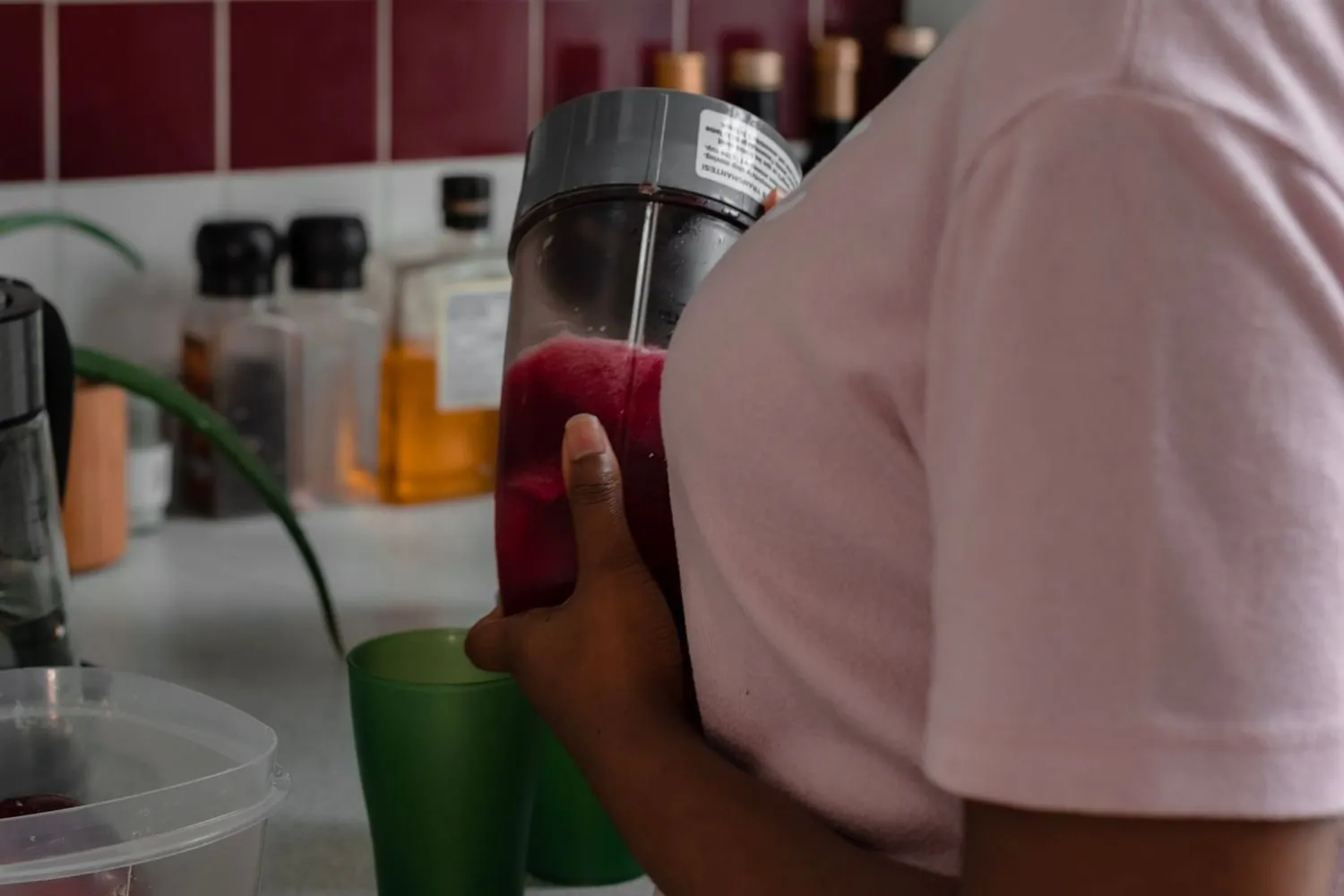
Detox drinks and ingredients: myth versus reality
Dressing up an ordinary ingredient in detox language does not change what it does in the body. This is how the most common ones hold up.
| Ingredient | The claim | What actually happens |
|---|---|---|
| Lemon water | “Alkalises the body and flushes toxins” | Adds a little vitamin C and counts towards your fluids; blood pH is held steady by your lungs and kidneys, not by drinks |
| Detox tea (often senna) | “Cleanses the gut” | A stimulant laxative; repeated use can cause cramps, diarrhoea, dehydration and low potassium |
| Apple cider vinegar | “Burns fat and detoxes” | No detox effect; undiluted it can irritate the throat and wear tooth enamel |
| Activated charcoal | “Absorbs toxins” | Used in hospitals for certain poisonings; as a supplement it can also bind medicines and nutrients you need |
| Green juice | “Resets the body” | A fine drink, but with the fibre strained out it is a thin snack, not a reset |
| Herbal “liver cleanse” capsules | “Repair and purify the liver” | Unregulated blends vary widely; some herbal products have been linked to liver injury |
None of this means a glass of nimbu pani or a vegetable smoothie is harmful. The issue is the claim attached to it. For more examples of marketing dressed up as science, see common nutrition myths, debunked.
Juice cleanse day versus a normal Indian day
Seeing the numbers side by side shows what you give up. The figures below are rough ranges for a typical adult and will vary with age, size and activity.
| Factor | One day of juice-only cleanse | Balanced Indian day |
|---|---|---|
| What you eat | 5-6 juices, herbal tea, water | Roti or rice, dal, sabzi, curd, salad, fruit, nuts |
| Energy | About 800-1,200 kcal | About 1,500-2,200 kcal, depending on the person |
| Protein | Usually under 20 g | Roughly 50-70 g |
| Fibre | Often under 10 g | Roughly 25-30 g |
| Sugar from juice | A 250 ml glass of fruit juice has about 20-25 g; five glasses reach around 100 g | Mostly from whole fruit, eaten with fibre |
| Common experience | Hunger, headache, low energy, irritability | Steady energy through the day |
A plate with dal, sabzi, curd and a salad already delivers what a cleanse claims to offer: fibre for the gut, protein for tissue repair, and water-rich vegetables. The ordinary home meal is the better “detox” plan.
What actually supports your liver and kidneys?
Steady daily habits do. Limit alcohol, drink enough water (roughly 2-3 litres of total fluids for most healthy adults, more in heat), eat 25-30 g of fibre from dal, vegetables, fruit and whole grains, keep a healthy weight and stay active. None of this needs a special programme, which is exactly why it works.
- Alcohol: it is one of the hardest things your liver has to process. Less is better, and none is the right answer if you already have liver disease or your doctor has told you to stop.
- Water: your kidneys need enough fluid to filter waste. Pale yellow urine is a simple guide. If you have kidney, heart or liver disease, follow the fluid limit your doctor gave you instead of any general number.
- Fibre: it keeps digestion regular and feeds healthy gut bacteria, a far better-supported lever than any tea. Our guide to fibre-rich foods has Indian options, and nutrition and digestion covers the gut side in more detail.
- Healthy weight: excess fat around the liver is linked to fatty liver disease, which is common in India. Gradual loss of about 0.5 kg a week is safer than crash dieting.
- Movement and sleep: aim for about 150 minutes of moderate activity a week and 7-8 hours of sleep.
- Medicines and supplements: take only what you need. Painkillers and herbal products add to the liver’s workload, so ask your doctor or pharmacist before combining them.

A food-first reset week that is not a detox
If you feel sluggish after a heavy festival season or a stretch of takeaways, a gentle reset is reasonable. The rule is to add good food, not to remove food groups or cut calories hard.
- Add one vegetable-heavy serving to lunch and dinner, about 150-200 g of sabzi or salad each.
- Swap refined snacks such as biscuits and namkeen for roasted chana, fruit, a handful of nuts or curd.
- Skip alcohol for the whole week and finish dinner 2-3 hours before bed.
- Drink water through the day instead of sugary drinks, and walk for 30 minutes.
- Keep every meal a normal size, with dal, eggs, paneer or curd for protein.
Sometimes what feels like a “toxic” lifestyle is really screen fatigue and stress. A digital detox with yoga is a different kind of reset, and it carries no nutritional risk.
Troubleshooting: you already tried a cleanse and feel off
Headache, dizziness, weakness, muscle cramps, loose stools and intense hunger are the usual detox diet side effects, and most settle within a day or two of eating normally.
- Stop laxative teas and diuretic products straight away.
- Eat regular meals with protein, such as dal, eggs or curd, rather than “making up” for the cleanse by fasting further.
- Rehydrate gently with water, buttermilk or lightly salted nimbu pani, unless your doctor has restricted your salt or fluids.
- Expect the scale to bounce back. A 1-2 kg regain is mostly water returning and is not a failure.
See your doctor or a registered dietitian if you have fainting, chest pain or a racing or irregular heartbeat, vomiting or diarrhoea lasting more than a day or two, yellowing of the eyes or skin, dark urine, severe stomach pain, or if you notice you are eating in an anxious, restrictive cycle. Do not stop or change any prescribed medicine on your own.
Who should avoid detox diets completely?
People with diabetes, kidney or liver disease, pregnant or breastfeeding women, anyone with a history of eating disorders, children, teenagers and older adults should not follow detox diets. Anyone on regular medicines should speak to a doctor first, because restriction, laxatives and dehydration can all change how the body copes.
The details, by group:
- Diabetes or prediabetes: juice-heavy plans spike blood sugar, and very low intake can cause dangerous lows in people on glucose-lowering medicines.
- Kidney disease: fruit and vegetable juices can be high in potassium, and fluid shifts are risky.
- Liver disease or a history of jaundice: herbal cleanse products can do harm instead of good.
- Pregnancy and breastfeeding: you need steady energy, protein and micronutrients.
- A history of disordered eating: cleanse culture frames food as something to purge and can trigger relapse.
- Teenagers, children and older adults: nutrient gaps and dehydration hit these groups harder.
- Regular medicines for BP, thyroid, heart or blood thinning: laxatives and sudden diet changes can alter how medicines are absorbed or how your body responds.
How to spot detox marketing in 60 seconds
Ask five questions before you buy anything labelled “detox”.
- Does it name the exact toxin it removes, and how that can be measured in blood or urine?
- Does it ask you to cut out whole food groups or live on liquids for days?
- Does it rely on laxatives, diuretics or “cleansing” herbs for fast results?
- Does it promise quick weight loss, a “reset” or an organ “repair”?
- Does it come with testimonials and before-and-after photos instead of clear ingredient and dose information?
Two or more “yes” answers means you are looking at marketing, not physiology.
Frequently asked questions
Are detox diets safe?
Short, food-based resets with more vegetables, less alcohol and enough water are generally safe for healthy adults. Juice-only fasts, laxative teas and multi-day calorie cuts are not recommended, and people with medical conditions, pregnancy or a history of disordered eating should avoid them altogether.
Do detox teas really flush toxins out of your body?
No. Most detox teas work as mild diuretics or stimulant laxatives such as senna, so they move water and stool through faster. That is not toxin removal, and repeated use can cause cramps, dehydration and low potassium.
How can I detox my body naturally?
You cannot speed up what your liver and kidneys already do, but you can support them. Drink enough water, eat 25-30 g of fibre daily, limit alcohol, stay active, sleep 7-8 hours and avoid unnecessary supplements.
Can a juice cleanse damage the liver or kidneys?
A single juice is unlikely to harm a healthy person. Multi-day juice-only plans can cause dehydration, electrolyte imbalance and sugar swings, which strain the kidneys, and some herbal cleanse products have been linked to liver injury.
How long does it take to regain weight after a detox?
Most of the lost weight, which is water and gut content, returns within about 3-7 days of normal eating. Real fat loss needs a steady deficit over weeks, roughly 0.25-0.5 kg a week, and no cleanse provides it.
Want a food plan that fits your health history and your Indian kitchen instead of a cleanse? Book an online nutritionist consultation with Fitstrot and get a personalised week of meals.


