

Most nutrition myths survive because they start with a grain of truth and then get stretched into a rule short enough to fit on a WhatsApp forward. Fat makes you fat. Brown bread is always healthy. Eat every two hours to keep your metabolism “burning”. All sound sensible, and all fall apart on a closer look. This guide corrects the common nutrition myths we hear from Fitstrot members, using Indian foods, portions in grams and one clear action for each. For myths that are only about losing weight, see our separate guide to the most common weight loss myths.
What are the most common nutrition myths, and what is the truth?
The most common nutrition myths say that fat makes you fat, all calories behave the same, you must eat every 2-3 hours, brown bread is always whole grain, and protein harms healthy kidneys. Each has a kernel of truth but fails as a rule. The table gives the correction and what to do instead.
| Myth | What is actually true | What to do |
|---|---|---|
| Fat makes you fat | Extra calories do. Fat just packs 9 kcal per gram against 4 for carbs and protein. | Measure ghee and oil in teaspoons; keep nuts to a small handful. |
| Eat every 2-3 hours to boost metabolism | Total intake, muscle mass and activity matter far more than meal count. | Eat 3 meals and 1-2 snacks only if that keeps hunger steady. |
| Brown or multigrain bread is always healthy | The label can hide mostly refined flour (maida). | Read the ingredients; whole wheat flour should come first. |
| Protein damages your kidneys | Not in people with healthy kidneys at normal intakes. | Aim for about 0.8-1.6 g per kg a day, depending on activity. |
| Vegetarians cannot get enough protein | Dal, curd, milk, paneer, chana and soya all contribute. | Add a protein food to every meal. |
| MSG (ajinomoto) is poison | Considered safe at normal food amounts; very large doses may cause brief, mild symptoms in some people. | Watch the total salt in instant noodles and sauces instead. |
Does eating fat make you fat?
No. Eating more calories than you burn makes you gain fat, and dietary fat is simply the most calorie-dense nutrient at 9 kcal per gram. One teaspoon of ghee (about 5 g) is roughly 45 kcal. Measured portions of fat are healthy and necessary; unmeasured ones add up fast.
This myth comes from the “fat-free” craze, when packaged biscuits and dressings had fat removed and sugar or refined starch added to keep the taste. Many of those products were no lighter than the originals. Meanwhile your body needs fat to absorb vitamins A, D, E and K, to make hormones, and to feel full after a meal.
What matters more than the amount is the type and the portion. Cooking with groundnut, mustard or rice bran oil, eating nuts and seeds, and having fish or flax where it suits you are good habits. Keep ghee, butter and cream in small, deliberate amounts. Avoid vanaspati and oil that has been reheated over and over, as in street-side frying. For most adults, roughly 4-6 teaspoons (20-30 g) of visible fat a day is a sensible range, though your own needs depend on size and activity.
| Food | Portion | Fat (about) | Energy (about) |
|---|---|---|---|
| Ghee or cooking oil | 1 tsp (5 g) | 5 g | 45 kcal |
| Almonds | 10 nuts (12 g) | 6 g | 70 kcal |
| Walnuts | 4 halves (12 g) | 8 g | 80 kcal |
| Roasted peanuts | 1 small handful (30 g) | 14 g | 170 kcal |
| Paneer (full fat) | 50 g | 10 g | 140 kcal |
Use the table as a guide, not a rule. As a rough yardstick, fat can supply 20-35% of your calories, which is about 40-70 g on an 1,800 kcal day.
Are all calories the same?
Partly. For body weight, a calorie is a calorie: 200 kcal of gulab jamun and 200 kcal of sprouts both deliver 200 kcal of energy. But foods differ in how much energy digestion uses and how full they keep you. Protein burns roughly 20-30% of its calories during digestion, carbohydrate 5-10%, and fat 0-3%.
The bigger difference is appetite. A 300 kcal breakfast of oats with an egg or a bowl of moong chilla keeps most people full for hours. A 300 kcal pastry or two glucose biscuits with sweet chai often leaves you hungry within the hour, so you eat more later. Fibre, protein and chewing time all slow you down, which is why food quality shapes how much you end up eating even when the arithmetic looks identical.
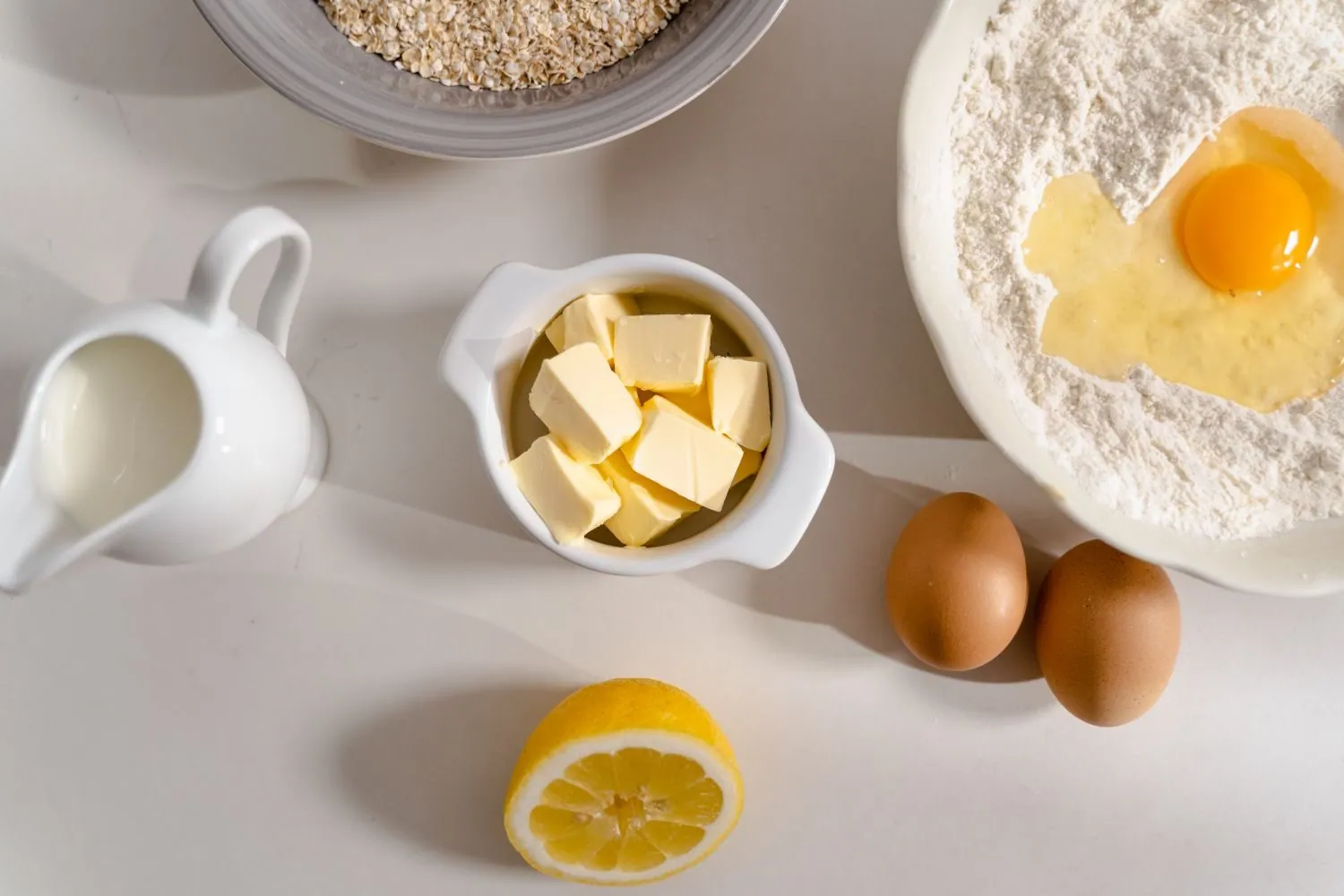
If you want to go deeper on how carbohydrate quality changes your blood sugar, read our explainer on glycemic index and glycemic load, and our piece on how sugar affects the body.
Do you need to eat every 2-3 hours to keep your metabolism going?
No. Over 24 hours, your metabolism depends mainly on body size, muscle mass, total food intake and activity, not on how many times you eat. Three balanced meals or five smaller ones burn about the same. Choose the pattern that keeps hunger and energy steady, usually 3 meals and 1-2 snacks.
Small meals cause small, short rises in energy use from digestion, and large meals cause bigger, longer ones. By night the totals roughly even out. The “grazing” advice also backfires in practice: a tea-and-biscuit every two hours can quietly add 300-400 kcal without ever feeling like a meal.
A gap of 3-5 hours between meals is perfectly normal. If you get headaches, shakiness or a sharp energy drop between meals, a protein-rich snack such as roasted chana, curd or a boiled egg can help. If you have diabetes or take medication for blood sugar, do not change your meal timing without asking your doctor first.
Myth check: is brown or multigrain bread really healthier than white bread?
Not always. Brown and multigrain bread are only as healthy as the flour inside. A slice of true whole wheat bread gives roughly 2-3 g of fibre, while white bread gives under 1 g. Many brown loaves list refined flour (maida) first and use colouring, so read the ingredient list, not the front label.
“Multigrain” only means more than one grain is present, not that any are whole. A loaf can be mostly maida with a few seeds on top and still carry the word. The same goes for “brown” and “wheat” bread.
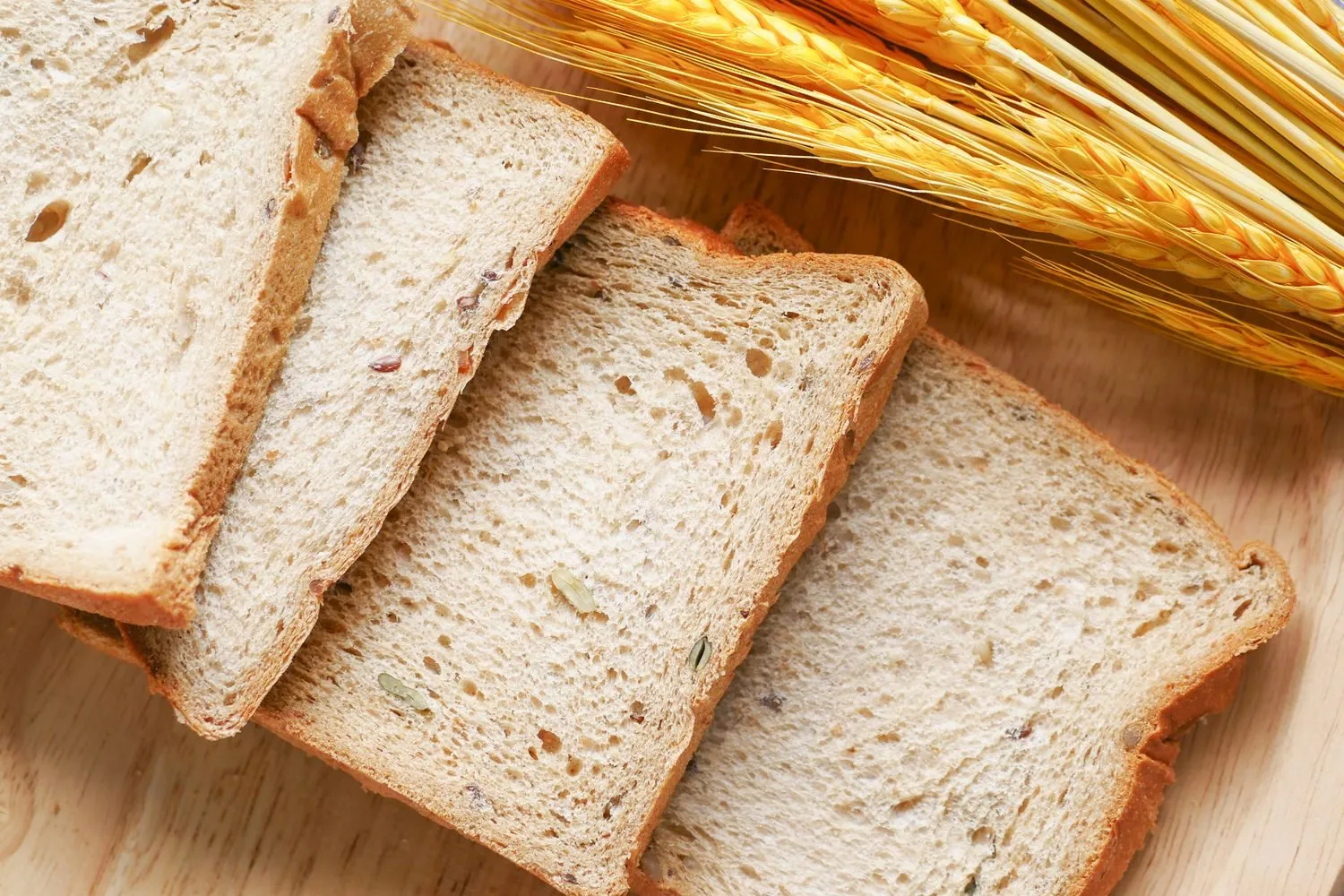
- Check the first ingredient. It should read whole wheat flour (atta) or whole grain, not “wheat flour” or maida.
- Check the fibre. Aim for about 3 g per slice or more.
- Check for sugar. Added sugar or caramel colour high on the list is a warning sign.
- Remember the alternatives. A homemade whole wheat roti, a jowar or bajra bhakri, or a vegetable poha is often a better everyday choice than packaged bread of any colour.
Does a high-protein diet damage your kidneys?
For people with healthy kidneys, eating protein within normal ranges of roughly 0.8 to 1.6 g per kg of body weight a day is not known to cause kidney damage. People who already have kidney disease are different and need an individual protein limit set by their doctor or dietitian.
The lower end, about 0.8-1 g per kg, suits most sedentary adults. The higher end suits people who train regularly. For a 60 kg person that works out to roughly 48-60 g a day when sedentary, and about 70-95 g when training. Drink water through the day and spread protein across meals rather than loading it into dinner.
See your doctor or a registered dietitian first if you have known kidney disease, reduced kidney function on a blood test, diabetes with kidney complications, or you are unsure. Do not start protein supplements on your own in these cases.
Protein in everyday Indian foods: what a vegetarian day can look like
The belief that vegetarians cannot get enough protein is a myth, but it is true that you have to plan for it. Protein usually sits in small amounts in many foods rather than one big source, so each meal needs something from the list below. Our guide to vegan nutrition covers the fully plant-based version.
| Food | Portion | Protein (about) |
|---|---|---|
| Milk | 1 glass (250 ml) | 8 g |
| Curd | 1 katori (150 g) | 5-6 g |
| Cooked dal | 1 katori (150 g) | 7-9 g |
| Cooked chana or rajma | 1 katori (150 g) | 10-13 g |
| Paneer | 100 g | 18 g |
| Soya chunks (dry) | 30 g | about 15 g |
| Egg | 1 large | 6 g |
A vegetarian day of 1 glass of milk, 1 katori of dal, 1 katori of curd, 100 g of paneer and 30 g of soya chunks adds up to roughly 55 g of protein. Rotis and rice add another 10-15 g. That is within range for many adults, and the numbers move easily with portion size.
How to check a nutrition claim in four steps
Most myths share a pattern: a narrow finding turned into a universal rule. “Too much saturated fat can raise cholesterol” becomes “fat is bad”. Use this routine before you believe or forward the next one.
- Find the actual claim. “Flushes toxins”, “melts fat” and “boosts metabolism” cannot be measured, which is a red flag in itself. Your liver and kidneys already clear waste every day.
- Ask who is selling. If the person making the claim also sells the powder, juice or program, treat it as an advertisement.
- Test it against the basics. Does it still make sense once you consider portions, fibre, protein, sleep and activity? Real advice rarely needs a single magic food.
- Look for a quick-fix promise. Results measured in days with no effort are usually water loss or marketing. Slow, repeatable habits are what last, and our guide to healthy eating habits to build is a good place to start.
When myth-busting is not enough: who needs personal advice
General facts help, but they are not a plan for your body. Get individual guidance if you have PCOS, thyroid problems, diabetes, high blood pressure, kidney or liver conditions, are pregnant or breastfeeding, or are feeding a child with special needs. The same applies if you have ever had a difficult relationship with food.
If you already changed your diet because of a myth and now feel dizzy, weak, constantly hungry or irritable, go back to three regular meals with a protein source in each and see how you feel over a week. If symptoms continue, speak to a doctor rather than trying another trend. If your goal is fat loss in particular, an online weight loss trainer can pair a safe eating plan with workouts, and no honest coach will promise a guaranteed number on the scale.
Frequently Asked Questions
Is it true that eating late at night causes weight gain?
Not directly. Weight depends on total calories across the day, not the clock. Late dinners are linked with gain mainly because they come with extra snacking and larger portions. A balanced dinner finished about 2-3 hours before sleep is fine for most people.
Is jaggery or brown sugar healthier than white sugar?
Only slightly, and not enough to matter. Jaggery and brown sugar carry traces of minerals, but 1 teaspoon (5 g) still gives about 20 kcal, much like white sugar. Treat all of them as added sugar and keep portions small.
Does “natural” on a food label mean healthy?
No. “Natural” has no reliable meaning on many packs and says nothing about sugar, salt or refinement. Ignore the front-of-pack wording and read the ingredient list and nutrition table instead.
Does organic food have more nutrients than regular food?
Not in any meaningful way. Vitamin and mineral content is broadly similar. People choose organic for farming or pesticide reasons. Eating more fruit and vegetables, washed well, matters more for health than the label.
Is MSG (ajinomoto) safe to eat?
At normal amounts in food, authorities generally consider it safe, though it is not recommended for infants. Very large amounts may cause brief headache or flushing in some people. The bigger concern in instant noodles and sauces is usually the total salt.
Not sure which of these nutrition myths is shaping your plate? Book an online nutritionist consultation and get your usual Indian meals reviewed against your own goals and health history.


