
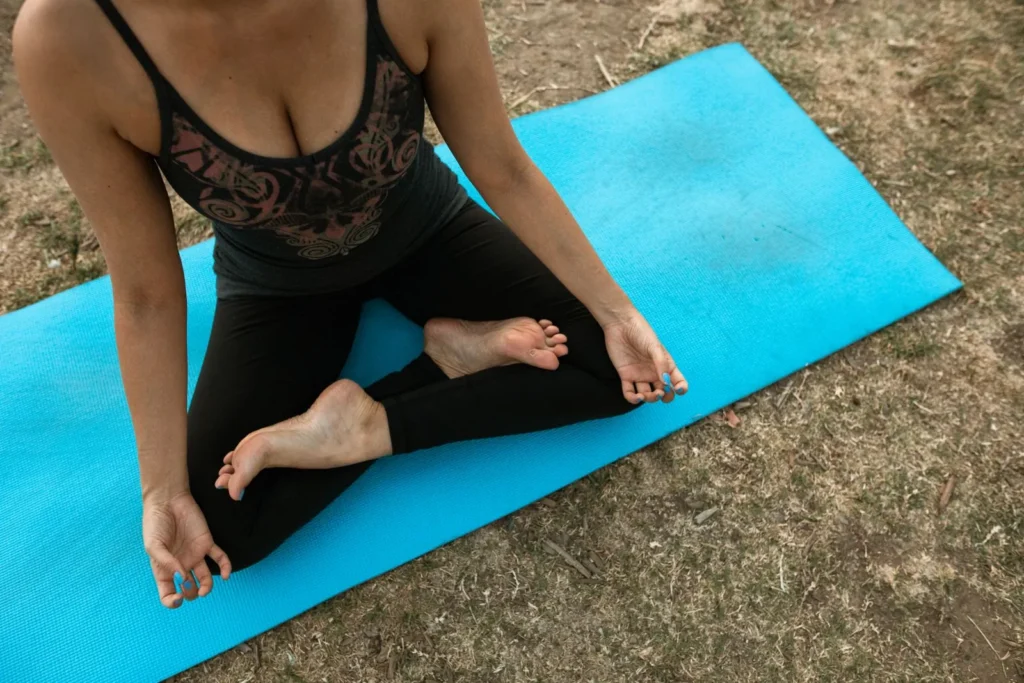
A digital detox with yoga swaps the willpower fight for a physical routine: your hands, breath and attention get another job while the phone sits in a different room. Instead of a harsh cold-turkey ban, you set short screen-free windows and fill them with gentle movement and slow breathing. This guide gives you a 20-minute sequence, a 7-day plan, alignment cues, modifications and a plain list of who should adjust or skip parts of it. It is a habit tool, not a treatment for any medical or mental health condition.
What is a digital detox with yoga, and does it work?
A digital detox with yoga means setting fixed screen-free windows, usually 15 to 30 minutes at first, and filling them with gentle asana, slow breathing and brief stillness. Many people find it easier than going cold turkey because the urge to check has somewhere to go. It supports a habit change; it does not cure screen overuse.
Phones are built around quick rewards: a like, a reply, the next reel. The reach often happens before you decide anything. Yoga helps in practical ways. You cannot hold a plank and scroll. Slow breathing gives your body a calming cue. And noticing body sensations can make the itch to check easier to spot. If your checking is driven by worry, our guide to yoga for anxiety goes deeper.
Myth check: you must delete every app or go offline for a week
- Myth: you have to quit your phone completely. Time-boxed windows work better: the first 20 minutes after waking, one meal a day, the last 30 minutes before bed. Work calls and family messages still need to function.
- Myth: following an online yoga class defeats the purpose. It does not, if you use the screen only for the class and close it as soon as the session ends.
- Myth: one slip means you failed. A slip is information. Note the trigger (boredom, a WhatsApp group, a stressful email) and plan for it tomorrow.
- Myth: yoga fixes the habit by itself. It helps, but practical rules matter as much: phone out of the room and non-essential notifications off.
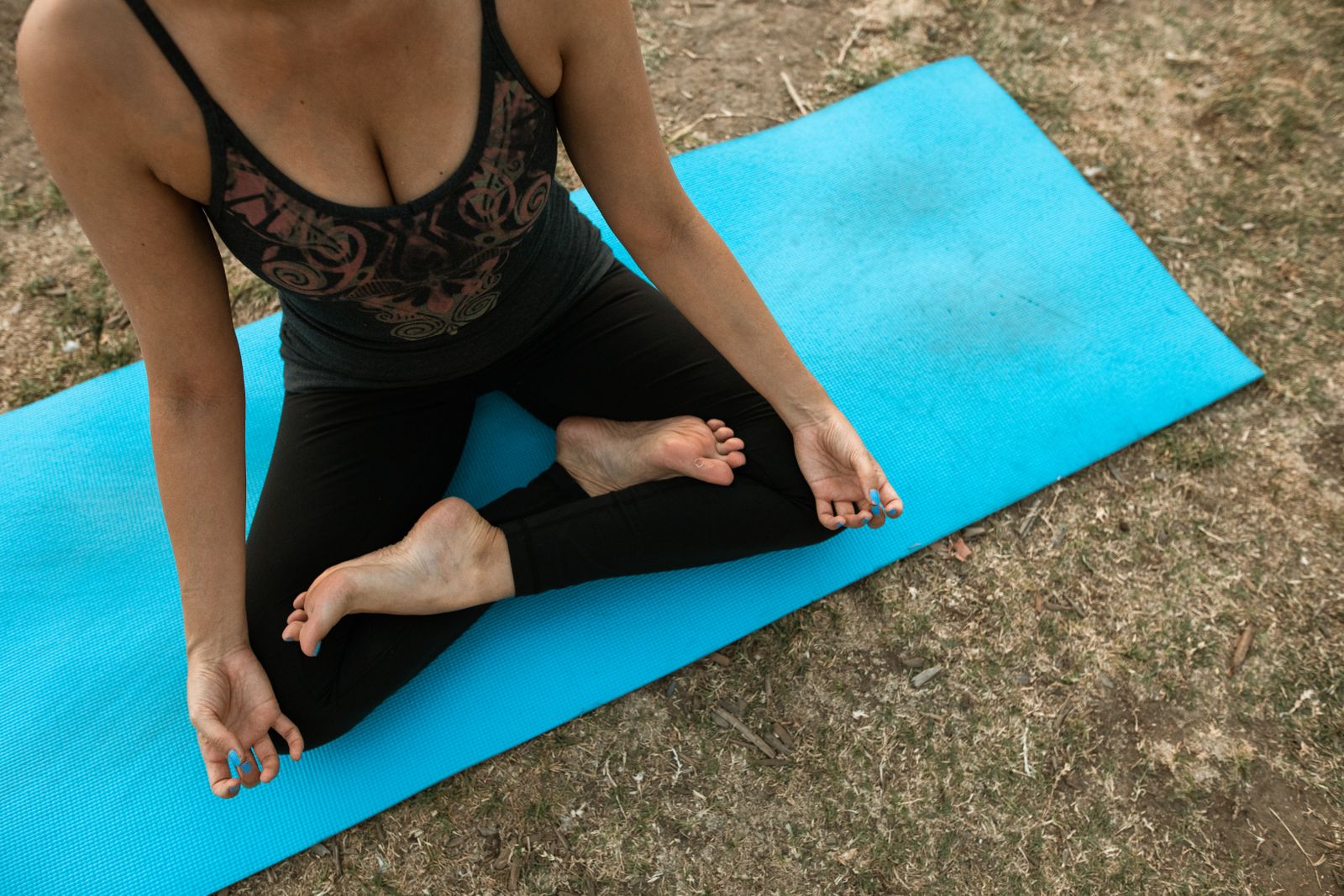
Yoga styles compared by screen habit
Slower, quieter styles usually suit a detox better than fast, music-driven classes, because the aim is settling down, not burning calories. Match the style to your habit.
| Style | Best for this screen habit | Typical session | Modification or caution |
|---|---|---|---|
| Hatha yoga | Beginners, morning phone checking in bed | 15-30 minutes | Keep holds short at first; bend knees in forward folds |
| Vinyasa yoga | Restless, wired energy after long work calls | 20-30 minutes | Slow the pace; step back instead of jumping; skip if wrists or shoulders hurt |
| Restorative yoga | Late-night scrolling before sleep | 15-25 minutes | Use pillows or folded blankets; check with your doctor before supported inversions if you have eye or blood pressure concerns |
| Yin yoga | Constant fidgeting and boredom | 20-30 minutes | Hold 1-3 minutes, not longer, at the start; avoid pushing into joint pain |
| Chair-based stretches | Desk work, back-to-back video calls | 2-5 minutes between meetings | Feet flat, spine tall; stop if neck or back pain increases |
A 20-minute screen-free yoga sequence, step by step
Keep your phone in another room and use a wall clock or kitchen timer. A mat, a folded blanket and a cushion are enough. Move slowly, breathe through the nose, and stay in a range where your breath stays smooth.
| Minutes | Practice | Alignment cue | Modification |
|---|---|---|---|
| 0-3 | Easy seat, breath awareness | Sit on a folded blanket so hips sit above knees; lengthen the spine, soften the jaw | Sit on a chair or lean your back against a wall |
| 3-7 | Cat-cow and seated side bends | Hands under shoulders, knees under hips; move with the breath, not past it | Make fists or use forearms for sore wrists; pad the knees |
| 7-10 | Gentle neck and shoulder release | Tip one ear towards the shoulder without lifting the shoulder; roll shoulders back and down | Skip neck circles if you feel dizzy or have a neck injury |
| 10-14 | Child’s pose, then forward fold | Knees wide, forehead on a cushion; in the fold, bend the knees and let the head hang heavy | Place a rolled blanket behind the knees; keep the knees wide in pregnancy |
| 14-17 | Sphinx pose or low cobra | Elbows under shoulders, shoulder blades gliding down the back, chest lifting only slightly | Skip in pregnancy or if the lower back pinches; see yoga for back pain for gentler options |
| 17-20 | Legs on a chair or wall, then slow exhales | Lie back with calves on a chair seat; inhale about 4 counts, exhale about 6 | Lie on your side with a pillow between the knees if lying flat is uncomfortable |
Four or five sessions a week usually matter more than one long weekly class. If 20 minutes feels like too much, do the first three rows and stop. For help setting up a corner at home, see yoga at home.
What does a 7-day digital detox yoga plan look like?
A 7-day plan starts small: about 15 phone-free minutes after waking and 10 minutes of yoga on day 1, building to a two-hour screen-free block and the full 20-minute sequence by day 7. Each day adds one rule, such as no phone at one meal. If a day feels too big, repeat the previous day.
| Day | Screen rule | Yoga practice |
|---|---|---|
| 1 | Phone charges outside the bedroom; first 15 minutes after waking are screen-free | 10 minutes: easy seat and cat-cow |
| 2 | Add one phone-free meal (dinner works well) | 10-12 minutes: first four rows of the sequence |
| 3 | First 30 minutes after waking are screen-free | Full 20-minute sequence |
| 4 | No scrolling for the last 30 minutes before bed | 10 minutes of restorative poses plus 5 minutes of slow breathing |
| 5 | Mute reels, shopping and news notifications; check them at two set times | 20 minutes of hatha-style practice |
| 6 | One 60-minute screen-free block, such as an evening walk or a tea break | Full sequence plus 5 minutes of seated stillness |
| 7 | One screen-free block of about two hours; write down what was hardest | Full sequence, then plan next week’s windows |
After day 7, keep the rules that felt easy and shrink the rest. A longer-term rhythm fits well with a self-care yoga routine.
Can breathing alone stop the urge to scroll?
Slow breathing can take the edge off the urge, but it will not remove it by itself. A simple three-breath reset, inhaling for about 4 counts and exhaling for about 6, takes under a minute and works anywhere. Many people use it as a pause before deciding whether to pick up the phone.
Here is how to do it. Sit or stand with the spine tall and the shoulders loose. Breathe in through the nose, letting the belly widen gently. Breathe out slowly through the nose or softly parted lips. Repeat three times, then ask yourself one question: do I need the phone right now, or do I just want something to do?
Keep it gentle. Skip breath-holds and forceful breathing techniques if you have high blood pressure, a heart condition, asthma or are pregnant, unless your doctor or an experienced teacher has cleared them for you. If a longer exhale makes you dizzy or more anxious, go back to natural breathing. For a few quiet minutes after your practice, meditation for beginners is a gentle next step.
Troubleshooting: when the detox does not go to plan
- You keep reaching for the phone mid-pose. Put it in a different room, not face-down beside the mat. Having it in view often makes the pull stronger.
- The first few days feel restless or boring. This is common. Keep sessions short and add a few extra slow breaths when restlessness peaks.
- Work needs you reachable. Use a focus mode that lets calls from key people through and mutes the rest, and tell colleagues your reply windows.
- You scrolled for an hour anyway. Stand up, do the three-breath reset and restart with the next window. Guilt tends to feed the habit.
- You feel worse, not better. If the detox brings strong anxiety, low mood or sleeplessness that does not ease after a couple of weeks, pause and speak to a doctor or mental health professional.
Adjusting the plan for desk workers, students and parents
Desk workers. Use two to five minutes between video calls for chair-based neck, shoulder and wrist stretches, and look at something far away for a minute. Our guide to yoga for screen time and posture has more desk-friendly moves.
Students. Pick one anchor: the last 30 minutes before bed are screen-free, with a short restorative practice instead. Use a wall clock for study timers.
Parents. Children copy what they see. A 10-minute practice while they do homework, with your phone visibly parked, does more than a lecture. Mute family WhatsApp groups for set hours instead of leaving them.
Teams. If your company is exploring this, a live session through online yoga classes gives a group guided structure rather than another reminder email.
Safety notes: who should modify or skip parts of this practice
Most healthy adults can follow the gentle sequence above, but some situations call for changes. This is general guidance, not medical advice.
- Neck or cervical spine problems, or dizziness: skip neck circles and deep side bends; keep neck movements small and slow.
- High or low blood pressure, heart conditions: avoid breath-holds, and ask your doctor before staying in positions where the head is below the heart or the legs are raised for long.
- Glaucoma or recent eye surgery: skip legs-up-the-wall and deep forward folds unless your eye specialist approves.
- Pregnancy: avoid lying on the belly and deep twists, keep knees wide in forward folds, and support the upper body with a bolster if lying back feels uncomfortable. Check with your doctor first.
- Knee, hip, wrist or shoulder pain: use props, shorten holds, and skip any pose that causes sharp pain.
- Recent surgery, injury or ongoing treatment: get clearance from your doctor before starting.
- Panic attacks, depression or heavy anxiety: slow breathing can feel uncomfortable at first. Go gently, stop if it makes things worse, and speak to a mental health professional if screen use is affecting your sleep, work or relationships.
If any pose or breathing exercise causes pain, dizziness, chest discomfort or breathlessness, stop and see your doctor.
How long before you notice a difference?
Many people notice smaller changes first, such as calmer evenings or less automatic checking, within one to two weeks of practising four to five times a week. Deeper changes in focus and mood usually take four to six weeks, and results vary from person to person. Treat these timelines as rough guides, not promises.
Sleep sometimes shifts earliest, simply because cutting late-night scrolling helps whether or not you do yoga. Showing up in a small way daily matters more than a perfect session. You can read more about the benefits of yoga for stress and wellbeing.
Frequently asked questions
Do I have to give up my phone completely for a digital detox with yoga?
No. Most people do better with time-boxed windows such as a phone-free morning, one meal a day or the last 30 minutes before bed. The aim is to change the automatic reach for the phone during set times, not to cut off work or family contact entirely.
What is the best time of day for screen-free yoga?
Choose the slot you can actually keep. A morning session before checking messages can prevent a rushed, anxious start, while an evening session can replace late-night scrolling. If you can only manage one, pick the time you most often reach for your phone without thinking.
Can I follow an online yoga class and still detox?
Yes, if you use the screen only for the class. Start the session, place the device at a distance or switch to audio, and close it as soon as the class ends. Keep notifications silenced during the class so the screen does not pull you elsewhere.
Is a 10-minute practice enough?
For the first week, yes. Ten minutes done on most days builds the habit more reliably than an hour done once. Once it feels automatic, you can extend to the full 20-minute sequence or add a few minutes of seated stillness.
Can yoga help with phone addiction?
Yoga is not a treatment for addiction or any mental health condition, but many people find it a helpful part of cutting back. It gives restless energy somewhere to go and builds awareness of the urge to check. If screen use is seriously affecting your sleep, work or mood, speak to a doctor or mental health professional.
Next step: pick one 20-minute slot this week, leave your phone in another room, and try the sequence once. If you want a teacher to check your alignment and adjust poses for your body, join a live session through Fitstrot’s online yoga classes.


