
A kidney disease diet plan is a set of eating rules matched to your CKD stage, your latest blood tests and whether you are on dialysis. No single version suits everyone, but a sample week can show what a low-salt, moderate-protein Indian day looks like. Treat the 7 day meal plan for kidney disease below as a template to discuss with your nephrologist or renal dietitian, not as a prescription.
This sample is written for an adult with stage 1 to 3 chronic kidney disease, not on dialysis, with normal potassium and phosphorus on recent blood tests. If you are on dialysis, have a transplant, have high potassium, or are in stage 4 or 5, the numbers here may be wrong for you. Never change or stop a medicine because of anything you read here. For wider background, start with our renal nutrition guide.
What is a kidney disease diet plan, and who is it for?
A kidney disease diet plan limits the nutrients your kidneys can no longer clear well, mainly sodium and, in some people, protein, potassium and phosphorus, while still feeding you enough to stay strong. In early CKD the focus is usually less salt and less processed food. Strict mineral limits apply only when blood tests show a problem.
A good plan has three jobs: keep blood pressure down, avoid piling extra waste onto kidneys that are already working harder, and prevent muscle loss and malnutrition. That last point surprises many people. Cutting food too hard is as risky as eating carelessly, which is why the plan should follow your reports and not a chart from social media.
How does a kidney disease diet plan change by CKD stage?
Stage changes the rules. In stages 1 to 3, protein is usually kept near 0.8 g per kg of body weight and sodium below about 2,000 mg a day. In stages 4 and 5 without dialysis, a doctor may lower protein further. On dialysis, protein needs usually rise to roughly 1.0 to 1.2 g per kg.
The table below shows why a copied chart can be dangerous: advice that protects one stage can harm another.
| Stage | Protein (typical) | Potassium | Phosphorus | Sodium and fluid |
|---|---|---|---|---|
| Stage 1 to 3, no dialysis | About 0.8 g per kg per day | Limit only if blood potassium is high | Limit only if blood phosphorus is high | Sodium under about 2,000 mg; fluid usually not restricted |
| Stage 4 to 5, no dialysis | Often about 0.6 to 0.8 g per kg, only if your doctor sets it | Often needs lab-guided limits | Commonly limited, around 800 to 1,000 mg if levels are high | Same sodium goal; fluid limit if you have swelling |
| Dialysis | Roughly 1.0 to 1.2 g per kg, higher than normal | Lab-guided, often stricter | Usually limited, with binders if prescribed | Same sodium goal; fluid limit set by your team |
| Kidney transplant | Set by your transplant team | Set by your transplant team | Set by your transplant team | Individual advice |
For a 60 kg adult in stages 1 to 3, 0.8 g per kg works out to roughly 48 g of protein a day. That is the figure the sample week below is built around. Our protein and nutrition guide explains how protein needs are worked out for healthy adults, which is a different calculation.
7 day meal plan for kidney disease: a sample Indian week (stages 1 to 3)
This 7 day meal plan for kidney patients assumes a 60 kg adult, normal potassium and phosphorus, no diabetes, and cooking with very little salt. Portions: 1 roti is about 30 g flour, 1 cup cooked rice is about 150 g, 1 katori dal is about 150 ml cooked, a vegetable serving is about 100 g cooked, and curd is 100 g. Protein totals are rough estimates, not lab-tested values.
| Day | Breakfast | Lunch | Snack | Dinner | Protein (about) |
|---|---|---|---|---|---|
| Mon | Vegetable poha, 1 apple | 2 roti, thin moong dal, lauki sabzi, 100 g curd | 20 g unsalted roasted makhana | 1 cup rice, cabbage-carrot sabzi, egg bhurji (1 egg, 2 whites) | 40 g |
| Tue | 2 idli, half katori thin sambar | 2 roti, 50 g paneer bhurji with cauliflower, cucumber raita | 1 pear | 1 cup rice, thin toor dal, ridge gourd sabzi | 40 g |
| Wed | 2 small besan chilla, mint chutney (no salt) | 2 roti, 80 g fish curry (no tomato), bhindi | 1 apple | 1 cup vegetable khichdi, 100 g curd | 47 g |
| Thu | 1 cup vegetable upma, small papaya bowl | 2 roti, chana dal, lauki, salad | Unsalted makhana | 1 cup rice, 80 g home-cooked chicken, cabbage stir-fry | 49 g |
| Fri | 2 plain dosa, coriander chutney | 2 roti, moong dal, tinda sabzi, 100 g curd | 20 g makhana | 1 cup pulao, 50 g paneer tikka, salad | 40 g |
| Sat | Vegetable omelette (1 egg, 2 whites), 1 roti | 1 cup rice, thin toor dal, cabbage sabzi, 100 g curd | 1 pear | 2 roti, lauki-carrot sabzi, 50 g paneer | 47 g |
| Sun | 1 cup vermicelli upma | 1 cup rice, 80 g fish curry, cauliflower | Unsalted makhana | 2 roti, moong dal, lauki | 45 g |
Cook with at most a pinch of salt per dish and keep the salt shaker off the table. A whole day’s salt, including bread, curd and anything packaged, should stay near 5 g, about one level teaspoon. Drink fluids as your doctor advises; do not force extra water. The low-sodium diet plan and food list has more swaps.
How do you build one kidney-friendly Indian plate?
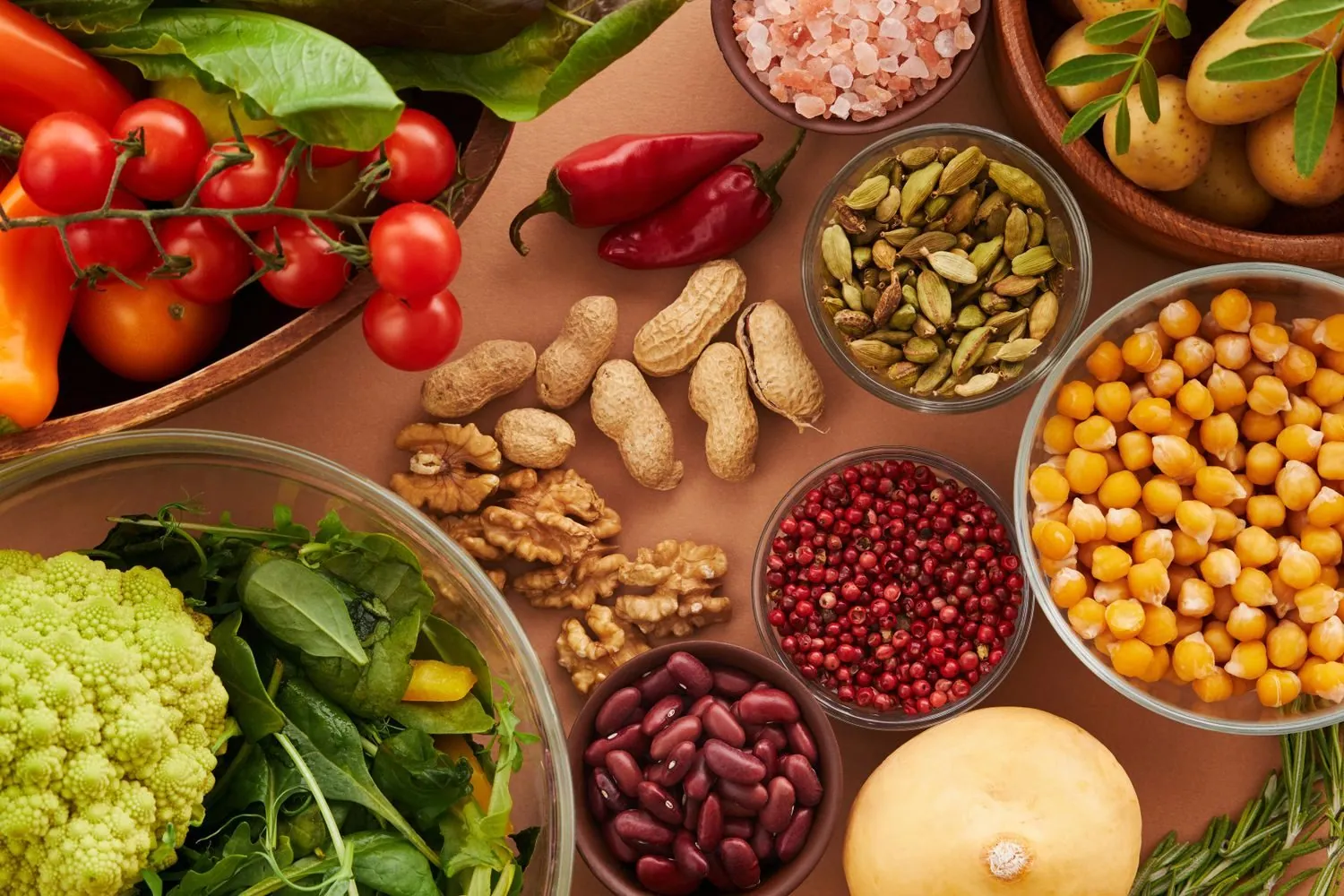
Fill half the plate with cooked, low-potassium vegetables such as lauki, cabbage or cauliflower, a quarter with rice or roti, and a quarter with one protein serving of about 15 to 25 g, such as 80 g fish, 50 g paneer or 1 katori dal. Season with lemon, garlic and herbs instead of salt.
- Pick one protein per meal. Spread protein across three meals instead of loading it all at dinner. Egg whites contain less phosphorus than whole eggs.
- Prepare vegetables to lower potassium. Peel and cut them small, soak in plenty of water for a few hours, then boil in fresh water and discard that water. This removes some potassium, not all.
- Measure the salt. Use a dedicated teaspoon and keep a daily total near 5 g.
- Flavour without salt. Jeera, hing, coriander, curry leaves, ginger, garlic and lemon carry a lot of taste. Avoid potassium-chloride salt substitutes unless your doctor approves them.
- Keep energy up. Rice, roti, upma and poha supply the calories that stop your body from burning muscle for fuel.
Which foods need a second look, and what can you eat instead?
Worth a second look are salty foods (pickles, papad, namkeen, instant noodles), high-potassium foods if your levels are high (banana, coconut water, potato, tomato, spinach, orange), and phosphorus-heavy items (colas, processed cheese, packaged snacks). Swapping rather than banning keeps meals familiar. Always check against your own lab results.
| Food or habit | Why it matters | Kidney-friendlier swap |
|---|---|---|
| Pickles, papad, namkeen | Very high sodium; raises blood pressure and fluid retention | Fresh salad with lemon, unsalted roasted makhana |
| Banana, coconut water, orange | High potassium; matters only if your blood level is high | Apple, pear, small bowl of papaya |
| Potato, tomato, spinach | High potassium | Cabbage, cauliflower, lauki, ridge gourd, leached and boiled |
| Colas, packaged snacks, processed cheese | Phosphate additives are absorbed readily | Plain water, unsalted nimbu pani, home-made snacks |
| Instant noodles, ready masalas, stock cubes | Hidden sodium and additives | Home-made masala powders without salt |
| Potassium-chloride salt substitutes | Can push potassium dangerously high in some patients | Herbs, lemon, garlic; ask your doctor first |
Myth check: kidney patients must give up protein, dal and all fruit
Myth: protein is banned. In stages 1 to 3, moderate protein is normal, and on dialysis you often need more. Too little protein causes muscle loss and weakness. Myth: dal and fruit are off the menu. Limits depend on your blood potassium and phosphorus, and plant foods are often fine in sensible portions.
Myth: drink lots of water to flush the kidneys. In later stages or with swelling, extra fluid can be harmful, and your doctor sets the target. Myth: herbal or ayurvedic kidney cleanses repair damage. There is no reliable proof, and some unregulated products can harm kidneys. Tell your nephrologist before taking any of them.
What if your reports do not match the sample week?
- High blood potassium: the fruit and vegetable choices above may still be too generous. Ask for a tighter, lab-guided list.
- High blood phosphorus: processed foods, colas and dairy portions matter more, and your doctor may add medication. Do not adjust it yourself.
- Poor appetite or weight loss: eat smaller, more frequent meals and report it, since under-eating is a real risk.
- Swelling or breathlessness: salt and fluid need review quickly.
- On dialysis: discard the protein numbers in this article and follow your dialysis dietitian.
Kidney disease diet plan for vegetarians, diabetics and high blood pressure
Vegetarians can follow the sample by using dal, curd and paneer as protein anchors; rajma, soya and nuts are higher in potassium and phosphorus, so check with your dietitian first. If you also have diabetes, spread carbohydrates evenly and read our diabetes nutrition guide and 7-day diabetes meal plan, then merge the two with professional help. With high blood pressure, salt control is the biggest lever; see our diet plan for high blood pressure.
When should you see a doctor or dietitian about kidney disease food?
See your doctor or a registered renal dietitian before starting any kidney diet, and urgently if you notice swelling in the legs or face, much less urine than usual, breathlessness, persistent nausea, muscle cramps or an irregular heartbeat. Recheck labs every few months, or as advised, because potassium, phosphorus and eGFR drive the plan.
Take your latest reports to every appointment, list the foods you eat often, and ask which numbers you should track. Online plans, including this one, cannot see your blood tests. Nothing here guarantees slower progression; diet supports treatment, it does not replace it.

Frequently asked questions
Can I follow this 7 day meal plan for kidney patients if I am on dialysis?
No. The sample is for stage 1 to 3 CKD without dialysis. Dialysis usually raises protein needs and tightens potassium, phosphorus and fluid limits. Follow the plan from your dialysis dietitian and nephrologist instead.
How much protein should I eat with kidney disease?
In stages 1 to 3, about 0.8 g per kg of body weight a day is common, roughly 48 g for a 60 kg adult. Later stages without dialysis may be lower, and dialysis often raises it to about 1.0 to 1.2 g per kg. Your doctor sets the final figure.
Is dal safe for kidney patients?
Usually yes in sensible portions. One katori of moong or toor dal gives about 6 g protein. Thin dal is easier on potassium and salt. If your blood potassium or phosphorus is high, your dietitian may reduce the portion or the variety.
Which fruits are generally lower in potassium?
Apple, pear, papaya in small portions and berries are usually lower than banana, orange or coconut water. Portion matters more than the fruit name, and you may not need to restrict potassium at all if your levels are normal.
How much salt can I have in a day with kidney disease?
Many people are advised to keep sodium under about 2,000 mg a day, which is roughly 5 g or one level teaspoon of salt from all sources, including bread, curd, pickles and packaged food. Your target may differ, so confirm it with your doctor.
Bring your latest eGFR, potassium and phosphorus reports and book an online nutritionist consultation with Fitstrot to turn this sample week into meals you can cook at home, alongside your nephrologist’s advice.


