
Low sodium diet foods are the ingredients that let you keep your total intake under 2,000 mg of sodium a day, which is the same as 5 g of salt, or roughly one level teaspoon. Most of them are already in an Indian kitchen: fresh dal, atta, rice, milk, seasonal sabzi and fruit are naturally very low in sodium. What pushes most of us over the line is the salt we add while cooking, and after that the pickles, papads, namkeen and packaged sauces on the side.
Below: sodium in mg for everyday Indian ingredients (ICMR-NIN data), an eat/limit list, a 7-day menu and a label guide. A note before you start: if you have high blood pressure, heart failure, kidney disease or liver disease, or you take diuretics or other blood pressure medicines, ask your doctor for your personal sodium target before you change anything. Don’t change or stop any medicine on your own because you’ve started eating less salt.
How much sodium counts as “low” for an Indian adult?
For a healthy adult, “low sodium” means staying under 2,000 mg of sodium a day, which is about 5 g of salt. That’s the WHO recommendation (fact sheet updated 2026), and ICMR-NIN’s 2024 dietary guidelines give the same 5 g salt ceiling.
For context, the WHO puts the global average in 2021 at 4,278 mg of sodium a day (about 11 g of salt), more than double the limit. It links excess sodium to an estimated 1.7 million deaths in 2023. Indian data is not much better. In the ICMR’s National NCD Monitoring Survey, researchers tested urine samples from 3,000 adults and estimated average salt intake at 8.0 g a day (8.9 g for men, 7.1 g for women), published in 2023.
Conversion: salt is about 40% sodium, so 1 g of salt carries about 400 mg of sodium.
Where the salt in an Indian diet actually comes from
Western advice focuses on processed food. The Indian pattern is different: a George Institute study of 1,283 people in North and South India found that salt added during cooking and at the table made up 83.5% of salt intake in the North and 87.7% in the South (Nutrients, 2019).
The ICMR-NIN Dietary Guidelines for Indians (2024) say the same thing from the other direction. A normal diet gives you only about 300–400 mg of sodium a day from the foods themselves, which is less than 10% of what most people end up eating. Nearly all the rest comes from salt added in cooking or processing.
- The salt dabba matters most. Measuring the salt that goes into dal, sabzi, raita and atta dough will do more than any special food you could buy.
- Side dishes add up. ICMR-NIN specifically lists papads, snack foods, savouries, sauces, ketchup, salted butter, cheese, salted dry fish and salted nuts as high-salt foods.
Low sodium foods: sodium chart for everyday Indian ingredients
These numbers come from Indian Food Composition Tables 2017 (ICMR-NIN), which measured foods sampled from six regions of India. All values are per 100 g of raw, unsalted food.
| Food group | Food (raw) | Sodium, mg/100 g | What it means |
|---|---|---|---|
| Cereals & millets | Wheat flour (atta) | 2.0 | Very low. Roti is salt-free unless you add salt to the dough |
| Rice, raw, milled | 2.3 | Very low. Cook it without salt | |
| Pulses | Moong dal | 10.1 | Very low |
| Toor (arhar) dal | 18.0 | Very low | |
| Chana dal | 20.8 | Very low | |
| Vegetables | Bottle gourd (lauki) | 1.5 | Almost none |
| Potato | 4.1 | Very low. Watch the salted fries and chips | |
| Tomato, ripe | 9.7 | Very low | |
| Spinach (palak) | 42.6 | Naturally higher, still low | |
| Beetroot | 69.4 | One of the highest vegetables, still low | |
| Fruits | Banana (robusta) | 0.9 | Almost none |
| Guava | 2.9 | Almost none | |
| Milk & dairy | Cow milk, whole | 25.5 | Low |
| Paneer | 18.0 | Low. Fresh paneer isn’t salted, unlike processed cheese | |
| Eggs, meat, fish | Chicken breast, skinless | 36.7 | Low before marinating |
| Rohu fish | 35.6 | Low before marinating | |
| Egg, whole, raw | 123 | Moderate. About 60 mg in a 50 g egg | |
| Nuts & others | Almond | 1.5 | Almost none if unsalted |
| Groundnut | 12.2 | Low if raw or dry-roasted without salt |
Compare that with salt: every gram adds about 400 mg of sodium. That’s why the plan below controls the salt you add, not the dal.
Low sodium diet list: eat freely, measure, or save for occasions
This list sorts common Indian foods by how much sodium they usually bring to the plate. The packaged-food numbers are averages from a study of 5,686 products sold in Delhi and Hyderabad supermarkets. In that study, sauces and spreads averaged 2,217 mg of sodium per 100 g and convenience foods 1,344 mg per 100 g (Public Health Nutrition, 2017). Only 32% of products listed sodium at all.
| Category | Eat freely (no salt added) | Measure it | Occasional, or skip if your doctor has set a strict limit |
|---|---|---|---|
| Grains | Plain rice, roti made without salt, poha, oats, millets (ragi, jowar, bajra) | Upma, dosa or idli batter (salt goes into the batter) | Instant noodles and pasta with tastemaker sachets, bakery bread, rusks |
| Pulses | Any dal, chana or rajma cooked from dry | Salt in the dal. Add it after cooking so you can measure it | Ready-to-eat dal and chana packets, masala-coated roasted chana |
| Vegetables | All fresh or frozen plain vegetables, salad | Sabzi salt, chaat masala (it often contains salt) | Pickles (achar), salted dried vegetables, canned vegetables in brine |
| Dairy | Milk, plain curd, fresh paneer | Buttermilk and raita (salt and kala namak go in) | Processed cheese slices and spreads, salted butter |
| Protein | Fresh eggs, chicken, fish | Marinades (use lemon, ginger-garlic, curd) | Salted dry fish, sausages, ham, frozen nuggets |
| Snacks | Fruit, unsalted nuts, roasted makhana without salt, plain murmura | Home-made chivda with measured salt | Namkeen, bhujia, chips, papad, salted nuts |
| Sauces & condiments | Fresh mint, coriander, tamarind, lemon, spices | Home-made chutney with a small, measured pinch of salt | Ketchup, soy sauce, packet soups, bouillon cubes, instant masala mixes |
ICMR-NIN lists papads and preserved vegetables among high-salt foods, and achar uses salt as its preservative. Amounts vary by brand and recipe, so check the label, and assume home-made versions are high.
Myth check: sendha namak, kala namak and “healthy” salts
Rock salt (sendha namak), black salt (kala namak) and sea salt are not low-sodium salts. ICMR-NIN’s 2024 guidelines say their sodium content is “almost similar” to ordinary table salt. Swapping one for another gives you a different taste but about the same amount of sodium.
- “I don’t eat much salt because I don’t sprinkle it at the table.” In India, most salt goes in during cooking, so salt you never see at the table still counts.
- “Low sodium means bland food.” Your taste for salt is learned, and ICMR-NIN says it can be unlearned. Cut back gradually and keep sour, spicy and aromatic flavours strong.
- “Skipping salt completely is safest.” Not for most people. ICMR-NIN advises using iodised salt, because it’s the main source of iodine in the Indian diet. The goal is less salt, not zero, unless your doctor says otherwise.
- “Baking soda doesn’t count.” It does. Baking soda (sodium bicarbonate), baking powder and MSG (ajinomoto) all contain sodium. ICMR-NIN names each as a hidden sodium source.
Your 7-day low sodium diet plan (Indian menu)
This plan is built around a daily salt budget of about 4 g of added salt per person, a little under one level teaspoon. At roughly 400 mg of sodium per gram of salt, that’s about 1,600 mg of sodium. Add the 300–400 mg that ICMR-NIN says the food itself provides, and you land close to the WHO’s 2,000 mg limit. If your doctor has given you a lower target, reduce the salt budget to match.
How to use it: each morning, measure the household’s salt into a small katori (4 g × number of adults). Cook from that katori only. When it’s empty, you’ve used the day’s salt.
| Day | Breakfast | Lunch | Evening snack | Dinner | Salt-saving move |
|---|---|---|---|---|---|
| Mon | Vegetable poha with peanuts, lemon and curry leaves | 2 rotis made without salt, moong dal, lauki sabzi, cucumber salad | 1 guava + a handful of unsalted almonds | Jeera rice, palak paneer (fresh paneer), plain curd | Roti dough without salt saves salt at every meal |
| Tue | Oats cooked in milk with banana and cinnamon | Rice, toor dal with tomato and tadka, bhindi sabzi | Roasted makhana with pepper, no salt | Ragi dosa, coconut-coriander chutney with a pinch of salt | Season the dal after cooking so you can measure the salt |
| Wed | 2 boiled eggs or besan chilla with onion and ajwain | Rajma cooked from dry beans, brown rice, onion-tomato kachumber with lemon | Buttermilk with roasted jeera and mint, no salt | Roti, mixed vegetable curry, masoor dal | Lemon and roasted jeera make buttermilk taste good without salt |
| Thu | Idli with sambar (measure the batter salt: ½ g per person) | Rice, fish or chana curry with kokum or tamarind, beans poriyal | 1 apple + plain murmura | Jowar roti, methi-aloo, plain curd | Sour flavours (kokum, tamarind) make food taste less flat with less salt |
| Fri | Vegetable upma with plenty of ginger and green chilli | Roti, chole cooked from dry chana with anardana, carrot-beet salad | Fruit bowl with chaat-style lemon and pepper, no chaat masala | Khichdi (moong dal + rice) with ghee and cumin, curd | Replace packet chole masala with your own dry-roasted spices |
| Sat | Paneer bhurji with capsicum, 1 multigrain roti | Veg pulao with peas, cucumber raita with roasted jeera | Unsalted roasted peanuts or chana | Grilled chicken or tofu with ginger-garlic-curd marinade, sautéed vegetables | Marinate with curd and spices. Add salt only at the table, measured |
| Sun | Moong dal cheela with mint chutney | A small family feast: dal, 2 sabzis, rice, roti. Keep achar and papad to one small portion, or leave them out | Coconut water | Light dinner: vegetable soup made without a stock cube, roti | A home-made spice blend replaces stock cubes and packet soups |
Vegetarians: pick chilla on day 3 and tofu on day 6. If cholesterol is also a concern, see our diet plan to lower cholesterol. For more protein ideas that don’t come from salty packaged snacks, use the high-protein vegetarian foods list.
Reading a packet label in 30 seconds
Indian labels that show sodium give it in mg; the NHS thresholds use salt in grams. Multiply sodium by 2.5 to get salt. Then use the NHS food-label thresholds to judge any product, whether it’s namkeen, bread or bottled sauce:
| Rating | Salt per 100 g | Sodium per 100 g | What to do |
|---|---|---|---|
| Low | 0.3 g or less | 100 mg or less | Fine for everyday use |
| Medium | 0.3–1.5 g | 100–600 mg | Check how much you actually eat in one serving |
| High | More than 1.5 g | More than 600 mg | Occasional use. Count it against your daily budget |
Three label habits that help:
- Check per serving: 30 g of namkeen at 1,000 mg/100 g is 300 mg, about 15% of your day.
- Scan the ingredient list for salt, sodium, baking soda, sodium bicarbonate, monosodium glutamate (INS 621) and sodium benzoate.
- No sodium on the label? Assume it’s high. About two-thirds of products in the Delhi–Hyderabad survey didn’t list it.
Low sodium diet ideas that keep dal and sabzi tasty
Salt makes food taste brighter. Sour, pungent and aromatic ingredients can do much of that job:
- Acids: lemon, amchur, kokum, tamarind, added at the end.
- Tadka: jeera, rai, hing, curry leaves and garlic make dal taste fuller.
- Home spice blends: many ready-made masalas contain added salt.
- Fresh herbs: coriander, mint, suva (dill) and methi leaves.
- Salt at the end: many cooks find a measured sprinkle on top just before serving tastes stronger than salt stirred in early.
- Cut back in steps: reduce by roughly a quarter every week or two.
Salt substitute for low sodium diet: who should skip it
Lower-sodium salt substitutes replace part of the sodium chloride with potassium chloride. In 2025, the WHO issued a conditional recommendation for using them in place of regular table salt, but only for adults in the general population, excluding people with kidney impairment, people taking potassium-sparing diuretics or potassium supplements, pregnant women and children. If anyone in the household is at risk of high potassium, the WHO says shared family meals shouldn’t be cooked with a substitute. On BP medicines or with kidney disease, ask your doctor first.
Snacks for low sodium diet
Try fruit, unsalted almonds or peanuts, pepper-roasted makhana, murmura with onion and lemon, sprouts chaat with lemon and chilli, and unsalted jeera buttermilk. Keep bhujia, chips and packaged namkeen for occasions.
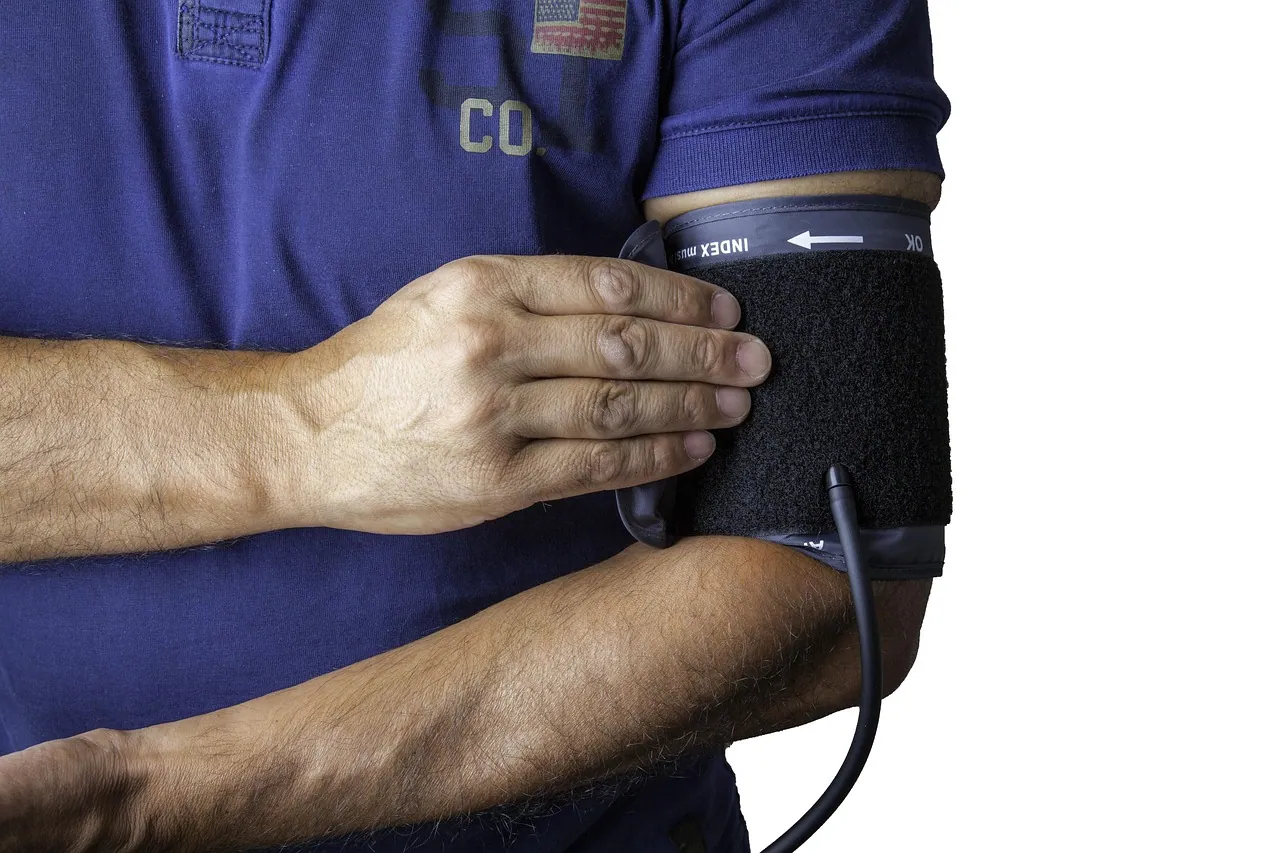
Low sodium diet for blood pressure: what the numbers show
A Cochrane review of 34 trials found that cutting salt by about 4.4 g a day for at least four weeks lowered blood pressure by about 5.4/2.8 mmHg in people with hypertension, and by 2.4/1.0 mmHg in people with normal blood pressure. That’s a modest but real effect, and it adds to the effect of medicines. It doesn’t replace them.
The He, Li and MacGregor meta-analysis (BMJ, 2013) covered 3,230 participants. Across all trials, systolic pressure fell by an average of 4.18 mmHg. For an Indian adult eating the national average of 8 g, a 4 g cut is exactly the gap to the WHO limit.
- The trials measured effects after four weeks or more. Give the change at least a month before you judge it.
- Log home BP readings and share them with your doctor, who decides any medicine change.
- Pair less salt with more potassium from food. ICMR-NIN notes that about 400 g of vegetables and 100 g of fruit a day helps meet the potassium requirement of around 3,800 mg, unless your doctor has restricted potassium.
Low sodium diet, heart failure and kidney disease: let your doctor set the number
With heart failure or chronic kidney disease, your sodium target, fluid limit and potassium limit should come from your cardiologist or nephrologist. Don’t copy a number from a website. Stricter isn’t automatically better. In a large 2022 heart-failure trial, cutting sodium below 1,500 mg a day did not reduce hospital visits or deaths.
That trial, SODIUM-HF (The Lancet, 2022), randomised 806 patients with stable heart failure. The low-sodium group brought their intake down to a median of 1,658 mg a day, compared with 2,073 mg in the usual-care group. After 12 months, cardiovascular hospital or emergency visits and deaths had occurred in 15% of the low-sodium group and 17% of the usual-care group, a difference that wasn’t statistically significant. Salt still matters; very strict limits simply need medical supervision.
- Follow the sodium and fluid numbers your care team gives you, and weigh yourself daily if they ask you to.
- With kidney disease, don’t use potassium-based salt substitutes unless your nephrologist approves them.
- Many “high-potassium” foods that help BP in healthy people, such as coconut water, bananas and dals, may need limits if you have advanced kidney disease. A qualified dietitian can plan around this, for example through Fitstrot’s online nutritionist consultation.
Troubleshooting: when the plan meets real life
“The family says the food is tasteless.”
Cut salt by about a quarter at a time, make the tadka and sour notes stronger, and keep a small measured salt bowl on the table.
“I eat lunch at the office canteen or order in.”
Control the rest of the day instead: low-salt breakfast and dinner at home, dal-rice or roti-sabzi over gravies and chaat, and leave the pickle and papad sachets unopened.
“My BP isn’t budging after two weeks.”
The trials measured results after four weeks or more. Look for hidden sources you might be missing: bread, biscuits, sauces, baking soda in batters, and salted buttermilk. If readings stay high, see your doctor; salt is only one cause of high BP.
“I also have acidity or gastritis.”
ICMR-NIN notes that too much salt can irritate the stomach lining. The same low-salt habits help here, and our 7-day meal plan for gastritis shows how to keep meals gentle on the stomach.
Frequently asked questions
How much salt is allowed on a low sodium diet?
For healthy adults, up to 5 g of salt a day (about 2,000 mg of sodium, or one level teaspoon), including the salt used in cooking. With heart failure or kidney disease, follow your doctor’s target.
Is sendha namak or kala namak better than regular salt?
No. ICMR-NIN’s 2024 guidelines say rock salt and black salt contain almost the same amount of sodium as table salt. Limit them the same way and use iodised salt for daily cooking.
Can I use a salt substitute if I have kidney disease?
Not without your doctor’s approval. Most substitutes contain potassium chloride. The WHO’s 2025 guideline excludes people with kidney impairment or on potassium-sparing medicines because of the risk of high blood potassium.
Which foods are naturally lowest in sodium?
According to IFCT 2017, fresh fruits (0.9–2.9 mg per 100 g), grains like atta and rice (about 2 mg), dals (10–21 mg) and most vegetables contain very little sodium. Most sodium comes from added salt.
Are milk, curd and paneer high in sodium?
No. IFCT 2017 lists cow milk at about 25 mg and fresh paneer at about 18 mg of sodium per 100 g. Processed cheese, salted butter and salted buttermilk are higher because salt is added.
How long does a low sodium diet take to lower blood pressure?
The Cochrane review behind these numbers included trials that lasted at least four weeks. Track home readings with your doctor and never adjust medicines yourself.
Do I still need iodised salt if I’m eating less salt?
Yes. ICMR-NIN recommends using iodised salt, because it’s the main source of iodine for most Indian families. Eat less of it; don’t drop it entirely unless your doctor advises.
Next step: if you have a BP, heart or kidney diagnosis and want your salt budget, potassium limit and 7-day menu worked out around your reports, book a Fitstrot online nutritionist consultation and bring your latest blood test results to the first call.


