
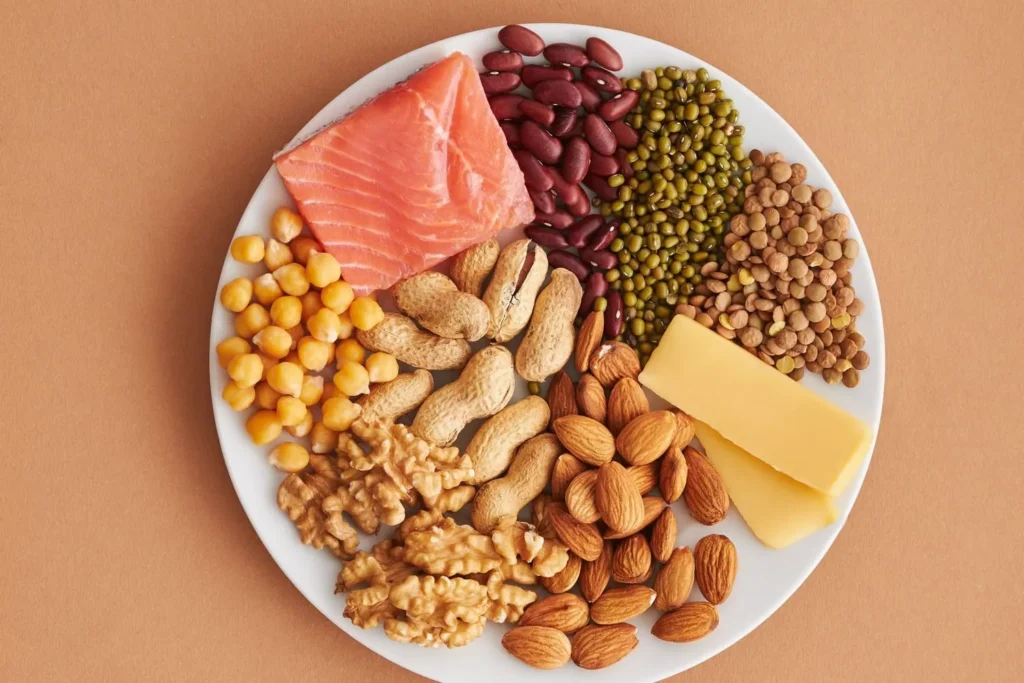
A good diet plan for menopause is not a crash diet or a list of banned foods. It is a steady daily pattern that gives you enough protein to protect muscle, enough calcium to look after bones, plenty of fibre and heart-friendly fats, using the dal, roti, sabzi, curd and seasonal fruit you already cook. Below you get daily targets, a 7-day Indian menopause diet chart, a no-dairy calcium table and fixes for common problems.
Please read first: this is general education, not medical advice. Food supports your health through menopause, but it does not replace hormone therapy, bone medicines or any other treatment your doctor prescribes. If you have a medical condition or take regular medicines, check the plan with your gynaecologist or doctor first.
What should you eat during menopause?
Build every main meal around three things: a protein source (dal, curd, paneer, eggs, fish, soya or sprouts), a fibre source (vegetables, whole grains, millets, fruit) and a calcium source (milk, curd, ragi, leafy greens, sesame). Keep refined flour, sugar, fried snacks and extra salt occasional. This pattern supports bones, muscle, heart and blood sugar together.
Falling estrogen is linked to faster bone loss in the first years after periods stop, a tendency to lose muscle and gain fat around the waist, and less favourable cholesterol. None of that is automatic or unavoidable, and food cannot reverse it on its own. But what you eat is the part you control every single day, which is why what to eat during menopause deserves a plan rather than guesswork.
How much protein, calcium and fibre do you need each day?
Many women after 50 do well on about 1 to 1.2 g of protein per kg of body weight (about 60 to 72 g for a 60 kg woman), roughly 1,000 to 1,200 mg of calcium and about 25 g or more of fibre daily. Your doctor or dietitian may adjust these for you.
| Nutrient | Rough daily target | Easy Indian sources | Simple habit |
|---|---|---|---|
| Protein | About 1 to 1.2 g per kg body weight | Dal, curd, paneer, eggs, fish, chana, soya chunks, sprouts | Aim for roughly 15 to 25 g at each main meal, not all at dinner |
| Calcium | Roughly 1,000 to 1,200 mg | Milk, curd, ragi, methi and amaranth leaves, sesame, almonds | One calcium source at every meal |
| Fibre | About 25 g or more | Vegetables, fruit with skin, dal, millets, oats, whole wheat | Add it gradually and drink water alongside |
| Vitamin D | Depends on your blood level | Sunlight, eggs, fish | Get it tested; supplement only if your doctor advises |
| Salt | Less than about 5 g (one level teaspoon) | Hidden in pickle, papad, namkeen, packaged snacks | Taste food before adding extra salt |
| Added fat | About 4 to 6 teaspoons oil or ghee in total | Mustard or groundnut oil, a little ghee, nuts | Measure the oil rather than pouring freely |
If the weight-based maths feels fussy, use a simpler rule for protein for menopause: a palm-sized portion of protein food at each main meal, plus a katori of dal or curd on the side.
A 7-day Indian diet plan for menopause, day by day
This Indian diet plan for menopause is vegetarian-friendly, with egg and fish options. Portions are rough: 1 katori is about 150 ml, 1 roti is medium-sized, and you should adjust amounts to your appetite, activity and doctor’s advice. It is a starting template, not a prescription.
| Day | Breakfast | Lunch | Evening snack | Dinner |
|---|---|---|---|---|
| Mon | 2 besan chillas with mint chutney, 1 glass milk | 2 roti, 1 katori moong dal, bhindi sabzi, salad, 1 katori curd | 1 guava, 8 to 10 almonds | Vegetable khichdi with extra dal, sauteed palak, buttermilk |
| Tue | Vegetable poha with peanuts, 1 katori curd | 1 katori rajma, 2 roti, lauki sabzi, salad | Sprouts chaat | Paneer bhurji (about 60 to 80 g), 1 ragi-wheat roti, cabbage sabzi |
| Wed | 2 ragi dosas with sambar | 2 roti, chole, seasonal sabzi, salad | Roasted makhana, unsweetened tea | Dal palak, 1 roti, lauki raita |
| Thu | Vegetable oats upma, 1 glass milk | Soya chunk curry, 2 roti, cucumber salad | 1 apple, small handful roasted chana | Moong dal soup, sauteed vegetables, 1 roti |
| Fri | 2-egg bhurji (or tofu bhurji) with 1 multigrain roti | 100 g fish curry (or sambar), small portion rice, beans poriyal | 1 katori curd with fruit | Vegetable dalia with dal, salad |
| Sat | 3 idli, sambar, small coconut chutney | 2 roti, arhar dal, methi sabzi, salad, curd | Roasted chana, 1 orange | Tawa paneer or tofu tikka, salad, 1 roti |
| Sun | 1 methi paratha (little oil), 1 katori curd | Vegetable and chana pulao, raita, salad | Fruit, 1 teaspoon sesame in a snack | Vegetable soup, paneer or egg sandwich on whole wheat bread |
Practical notes: swap paneer for 2 eggs or about 100 g cooked fish or chicken if you eat non-vegetarian food. Finish dinner two to three hours before bed. Keep tea and coffee modest and early in the day. Plan Sunday prep (soaked dal, chopped greens, roasted chana) so weekday meals stay simple.
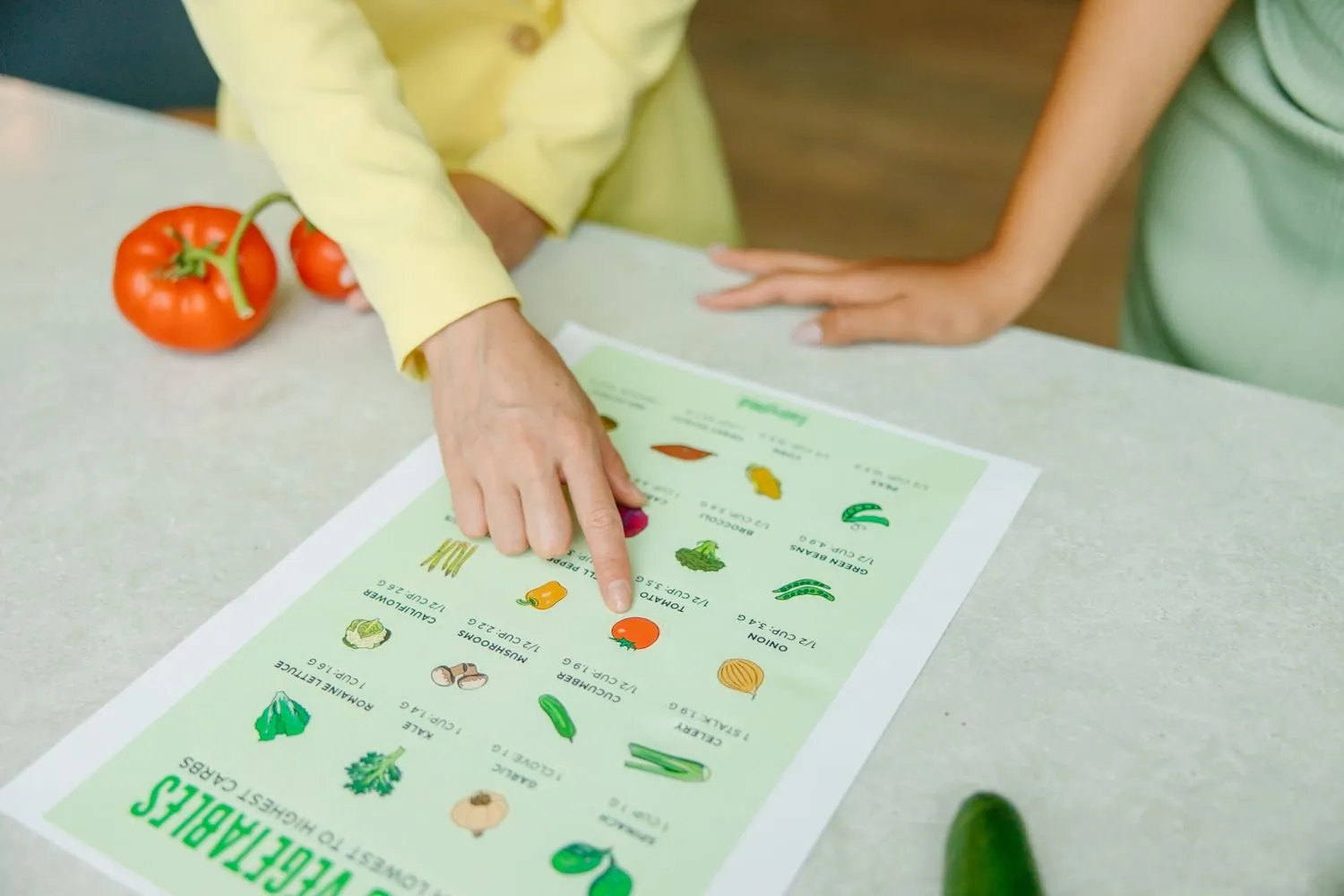
How do you get enough calcium without dairy?
You can cover a large share of your daily calcium without milk by combining ragi, sesame, leafy greens such as amaranth and methi, calcium-set tofu and almonds across the day. It takes planning because each food gives a modest amount, so aim for one calcium source at every meal rather than relying on one big serving.
| Food | Typical portion | Approx. calcium (rounded) |
|---|---|---|
| Milk | 1 glass (250 ml) | About 280 to 300 mg |
| Curd | 1 katori (150 g) | About 150 to 180 mg |
| Ragi flour | 50 g (about 1 roti or 1 dosa) | About 150 to 180 mg |
| Sesame seeds | 1 tablespoon | About 80 to 90 mg |
| Amaranth or methi leaves | 1 katori cooked | About 100 to 200 mg |
| Calcium-set tofu | 100 g | Varies widely, check the label |
| Almonds | 10 nuts | About 30 mg |
These are rounded estimates; they vary by brand, soil and cooking, and not all calcium in plant foods is absorbed equally well. Calcium also needs vitamin D to work, and low vitamin D is common in India even in sunny cities. A blood test is the only way to know yours. Ask your doctor before starting calcium or vitamin D tablets, because more is not always better. For a deeper look at food sources, see our calcium nutrition guide, and for what to discuss with your doctor about tablets, read best vitamins and supplements for menopause.
Four menopause diet myths to drop
Myth 1: you must cut all carbs. You do not need to. Swap refined flour and white rice for whole wheat, jowar, bajra, ragi and oats, and keep portions sensible. Cutting carbs completely often leaves you tired, constipated and more likely to binge later.
Myth 2: soy and flaxseed will fix hot flashes. Tofu, soya chunks and flaxseed are nutritious and fine as normal foods for most women, but results on symptoms vary and they are not a treatment. If you have had a hormone-sensitive condition, ask your doctor before eating them regularly. Our guide to estrogen-rich foods for menopause covers this in detail.
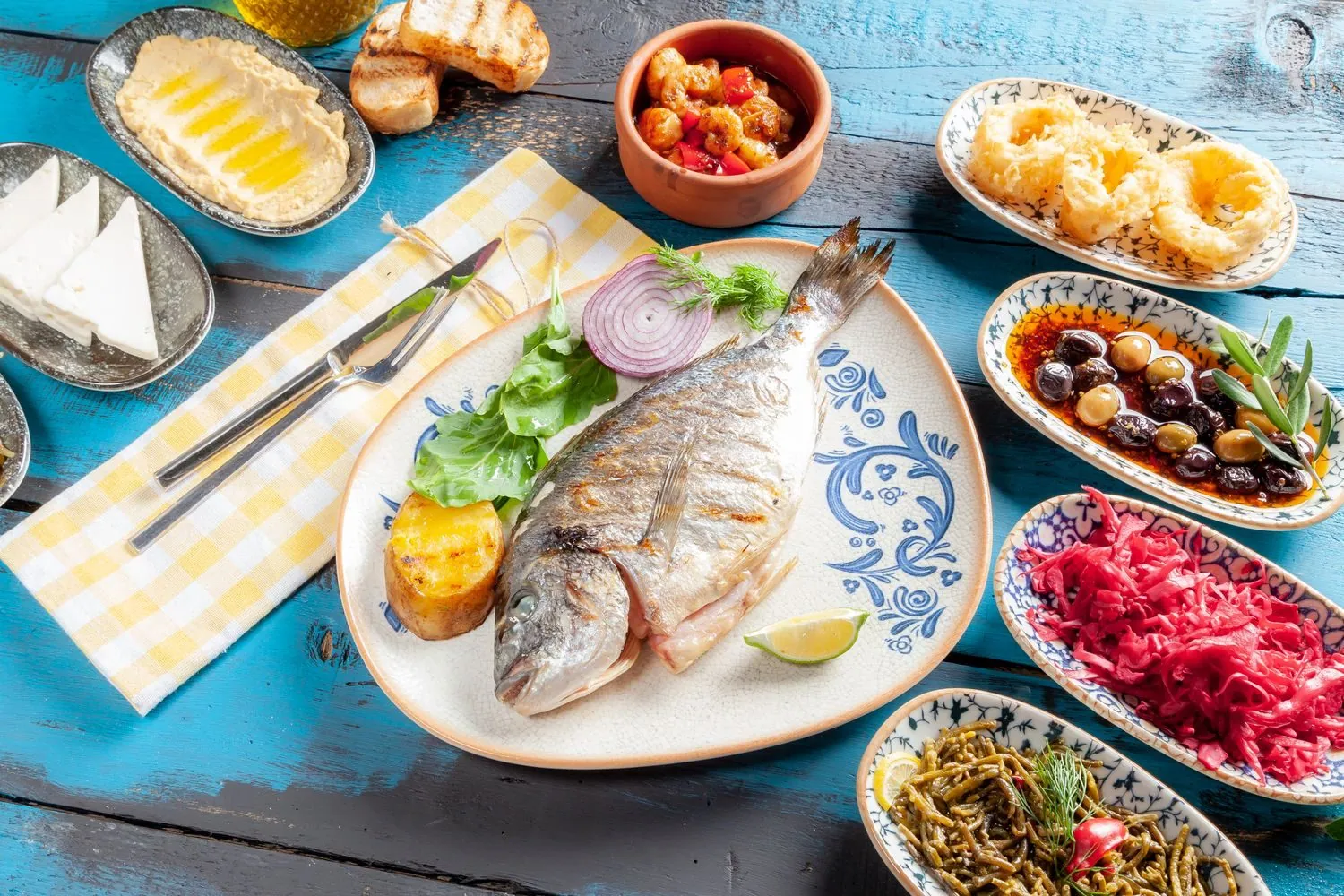
Myth 3: ghee and oil are off limits. Fat is not the enemy, but quantity and type matter. Use mostly mustard, groundnut or olive oil, keep ghee to a small spoon, and eat nuts, seeds and fish for unsaturated fats. If cholesterol is a concern, our heart-healthy diet plan and diet plan to lower cholesterol go further.
Myth 4: eat less and the belly will go. Eating too little makes you lose muscle along with fat, which lowers your energy needs further. A moderate, protein-rich plan combined with strength training works better than starving. We cover calorie and training detail in our guide to how to manage menopause weight gain.
Troubleshooting: hot flashes, bloating, poor sleep and weight gain
- Hot flashes: some women notice that very spicy food, hot tea or coffee, and alcohol make flashes worse. Keep a two-week food and symptom diary, then reduce only the triggers that actually show up for you. Severe or frequent flashes deserve a doctor visit.
- Bloating: raise fibre slowly, drink water through the day, chew well, and limit carbonated drinks. If bloating is new, constant or comes with pain or weight loss, get it checked rather than assuming it is menopause.
- Poor sleep: eat dinner two to three hours before bed, keep caffeine to the morning, and add a gentle evening routine. Our online yoga classes include slow evening sessions for winding down.
- Weight creeping around the waist: keep protein steady, trim sugary drinks and fried snacks, and add strength training two to three days a week. A trainer can set safe loads for your joints through 1-1 personal training.
- Constant tiredness: do not just blame menopause. Low haemoglobin, thyroid problems and low vitamin B12 are common and testable.
Does the diet plan change in perimenopause, or for vegetarians and other health conditions?
The core pattern stays the same, but details shift. In perimenopause, regular meals help steady energy and mood while cycles are irregular. Vegetarians need to plan protein carefully and check vitamin B12. Women with diabetes, thyroid, kidney or heart conditions need a doctor-approved version instead of a generic chart.
During perimenopause, symptoms often fluctuate, so focus on not skipping meals and keeping protein and fibre in every sitting. Our perimenopause diet and nutrition guide covers the earlier phase in more detail. After periods have stopped, long-term bone and heart protection take priority.
If you are vegetarian, combine dal with rice or roti, add curd, paneer, soya, sprouts and nuts, and ask your doctor about a B12 test. If you have kidney disease, protein targets may need to be lower, so never raise protein on your own.
When should you see a gynaecologist or doctor?
See a gynaecologist or doctor promptly if you have bleeding after 12 months without a period, very heavy or unusually frequent bleeding, hot flashes that wreck your sleep or daily life, bone pain, a fracture or loss of height, unexplained weight loss, or constant breathlessness or palpitations. Also check first if you have diabetes, thyroid, kidney or heart disease, or take regular medicines. Do not start, stop or change any medicine because of a diet chart.
A doctor or registered dietitian can order the tests that make food advice specific: haemoglobin, vitamin D, vitamin B12, thyroid profile, fasting sugar, lipid profile and, where advised, a bone density scan. They can also discuss whether hormone therapy or bone-protecting medicines suit you. Bring this plan along as a starting point for the conversation.
FAQ
What are the foods to avoid during menopause?
You do not need to ban foods, but limit the ones that crowd out nutrition or raise risk: refined flour snacks, sugary drinks and sweets, deep-fried food, very salty items like pickle and papad, and alcohol. If particular foods trigger hot flashes for you, reduce those specifically rather than cutting whole groups.
Can I follow this diet plan for menopause if I am vegetarian?
Yes. The chart is vegetarian-friendly. Use dal, curd, paneer, soya, sprouts and nuts for protein, and spread them across meals. Vegetarians should ask their doctor about checking vitamin B12 and haemoglobin, because deficiencies are common and are best confirmed with a blood test rather than guessed.
Should I give up rice and roti during menopause?
No. Rice and roti are fine in sensible portions. Choose whole grains and millets more often, keep rice to a small katori alongside dal and vegetables, and avoid eating refined carbs on their own. If you have diabetes, ask your doctor or dietitian for portion advice suited to your sugar levels.
How long before a menopause diet makes a difference?
Many women notice steadier energy and better digestion within a few weeks of eating regularly with more protein and fibre. Bone and heart benefits build slowly over months and years and are only measurable through tests, so keep going and review your reports with your doctor.
Can diet replace hormone therapy for menopause symptoms?
No. Food can support your health and comfort, but it does not replace hormone therapy or any other treatment. If symptoms disrupt sleep, mood or daily life, talk to your gynaecologist about the options, risks and whether treatment suits you, and use your diet alongside that advice.
Want a menopause meal plan built around your reports, food habits and budget? Book an online nutritionist consultation with Fitstrot and bring your latest blood tests along.


