
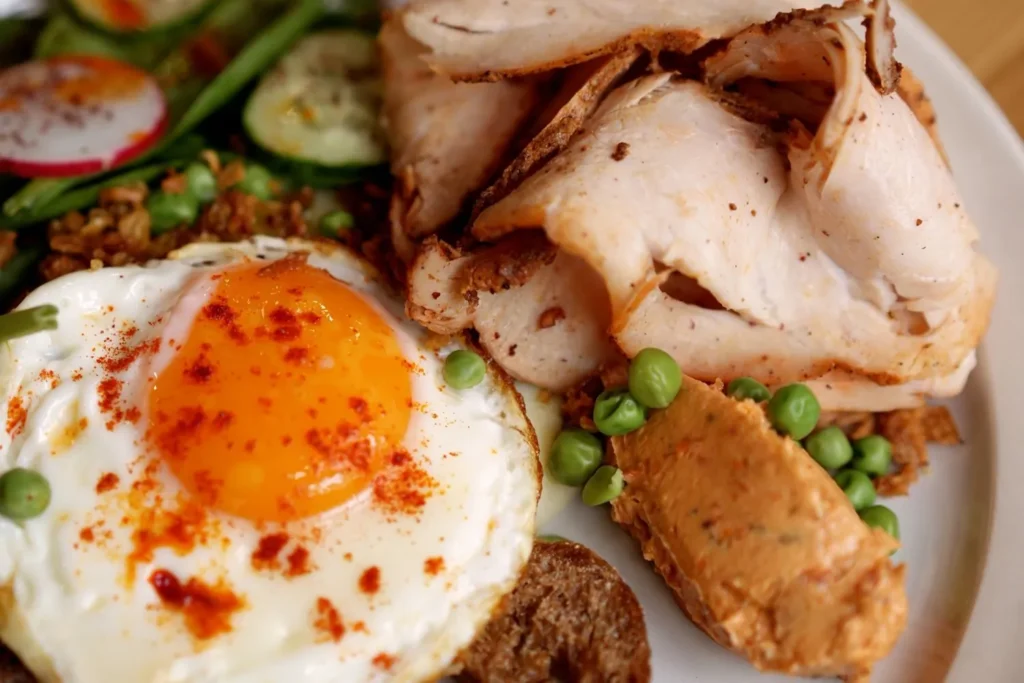
A perimenopause diet is built around one fact: your hormones are still working, just unpredictably. Estrogen can swing high one month and low the next, periods turn heavier or irregular, sleep gets fragile, and mood can wobble for no obvious reason. Food will not stop any of that, but steady meals, enough protein, enough iron and a few smart swaps can make the swings easier to live with. This guide covers what to eat, how much, what to ease off, and when to see a doctor, using Indian foods and everyday meal timings.
What is a perimenopause diet, and how is it different from a menopause diet?
A perimenopause diet is an eating pattern for the years before your final period, usually the late 30s to the late 40s, when cycles continue but hormones fluctuate. It prioritises steady blood sugar, roughly 25-30 g protein per meal and iron-rich foods, while a post-menopause diet leans more on bone and heart protection.
Perimenopause can last a few years or more than a decade. Menopause itself is a single point, confirmed after 12 months without a period. After that, estrogen stays low and heavy bleeding stops, so iron loss is no longer the main concern. Bone density, heart health and muscle become the focus, which we cover in our best diet plan for menopause. If you are still having periods, even erratic ones, the perimenopause rules below are the better fit.
Why does blood sugar stability matter so much in perimenopause?
Many women find blood sugar swings feel sharper in perimenopause, because changing estrogen affects how well the body responds to insulin. A dip causes irritability, anxiety, fatigue and cravings that mimic hormonal mood symptoms. Eating every 3-4 hours, with 25-30 g protein at main meals, is the simplest way to flatten them.
Four habits do most of the work:
- Build each meal around protein. Dal plus curd, eggs, paneer, tofu, fish or chicken all work. Protein slows how fast glucose enters the blood.
- Do not skip breakfast by default. A long gap makes the afternoon crash and the evening sugar craving much harder to resist.
- Pair carbohydrates with fibre or protein. Roti with sabzi and dal digests slower than white rice alone, and fruit with a handful of nuts beats fruit by itself.
- Cut back on sweets and refined flour in the week before your period. Many women feel less tolerant of sugar then.
Weight often creeps up at the same time, partly from muscle loss and partly from sleep and stress. Our guide on managing menopause weight gain goes deeper on that side, and the same steady-meal habits apply here.
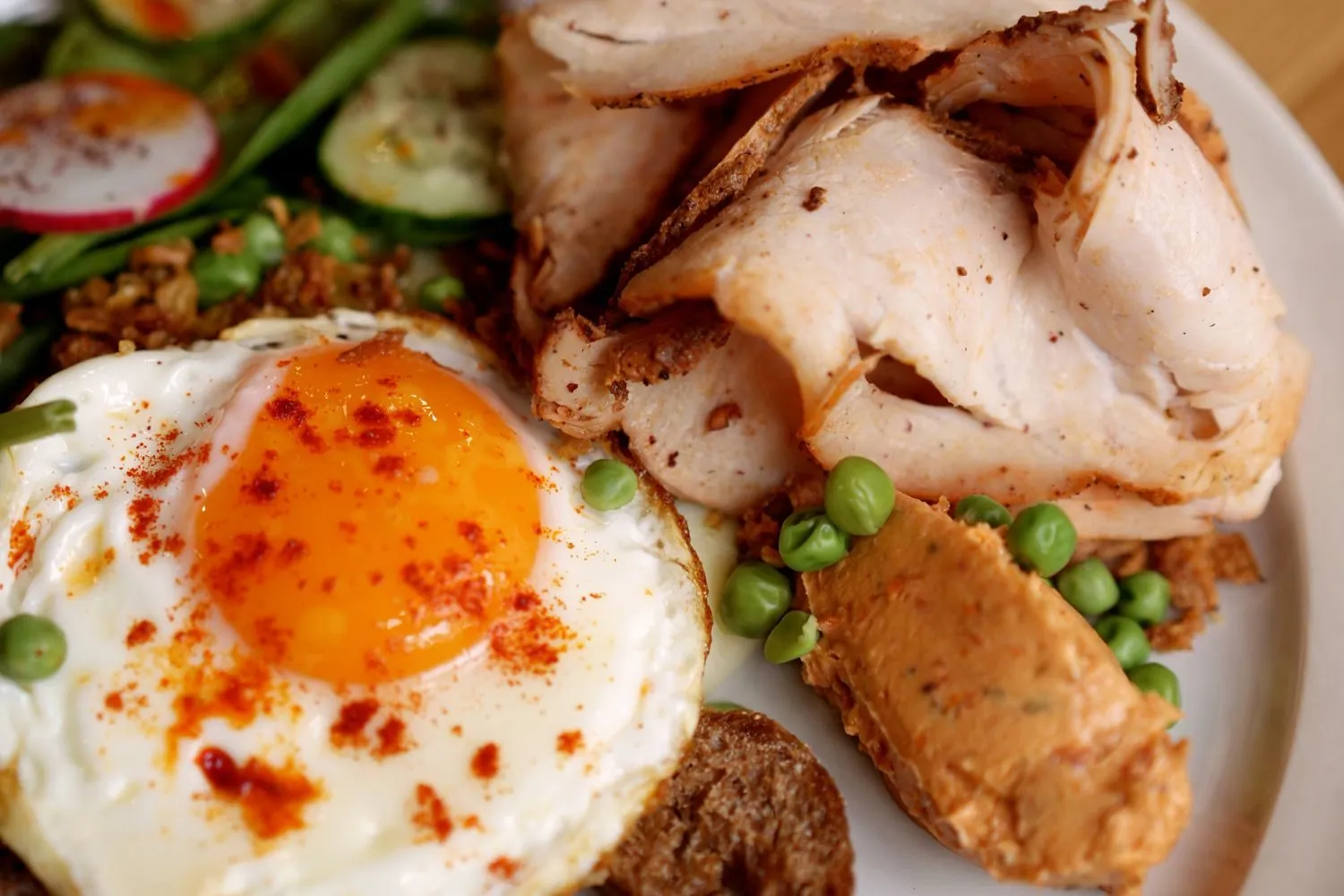
The perimenopause plate: what to eat and how much
You do not need a special menu. You need the same Indian staples in better proportions. Use this table as a daily checklist, and adjust quantities to your appetite, activity and any medical advice you have been given. The amounts are approximate everyday guides, not prescriptions.
| Food group | Indian examples | Rough daily amount | Why it helps |
|---|---|---|---|
| Protein | Dal, eggs, paneer, curd, tofu, soya chunks, fish, chicken | 25-30 g at each main meal | Steadier blood sugar, muscle and fullness |
| Fibre-rich carbs | Roti from whole wheat, jowar, bajra or ragi, brown rice, oats | 2-3 rotis or 1 cup cooked grain per meal | Slower glucose rise than refined flour |
| Vegetables | Palak, methi, lauki, beans, cabbage, carrot, tomato | About 300-400 g across the day | Fibre, folate, magnesium, potassium |
| Calcium sources | Milk, curd, paneer, ragi, sesame (til), sardines | About 1,000 mg total | Bone density starts to slip in late perimenopause |
| Omega-3 fats | Fatty fish, walnuts, flaxseed, chia | 1 tbsp seeds or a few walnuts daily; fish 2 times a week | Supports mood and lowers inflammation |
| Iron foods | Rajma, chana, masoor, tofu, jaggery in small amounts, meat | Some at most meals | Offsets heavier bleeding |
| Fluids | Water, buttermilk, nimbu pani without much sugar | About 2-2.5 litres | Headaches and fatigue ease with steady hydration |
For a broader look at eating well across a woman’s life stages, our women’s nutrition guide is a good companion.
Does iron still matter if your periods are irregular?
Yes. Progesterone often falls before estrogen does, so many women have heavier or longer bleeds in perimenopause, not lighter ones. More blood loss means more iron loss. Aim for iron-rich foods most days, pair plant iron with vitamin C, and ask your doctor to check ferritin if you feel unusually tired.
Practical ways to make iron work harder:
- Add a squeeze of lemon, amla or a bowl of guava, orange or bell pepper to dal, rajma, chana or palak meals. Vitamin C helps the body absorb plant iron.
- Keep chai and coffee roughly an hour or two away from iron-rich meals, because tannins reduce absorption.
- Cooking in an iron kadhai helps a little, but it is not a substitute for iron-rich food.
- If you are vegetarian, lean on lentils, chickpeas, tofu, pumpkin seeds and leafy greens daily rather than occasionally.
Warning signs include breathlessness on stairs, pale skin, dizziness, hair shedding and a racing heart. These can mean anaemia rather than hormones. Our guide to nutritional anemia explains how deficiencies are spotted and corrected. Do not start iron tablets on a guess, because too much iron is harmful. Let a blood test decide.
Troubleshooting by symptom: what to adjust when
Perimenopause symptoms rarely arrive on schedule, so think in patterns rather than a fixed plan. Many women notice symptoms bunch up in the days before a period, even when the cycle length keeps changing. Use the table to pick one or two changes, then give them two to three weeks before judging.
| What you notice | Try adding | Try easing off | Practical Indian example |
|---|---|---|---|
| Poor sleep, night sweats | Magnesium-rich foods, an earlier and lighter dinner | Caffeine after about 2 pm, alcohol near bedtime | Pumpkin seeds or almonds in the evening, dinner by 8 pm, no evening chai |
| Irritability, anxiety, cravings | Protein snack between meals, regular meal timing | Sweets on an empty stomach, long gaps | Roasted chana or curd at 4 pm instead of biscuits |
| Hot flashes | A short food-and-symptom log, cooling fluids | Your own triggers, often alcohol, hot drinks and very spicy food | Buttermilk, mild masalas on high-symptom days |
| Heavy or long periods | Iron foods with vitamin C, enough calories | Tea with meals, crash dieting | Rajma with lemon, palak with dal |
| Bloating, constipation | Fibre, water, curd | Large late dinners, carbonated drinks | A bowl of cooked vegetables, a glass of water and a katori of curd with lunch |
A simple log helps here. Note meals, sleep, mood and bleeding in a notebook or phone for three to four weeks. Patterns usually show up faster than guesswork.

Plant compounds in soy, flaxseed and similar foods behave differently while hormones are still fluctuating. Our article on estrogen-rich foods for menopause explains what they can and cannot do. Treat them as ordinary foods, not as hormone treatment.
Three perimenopause diet myths to drop
Myth 1: You need a strict low-carb or detox plan. Aggressive restriction tends to worsen fatigue, mood and cycle irregularity, and makes iron and protein targets harder to hit. This is not the phase for crash dieting. If weight loss is a goal, aim for a slow, modest pace.
Myth 2: Soy and dairy upset your hormones. Normal servings of dal, tofu, soya chunks, milk and curd are standard parts of an Indian diet and are not a cause for alarm. Keep portions moderate, and speak to your doctor if you have a thyroid or hormone-sensitive condition.
Myth 3: Fasting is always helpful. Some women do fine with a gentle 12-14 hour overnight gap. Long fasting windows can worsen blood sugar dips, poor sleep and anxiety for others. If you feel shaky, irritable or your cycle becomes more erratic, shorten the window.
A sample perimenopause day (vegetarian, with egg and fish options)
This is an illustration, not a prescription. Portions are rough, and the protein figures are approximate. Swap items freely based on your appetite, budget and any health condition.
| Meal | What to eat | Approx. protein |
|---|---|---|
| Breakfast, 8 am | Besan chilla (2) with paneer or 2 eggs, plus a bowl of curd and a guava | 25-30 g |
| Mid-morning, 11 am | Buttermilk and a handful of almonds or walnuts | 5-6 g |
| Lunch, 1:30 pm | 2 jowar or whole wheat rotis, 1 katori dal, a bowl of sabzi with greens, salad, 100 g tofu or fish | 25-30 g |
| Evening, 4:30 pm | Roasted chana (30 g) with lemon, or sprouts chaat | 6-8 g |
| Dinner, 7:30 pm | Palak or methi dal, 1 cup brown rice or 1-2 rotis, vegetable sabzi, 100 g paneer or an egg | 25-30 g |
| Before bed, optional | Warm milk, or a few pumpkin seeds if you wake hungry | 6-8 g |
On heavy-bleeding days, add one more iron food and a vitamin C source. On low-energy days, keep the protein anchor and simplify the rest.
When should you see a doctor or registered dietitian?
See a doctor if you soak through a pad or tampon every hour for several hours, bleed for more than 7 days, have cycles shorter than 21 days, bleed between periods or after 12 months without one, or feel exhausted, breathless or low most days. These can point to anaemia, thyroid problems or other conditions.
Perimenopause symptoms overlap with thyroid disorders, iron deficiency, diabetes and depression, so a blood panel is worthwhile if symptoms are disrupting daily life. Never stop or change any prescribed medicine because of an article, including this one. If you have diabetes, kidney disease, high blood pressure, PCOS or a thyroid condition, your meal plan needs your doctor’s input, and a registered dietitian can fit it to your lab results. Fitstrot’s online nutritionist consultation can build a plan around your cycle pattern, symptoms and reports.
Next step: write down your last three cycles and your three most frequent symptoms, then book an online nutritionist consultation and share that list for a plan matched to your pattern.
Perimenopause diet FAQs
Can diet help with perimenopause mood swings?
Diet cannot remove hormonal swings, but it can stop blood sugar dips from stacking on top of them. Regular meals, 25-30 g protein at main meals, fewer refined sweets and less late-day caffeine often reduce irritability. If low mood lasts more than two weeks or affects daily life, speak to a doctor.
Do I still need extra iron if my periods are irregular?
Often yes. Irregular perimenopause periods are frequently heavier, which raises iron loss. Eat iron-rich foods such as dal, rajma, chana, tofu or meat regularly, pair them with vitamin C, and ask for a ferritin test if you feel tired or look pale. Do not self-prescribe iron tablets.
What foods trigger hot flashes in perimenopause?
Commonly reported triggers are alcohol, caffeine, hot drinks and very spicy food, but sensitivity varies a lot between women. Keep a food-and-symptom log for three to four weeks and cut back only on foods that repeatedly precede a flash, instead of removing whole groups.
Is intermittent fasting safe during perimenopause?
It depends on the person. A gentle 12-14 hour overnight gap is fine for many women, but long windows can worsen sleep, anxiety, fatigue and cycle irregularity. Avoid fasting if you have diabetes, anaemia, an eating disorder history or take regular medicines, unless your doctor agrees.
At what age should I start eating differently for perimenopause?
There is no fixed age. Perimenopause can start in the late 30s or the mid-40s, so start when you notice cycle changes, new sleep trouble or mood shifts around your period. Building protein, iron and fibre habits early is useful and harmless at any age.


