
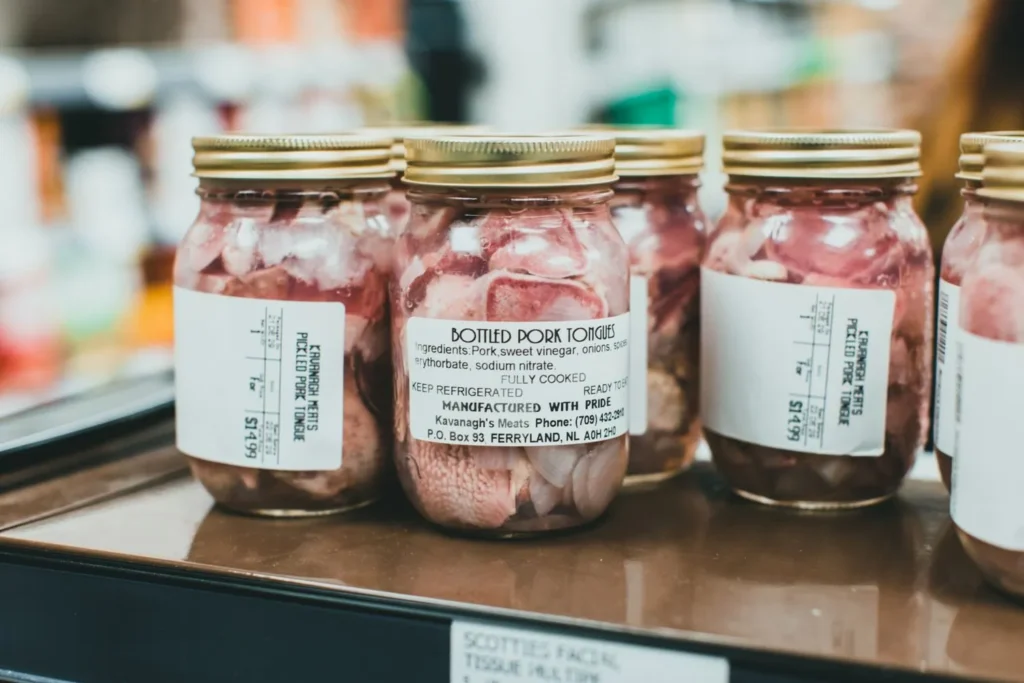
The foods to avoid with high blood pressure are mostly not the ones you sprinkle salt on. They are the pickle jar, the papad basket, the namkeen packet, the instant noodle sachet and the restaurant gravy, because that is where most of a day’s salt hides. Salt is only part of the story: too much chai or coffee, regular alcohol and real mulethi (licorice) can push readings up as well. This guide lists what to limit, why it matters, what to eat instead and when a doctor needs to be involved.
Please read this first. This article is general education, not medical advice. High blood pressure is a medical condition that needs a doctor’s diagnosis and often regular medicine. Food changes work alongside your treatment, never instead of it. Do not stop, skip or change any blood pressure medicine because of something you read here. See the “when to see a doctor” section below.
What are the main foods to avoid with high blood pressure?
Limit salty preserved foods (pickles, papad, dried fish), salted snacks (namkeen, chips, bhujia), instant noodles and ready mixes, packaged bread, processed cheese and bottled sauces. Also watch alcohol, energy drinks, heavy caffeine and real licorice root (mulethi). Most adults are advised to keep total salt under about 5 g a day, roughly one level teaspoon, from all sources.
That 5 g figure is a commonly cited ceiling for healthy adults, not a personal prescription, and your doctor may ask for less. A single pickle spoonful is not the problem; pickle, papad, a packet of chips and a ready-made masala mix on the same day is.
The usual suspects in an Indian kitchen: what to limit and what to do instead
The table below covers the foods that most often push salt intake up in Indian homes. Amounts are rough guides; your own packet label is the final word.
| Food | Why it adds up | Lower-salt move |
|---|---|---|
| Pickle (achar), 1 tablespoon | Preserved in salt; a spoonful can carry roughly 1 g of salt or more | Keep it to a small taste on the side; use fresh lemon, onion and green chilli for sharpness |
| Papad, roasted or fried | Salty before any masala topping goes on | Occasional, one small piece; skip the masala topping |
| Namkeen, bhujia, chips, farsan | Salted and fried, and easy to eat 50 g or more without noticing | Pour a portion into a bowl; try murmura (puffed rice) with onion and lemon, or plain roasted chana |
| Instant noodles and ready mixes | The seasoning sachet often carries most of the salt, commonly 2 g of salt or more per packet | Use half the sachet or none, add vegetables and your own spices |
| Packaged bread, pav, buns | Roughly 0.5 g of salt per slice, which adds up over a day | Homemade phulka or roti with little or no salt in the dough |
| Soy sauce, chilli sauce, ketchup, ready chutneys | A tablespoon of soy sauce can carry roughly 2 g of salt | Measure with a spoon; use lemon, ginger, garlic, fresh coriander and roasted spices |
| Dried or salted fish, sausages, processed cheese | Salt is the preservative or flavour | Fresh fish, fresh paneer, plain home dahi |
| Restaurant gravies, chaat and street food | Salt, extra butter and chutneys are used generously | Ask for less salt, skip extra sev and chutney, share a portion |
For a full daily salt plan with a shopping list, see our low-sodium diet plan and food list.
Myth: “I add very little salt, so my sodium is fine”
Salt added at the stove or table is only one slice. Packaged snacks, bread, sauces, pickles and restaurant food often carry far more, and you cannot see it. Someone who cooks lightly but eats namkeen with tea, noodles for lunch and pickle with dinner can easily pass the daily ceiling. Two related myths:
- “Sendha namak (rock salt), kala namak and sea salt are healthier.” They are all mainly sodium chloride. Swapping one for another does not lower sodium; using less does.
- “Homemade means low salt.” Only if you measure. Many home cooks add salt by habit while cooking, in the dough and again at the table.
Do chai, coffee and energy drinks matter for blood pressure?
Caffeine can cause a short rise in blood pressure for a few hours after you drink it, and the effect is bigger in people who rarely have it. A cup of chai has roughly 30 to 60 mg of caffeine, coffee roughly 60 to 100 mg, and an energy drink often 80 mg or more per small can. If you have high blood pressure, ask your doctor what limit suits you.
Regular drinkers build some tolerance, so a cup or two is not usually the main problem. The bigger risk is stacking sources (several coffees, a cola, a pre-workout) and energy drinks, which pair large caffeine doses with other stimulants. Practical habits:
- Do not take your blood pressure reading right after chai or coffee. Wait at least 30 minutes, otherwise the number can look higher than your usual.
Alcohol and blood pressure: is any amount okay?
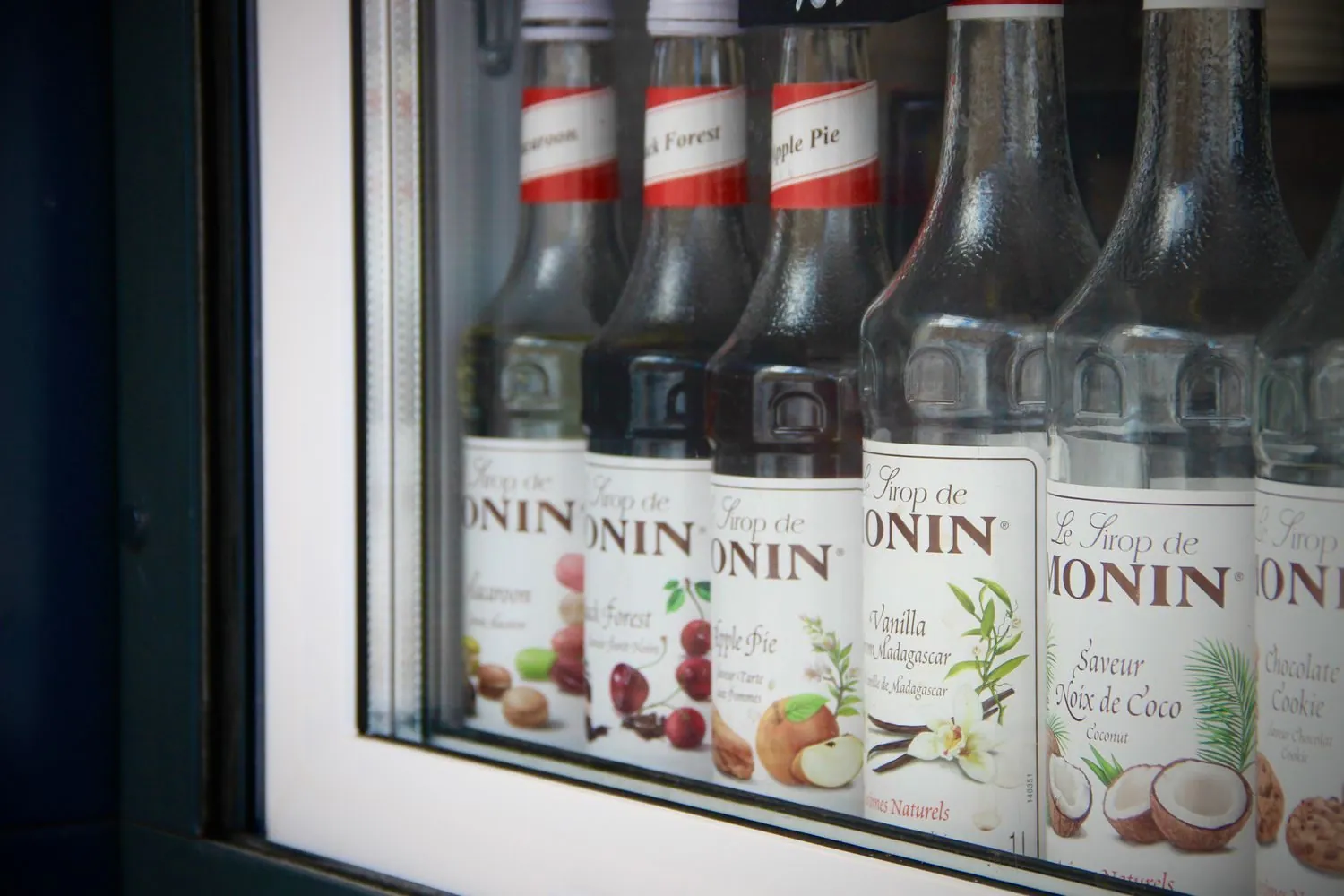
Regular drinking tends to push blood pressure up over time, and heavier or binge drinking does so more sharply. For someone with high blood pressure, less is better, and many doctors advise cutting right down or stopping. One standard drink is roughly 30 ml of spirits, 150 ml of wine or 330 ml of regular beer. A large 650 ml beer bottle counts as about two.
Pegs poured at bars and at home are often bigger than the standard measure, so the real count is usually higher than people think. Alcohol also brings salty snacks with it, such as peanuts, chakna and masala papad. If you drink, ask your doctor what is reasonable for you, especially if you take regular medicine, because some medicines and alcohol do not mix well.
Can mulethi (licorice) really raise blood pressure?
Yes. Real licorice root, called mulethi in India, contains a compound called glycyrrhizin. In larger or regular amounts it makes the body hold on to salt and water and lose potassium, which can raise blood pressure and, in some people, affect heart rhythm. Check mulethi teas, churna, herbal cough syrups and lozenges before using them regularly.
Mulethi is easy to miss because it is sold as a harmless home remedy for cough and sore throat. A few cautions:
- Read the ingredient list for “mulethi”, “yashtimadhu”, “licorice”, “liquorice” or “Glycyrrhiza glabra”.
- A rare small amount is different from daily use for weeks; the daily habit is the concern.
- Check with your doctor before using any herbal product alongside prescribed medicine. Herbal does not mean risk-free.
How to read a label for hidden sodium (walkthrough)
Check three things: the serving size, the sodium per serving, and the ingredient list. Packets often show values per 100 g while you eat a whole 50 g or 200 g pack, so work out what you actually eat.
| On the label | What it means | What to do |
|---|---|---|
| Sodium (mg) | Sodium only, not salt. Salt is about 2.5 times the sodium figure | 500 mg sodium is roughly 1.25 g salt; add up the day against about 5 g salt |
| Salt (g) | Already the salt figure | Compare directly with the daily ceiling your doctor gives you |
| Per 100 g vs per serving | The two columns can differ a lot | Multiply by how much of the pack you really eat |
| Monosodium glutamate (MSG, INS 621) | A flavour booster that also carries sodium | Count it as part of the total; common in noodles, soups and chips |
| Baking soda (sodium bicarbonate) | A sodium-containing raising agent | Present in instant dhokla, idli and cake mixes |
A day of swaps in an Indian meal plan
You do not need a new cuisine. The same dal, sabzi, roti and curd work with a lighter hand on salt. Here is one realistic day.
| Meal | Common choice | Lower-salt swap |
|---|---|---|
| Breakfast | Toast with salted butter and a cheese slice, or a packaged poha mix | Vegetable poha or besan chilla made at home, with plain curd and a fruit |
| Lunch | Dal, sabzi, roti, rice plus papad, pickle and salted chaas | Same plate with measured salt, a big salad with lemon, plain curd, no papad or pickle |
| Evening | Samosa, instant noodles or chips | Sprouts chaat with lemon, roasted makhana or a fruit |
| Dinner | Restaurant gravy, naan and a sauce-heavy starter | Home-cooked khichdi or vegetable dal with roti and a cucumber-tomato salad |
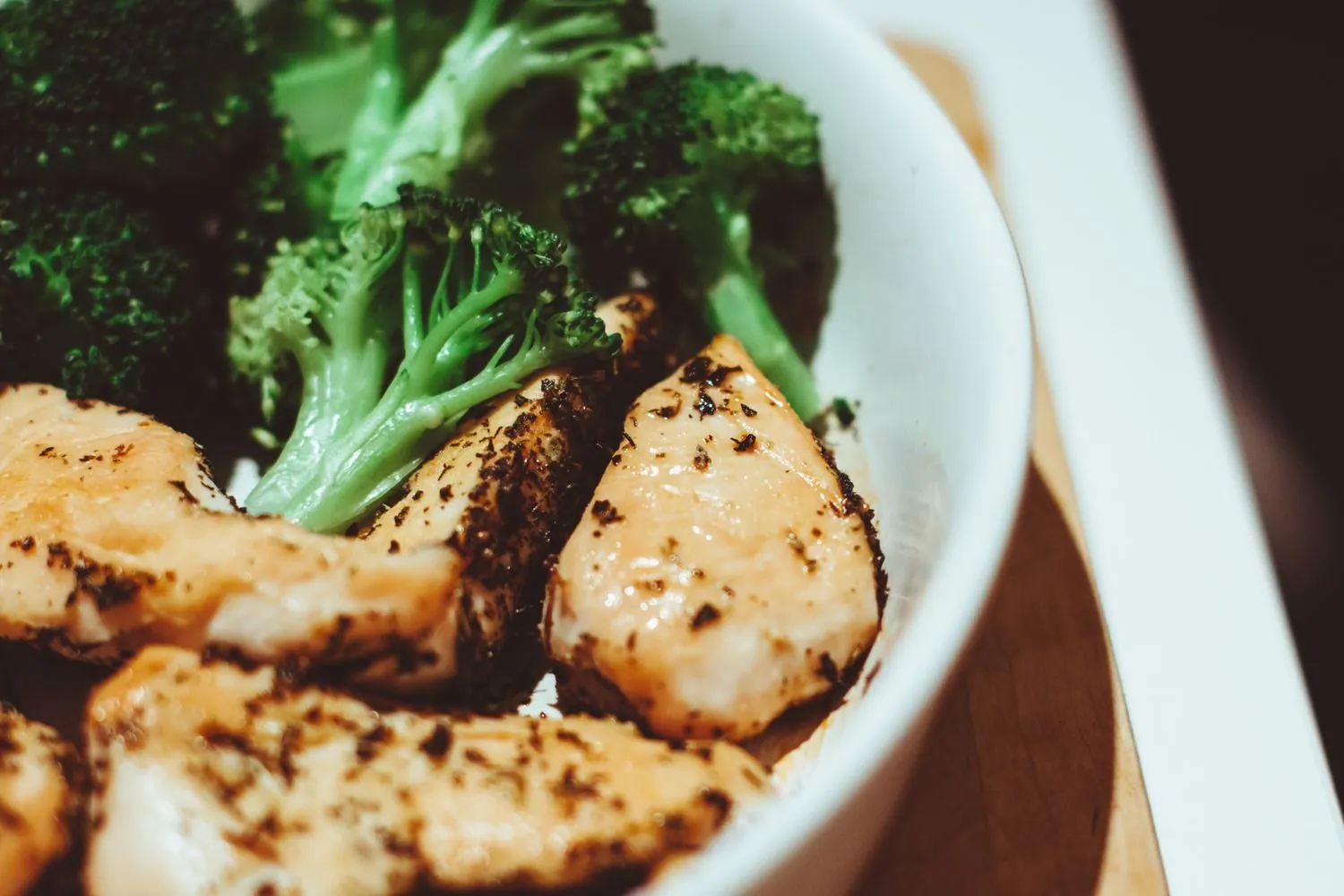
Flavour can come from lemon, ginger, garlic, roasted cumin, curry leaves, mint, a hing tadka, and tamarind or kokum. Taste buds adjust to lower salt over a few weeks. Our diet plan for high blood pressure and heart-healthy diet plan build full weeks around this idea.
Troubleshooting: when cutting back gets difficult
- Food tastes bland. Add lemon, tamarind, fresh herbs or a hot tadka first, and cut salt gradually.
- The family eats the same pot. Cook with less salt and let others add a pinch at the table.
- Eating out often. Ask for less salt and sauces on the side, and skip the second round of chutney and papad.
- Festivals and weddings. One heavy meal is not the problem; a heavy week is. Keep the next meal light.
- Sweet cravings. Sugary drinks and sweets contribute to weight gain, and extra weight tends to push blood pressure up. See our guide to foods with hidden sugar to avoid.
Special cases: kidney disease, certain medicines and pregnancy
Potassium caution. Fruits, vegetables, coconut water and “low-sodium” salt substitutes are often recommended because they contain potassium. But people with kidney disease, and people on certain medicines (including some commonly prescribed for blood pressure or fluid retention), can build up too much potassium. If that applies to you, ask your doctor before you increase potassium-rich foods or use any potassium-based salt substitute.
Pregnancy. High blood pressure in pregnancy needs close medical supervision. Do not cut major food groups or start restrictive eating on your own.
Regular painkillers and cold remedies. Some anti-inflammatory painkillers and decongestants can raise blood pressure or interfere with blood pressure medicine. If you use them often, tell your doctor or pharmacist, and do not change any prescribed medicine on your own.
Our guides on how to eat with heart disease, the best and worst foods for heart health and foods to avoid with high cholesterol cover the neighbouring topics. For stress, see yoga for high blood pressure, after checking with your doctor.
When to see a doctor or registered dietitian
See your doctor or registered dietitian if:
- You have never had your blood pressure checked, or your readings stay high even after you change what you eat.
- You take any blood pressure medicine, or have kidney, heart or liver disease, diabetes or a thyroid condition.
- You are pregnant, or planning to use herbal products, supplements or salt substitutes.
Get urgent medical help if high readings come with a severe headache, chest pain, breathlessness, confusion, vision changes, weakness on one side of the body or trouble speaking. Never stop or change your medicine on your own.
FAQ
Is sendha namak or rock salt better than table salt for blood pressure?
No. Rock salt, kala namak, sea salt and table salt are all mainly sodium chloride, so they affect sodium intake in a similar way. What matters is how much salt you eat in total, not which type. Using less is the change that counts.
Can I eat papad and pickle if I have high blood pressure?
Both are high in salt, so most people are advised to keep them occasional and small. A small piece of papad or a small taste of pickle now and then is very different from eating them daily. Ask your doctor or dietitian how much suits your situation.
Is tea or coffee okay with high blood pressure?
Most people can have a modest amount, but caffeine causes a short rise in blood pressure, so it is worth moderating and counting all sources. Avoid it for at least 30 minutes before a reading, and ask your doctor for a limit that fits you.
Is mulethi tea safe if I have high blood pressure?
Regular use of real mulethi (licorice root) is not advised for people with high blood pressure because it can raise blood pressure and lower potassium. Check herbal teas and syrups for mulethi or yashtimadhu, and talk to your doctor before using it.
Should I use low-sodium salt if I have high blood pressure?
Not without asking first. Many low-sodium salts replace some sodium with potassium, which can be unsafe for people with kidney disease or those on certain medicines. Your doctor can tell you whether it suits you or whether simply using less regular salt is better.
Not sure where your own salt is hiding? Book an online nutritionist consultation and bring a typical day’s food list; we will help you build a lower-salt Indian plan that fits your doctor’s advice. If weight is also part of the picture, our online weight loss trainer and online yoga classes can support the habits alongside.


