
Learning how to eat with heart disease starts with one shift: you move from general “eat healthy” advice to a plan that fits your diagnosis, your medicines and your latest reports. Whether you have had a heart attack, live with heart failure or have blocked arteries, food is one part of your treatment. It works alongside your cardiologist’s plan, never instead of it. This guide covers the practical side in an Indian kitchen: hidden salt, oil, a sample day, eating out, and the symptoms that mean you should call your doctor.
Read this first. This article is general education, not medical advice. Do not stop, skip or change any medicine because of what you read here, and do not start a new diet, fast or supplement without asking your cardiologist. Your doctor or registered dietitian sets your personal targets for salt, fluids and calories.
How is eating with heart disease different from general heart-healthy eating?
General heart-healthy eating lowers risk in people without a diagnosis. Eating with heart disease adds personal limits set by your care team, usually on salt, sometimes on fluids, and often on portions or specific foods linked to your medicines or kidney function.
Think of it in layers. The base is shared: more vegetables, dal, whole grains, curd and fish, less fried, salty and sugary food. Your diagnosis adds a layer: heart failure often means close attention to salt and fluid, while after a heart attack the focus is often saturated fat, weight and blood pressure. Your tablets, kidney function and diabetes add the last one.
For the food-by-food rundown of what to favour and what to limit, see our guide to the best and worst foods for heart health. This page is about the daily living side: how to cook, plan and cope once the diagnosis is real. If you are still building the basics, start with our heart-healthy diet plan.
Where does the hidden salt in an Indian kitchen come from?
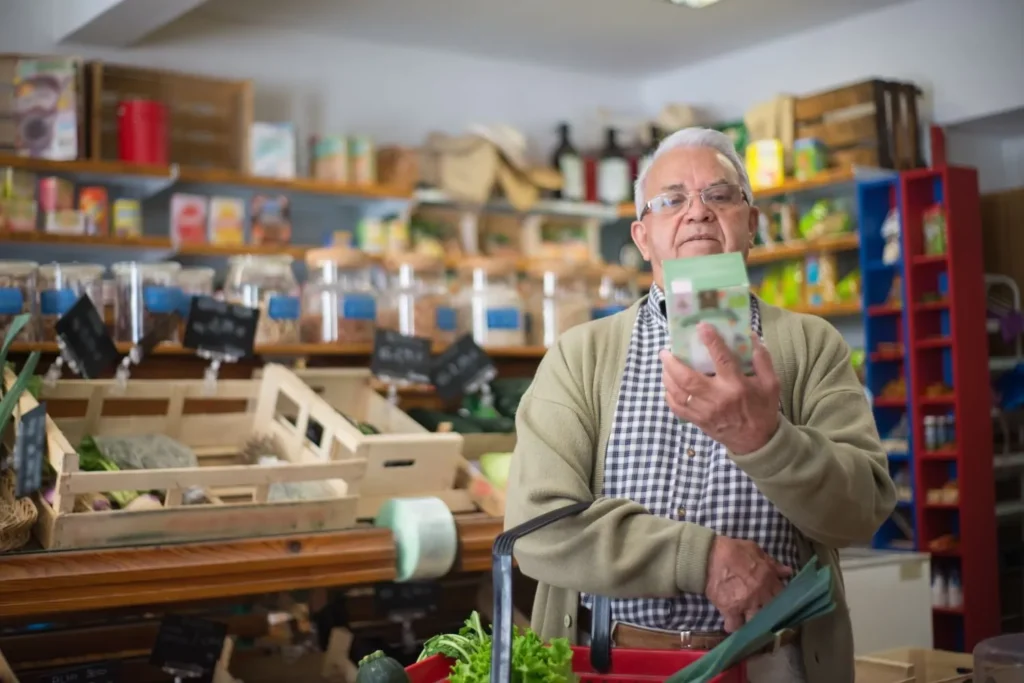
Most hidden salt in Indian eating comes from preserved and packaged items rather than the salt you add at the stove: pickles, papad, namkeen, chutney powders, instant noodles, biscuits, bread, cheese, ready masalas and restaurant gravies. A level teaspoon of table salt is about 6 g, so small daily extras add up quickly.
Salt (sodium) makes the body hold on to water, which raises blood pressure and, in heart failure, can bring on swelling and breathlessness, so it is usually the first thing a care team tightens. Ask your doctor for your daily salt target, then use the table below to see where it goes.
| Common item | Why it adds up | Easier swap |
|---|---|---|
| Achaar (pickle) | Preserved in salt and oil; a spoonful is a concentrated dose | Fresh lemon wedge, or a tiny portion on special days only |
| Papad, khichiya, namkeen | Salted dough or fried, salted snack eaten by the handful | Roasted unsalted chana, makhana roasted with a pinch of pepper |
| Packet masalas, instant noodles | The flavour sachet carries most of the salt | Home-ground masala; use half the sachet or none |
| Bread, pav, biscuits, khakhra | Salt is baked in, so they do not taste salty | Unsalted or home-made roti, phulka, oats, poha with less salt |
| Restaurant gravies, chaat, street food | Salt, sauces, chaat masala and stock add up in one plate | Dry, grilled or steamed options; sauces on the side |
A practical routine: salt the pot once, taste first, take the salt shaker off the table, and read labels for “sodium per serving”. For a deeper pantry reset, our low-sodium diet plan and food list goes through swaps in detail.
Myth check: is ghee out, and does “no oil” protect the heart?
Neither extreme is right. Ghee and oil are not forbidden, but all cooking fat is calorie-dense: one teaspoon is about 5 g and roughly 45 kcal. Most people with heart disease do best using small, measured amounts, favouring mustard, groundnut or olive oil and limiting ghee, butter and deep-fried foods. Your dietitian can set your amount.
A few myths come up again and again in Indian families after a diagnosis:
- “Cut all fat and you are safe.” Zero-oil cooking is hard to sustain and not required. Aim for less saturated fat and fewer fried foods.
- “Sendha namak or rock salt is safe in any amount.” It is still salt. Swapping the type of salt does not remove the need for a salt limit.
- “A herbal or ayurvedic remedy can replace tablets.” No food or herb replaces your prescribed medicines. Tell your doctor about anything you take alongside them.
If your doctor has advised weight loss, aim for steady, gradual loss, not a crash diet. No diet can cure or reverse heart disease; good eating supports your treatment.
What does a day of eating with heart disease look like in an Indian home?
A workable day uses small, regular meals built around vegetables, dal or other protein, whole grains and curd, with little fried food and measured salt and oil. Think one plate with half vegetables, a quarter protein and a quarter whole grain. Use the table below as an example and adjust it with your dietitian.
| Meal | Example plate (vegetarian) | Why it works |
|---|---|---|
| Breakfast | Vegetable oats upma or moong dal chilla with mint chutney, plus a fruit | Fibre and protein; light on salt and oil |
| Mid-morning | A small handful of unsalted almonds or walnuts (about 20-30 g) | Healthy fats; keep the portion small |
| Lunch | 1-2 rotis, a katori of dal, a large serving of sabzi, salad, a katori of curd | Balanced plate; salt once in the pot |
| Evening | Roasted chana or makhana, or a fruit, with tea | Replaces fried, salted snacks |
| Dinner | Vegetable khichdi or a light roti-sabzi meal, finished 2-3 hours before sleep | Easy to digest; avoids heavy late meals |
| Non-vegetarian swap | Grilled or lightly curried fish or skinless chicken in place of dal, a few times a week | Lean protein without deep frying |
For more morning ideas, browse these heart-healthy breakfast ideas. With diabetes, kidney disease or a potassium restriction as well, fruit, dal and some vegetables may need adjusting, which is your dietitian’s job.
How to cook heart-friendly meals at home, step by step
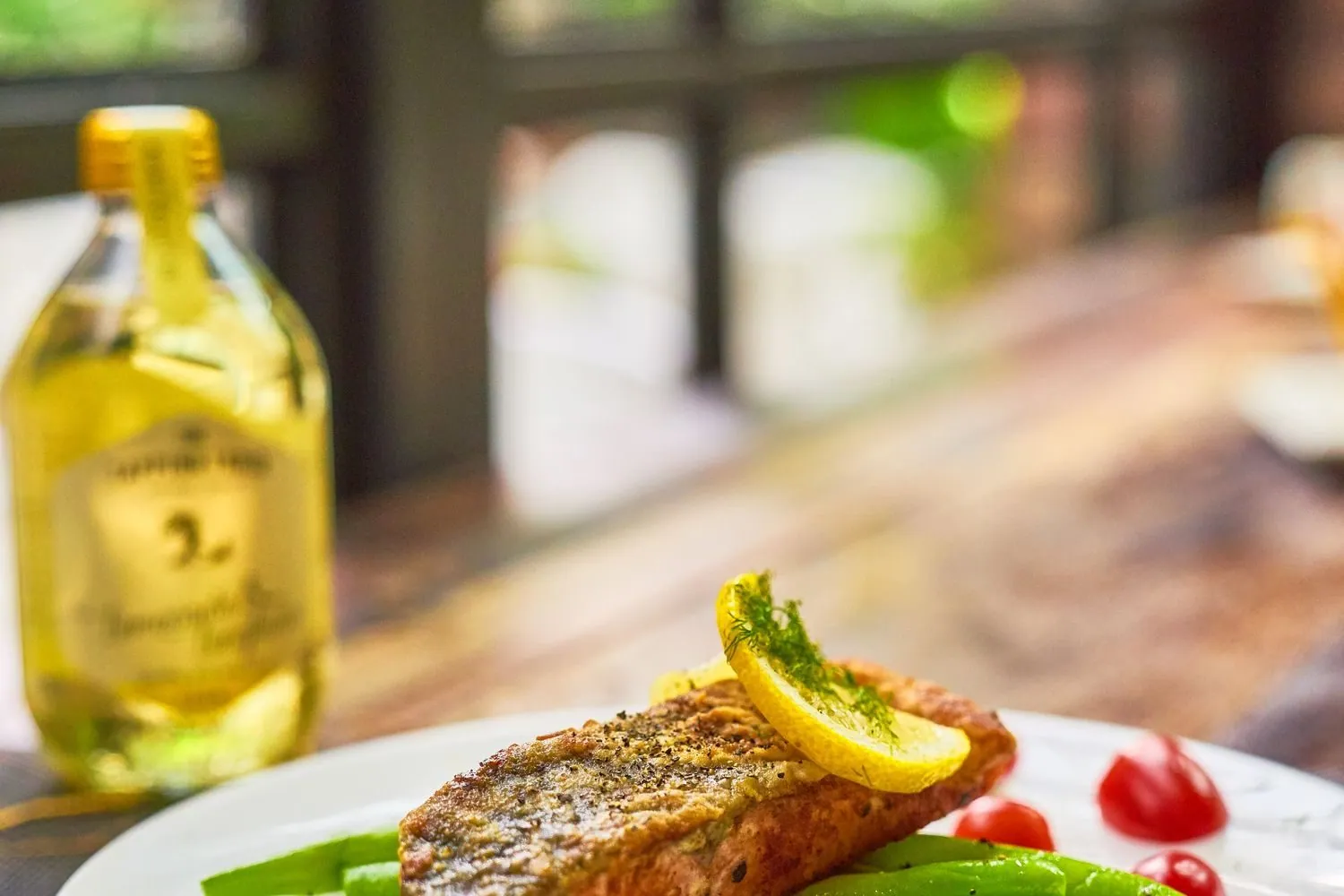
Home cooking gives you control over salt and oil. Here is a simple walkthrough for a typical sabzi or dal that you can repeat daily.
- Measure the oil. Use a teaspoon, not a free pour. For a family of four, a sabzi often needs only 1-2 teaspoons.
- Build flavour without salt. Use jeera, mustard seeds, hing, garlic, ginger, curry leaves, green chilli and a squeeze of lemon at the end.
- Cook with water, not oil. Add a splash of water to soften onions and tomatoes instead of frying them until brown.
- Salt once, late. Add salt near the end of cooking and taste first. Skip extra salt at the table.
- Choose the method. Steam, pressure-cook, grill, bake, roast or air-fry. Keep deep-fried puri, pakora and samosa for rare occasions.
If cholesterol is also on your report, our list of foods to avoid with high cholesterol shows which fried and fatty items to watch, and if blood pressure is high, the diet plan for high blood pressure covers overlapping habits.
Eating out, weddings and festivals: how do you manage?
You can still enjoy social meals with heart disease by planning ahead. Eat a light, low-salt meal earlier in the day, pick dry, grilled or steamed dishes, ask for sauces and gravies on the side, take small portions of sweets and fried items, and stop at one round. One occasion will not undo your progress, but daily repetition might.
| Situation | What goes wrong | What to do instead |
|---|---|---|
| Restaurant dinner | Rich gravies, extra butter, salty sauces | Choose tandoori or grilled items, dal, plain roti; ask for less salt and less butter |
| Wedding buffet | Fried starters, heavy curries, sweets, repeat plates | Start with salad and soup, one small plate, one small sweet |
| Festival (Diwali, Navratri, Eid) | Sweets and fried snacks stack up for days | Bake or air-fry snacks, pre-portion sweets, share boxes instead of keeping them |
| Fasting days | Fried sabudana, salted chips, long gaps without meals | Ask your doctor first, especially if you take tablets for blood pressure, diabetes or fluids; see our guide on what to eat during fasting |
What should you ask your doctor before changing salt, fluids or supplements?
Ask your cardiologist or dietitian three things before changing your diet: your daily salt target, whether you need a fluid limit, and which foods or supplements could interact with your medicines. Fluid limits apply only to some people with heart failure, so never start one on your own.
Some people with heart failure are told to limit total fluids, including tea, soup and buttermilk. Others are not; your doctor decides based on your heart, kidneys and medicines. Questions for your next visit:
- What is my daily target for salt, and should I weigh myself every day?
- Do I need to limit fluids? If so, how much, and does it include soup, dal and fruit?
- Do any of my medicines affect what I can eat, such as potassium-rich foods or leafy greens?
- Is it safe to use a salt substitute?
Gentle movement is often part of recovery, but only with clearance. Some people later add guided sessions such as yoga for heart health once their cardiologist agrees.
When should you see your doctor or call for emergency help?
Call emergency services at once for chest pain or pressure, pain spreading to the arm, jaw or back, severe breathlessness, fainting, or a racing or irregular heartbeat with dizziness. Contact your doctor soon for new swelling, rapid weight gain over a few days, or breathlessness lying flat. Diet cannot treat these.
Red-flag symptoms: do not wait, do not self-treat with food.
- Chest pain, tightness or pressure, especially with sweating, nausea or pain in the arm, jaw or back
- Sudden or worsening shortness of breath, or waking at night unable to breathe
- Fainting, near-fainting or sudden severe dizziness
- A fast, pounding or irregular heartbeat that does not settle
- New swelling in the feet, ankles, legs or belly, or weight rising quickly over a few days
- Persistent cough, especially when lying down, or unusual fatigue that is getting worse
Also speak to your doctor or registered dietitian if you have trouble eating, keep losing weight without trying, feel lightheaded after meals or after starting a new diet, or are unsure whether a food, drink or supplement is safe with your medicines.
Troubleshooting: when it feels like too much
Feeling restricted or anxious at every meal is common in the first few months. Small, steady changes are easier to keep than an overhaul.
- “Food tastes bland.” Taste buds adjust over a few weeks. Use lemon, fresh herbs, roasted jeera powder, garlic and pepper while you adapt.
- “My family will not eat low-salt food.” Cook it without extra salt and let others add a pinch at the table, while you skip it.
- “I feel anxious or low.” Tell your doctor. Mood affects appetite and recovery, and cardiac rehab programmes and counselling can help.
Frequently Asked Questions
How much salt should someone with heart disease eat per day?
There is no single number for everyone. Your cardiologist or dietitian sets your target based on your diagnosis, blood pressure, kidney function and medicines. In general, people with heart disease are advised to eat noticeably less salt than the average Indian diet, so ask your doctor for your target and keep label-reading and cooking habits consistent.
Does everyone with heart failure need to limit fluids?
No. A fluid limit is advised for some people with heart failure, not all. It depends on how much fluid your body retains, your kidney function and your medicines. Never start or stop a fluid limit on your own; ask your cardiology team whether you need one and what counts towards it.
Can I eat ghee, rice and roti with heart disease?
Usually yes, in measured portions. Roti, rice and dal can all fit when you balance the plate with vegetables and protein. Ghee and oil should be small, measured amounts. Your dietitian can set portions based on your weight, blood sugar and goals, so ask for a personalised plan.
Is it safe to use a salt substitute or fast on festival days?
Ask your doctor first for both. Many salt substitutes contain potassium, which can be unsafe with certain heart medicines or kidney problems. Fasting can affect blood pressure, blood sugar and medicine timing, so your care team may need to adjust your plan before you fast.
Can diet alone treat or reverse heart disease?
No. Food is an important support, but it does not replace medicines, procedures or follow-up visits, and we cannot promise any cure or reversal. Eating well can help you manage blood pressure, weight and cholesterol alongside treatment. Always follow your cardiologist’s plan and report new symptoms.
If you would like help turning your cardiologist’s advice into a weekly Indian meal plan, book an online nutritionist consultation and bring your latest reports and medicine list. We work alongside your cardiology care, never in place of it.


