
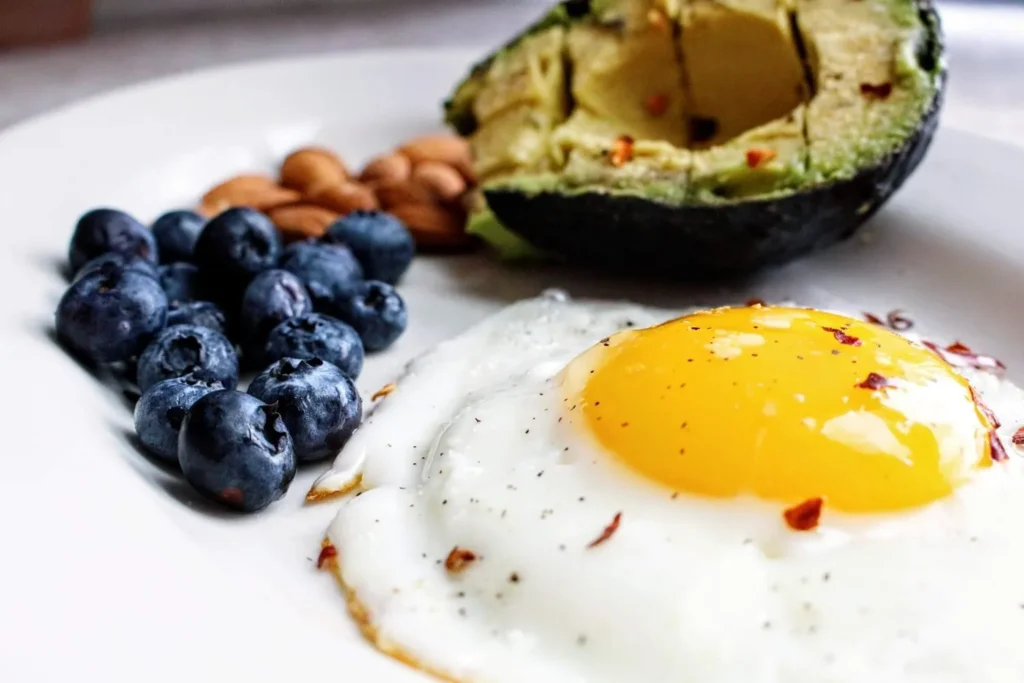
Most advice on what to eat during fasting skips the awkward truth: in a strict fast you eat nothing, so the choices that matter are what you drink, what you eat in your pre-dawn or eating-window meals, and above all what you eat when the fast ends. This guide covers all three with Indian foods, grams and clear safety limits, whether you follow a 16:8 routine, a Navratri vrat or a Ramadan roza.
One note before we start. Fasting is not right for everyone, and nothing here replaces advice from your own doctor. If you have a medical condition or take regular medication, read the safety section near the end first.
What can you eat and drink while fasting?
It depends on the type of fast. In a water fast or a nirjala vrat you take nothing but water, or not even that. In intermittent fasting, plain water, black coffee and unsweetened tea are generally fine. In fruit-and-milk vrats such as Navratri, specific permitted foods are eaten once or twice a day.
The rule of thumb is simple: anything with meaningful calories ends a calorie-free fast, while a few zero-calorie drinks usually do not. Religious fasts follow their own rules, so check your tradition before borrowing intermittent fasting habits.
| Type of fast | During the fast | Typical first meal or break |
|---|---|---|
| Intermittent fasting (14 to 18 hours) | Water, black coffee, unsweetened tea, plain jeera or ajwain water | Balanced thali-style meal, eaten slowly |
| Ramadan (sunrise to sunset) | Nothing, including water, during daylight | Dates and water, then a light meal after a short pause |
| Navratri or Ekadashi vrat | Permitted foods only: fruit, curd, milk, makhana, sabudana, kuttu, singhara | Usual vrat meal, built around curd, nuts or paneer |
| Full-day fast (24 hours) | Water, buttermilk or coconut water if your plan allows | Soup or dal first, full meal 20 to 30 minutes later |
| Multi-day water fast | Water only, under supervision | Gradual restart over days, guided by a doctor or dietitian |
Our guides on the Navratri diet plan and the healthy Ramadan diet plan list food-by-food options for those two fasts, so this page stays focused on the principles that apply to all of them.
What should your first meal after a fast contain?
Aim for roughly 20 to 30 grams of protein, a good portion of cooked vegetables or other fibre, and a small amount of healthy fat, with only a modest serving of carbohydrate. Eggs, dal, curd, paneer or tofu with sabzi fit well. This combination digests steadily and avoids the sharp sugar spike followed by a crash.
Protein comes first because it keeps you full and protects muscle. Fibre slows digestion, and a little fat, such as a teaspoon of ghee or a few nuts, adds staying power. Carbohydrate is not the enemy. It simply works better as a supporting actor than as the whole plate.
| Food (about) | Portion | Protein | Energy | Why it works |
|---|---|---|---|---|
| Boiled egg | 2 whole eggs | 12 g | 150 kcal | Gentle, compact protein |
| Moong dal, cooked | 1 katori (150 g) | 6 to 8 g | 100 to 120 kcal | Light on the stomach, easy to digest |
| Curd (dahi) | 150 g | 5 to 6 g | 90 kcal | Cooling, probiotic, mild |
| Paneer | 50 g | 9 g | 140 kcal | Protein plus fat for staying power |
| Boiled chana | 1 katori (100 g) | 8 to 9 g | 150 to 170 kcal | Protein and fibre together |
| Cooked sabzi (lauki, pumpkin, spinach) | 1 katori (150 g) | 2 to 3 g | 60 to 90 kcal | Fibre and micronutrients, gentle when cooked |
| Roti, whole wheat | 1 medium | 3 g | 100 kcal | Optional carbohydrate, one is enough to start |
| Soaked almonds | 5 to 6 pieces | 1 to 2 g | 40 kcal | Healthy fat, a small handful at most |
A sample plate that hits the target: two boiled eggs or 50 g paneer, one katori of moong dal, one katori of lauki or palak sabzi and one roti. That comes to roughly 25 to 30 grams of protein and about 450 to 500 kcal. Our protein and nutrition guide explains how to spread protein across the day if you eat only twice.
How do you break a fast step by step?
For fasts up to about 16 hours, sit down to a normal balanced meal and eat slowly over 15 to 20 minutes. For a full-day fast, start with something light, such as soup, dal or a boiled egg, wait 20 to 30 minutes, then eat the rest. Longer fasts need a slower, supervised restart.
Here is a simple walkthrough for a 24-hour fast, which you can shorten for daily fasting windows:
- Minute 0: Drink a glass of water, or a glass of buttermilk or coconut water. Sit down rather than eating on the move.
- Minutes 1 to 10: Have a small starter: a cup of clear vegetable or dal soup, a boiled egg, or a few spoons of moong dal.
- Minutes 10 to 30: Pause. Notice real hunger versus the urge to catch up on everything you skipped.
- Minute 30 onwards: Eat the main plate described above, chewing well. Stop at comfortable fullness, not stuffed.
- Next 2 to 3 hours: Keep sipping water. Hold off on sweets, fried snacks and large servings of rice until your stomach feels settled.
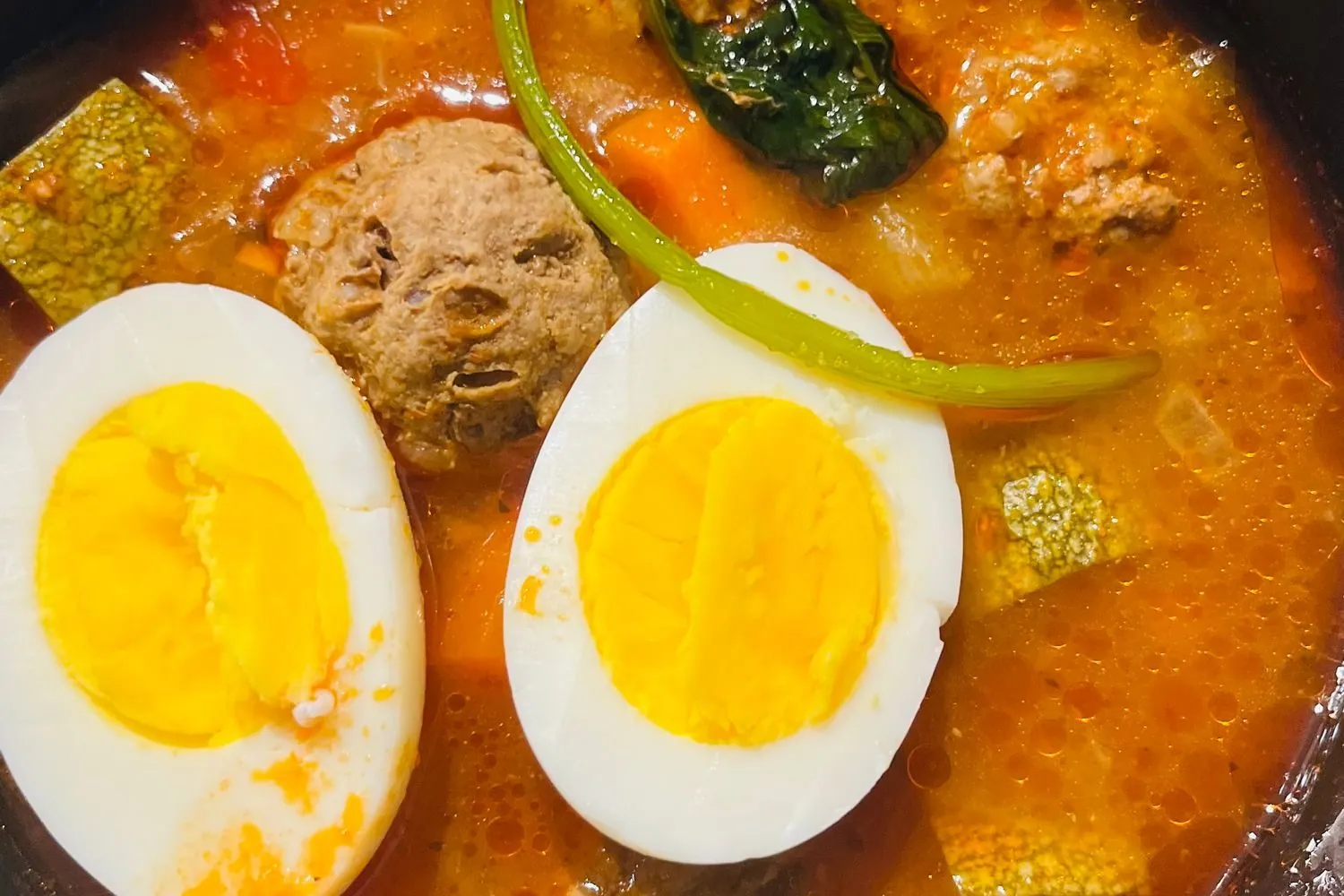
If you are fasting to lose weight, the meal that follows still counts. A big, sugary opening meal can erase much of the calorie gap you created, which is where a structured plan with a weight loss trainer can keep your fasting days and eating days working together.
Myth check: is it better to break a fast with fruit juice, sweets or a big feast?
No. A sugary opening, such as fruit juice, mithai or a large biryani, digests fast, spikes blood sugar and often leaves you hungrier within an hour or two. A small protein-and-fibre start works better for most healthy adults. Dates are the one traditional exception, and one or two are enough.
Three common beliefs deserve a correction:
- “You must feast to make up for the fast.” Your body does not need compensation. Eating one comfortable meal is better than eating two meals’ worth in 30 minutes.
- “Fruit is always the safest first food.” Fruit is healthy, but a bowl of sweet fruit on an empty stomach can cause acidity or a quick sugar rise in some people. Pair it with curd, nuts or paneer.
- “Skipping the pre-dawn or pre-fast meal saves calories.” It often backfires, because you arrive at the fast under-fuelled, with headaches and a stronger urge to overeat later.
For the wider picture on benefits, limits and who should be careful, see our guide on the benefits and risks of intermittent fasting. If you are new to time-restricted eating, intermittent fasting for beginners walks through how to build a first eating window.
How much water and which electrolytes do you need during a fast?
Most healthy adults need roughly 2 to 3 litres of fluid a day in Indian weather, and a fast does not lower that need. When you eat nothing, you also take in less salt and potassium. Water, a pinch of salt, coconut water or buttermilk help in longer fasts.
During a short daily fast, normal meals in your eating window usually restore balance, and electrolyte powders are rarely needed. Longer or all-day fasts are where cramps, headaches and light-headedness appear more often. Food-first options are usually enough:
- Sodium: a pinch of salt in water or nimbu pani, thin buttermilk with jeera, clear soup.
- Potassium: coconut water, banana, tender coconut, boiled potato or sweet potato (shakarkand).
- Magnesium: pumpkin seeds, almonds, spinach, rajgira and kuttu in vrat meals.

Skip high-dose electrolyte supplements unless a doctor has suggested them. Anyone with kidney problems, high blood pressure or on diuretics needs personal advice, because the right amount of salt and potassium differs sharply from person to person.
Troubleshooting: headache, bloating, acidity and dizziness after fasting
Most discomfort around fasting comes from three causes: too little fluid, too large or too sugary a first meal, or too long a gap on a very low intake. The fixes are usually simple and can be tested at the next meal.
| Problem | Likely cause | What to try next time |
|---|---|---|
| Headache during the fast | Low fluids, caffeine withdrawal, low salt | Drink water regularly, add a pinch of salt, taper caffeine in the days before |
| Bloating after breaking the fast | Eating too quickly, raw salads, fizzy drinks, large portions | Start with soup or cooked sabzi, eat slowly, skip cold fizzy drinks |
| Acidity or heartburn | Empty stomach plus spicy, fried or very sweet food | Begin with curd, dal or banana, keep the first meal mild |
| Sleepiness or sugar crash an hour later | Refined carbs and sweets eaten first | Put protein and vegetables on the plate before roti or rice |
| Dizziness on standing | Dehydration or low salt intake | Sit down, drink a salted fluid, rest, and stop the fast if it continues |
| Constant cravings | Fasting window too long, or too little protein in the last meal | Shorten the fast and add 20 to 30 g protein to each meal |
If dizziness, fainting, chest discomfort, severe stomach pain or persistent vomiting appear, end the fast and seek medical help rather than pushing through.
Who should be careful, or avoid fasting without medical advice?
Please see your doctor or a registered dietitian before fasting if you have diabetes or take medication for it, have blood pressure, kidney or heart conditions, are pregnant or breastfeeding, are underweight, are under 18 or over 65, or have ever had an eating disorder. Never change or skip medication to suit a fast.
Safety is not a footnote with fasting, so here is the honest version for each group:
- People with diabetes: fasting can cause low or unstable blood sugar, especially with insulin or certain tablets. Plan any fast with your doctor, who decides what happens with your medicines.
- Pregnant or breastfeeding women: your body needs steady energy and fluids. Long fasts are generally not advised without medical guidance.
- Anyone with a history of disordered eating: fasting can trigger old patterns. Choose a supportive, non-restrictive approach and speak to a professional.
- Multi-day fasts: after several days with almost no food, restarting too quickly can cause a serious shift in blood minerals called refeeding syndrome. It is uncommon with daily intermittent fasting or one-day vrats, but fasts of three days or more should only be done with medical supervision.
There is also no guaranteed weight-loss result from fasting. Some people lose weight because they eat less overall, while others overeat in their window and see nothing change. A personalised plan from an online nutritionist consultation can fit your schedule, health history and food preferences, including how to restart eating after longer fasts.
Frequently asked questions
What is the best food to break a fast with?
There is no single best food, but easy-to-digest protein works well: a boiled egg, a katori of moong dal, plain curd or a small bowl of soup. Add a cooked vegetable for fibre. Avoid starting with sugary drinks, fried snacks or a heavy rice plate, which can cause a sugar spike and bloating.
Can I drink coffee or tea while fasting?
In intermittent fasting, black coffee and unsweetened tea are generally considered acceptable because they have almost no calories. Milk, sugar and jaggery add calories and break the fast. In religious fasts, follow your tradition, since some restrict caffeine or all intake during fasting hours.
How long should I wait before eating a full meal after a long fast?
After a fast under about 16 hours, a normal balanced meal is usually fine right away. After a 24-hour fast, have something light first and wait 20 to 30 minutes. After several days, restart gradually over days under medical or dietitian guidance.
Is it normal to feel bloated after breaking a fast?
Mild bloating is common, especially if you eat quickly or start with raw salad, fizzy drinks or a large portion. It usually settles within an hour or two. Severe or persistent pain, vomiting or swelling is not normal, so stop eating and speak to a doctor.
Do I need electrolyte supplements for a 16-hour fast?
Usually not. Normal meals, fruit, vegetables and a pinch of salt in your food cover most people on a daily 14 to 18 hour window. Consider food sources like coconut water or buttermilk first, and ask a doctor before using supplements, especially with kidney or blood pressure issues.
Next step: write down your fasting schedule and your usual first meal, then compare it with the plate above. If you want it checked against your health history, book an online nutritionist consultation with Fitstrot.


