
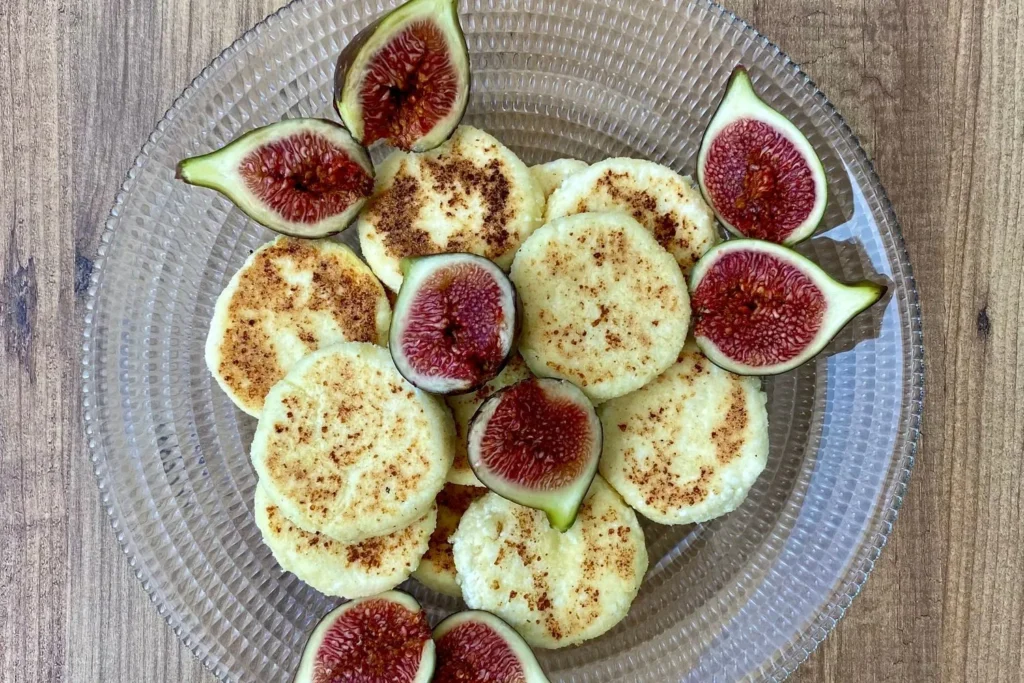
A sensible navratri diet plan can support weight loss, but only if you change how the fasting foods are cooked and portioned. The nine days themselves are not the problem. Sabudana, kuttu, singhara, samak rice, paneer, curd, makhana and fruit are all reasonable foods. Deep-frying them and eating three plates a day is what turns a fast into a calorie surplus. Below you will find portions, a nine-day chart, smart swaps and a safe limit, so you finish the festival lighter and not drained.
What is a realistic Navratri diet plan for weight loss?
A realistic Navratri diet plan for weight loss keeps you about 300-500 kcal below your usual intake, which is roughly 1,400-1,700 kcal a day for most women and 1,700-2,100 kcal for most men. Eat three meals and two small snacks, put protein in every meal, and expect to lose about 0.5-1 kg over nine days.
That 0.5-1 kg includes some water, so do not judge the fast by the scale alone. A nine-day deficit of 300-500 kcal a day adds up to about 2,700-4,500 kcal, which is under 1 kg of actual body fat. It will not transform your body, and it should not try to. What it can do is stop the festival from undoing your routine and give you a clean template for normal weeks. For the bigger picture of eating for fat loss, see our guide to nutrition for weight loss.
One hard floor: do not eat below roughly 1,200 kcal (women) or 1,500 kcal (men) on a fast without supervision. Going lower costs you energy, muscle and patience, and you tend to eat it all back on the day you break the fast.
Myth check: “fasting food” is not automatically light food
Myth 1: sabudana is a diet food. Dry sabudana is about 350 kcal per 100 g, almost entirely starch, with under 1 g of protein. It digests quickly, so a plate of plain khichdi can leave you hungry in two hours. Add ghee, potato and a fistful of peanuts, and one plate lands near 450-550 kcal.
Myth 2: a vrat means fewer calories. It only means a different ingredient list. Deep-fried sabudana vada, kuttu puri and aloo chips are all vrat-approved and all calorie-dense. Two medium sabudana vadas can reach 300-350 kcal, and few people stop at two.
Myth 3: fruit and water alone is the fastest route. Skipping protein and fat causes headaches, dizziness and muscle loss, and a nirjala-style fast is not a weight-loss strategy. It is a spiritual practice that suits some healthy people, and it is not meant to be combined with a fat-loss target.
Navratri fasting diet: foods, portions and protein per serving
Most households avoid wheat, rice, besan, onion and garlic, but allow a clear set of vrat foods. If you want the general rules that apply across religious fasts, our piece on what to eat during fasting covers them. Use the numbers below, which are approximate, to build each plate.
| Vrat food | Serving | Calories (about) | Protein (about) |
|---|---|---|---|
| Paneer, raw weight | 80 g | 230 kcal | 14-16 g |
| Curd, full fat | 150 g | 90 kcal | 5 g |
| Toned milk | 250 ml | 145 kcal | 8 g |
| Makhana, dry-roasted | 30 g | 105 kcal | 3 g |
| Peanuts, roasted | 20 g | 115 kcal | 5 g |
| Sabudana, dry weight | 40 g | 140 kcal | under 0.5 g |
| Kuttu atta (1 roti) | 30 g flour | 100 kcal | 3-4 g |
| Singhara atta (1 roti) | 30 g flour | 100 kcal | 1-2 g |
| Samak rice (about ¾ cup cooked) | 40 g dry | 130 kcal | 2-3 g |
| Potato, boiled | 100 g | 85 kcal | 2 g |
| Banana, medium | 1 piece | 100 kcal | 1 g |
| Coconut water | 200 ml | 40 kcal | under 1 g |
Notice how little protein the starches give you. Aim for 50-70 g of protein a day by pairing each carbohydrate with paneer, curd, milk, makhana or peanuts. For a fuller view of how a deficit works across a normal week, see how calories actually work.
Your 9-day Navratri diet chart, meal by meal
This navratri diet chart repeats a simple structure: protein at every meal, one starch, one vegetable or fruit, and zero deep-frying. Every day also gets one fruit mid-morning, a glass of chaas or coconut water in the evening, and 2-2.5 litres of water. Most days land at roughly 1,300-1,500 kcal. Men and very active people can add one roti, one fruit and an extra 30 g of paneer.
| Day | Breakfast | Lunch | Dinner |
|---|---|---|---|
| 1 | 150 g curd, 1 banana, 6 soaked almonds | 2 kuttu rotis, paneer-lauki sabzi, cucumber raita | Samak rice (¾ cup) with pumpkin sabzi, chaas |
| 2 | 30 g roasted makhana, 1 glass milk | Sabudana khichdi (40 g dry), 20 g peanuts, curd | 2 singhara rotis, 80 g paneer bhurji |
| 3 | 2 kuttu chillas, mint-curd chutney | Samak veg pulao, curd | Boiled sweet potato chaat, air-fried paneer tikka, cucumber |
| 4 | Apple and pomegranate bowl, 1 glass milk | 2 rajgira rotis, lauki-peanut sabzi, curd | 2 baked sabudana tikkis, cucumber raita |
| 5 | Makhana porridge in milk, no sugar | 2 kuttu rotis, dahi aloo (1 small potato) | Paneer-vegetable stew, ¾ cup samak rice |
| 6 | Curd, papaya, 6 almonds | Sabudana khichdi (40 g dry), peanuts, cucumber | 2 singhara rotis, pumpkin sabzi, 70 g paneer |
| 7 | Kuttu chilla stuffed with paneer | Samak rice, shallow-cooked lauki kofta | Roasted potato wedges, curd, 1 fruit |
| 8 | 1 banana, 1 glass milk, 20 g makhana | 2 rajgira rotis, roasted arbi, curd | 2 baked sabudana tikkis, chaas |
| 9 | Fruit bowl with curd | 2 kuttu rotis, paneer sabzi, cucumber | Light samak khichdi with pumpkin, curd |
On kanjak day, the puri-halwa-chana prasad is a celebration meal. Take a small portion, count it as your treat, and keep the rest of the day on this plan.
How do you cook sabudana without the extra oil and the sugar spike?
Use about 40 g dry sabudana per serving, soak it until each pearl presses flat, cook it with 1 teaspoon of ghee rather than 2-3 tablespoons, and add 20 g roasted peanuts plus 100-150 g curd. That makes a khichdi of roughly 400-450 kcal with about 8-10 g of protein, and it digests more slowly than plain sabudana.
- Rinse the pearls until the water runs clear, then soak them with just enough water to cover for 4-6 hours.
- Drain well. Pearls sitting in water turn gluey and need extra oil to separate.
- Dry-roast the peanuts and crush them coarsely, so a small amount seems like more.
- Heat 1 teaspoon ghee, crackle cumin, add 50-100 g boiled potato cubes and rock salt, then add the sabudana.
- Stir on medium-low heat for 3-4 minutes only, finish with lemon and coriander, and eat it with curd.
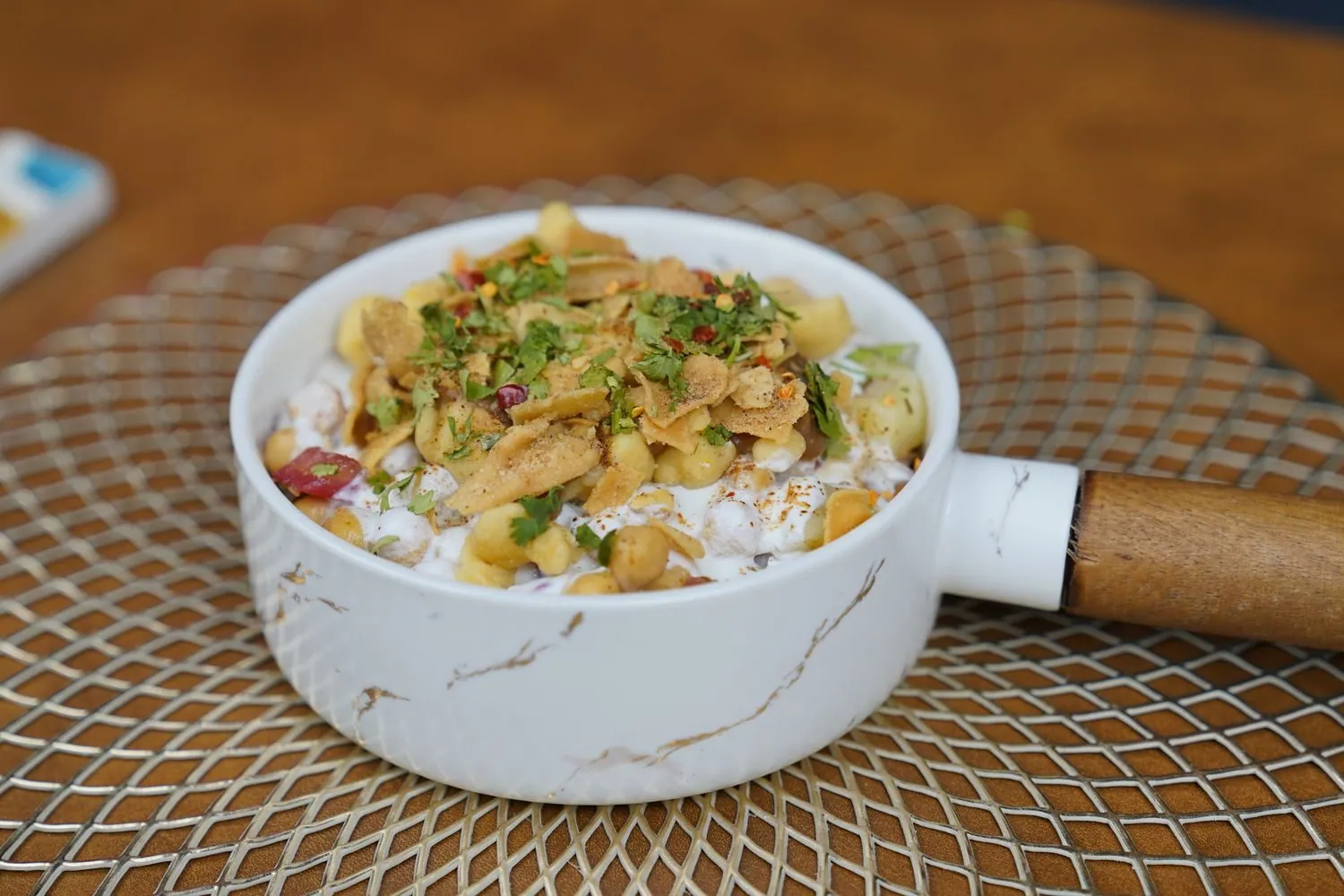
Sabudana is a fast-digesting starch, so people managing blood sugar should check with their doctor before leaning on it at several meals a day. For everyone else, sabudana for weight loss works as an occasional measured meal, not a three-times-a-day default.
Fried or lighter: swaps that save 100-200 kcal a serving
You do not have to give up a single dish. You change the method and the portion. These figures are approximate and vary with how much oil your cook uses.
| Usual fried choice | Lighter swap | Rough saving |
|---|---|---|
| 2 deep-fried sabudana vadas (300-350 kcal) | 2 baked or air-fried tikkis (180-200 kcal) | 120-150 kcal |
| 2 kuttu puris (about 250 kcal) | 2 dry-tawa kuttu rotis (about 170 kcal) | about 80 kcal |
| 50 g aloo chips (about 270 kcal) | 30 g dry-roasted makhana (about 105 kcal) | about 165 kcal |
| 250 ml sweet lassi (about 250 kcal) | 250 ml plain chaas with cumin (40-60 kcal) | about 200 kcal |
| 1 bowl sabudana kheer (300-350 kcal) | Curd and fruit bowl (150-180 kcal) | about 150 kcal |
Most of the “fried” flavour comes from rock salt, cumin and chilli, not from the oil. Air-fry at about 180°C for 12-15 minutes, or bake at 200°C for 15-18 minutes.

Troubleshooting a hard day: hunger, dizziness, bloating or tiredness
You are starving by 4 pm. Your lunch was probably starch with no protein. Move your makhana and curd to the evening, and add 20 g peanuts or 80 g paneer to lunch.
You have a headache or feel dizzy. This is usually dehydration, too little salt or too few calories. Drink coconut water or lemon water with a pinch of rock salt, and eat a fruit with curd. If the dizziness continues, break the fast and eat a proper meal.
You are bloated or constipated. Vrat meals are low in fibre. Eat a fruit with the skin where possible, add cucumber, lauki or pumpkin to every meal, and keep fluids near 2-2.5 litres.
You feel flat after a long gap. Two huge meals trigger overeating. Spread your food across 3-4 smaller meals instead. This is not a planned eating window; if you are curious about timed eating, our intermittent fasting for beginners guide explains how it differs.
If you work long hours, dance garba or have a health condition
Office-goers: pack a steel dabba with roasted makhana, a banana and a small curd cup, and avoid the canteen’s fried vrat snacks. Garba dancers: an hour of garba is real exercise, so eat a banana and curd about an hour before, and have coconut water or chaas afterwards. If you want a structured workout alongside the fast, an online weight loss trainer can build a short routine that matches a lower-carb festival week.
Training intensity: keep strength training light and brief, and skip high-intensity sessions on days your intake is below normal.
See your doctor or registered dietitian first if you have diabetes, are pregnant or breastfeeding, take regular medication (especially for blood pressure, thyroid or diabetes), have a history of disordered eating, or are under 18 or over 65. Never change a prescribed dose to suit a fast.
After the festival, keep what worked: measured starches, protein at every meal, no deep-frying. If your normal diet is vegetarian, our vegetarian diet plan for weight loss picks up from here, and a similar reset approach appears in our healthy Ramadan diet plan.
Frequently asked questions
Can I lose weight during Navratri fasting?
Yes, a modest amount. With measured portions, no deep-frying and protein at each meal, most healthy adults can lose about 0.5-1 kg over nine days, partly water. Do not expect more, and do not cut below 1,200 kcal (women) or 1,500 kcal (men).
Is sabudana good for weight loss?
In small, measured portions, yes. Dry sabudana is about 350 kcal per 100 g and nearly all starch, so keep a serving near 40 g dry and pair it with peanuts and curd. Deep-fried vada or large daily plates work against fat loss.
How much weight can I lose in 9 days of Navratri?
Roughly 0.5-1 kg is realistic for most people, and some of it is water. Bigger numbers usually mean you under-ate and will regain on the first normal day. Judge the result by how your clothes fit and how your energy feels.
Can I eat only fruits and water to lose weight faster?
It is not a good idea. A fruit-and-water fast is low in protein and fat, often causes headaches, weakness and muscle loss, and usually ends in overeating. Include paneer, curd, milk, makhana or peanuts in every meal instead.
Can I work out during Navratri fasting?
Yes, at light to moderate intensity. Walking, yoga, garba and bodyweight strength work are fine if you are eating enough protein and drinking 2-2.5 litres of fluid. Skip hard interval training on days when your food intake is clearly lower than normal.
Navratri gives you nine days of home-cooked, low-processed eating, which is hard to arrange in a normal week. If you would like a vrat-friendly plan built around your weight, health history and the foods your household actually cooks, book a short online nutritionist consultation before the next Navratri begins.


