
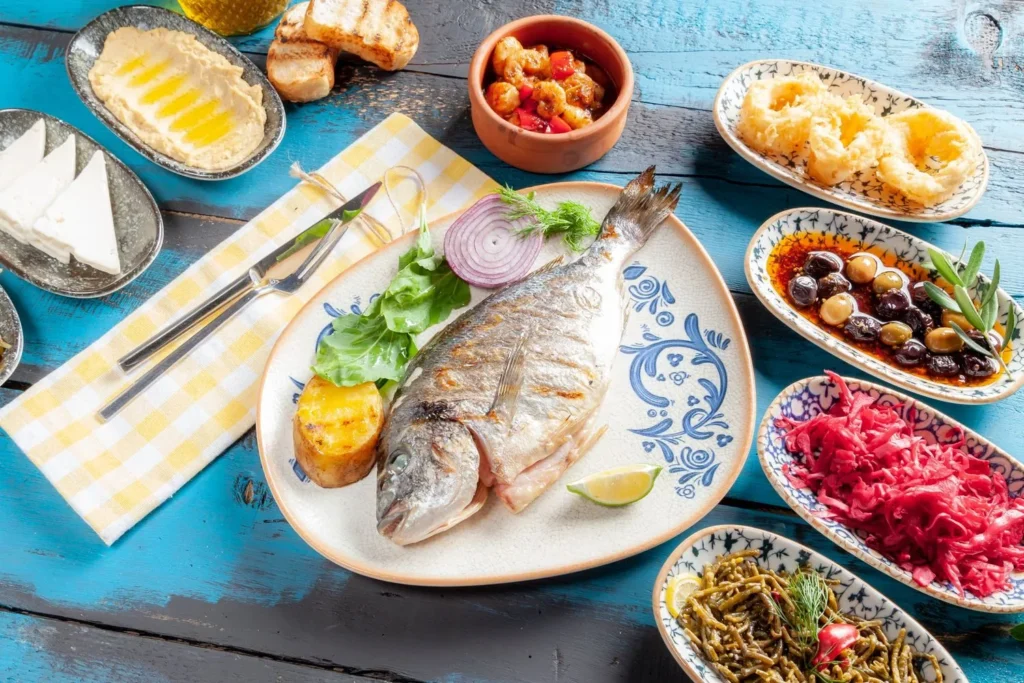
A heart healthy diet plan is not a bland, oil-free menu. It is a pattern of ordinary Indian meals built on vegetables, dal, whole grains, nuts and fish or curd, with a firm lid on salt, refined flour, sugar and fried food. This guide gives you daily gram targets, a 7-day meal chart, a swap table and the salt, oil and sugar limits that matter most. It also says plainly what food cannot do: it supports your doctor’s treatment and does not replace it, and no eating plan can promise to clear blocked arteries.
What is a heart healthy diet plan, and how does it work with Indian food?
A heart healthy diet plan keeps saturated fat, trans fat, salt and added sugar low while raising fibre, unsaturated fats and potassium-rich foods. On an Indian thali that means about half the plate as vegetables, a quarter as dal or other protein, a quarter as whole grain, a little oil, and at least 400 g of vegetables and fruit daily.
The idea is simple. Fibre from dal, sabzi and whole grains helps keep LDL (“bad”) cholesterol in check. Unsaturated fats from nuts, seeds and fish replace the saturated fat in ghee, butter and fried snacks. Potassium from vegetables and fruit, together with less salt, helps keep blood pressure down. Traditional dal-sabzi-roti meals already fit this pattern well. The trouble usually starts with the extras: maida, deep-fried snacks, packaged foods, sweets, and a heavy hand with salt and oil.
If your main concern is a high LDL reading, our diet plan to lower cholesterol goes deeper on that one number. This page covers the whole-heart pattern that sits underneath it.
Daily food targets for a heart healthy diet chart
These amounts suit an average adult eating roughly 1,800 to 2,000 kcal a day. They are approximate guides, not prescriptions. Taller, more active or larger people need more; smaller or less active people need less.
| Food group | Daily target (about) | Indian examples |
|---|---|---|
| Vegetables | 300 g or more, including 100 g leafy greens | Palak, methi, lauki, bhindi, cabbage, carrot, tomato |
| Fruit | 100 to 150 g (1 medium fruit) | Guava, papaya, apple, orange, pear |
| Whole grains and millets | 100 to 150 g dry weight across the day | Whole wheat atta, jowar, bajra, ragi, brown rice, oats |
| Dal, beans, sprouts | 40 to 60 g dry (1 to 2 katori cooked) | Moong, masoor, rajma, chana, sprouted moong |
| Curd or low-fat milk | 200 to 300 ml | Plain dahi, chaas, toned milk |
| Nuts and seeds | 20 to 30 g, unsalted | Walnuts, almonds, peanuts, flaxseed, pumpkin seeds |
| Fish, egg or soya | Fish 100 to 150 g twice a week; egg or soya on other days | Mackerel (bangda), sardine, rohu, boiled egg, soya chunks |
| Visible oil and ghee | 20 to 30 g (4 to 6 teaspoons) in total | Groundnut, mustard, rice bran, olive oil; ghee by the teaspoon |
| Salt | Under 5 g (one level teaspoon), all sources | Includes pickle, papad, namkeen, bread, sauces |
| Added sugar | Under about 25 g (6 teaspoons) | Tea sugar, mithai, cold drinks, packaged juice |
A 7 day heart healthy meal plan with Indian food
Use this chart as a template and swap items you dislike for something from the same group. Cook with the oil budget above, add salt at the end of cooking, and keep portions of rice and roti moderate rather than empty.
| Day | Breakfast | Lunch | Dinner | Snack |
|---|---|---|---|---|
| Mon | Vegetable oats upma with a few peanuts | 2 rotis, moong dal, lauki sabzi, cucumber raita | Palak dal, small katori brown rice, salad | Roasted chana, 1 guava |
| Tue | 2 besan chillas with mint chutney | 2 rotis, rajma, bhindi, salad | Grilled fish or paneer tikka, sauteed vegetables, 1 roti | Handful of unsalted walnuts and almonds |
| Wed | 2 ragi dosas with sambar | Small katori brown rice, sambar, cabbage poriyal, chaas | Vegetable khichdi with plain curd | Papaya or apple chaat, no sugar |
| Thu | Vegetable poha with peanuts | 2 rotis, chana masala made with little oil, carrot-cucumber salad | Vegetable bhurji (1 whole egg, 2 whites), 2 rotis | Roasted makhana, no extra salt |
| Fri | Vegetable dalia with toned milk | Jowar roti, mixed dal, tinda sabzi, dahi | Fish curry in tomato-onion masala, small katori rice, greens | Orange and 5 almonds |
| Sat | 2 moong dal cheelas with grated low-fat paneer | Chole, 2 rotis, onion-tomato salad | Mixed vegetable curry, dal, 2 rotis | Murmura bhel with lemon |
| Sun | 3 idlis with sambar and coconut-free chutney | Brown rice vegetable pulao, raita, dal | Skinless chicken or soya chunk curry, 2 rotis, salad | Pear and a few walnuts |
Breakfast is where many plans slip, so for more morning options see our heart healthy breakfast ideas.
Four myths about heart-friendly eating
“Ghee is banned.” Not for most people. Ghee is mostly saturated fat, about 3 g per teaspoon, so keep it to one or two teaspoons inside your daily oil budget. If your LDL is high or you already have heart disease, ask your doctor how much is right for you.
“Coconut oil is a heart superfood.” It is mostly saturated fat, so treat it as an occasional flavour, such as a South Indian tempering, not a health product. Rotating groundnut, mustard, rice bran, sesame or olive oil is a better everyday habit than relying on one oil.
“Eggs are off the table.” For most healthy adults, up to one whole egg a day fits a heart healthy pattern. If you have high LDL, diabetes or known heart disease, your doctor may advise fewer yolks, so ask before you decide.
“Oil-free cooking is the safest.” Your body needs some fat, and oil-free meals often end up heavy on plain rice and roti instead. A measured 4 to 6 teaspoons of a good oil is healthier than none plus extra refined carbohydrate.
How much salt, oil and sugar a day is safe for the heart?
For most adults, aim for under 5 g of salt (about 2,000 mg sodium), 20 to 30 g of visible oil and ghee, and under about 25 g of added sugar a day. These include hidden amounts in pickle, papad, namkeen, bread, sauces and sweets. People with high blood pressure, kidney disease or diabetes should follow their doctor’s stricter numbers.
Practical ways to stay inside those limits:
- Salt: Add it at the end of cooking, when you can taste it. Build flavour with lemon, amchur, jeera, hing, curry leaves, garlic and fresh coriander. If a label lists sodium, multiply by 2.5 to get the salt equivalent.
- Oil: Measure it with a teaspoon for one week. Most home cooks are surprised by how much goes in. Use non-stick pans, pressure cooking and air-fryer or oven roasting to cut it without losing taste.
- Sugar: Taper sugar in chai by half a teaspoon every few days. Our guide on whether sugar raises cholesterol explains why this matters for blood fats as well as weight.
Swaps that cut the most risk
You do not need to change everything at once. Pick two rows from this table and start there.
| Instead of | Choose | Why it helps |
|---|---|---|
| Samosa, kachori, bhujia | Roasted chana, makhana, murmura bhel | Less frying oil, less salt |
| Vanaspati or dalda, bakery biscuits | Small amounts of groundnut, mustard or rice bran oil | Avoids trans fat, the most harmful fat for the heart |
| Maida naan, white bread | Whole wheat roti, jowar, bajra, ragi | More fibre, slower rise in blood sugar |
| Large plate of white rice | Smaller portion of brown rice with extra dal and sabzi | More fibre and protein per bite |
| Cold drinks, packaged juice | Nimbu pani without sugar, chaas, plain water | Cuts added sugar |
| Papad, pickle, instant noodle masala | One roasted papad, a teaspoon of pickle, fresh chutney | Lowers hidden salt |
| Butter or cream-heavy gravies | Tomato-onion gravies, dal with a light tadka | Less saturated fat |
Many of these swaps also help if your triglycerides are high; the foods to avoid with high triglycerides list overlaps closely, and the cholesterol-lowering foods list shows what to add in their place.
Troubleshooting: eating out, tiffin, festivals and stalls
- Eating out: Pick tandoori, grilled or steamed items, dal and plain roti. Ask for gravy on the side and skip the cream and butter additions. Share one rich dish rather than ordering several.
- Office tiffin: Pack one sabzi, one dal or sprouts, two rotis and a salad. Keep a small box of unsalted nuts and a fruit at your desk so the canteen samosa loses its pull.
- Festivals and weddings: Eat a normal portion of the main meal first, then take one small mithai rather than three. One celebration does not undo months of good habits; the pattern over weeks is what counts.
- The plan feels boring: Rotate dals, vegetables and spices weekly, and use chutneys made with mint, coriander, tomato or raw mango for variety without extra salt.
- Weight or numbers not changing: Check hidden sources first: oil measured by eye, daily chai sugar, evening namkeen and portion size of rice. If nothing moves after about 8 to 12 weeks, speak to your doctor or dietitian rather than cutting food further.
Heart healthy diet for vegetarians, non-vegetarians and active people
Vegetarians can build a fully heart healthy diet with dal, beans, soya, low-fat curd and paneer, and nuts. Since fish is the usual source of omega-3 fats, add walnuts, ground flaxseed (about 1 teaspoon daily) and mustard or soybean oil in your rotation.
Non-vegetarians should eat fatty fish such as mackerel or sardine twice a week, choose skinless chicken, and keep red meat to occasional meals. Grill, steam or cook in a light curry rather than deep frying.
People who exercise still need the same food pattern. Pair it with about 150 minutes of brisk walking or similar activity a week; gentle online yoga classes are one easy way to add movement and calm stress, which also affects blood pressure.
How long does a heart healthy diet take to work?
Blood pressure often starts easing within a few weeks of cutting salt and adding vegetables, while blood cholesterol is usually rechecked after about 8 to 12 weeks. Lower heart attack and stroke risk builds over years of steady eating, so judge the plan by months of consistency, not by a single week.
When to see a doctor or registered dietitian
Get urgent medical help for chest pain, sudden breathlessness, fainting or a racing heartbeat; do not try to fix those with food. See a doctor if your blood pressure readings stay at or above 140/90 on repeat checks, or if you already have heart disease, diabetes, kidney disease or high cholesterol.
Keep taking any medicine exactly as prescribed, and never reduce or stop a tablet because you have changed your diet. Tell your doctor before big changes if you take blood thinners (leafy greens need to stay consistent), have kidney disease (potassium and protein may need limits) or use diabetes medicines (changing carbohydrates can change sugar levels). Avoid “low-sodium” salt substitutes unless your doctor approves, since many are potassium-based. A professional can shape this plan around your reports; see how a nutritionist can help lower cholesterol for what that support looks like.
Frequently asked questions
Which foods are best for a healthy heart in India?
Leafy greens, other vegetables, dal and beans, whole grains such as jowar, ragi and oats, unsalted nuts, flaxseed, guava and papaya, low-fat curd, and fatty fish like mackerel and sardine are all strong choices. Aim for at least 400 g of vegetables and fruit daily and keep oil to 4 to 6 teaspoons.
Can a heart healthy diet plan reverse blocked arteries?
No diet can promise that. A heart healthy diet plan can help slow further build-up, improve cholesterol and blood pressure, and support your treatment, but blockages need medical assessment and often medicines or procedures. Follow your cardiologist’s advice first and use food as a long-term partner to it.
Is rice or roti better for the heart?
Neither is harmful in sensible portions. Whole wheat, jowar or ragi roti gives more fibre than white rice, but a small katori of brown or parboiled rice with plenty of dal and vegetables also works. What matters more is total portion size, oil used, and the fibre on the rest of the plate.
Is non-veg safe on a diet for heart patients?
Yes, in moderation. Fish twice a week (100 to 150 g per serving) and skinless chicken cooked with little oil suit most people. Limit red meat, organ meats and fried or processed non-veg items, and ask your doctor if you have very high cholesterol or other heart conditions.
Can I follow this heart healthy diet plan with diabetes or high blood pressure?
The basic pattern of vegetables, dal, whole grains and less salt, sugar and fried food generally suits both conditions. Exact portions, carbohydrate timing and salt limits should come from your doctor or registered dietitian, especially if you take medicines that can cause low sugar or affect potassium.
Want this plan matched to your own lab reports and food habits? Book an online nutritionist consultation with Fitstrot and get a heart-friendly meal chart built around the food you actually eat.


