

Nutrition in old age is less about a perfect diet and more about a steady daily pattern. For most people over 60, that means three modest meals and two or three small snacks, about 20 to 25 grams of protein at each main meal, calcium-rich foods spread through the day, and enough fluids even when thirst fades. This guide turns that pattern into an Indian day you can actually follow, with plates, portions and fixes for common obstacles.
Needs vary with medicines, chronic conditions, teeth and mobility, so treat everything below as a template to adapt, not a prescription. If you live with diabetes, kidney, heart or liver disease, check any change with your doctor or a registered dietitian first. For the wider science behind ageing and diet, our geriatric nutrition guide goes deeper.
What does a good daily eating pattern look like after 60?
A good pattern after 60 is three moderate meals plus two or three small snacks, spaced roughly every three hours. Each main meal should carry about 20 to 25 grams of protein, with dal, curd, eggs, paneer, fish or chicken as the anchor. Fruit, vegetables and a little healthy fat fill the rest. Regular timing helps appetite more than large plates.
Think of the day as five small chances to eat well rather than three big tests. If you miss a snack, nothing is lost. If you skip breakfast every day, protein and calcium targets become hard to reach, because dinner alone cannot carry the whole day.
Why do appetite and muscle change as we age?
With age, taste and smell dull, digestion slows and you feel full sooner, so many older adults eat less than they need. Muscle also responds less sharply to protein, so the same dal-roti dinner builds less muscle than it once did. That is why protein per meal matters more than it did at 30.
Calorie needs often stay flat or drop a little, because we move less. Needs for protein, calcium, vitamin B12 and fluids do not drop at all. The goal is therefore a smaller plate that is denser in nutrients: more dal, curd, eggs and vegetables, fewer empty extras like biscuits, fried namkeen and sweetened tea.
A sample Indian day of eating, hour by hour
Here is a vegetarian-friendly day with egg and fish options. Protein figures are rough, and portions should shrink or grow with your appetite and your doctor’s advice.
| Time | Meal | Example plate | Protein (about) |
|---|---|---|---|
| 7:30 AM | Breakfast | 2 moong dal chilas with mint chutney, 1 glass milk, or 2 eggs with 1 soft roti | 15-20 g |
| 10:30 AM | Mid-morning snack | 1 banana or papaya slices, 5-6 soaked almonds | 3-5 g |
| 1:00 PM | Lunch | 2 rotis, 1 katori dal, 1 katori sabzi, salad, 1 katori curd | 18-22 g |
| 4:00 PM | Afternoon snack | Roasted chana (about 30 g) or a small sprouts chaat, with tea | 6-8 g |
| 7:00 PM | Dinner | Khichdi with vegetables, 1 katori curd, or soft fish curry with a little rice | 15-20 g |
| 8:30 PM (optional) | Light evening snack | 1 small glass warm milk, or a few spoons of curd | 4-6 g |
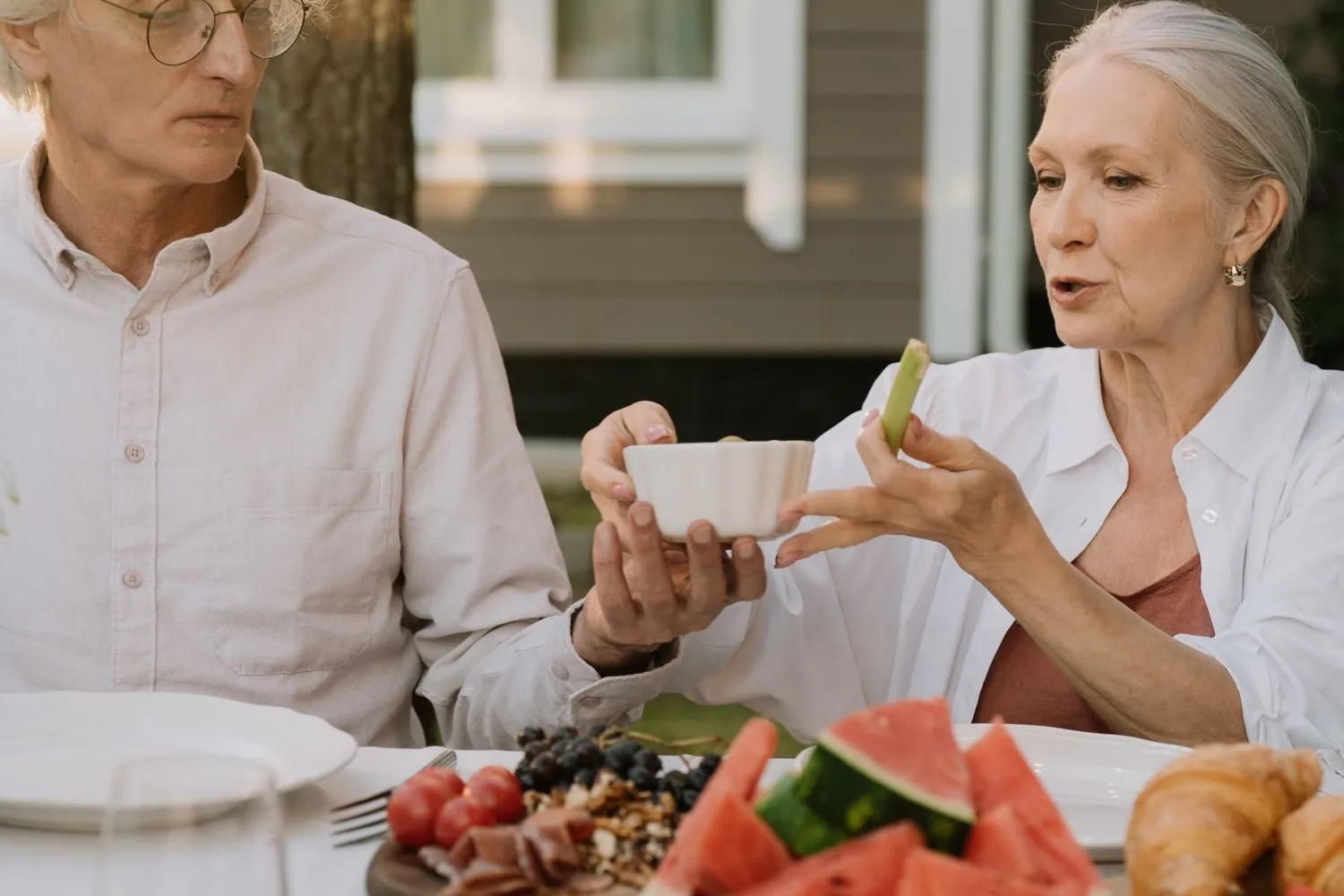
Lunch is often the easiest meal to eat well, since appetite tends to be strongest then. Keep dinner earlier and lighter than lunch, around 7 PM, so you are not lying down on a full stomach. Chapati can be softened with a little ghee or soaked in dal if chewing is tiring.
How much protein does an older adult need, and from which foods?
Many healthy older adults do well on roughly 1.0 to 1.2 grams of protein per kilogram of body weight daily, which is about 60 to 72 grams for a 60 kg person. Spread this across meals, aiming for about 20 to 25 grams at each main meal rather than loading it all at dinner.
People with kidney disease are often told to limit protein, so if you have kidney problems, get a personal number from your doctor or dietitian instead of using this range. Everyone else can use the table below to build meals. Figures are approximate and vary by brand, cooking method and portion size.
| Food | Typical portion | Protein (about) |
|---|---|---|
| Egg | 1 whole egg | 6 g |
| Cooked dal | 1 katori (about 150 g) | 7-9 g |
| Milk | 1 glass (200 ml) | 6-7 g |
| Curd | 1 katori (about 100 g) | 3-4 g |
| Paneer | 50 g | 8-9 g |
| Soya chunks (dry weight) | 25 g | 12-13 g |
| Roasted chana | 30 g | 5-6 g |
| Cooked fish or chicken | 100 g | 20-25 g |
| Roti | 1 medium | 3 g |
So a lunch of 2 rotis, 1 katori dal and 1 katori curd gives about 17 to 20 grams. Adding a small portion of paneer or an egg on the side lifts it into the target range. For more food ideas and everyday targets, see our protein and nutrition guide.
Myth check: “At my age, I need less of everything”
This is half true and half harmful. Calories often do come down a little, but protein, calcium and B12 needs stay put or rise. Cutting the whole plate in half, as many families quietly do, tends to shrink exactly the nutrients that protect muscle and bones.
Three related myths are worth correcting:
- “Dal and rice together is enough protein.” It helps, but a small katori of dal gives only about 7 to 9 grams. Add curd, an egg, paneer or fish for a proper meal.
- “Milk at night fixes everything.” One glass of milk gives roughly 6 to 7 grams of protein and a useful amount of calcium, but it cannot replace protein at breakfast and lunch.
- “Weight loss is always good at this age.” Unplanned weight loss in older adults is a warning sign, not a win. Losing muscle weakens balance and raises fall risk. Any unexplained loss should be checked.
Which nutrients quietly fall short, and where do they come from?
Calcium, vitamin D, vitamin B12 and fluids are the usual gaps in Indian diets after 60. Calcium comes from milk, curd, paneer, ragi and sesame. Vitamin D comes mainly from morning sunlight, with small amounts from eggs and fish. B12 comes from dairy, eggs and fish. Fluids come from water, buttermilk, dal and soups.
- Calcium: aim for dairy or calcium-rich foods at two or three eating occasions. A glass of milk gives about 250 to 300 mg, a katori of curd gives about 100 to 150 mg, and 2 tablespoons of ragi flour in a roti or porridge adds a useful amount. See our calcium and nutrition article for food lists.
- Vitamin D: a short walk in gentle morning sun helps, but food alone rarely covers it. Whether a supplement makes sense, and in what amount, is a decision for your doctor after a blood test.
- Vitamin B12: strict vegetarians and people on certain long-term medicines are more likely to run low. Ask your doctor about a B12 level before buying any tablet. Our vitamin nutrition guide explains the basics.
- Fluids: thirst weakens with age. Keep a bottle in sight and sip through the day. Plain water, nimbu pani without much sugar, buttermilk and thin dal all count. If you have heart or kidney conditions, ask how much fluid is right for you.
- Fibre: vegetables, fruit, whole wheat roti, oats and dal keep bowels regular. Add fibre gradually and drink water with it.
Troubleshooting: when appetite, teeth or cooking get in the way
A routine that ignores real obstacles fails within a fortnight. These are the common ones, with practical fixes that use ordinary Indian kitchens.
| Problem | What to try | Speak to a doctor if |
|---|---|---|
| Low appetite at mealtimes | Serve small, hot, flavourful portions; add jeera, lemon, ginger or a spoon of chutney; eat the protein first | It lasts more than 2 weeks or weight keeps falling |
| Chewing or denture trouble | Soft dal, khichdi, idli, scrambled eggs, mashed paneer bhurji, curd, smoothies from milk and banana | Pain, mouth sores or coughing while eating |
| Tiring to cook | Batch-cook dal, boil eggs, soak chana at night, keep ready-to-eat curd and fruit at hand | Cooking is unsafe due to dizziness or weakness |
| Acidity or bloating | Smaller meals, earlier dinner, less fried food, sit upright for 30 minutes after eating | Black stools, repeated vomiting or chest discomfort |
| Eating alone | Share at least one meal with family, a neighbour or a video call; ask someone to cook together | Low mood or loss of interest in food persists |
Family members can help most by noticing patterns, such as meals left half-eaten or new weight loss, without turning meals into arguments. More caregiver-focused ideas are in our nutrition for elderly article.

Where does movement fit into the eating day?
Food and movement work as a pair: protein without muscle-strengthening activity does little, and exercise without enough protein falls short. For most healthy older adults, a daily walk of about 20 to 30 minutes plus light strength work on two or three days a week is a sensible target, built up slowly and with your doctor’s approval.
Time your activity for when energy is best, often mid-morning after breakfast. A snack with protein, such as curd or a glass of milk, within a couple of hours afterwards supports recovery. Balance work can be as simple as standing on one foot while holding a kitchen counter. If you want guided, low-impact sessions, online yoga classes build flexibility and balance, and 1-on-1 personal training can set safe strength routines around joint problems.
When should you see a doctor or registered dietitian?
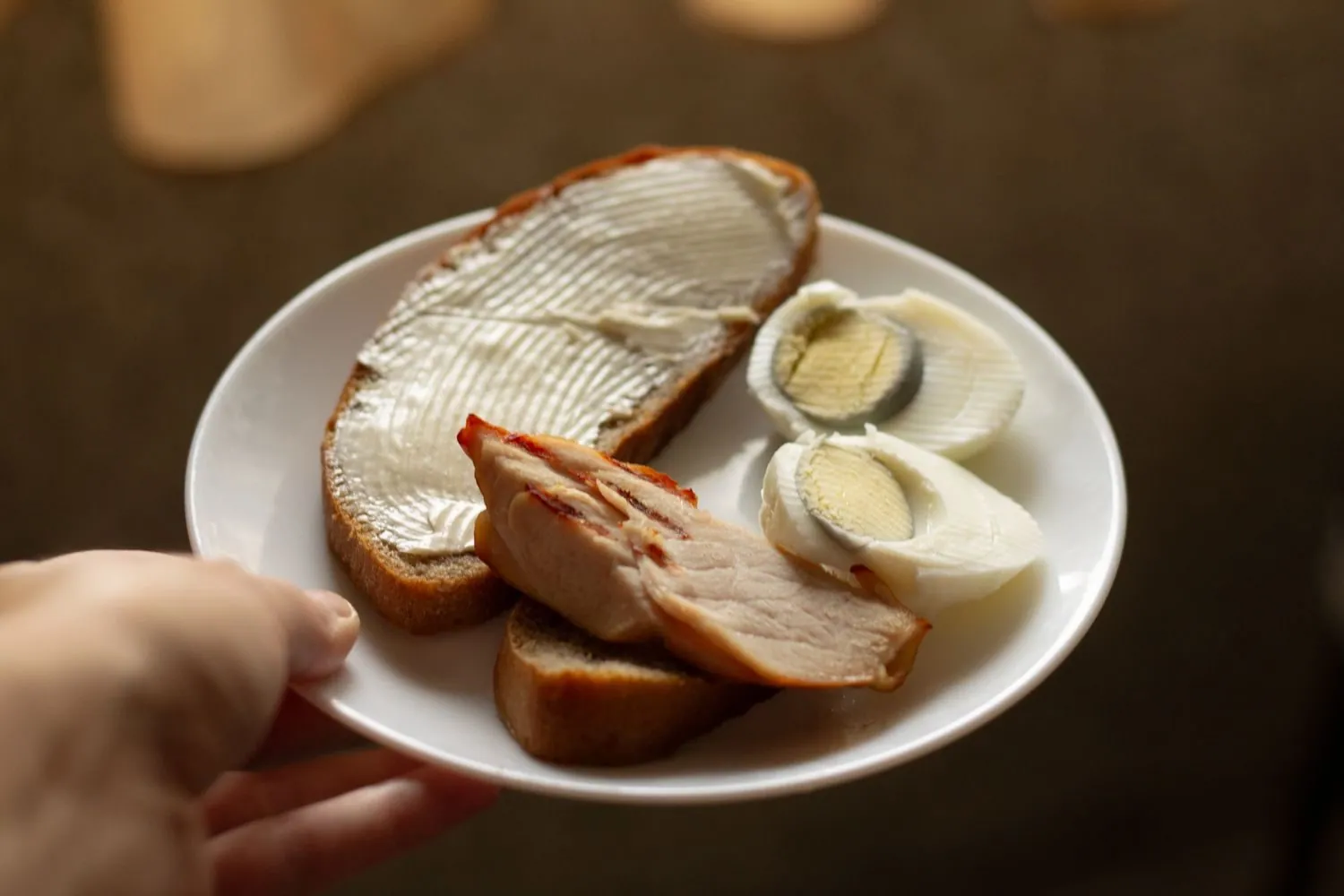
See your doctor or a registered dietitian before changing your diet if you have diabetes, kidney, liver or heart disease, take blood thinners or several regular medicines, or have swallowing trouble. Also get checked promptly for unplanned weight loss, persistent loss of appetite, repeated falls or unusual tiredness. Food advice online cannot replace a personal assessment.
Some medicines and foods interact. For example, certain blood thinners are affected by sudden changes in green leafy vegetables, and some medicines need food while others need an empty stomach. Do not stop, change or time any medicine around meals on your own. A pharmacist can usually review your list in a few minutes at the next refill.
Nothing here promises a particular result. Healthy eating supports strength and energy, but it does not cure disease, and it works best alongside regular check-ups, sleep, movement and company.
Frequently asked questions about nutrition in old age
Is it better to eat three big meals or several small ones in old age?
For many older adults, three moderate meals plus two or three small snacks, roughly every three hours, are easier to finish than three large plates. The total for the day matters more than the exact number of meals, so choose the pattern you can keep up.
How much protein should an older adult eat at each meal?
Aim for about 20 to 25 grams at each main meal, from foods like dal with curd, eggs, paneer, fish or chicken. Spreading protein evenly across the day works better than eating most of it at dinner. People with kidney disease should ask their doctor for a personal target.
What time should an older adult have dinner?
Earlier and lighter is a sensible default, around 7 PM and smaller than lunch, so digestion is easier and sleep is less disturbed. If a long gap before bed brings hunger, a small glass of warm milk or a few spoons of curd is enough.
Do older adults need supplements?
Not automatically. Many needs can be met through food, but vitamin D and B12 are commonly low in India. Whether you need a supplement, and how much, should be decided by your doctor after a blood test, not by guesswork.
Should I eat before or after exercise?
For light activity like a walk, no special food is needed. Before longer or stronger sessions, a small snack such as a banana helps with energy. After strength work, a protein snack like curd, milk or an egg within a couple of hours supports recovery.
If you would like a plan built around your medicines, appetite and kitchen, you can book an online nutritionist consultation with Fitstrot and get a simple one-week eating chart you can share with your family.


