

The honest way to think about bmi and nutrition is this: BMI is a quick screening number, not a verdict on your health and not a diet prescription. It compares your weight with your height and nothing else. It cannot see muscle, belly fat, age or family history, so two people with the same number can need very different food plans. Used well, it is a first checkpoint. Used alone, it misleads.
If your result ever felt wrong, such as “overweight” despite regular gym sessions, or “normal” alongside a growing waistline, that is a known limit of the formula, not a personal failing. This guide covers what BMI measures, how Indian cut-offs differ, how to add a waist measurement, and how to link it all to your plate. It is general education, not medical advice.
What does BMI measure, and how do you calculate it?
BMI (body mass index) is your weight in kilograms divided by your height in metres squared. A person who is 70 kg and 1.70 m tall has a BMI of about 24.2 (70 divided by 2.89). It is a screening tool: it can flag possible risk, but it cannot diagnose excess body fat or illness.
A Belgian mathematician devised the formula in the 1830s to describe populations, not judge individuals. It survives because it is free and instant. The standard WHO adult bands are:
- Below 18.5: underweight
- 18.5 to 24.9: normal range
- 25.0 to 29.9: overweight
- 30.0 and above: obese (further split into classes at 35 and 40)

Weight for your height: a quick reference table
Rearranging the formula gives the weight that matches any BMI: weight = BMI × height squared. This table shows roughly what that looks like at common heights, using the WHO lower limit of 18.5, the Indian “start of overweight” mark of 23, and the WHO upper limit of normal at 25. These are reference points, not targets.
| Height | Weight at BMI 18.5 (about) | Weight at BMI 23 (about) | Weight at BMI 25 (about) |
|---|---|---|---|
| 150 cm | ~42 kg | ~52 kg | ~56 kg |
| 155 cm | ~44 kg | ~55 kg | ~60 kg |
| 160 cm | ~47 kg | ~59 kg | ~64 kg |
| 165 cm | ~50 kg | ~63 kg | ~68 kg |
| 170 cm | ~53 kg | ~66 kg | ~72 kg |
| 175 cm | ~57 kg | ~70 kg | ~77 kg |
| 180 cm | ~60 kg | ~75 kg | ~81 kg |
Notice the spread: at 165 cm the “normal” band covers about 18 kg, and where you sit inside it says little about fitness or nourishment.
Is the Indian BMI cut-off different from the WHO one?
Often, yes. Many Indian doctors use lower cut-offs than the WHO’s global 25 and 30, treating a BMI of 23 to 24.9 as overweight and 25 or above as obese. The reason is that South Asians tend to carry more fat around the abdomen at the same BMI. Ask your doctor which scale they apply to you.
This is why a healthy bmi range for Indians is often quoted as about 18.5 to 22.9, narrower than the global 18.5 to 24.9. Guidance varies between clinics, and these numbers are for screening, not diagnosis. A “normal” global reading can still sit close to risk for you, which makes a waist measurement more important.
Myth: “My BMI is normal, so my diet must be fine”
A normal reading does not prove good eating. Some people have a normal BMI but high body fat and little muscle, often called “skinny fat” or normal-weight obesity. Thin arms and legs with a soft belly are the typical picture, and the formula misses it.
The usual pattern is easy to spot: skipped breakfast, tea and biscuits, a refined lunch of white rice or maida snacks, little dal or paneer, and almost no strength work. Protein stays low, muscle slowly shrinks, and fat shifts to the middle while the weight barely moves.
Hidden gaps matter too. Low iron, vitamin B12 and vitamin D are common in India and can sit alongside any BMI; only a blood test shows them. If you fit the pattern above, two strength sessions a week, such as in 1-on-1 personal training, plus protein at every meal beats chasing a lower number.
The reverse myth is also common: a high BMI often points to risk, but a muscular person with a flat waist and good blood tests may be perfectly fine.
Who does BMI mislead the most?
BMI misleads most for regular strength trainers, people with a normal BMI but a large waist, South Asian adults, people over 50, pregnant women and children. It cannot see muscle, belly fat or growth stages. This matrix shows what to add for a truer picture.
| Who | What BMI shows | What it misses | Add this check |
|---|---|---|---|
| Regular strength trainers | Often “overweight” | Muscle is dense, so a lean body can score high | Waist measurement, body-fat estimate, strength progress |
| Normal BMI with a belly | “Normal” | Fat stored around the abdomen and organs | Waist, waist-to-height ratio, blood sugar and lipids |
| South Asian adults | “Normal” up to 24.9 on the global scale | Higher risk at lower BMI | Indian cut-offs of 23 and 25, plus waist |
| Adults over 50 | A steady number | Slow muscle loss and fat gain under the same weight | Grip and leg strength, waist, protein intake |
| Pregnancy | Not interpreted in the usual way | Weight gain is expected and monitored differently | Your gynaecologist’s weight-gain guidance |
| Children and teens | An adult number | Growth stages differ by age and sex | Age and sex growth charts read by a paediatrician |
From the forties onward, most people slowly lose muscle and gain fat even when the scale stays flat, so protein and strength work matter more with time. If you train hard, our guide to sports nutrition explains how to fuel without being misled by BMI.
How to measure your waist and read three numbers together
Waist size is the best free companion to BMI because it reflects abdominal fat, the type most tied to blood sugar, blood pressure and cholesterol problems. Try this monthly routine.
- Measure in the morning. Do it before eating, in light clothing, standing relaxed.
- Find the right spot. Place a soft tape halfway between the lowest rib and the top of the hip bone, roughly at navel level, parallel to the floor.
- Breathe out normally. Read the tape after a relaxed exhale. Do not suck in or pull tight.
- Compare with a cut-off. Commonly used South Asian marks are about 90 cm for men and about 80 cm for women. Western guidance uses about 102 cm and 88 cm. A simple rule is to keep your waist below half your height, so under about 85 cm at 170 cm.
- Write down three things: BMI, waist, and one performance marker, such as climbing three floors without struggling or your energy through the afternoon.
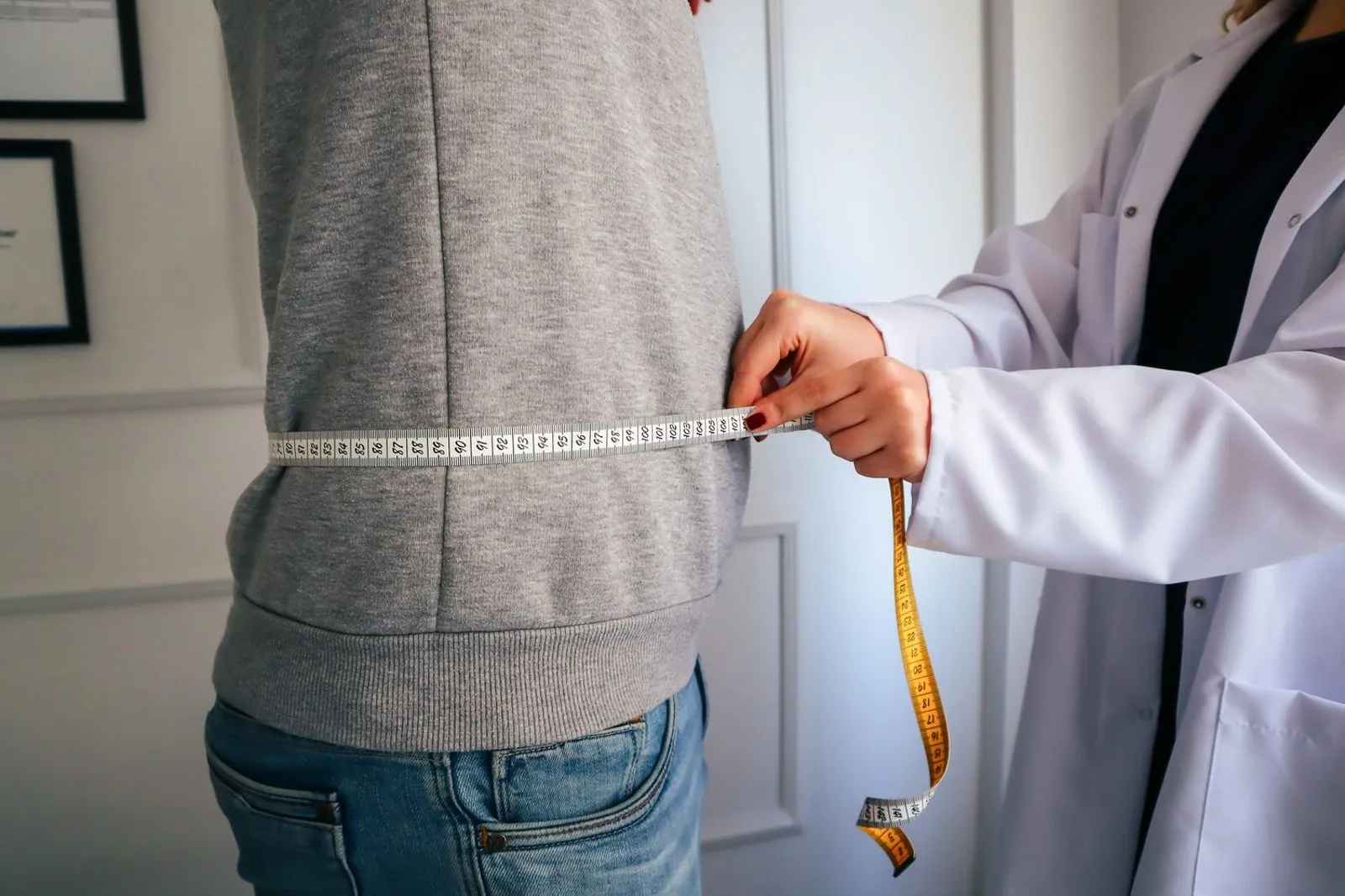
When all three agree, you have a dependable signal. When they disagree, that is useful too. Waist cut-offs are screening marks; blood tests ordered by your doctor remain the real check.
How should your BMI band shape what you eat?
Your BMI should start a conversation, not dictate a diet. Underweight needs more energy and protein, a normal reading needs steady balanced meals, and a high reading or large waist needs gradual, doctor-checked change of roughly 0.25 to 0.5 kg a week. In every case, build meals around dal, vegetables, curd and whole grains.
| Your situation | Check first | Eating focus with Indian foods | Go easy on |
|---|---|---|---|
| BMI below 18.5 | Doctor visit to rule out thyroid, gut or anaemia causes | Add energy and protein steadily: milk or curd, an extra egg or about 50 g paneer, about 25 g peanuts or almonds, banana | Skipping meals, long gaps, only tea for breakfast |
| BMI 18.5 to 22.9 | Waist and energy levels | Maintain: one dal katori, vegetables, curd and 2 rotis or one katori (about 150 g) cooked rice per meal | Daily fried snacks and sugary chai |
| BMI 23 to 24.9 | Waist, family history of diabetes or heart disease | Small swaps: whole grains for refined, protein at each meal, vegetables filling half the plate | Maida snacks, sweet drinks, late heavy dinners |
| BMI 25 or above, or waist above cut-off | Doctor check of blood sugar, blood pressure, cholesterol | Gradual change: smaller rice portion, more dal, sabzi, salad and curd, measured rotis | Crash diets, juice-only days, skipping dinner |
| High BMI but muscular, flat waist | Waist and a body-fat estimate | Keep protein steady and match food to training | Cutting calories hard because of the number |
| Normal BMI, large waist | Same blood tests as above | Protein at every meal, strength training, fewer refined carbs | Assuming a normal BMI means no change is needed |
A usual protein starting point for healthy adults is roughly 0.8 to 1 g per kg a day, so about 48 to 60 g for a 60 kg person. One dal katori gives about 7 g, two eggs about 12 g, and 50 g paneer about 9 g. A dietitian can adjust this if you train, are older, or have a medical condition.
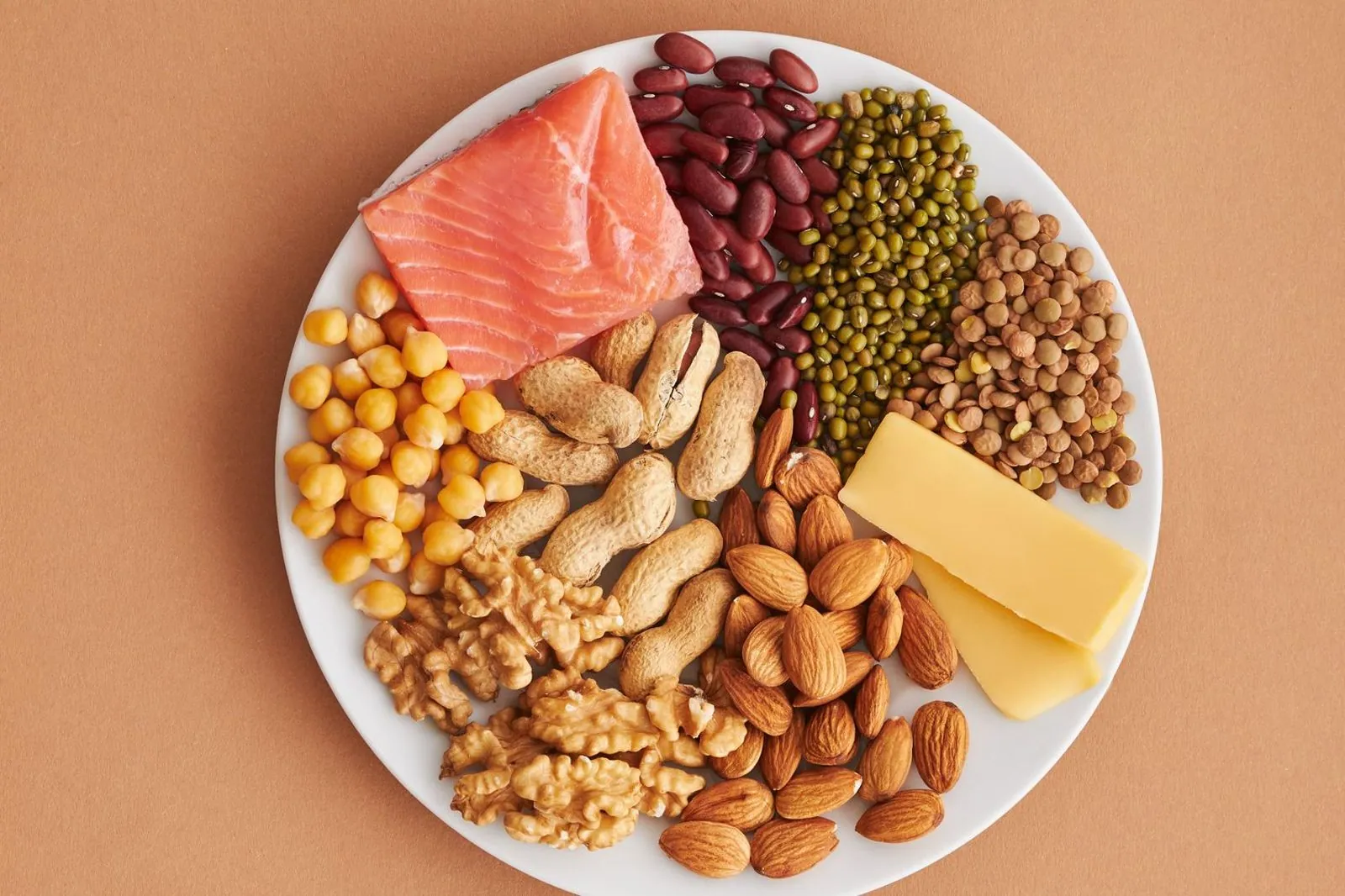
For the plate, aim for half vegetables, a quarter protein and a quarter whole grain. Our guide to nutritional balance for weight loss shows how. If your goal is losing weight, nutrition for weight loss and a sample nutrition diet chart for weight loss give structure, while nutrition and fat loss explains why losing fat is not the same as losing weight. If your BMI is low, see nutrition for weight gain for healthy ways to add weight.
Troubleshooting: when your BMI and the mirror disagree
- High BMI, flat waist, strong body. Muscle or a larger frame is likely. Track waist and strength, and avoid a crash diet.
- Normal BMI, big waist. Raise protein, add strength training two or three days a week, and trim sugary drinks and fried snacks.
- Scale stuck, waist shrinking. Usually good news: fat is falling while muscle holds. Keep going.
- Weight changing without a change in eating. Do not guess. Thyroid and hormonal causes are worth testing, and our thyroid and nutrition guide explains the eating side.
- Obsessing over the number. If BMI is driving skipped meals or guilt, step back; an online weight loss trainer can shift the focus to habits and strength.
Hormones and life stages can also shift weight; our women’s nutrition guide covers them.
When should you see a doctor or registered dietitian about your BMI?
See a doctor or registered dietitian if your BMI is below 18.5 or at 25 and above, your waist is above the cut-offs, or you are gaining or losing weight without trying. Check in before changing your diet if you are pregnant, diabetic, or have thyroid, kidney or heart conditions, or take regular medicines.
Never stop, skip or change a medicine because of a BMI number or a diet plan; that decision belongs to your prescribing doctor. Seek help sooner for persistent tiredness, breathlessness, unexplained weight loss, or restricting food out of fear of weight gain.
Your doctor can read BMI alongside blood tests and history, and a registered dietitian can turn that into meals you will actually eat.
Frequently asked questions
Can I have a normal BMI and still have too much body fat?
Yes. A normal BMI only means your weight suits your height. If you have little muscle and more fat around the middle, you can still carry too much body fat. A waist measurement or body-composition check, plus a protein-rich diet and strength work, helps close that gap.
What is a healthy BMI for Indians?
Many Indian doctors treat about 18.5 to 22.9 as the healthy range, with overweight starting near 23 and obesity near 25. The WHO global scale uses 25 and 30. Guidance varies, so ask your doctor which scale and which waist cut-off apply to you.
Does BMI work for children and teenagers?
Not with the adult bands. Under 18, BMI is read against age and sex growth charts, because bodies change quickly during growth, and a paediatrician should interpret it. Avoid restrictive diets for children without medical advice.
How often should I recheck my BMI and waist?
Once a month, at the same time of day, is plenty for most adults. Daily checks mostly record water and food weight. Watch the direction over three months, alongside your energy and strength.
Should I eat differently if my BMI is high or low?
Not based on BMI alone. A low number usually calls for more energy and protein, and a high number or large waist calls for gradual changes in portions and food quality. Because causes vary, get a doctor’s check first, then a plan from a registered dietitian.
Unsure what your numbers mean for your plate? Book an online nutritionist consultation with Fitstrot, and bring your height, weight, waist measurement and latest blood report so the plan fits you, not a formula.


