

Getting nutritional balance for weight loss right means covering your protein, fibre, healthy fat, vitamin and mineral needs while you eat fewer calories than you burn. It is easy to cut calories and quietly cut nutrients with them, because most vitamins and minerals arrive attached to food. Less food, less of everything in it. This guide shows how to balance macros and micros in a calorie deficit using ordinary Indian food: dal, roti, curd, eggs, sabzi and a few smart swaps.
Most people ask only “how many calories should I cut?” The better question is “what will my remaining calories carry?” For the wider foundations, our overview of nutrition for weight loss is a good companion read.
What does nutritional balance for weight loss actually mean?
In a deficit, nutritional balance means your lower calories still deliver about 1.2 to 1.6 g of protein per kg of body weight, about 25 to 30 g of fibre, a minimum of about 20% of calories from fat, and close to full daily amounts of iron, calcium, B12, vitamin D, magnesium and vitamin C.
Think of two budgets running together. The energy budget is calories in versus calories out. The nutrient budget is macros and micros. Macros are protein, carbohydrate and fat, needed in large amounts. Micros are vitamins and minerals, needed in tiny amounts but responsible for energy, immunity, bones and hair. Dieters guard the first budget closely and leave the second on autopilot, which works poorly once calories drop.
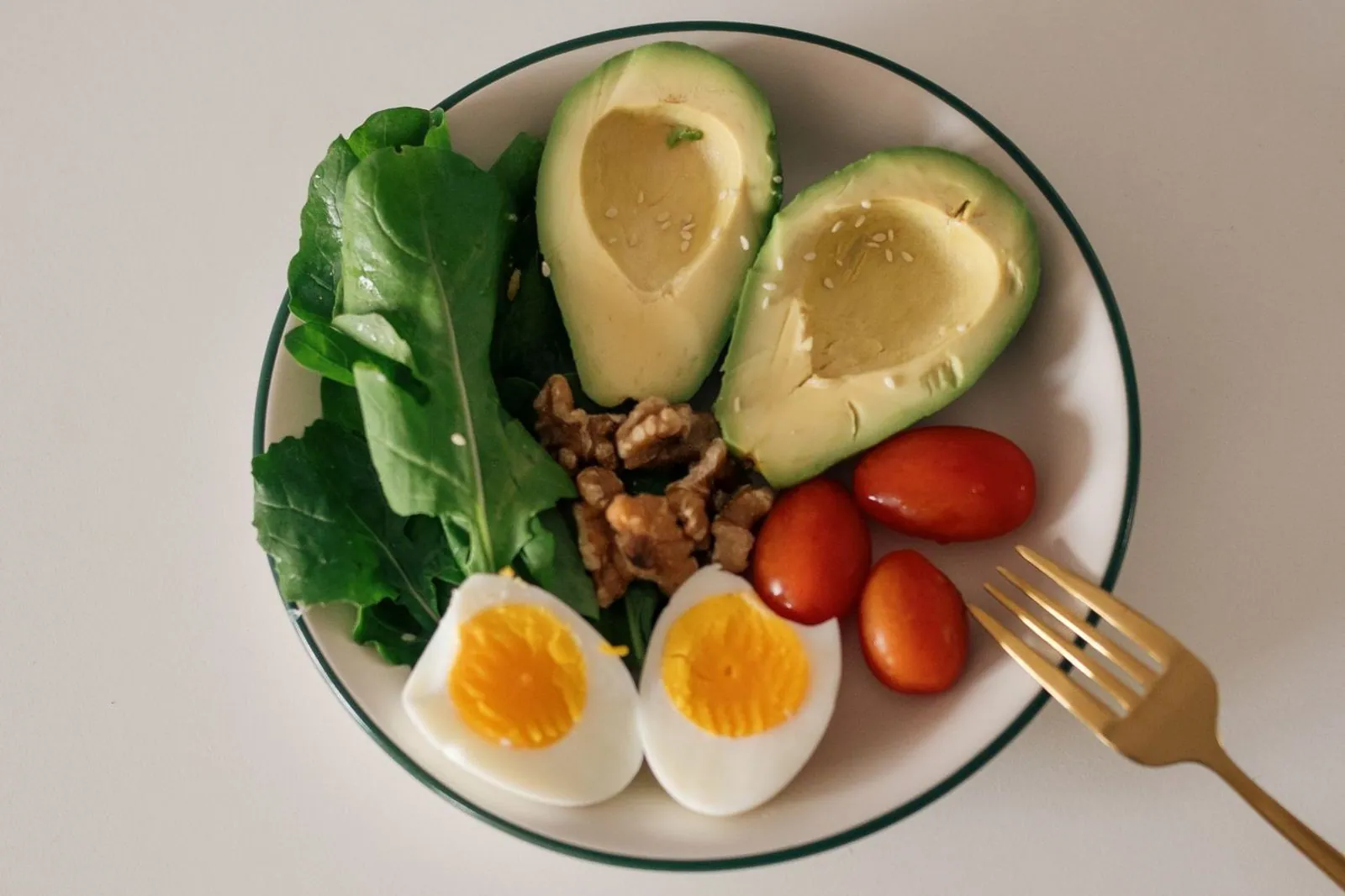
The link between both budgets is nutrient density: the vitamins, minerals and protein a food delivers per calorie. A katori of dal and a few low-calorie biscuits can both cost about 150 kcal, yet only the dal brings folate, iron, magnesium and protein.
How much protein, carbs and fat do you need in a calorie deficit?
In a deficit, aim for about 1.2 to 1.6 g of protein per kg of body weight and about 20 to 30% of calories from fat, then fill the rest with whole-grain carbohydrate. At about 1,600 kcal for 70 kg, that is roughly 90 to 105 g protein, 45 to 55 g fat, 170 to 205 g carbohydrate.
| Daily calories | Protein (g) | Fat (g) | Carbohydrate (g) | Fibre (g) |
|---|---|---|---|---|
| About 1,400 kcal | About 85-100 | About 40-45 | About 150-175 | About 25-30 |
| About 1,600 kcal | About 90-105 | About 45-55 | About 170-205 | About 25-30 |
| About 1,800 kcal | About 100-110 | About 55-65 | About 195-225 | About 25-30 |
Rows assume about 70 kg. At about 55 kg, protein drops to about 65 to 90 g.
Protein protects muscle and keeps you full. The basic 0.8 g per kg allowance only prevents deficiency, so it falls short for someone cutting calories. Our guide to protein and nutrition covers sources and timing.
Carbohydrate fuels workouts and your brain. Choose versions with fibre: whole wheat roti, ragi, bajra, jowar, oats and dal.
Fat carries vitamins A, D, E and K into your body. It holds about 9 kcal per gram against about 4 for protein or carbohydrate, so measure it instead of removing it.
Which Indian foods give the most vitamins and minerals per calorie?
Dal, chana, eggs, curd, palak, ragi, amla and a small handful of nuts give the most vitamins and minerals per calorie in an Indian diet. A day built around these plus mixed vegetables can cover protein, iron, calcium, folate, magnesium and vitamin C within about 1,400 to 1,600 kcal, with room left for roti or rice.
| Food | Typical serving | About kcal | What it brings |
|---|---|---|---|
| Dal (moong or masoor) | 1 katori cooked, about 150 g | About 130-160 | Protein about 8-10 g, folate, iron |
| Boiled chana or rajma | 1 katori, about 100 g | About 130-165 | Protein about 8-9 g, fibre about 7 g, iron |
| Whole eggs | 2 eggs | About 140-155 | Protein about 12 g, B12, choline, a little vitamin D |
| Toned-milk curd | 1 katori, about 150 g | About 90-100 | Protein about 5 g, calcium about 150-180 mg, B12 |
| Palak or methi sabzi | 1 katori, about 100 g | About 25 plain, about 70 with 1 tsp oil | Iron, folate, vitamin K, magnesium |
| Ragi roti | 1 medium, about 40 g flour | About 130-140 | Calcium about 130-140 mg, fibre |
| Amla | 2 small, about 40 g | About 20 | Vitamin C, often more than a day’s need |
| Almonds | About 15 nuts, 20 g | About 115-120 | Vitamin E, magnesium, healthy fat |
Values are rounded estimates and vary with cooking and portion. The pattern matters most: legumes and greens carry iron and folate, dairy and ragi carry calcium, eggs and dairy carry B12, amla and citrus carry vitamin C, and nuts carry magnesium and vitamin E.
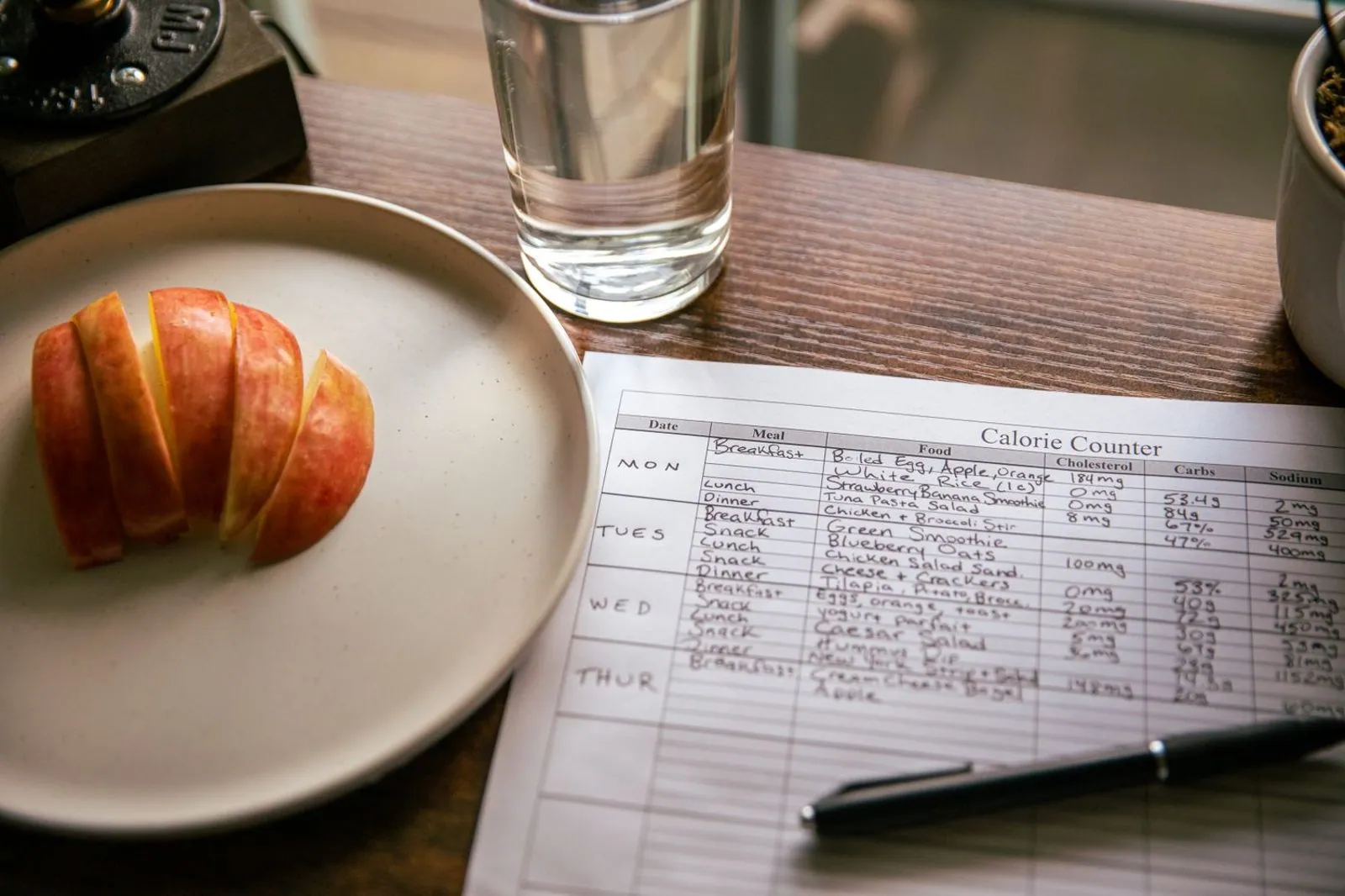
Two habits improve absorption: squeeze lemon on palak or dal, and keep chai or coffee about an hour away from iron-rich meals, since tannins reduce plant iron absorption.
Myth check: rice, roti and ghee are not what stalls your progress
Removing a whole food group usually worsens nutrition without speeding fat loss. Four myths come up again and again.
- Myth: cut all carbs and skip rice. A katori of cooked rice is about 180 to 200 kcal and a medium roti about 80 to 100 kcal. Portion them instead of banning them.
- Myth: ghee and oil must go. One teaspoon of ghee is about 45 kcal. Two to three teaspoons of visible fat a day fits a deficit and helps you absorb vitamins from vegetables.
- Myth: the fewer calories, the faster the loss. Very low intakes cost muscle, hair and hormonal health first. A modest deficit you can hold for months beats a crash plan.
- Myth: “diet” packaged foods are a safe swap. Many low-calorie biscuits and namkeen are light on calories because they are light on everything else.
Troubleshooting: tired, shedding or craving sugar mid-diet
Symptoms two to six weeks into a diet often signal an overdrawn nutrient budget. The table matches common complaints to a likely gap and a first food fix. It is a prompt to look closer, not a diagnosis.
| What you notice | Possible gap | Try this first | Get tested if |
|---|---|---|---|
| Tired even after a full night’s sleep | Iron, B12, or simply too few calories | Dal or chana daily, palak with lemon, eggs or curd | It lasts beyond about 2-3 weeks or you feel breathless |
| More hair in the comb or shower drain | Protein, iron, zinc, or too sharp a cut | About 20-30 g protein per meal, chana, curd | It lasts about 2-3 months or appears in patches |
| Constipation or cramps | Fibre, water, magnesium | Sabzi, salad, oats, nuts, steady water | It lasts over a week, or pain or blood appears |
| Frequent colds, slow wound healing | Protein, vitamin C, zinc, vitamin D | Amla or guava daily, legumes, morning sun | Infections keep returning |
| Strong 4 pm cravings | Too little protein or fibre at lunch | Add dal, curd or paneer to lunch | Cravings come with shakiness |
| Periods become irregular or stop | Calories too low overall | Raise intake to at least the safe floor below | Straight away: see a doctor |
Our article on nutritional deficiency explains how these gaps develop. Vitamin D is the one micronutrient food rarely fixes alone, and many indoor workers run low, so a blood test beats guessing.
Walkthrough: build a balanced 1,500 kcal day in five steps
Plan the nutrient side first, then let the calories settle around it.
- Set a modest deficit. About 300 to 500 kcal below maintenance, which usually means roughly 0.25 to 0.5 kg of loss a week.
- Fix protein first. Spread about 20 to 30 g across three or four meals: eggs, curd, dal, chana, paneer, fish or soya chunks.
- Fill half the plate with vegetables, about 200 to 250 g of sabzi and salad in varied colours.
- Measure carbohydrate and fat. About 1 to 2 rotis or 1 katori of rice per meal, and 2 to 3 teaspoons of oil or ghee across the day.
- Add daily extras: one calcium food, one vitamin C food and a small handful of nuts.
One sample day (all figures about; adjust to your size):
- Breakfast, about 380 kcal: two-egg vegetable bhurji (or two besan chillas), 1 roti, 1 guava.
- Mid-morning, about 150 kcal: 1 katori curd, 10 almonds.
- Lunch, about 430 kcal: 1 katori dal, 1 katori palak sabzi, salad with lemon, 2 rotis.
- Evening, about 150 kcal: 30 g roasted chana, lightly sweetened chai.
- Dinner, about 350 kcal: 1 roti, mixed sabzi, 1 katori chana or rajma, kachumber.
That lands near 1,450 to 1,500 kcal and about 60 g of protein, which suits a smaller adult. A 70 kg person would add about 50 g of paneer or one more egg. For more plates, see our nutrition diet chart for weight loss. Add strength sessions two to three times a week to protect muscle, and if you enjoy dance, Zumba for weight loss adds cardio that feels less like a chore.
How low can calories go before nutrition suffers?
For most adults, about 1,200 kcal a day for women and about 1,500 kcal a day for men is the lowest sensible floor without medical supervision, adjusted for size and activity. Below about 800 kcal a day, meeting iron, calcium, B vitamin and protein needs from food becomes very hard, so that range needs a doctor’s oversight.
These are floors, not targets, and a taller or very active person needs more. Signs you have cut too far include missed periods, constant dizziness, accelerating hair loss, feeling cold all the time and losing gym strength. The safe version of a faster goal is a smaller cut for longer. An online weight loss trainer can adjust food and exercise weekly as your body responds.
Vegetarian, vegan, over 40 or desk-bound: what to watch
- Vegetarians: Plan protein and iron. Combine dal with grains, add curd, paneer and soya chunks (measure dry, about 25 to 30 g a serving).
- Vegans and Jain diets: No plant food gives dependable B12, so fortified foods or a supplement are usually needed, after testing. Lean on ragi, sesame, greens and legumes.
- Women with heavy periods: Iron needs are higher. Test haemoglobin and ferritin before a long diet.
- Over 40: Muscle is harder to hold, so aim for the upper protein range and keep up strength work, calcium and vitamin D.
- Desk workers with little sun: Vitamin D is the usual gap, so ask for a blood test.
See your doctor or a registered dietitian first if you are pregnant or breastfeeding, have diabetes, thyroid disease, PCOS, kidney or liver disease, or take regular medication. These numbers are general guidance for healthy adults, not medical advice.
Should you take a multivitamin while losing weight?
A multivitamin can work as a small safety net in a deficit, but it cannot replace food. Pick one giving about 100% of daily values, not mega-doses, take it with a meal, and get vitamin D and B12 tested before adding extra of either. If symptoms persist despite a supplement, see a doctor rather than adding more pills.

Vitamins A, D, E and K can build up in the body, so high doses are risky without a test result. Our vitamin nutrition guide shows which vitamins are most often missed. Herbal blends are sometimes sold as nutrient fixes, but “natural” does not mean safe or proven; see our review of herbal nutrition for weight loss.
Want your own numbers worked out? Book an online nutritionist consultation with Fitstrot and get a deficit, a protein target and an Indian meal plan matched to your size, food habits and health history.
Frequently asked questions
Can you lose weight and still get all your vitamins and minerals?
Yes, in most moderate deficits of about 1,300 to 1,800 kcal, depending on your size and activity. Build meals from dal, vegetables, eggs or paneer, curd, whole grains and fruit, and limit low-calorie packaged foods, which cut calories but add few nutrients.
How much protein do I need per day while losing weight?
About 1.2 to 1.6 g per kg of body weight is a widely used range during a deficit. A 70 kg adult therefore needs roughly 85 to 110 g a day, spread over three or four meals, which is more than the basic 0.8 g per kg allowance.
Is it safe to eat under 1,200 calories a day?
Generally not without medical supervision. Intakes under about 800 kcal need clinical oversight, and even 800 to 1,200 kcal makes it hard to meet iron, calcium and B vitamin needs from food alone. A smaller deficit over more weeks is the safer route.
Which vitamin deficiency causes hair fall while dieting?
Low iron, zinc, vitamin D and protein are the usual suspects, and a very sharp calorie cut can trigger shedding on its own. If hair fall lasts beyond two to three months or appears in patches, get blood tests before buying supplements.
Do I need a multivitamin if I eat a balanced diet while losing weight?
Not always. A varied diet at a moderate deficit may cover most needs, but a multivitamin can help if calories sit near the floor or you avoid dairy, eggs or meat. Test vitamin D and B12 first, and keep to about 100% of daily values.


