
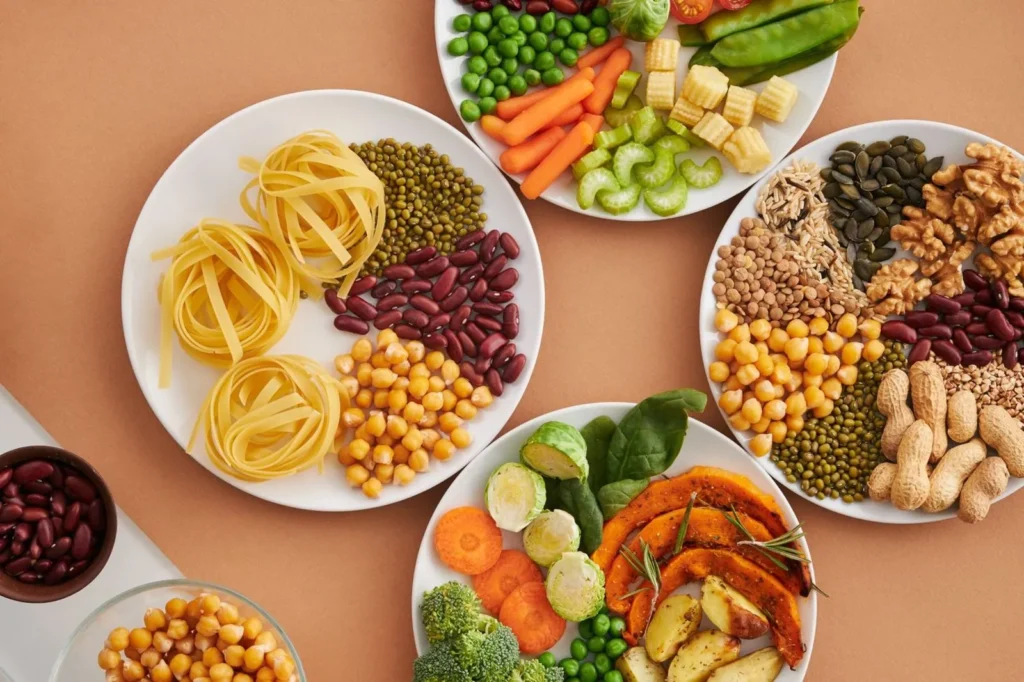
Nutritional anemia is low hemoglobin caused by a shortfall of the nutrients your bone marrow needs to build healthy red blood cells, mainly iron, vitamin B12 and folate. It is common in India, it creeps up slowly, and it is often mistaken for plain tiredness. This guide to nutritional anemia shows how the three types differ, what to look for, which everyday Indian foods help, and when food alone is not enough.
What is nutritional anemia, and which nutrients cause it?
Nutritional anemia is a drop in hemoglobin, the oxygen-carrying protein in red blood cells, caused by too little iron, vitamin B12 or folate. The shortfall can come from the plate, from poor absorption, or from higher demand during pregnancy, growth or blood loss. Roughly half of Indian women of reproductive age are estimated to be anemic, and most of it is nutritional.
Unlike inherited blood disorders, this form traces back to diet, absorption or demand, which is why it often responds well when the real gap is found and corrected. If you want the wider picture of how gaps build up, our piece on nutritional deficiency is a good starting point, and our article on the causes of nutritional anemia goes deeper on the triggers.
The three types side by side
Iron deficiency anemia, vitamin B12 deficiency anemia and folate deficiency anemia look alike from the outside, but the fix is different for each. Use this table to see how they compare, then let a blood test decide which one is yours.
| Feature | Iron deficiency | Vitamin B12 deficiency | Folate deficiency |
|---|---|---|---|
| Red cell size | Small and pale | Large and immature | Large and immature |
| How common | Most common worldwide | Common in vegetarians and vegans | Less common, rises in pregnancy |
| Typical clues | Fatigue, pallor, brittle nails, craving ice or clay | Tingling in hands and feet, balance trouble, sore tongue | Fatigue, sore tongue, irritability |
| Usual triggers | Low intake, heavy periods, poor absorption | No animal foods, low stomach acid, some long-term medicines | Few greens and dals, heavy alcohol use, pregnancy |
| Food sources | Dals, rajma, ragi, bajra, greens, eggs, fish, meat | Milk, curd, paneer, eggs, fish, meat | Methi, palak, dals, beans, beetroot, citrus |
Two deficiencies can also exist together, for example iron plus B12. One shrinks red cells while the other enlarges them, so a basic count can look deceptively normal. That is one more reason guessing is a poor strategy.
What are the symptoms of nutritional anemia?
Symptoms of nutritional anemia include tiredness that sleep does not fix, pale skin or inner eyelids, breathlessness on stairs, dizziness, cold hands and feet, and a racing heartbeat. They usually build over weeks to months, so many people adapt without noticing. B12 deficiency can add tingling, numbness or unsteady walking.
- Fatigue and weakness that feels out of proportion to your day
- Pale skin, lips or nail beds, and nails that are brittle or spoon-shaped
- Breathlessness or a pounding heart during activity that used to feel easy
- Headaches, dizziness or poor concentration
- Hair shedding that is heavier than usual
- Pica, an urge to chew ice, chalk or clay, which points toward iron
- Tingling, numbness or a smooth, sore tongue, which point toward B12 or folate
None of these is proof on its own. Thyroid problems, poor sleep and stress can look identical, which is why a simple blood test beats guessing. Our guide to the nutritional management of anemia covers what recovery looks like once you know the cause.

Four myths about nutritional anemia, corrected
Myth 1: “I eat enough, so it cannot be me”
Quantity is not the whole story. Tea with meals, a low-vitamin-C plate, gut problems or heavy periods can leave you short even when you eat plenty of food. Absorption and loss matter as much as intake.
Myth 2: “Spinach is the best iron food”
Leafy greens contain iron, but it is the type the body absorbs poorly, and compounds in greens bind part of it. They are still worth eating, mainly for folate, but they should not be your only plan. Pair them with lemon or amla and add dals, millets and, if you eat them, eggs or fish.
Myth 3: “More iron tablets can only help”
Iron you do not need can upset the stomach and can hide other conditions, and the wrong tablet will not fix a B12 or folate gap. Supplements should be started, dosed and stopped by your doctor, never by symptoms alone.
Myth 4: “Jaggery or one miracle food cures it”
Jaggery contains some iron and is fine in small amounts, but no single food corrects anemia. Think of the whole pattern of meals, not a hero ingredient.
Who needs to be extra careful?
Some groups face a higher chance of nutritional anemia and should ask about screening even without symptoms:
- Women with heavy or long periods, because blood loss drains iron. See our notes on women’s nutrition.
- Pregnant women, whose iron and folate needs rise sharply. Our page on nutrition for pregnant women explains how to plan meals around this, and your doctor decides on any supplements.
- Vegetarians and vegans, since B12 sits almost entirely in animal foods and plant iron absorbs less easily.
- Teenagers, who need extra iron during growth spurts and often skip breakfast or rely on packaged snacks.
- Older adults, who may absorb B12 less well as stomach acid falls.
- People with gut conditions or on long-term acid-reducing medicines or metformin, which can interfere with absorption. Never change a prescribed medicine on your own; raise it with your doctor.
How is nutritional anemia diagnosed?
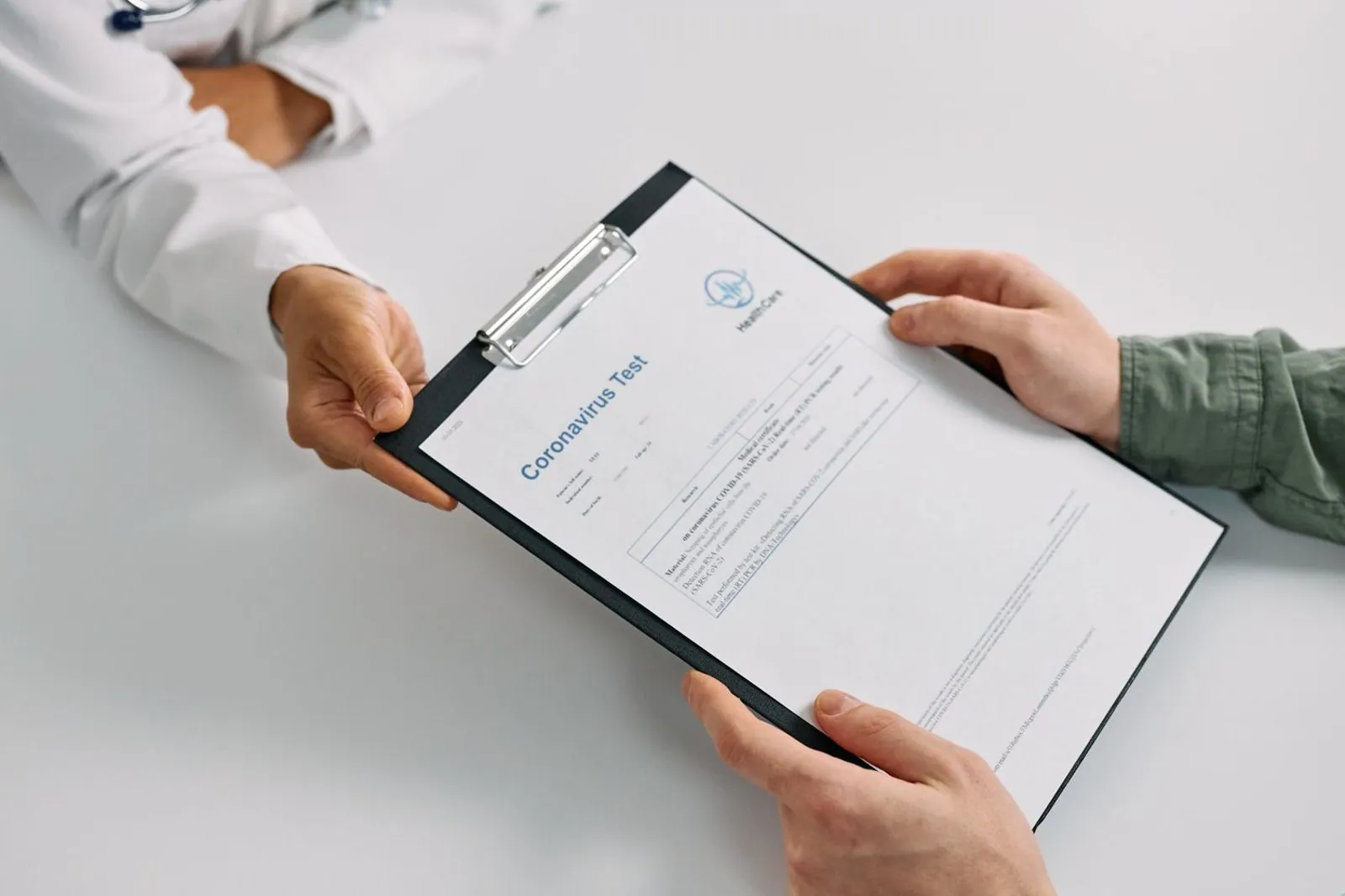
Doctors diagnose nutritional anemia with a complete blood count (CBC), which measures hemoglobin and red cell size. Hemoglobin below about 13 g/dL in men, 12 g/dL in non-pregnant women and 11 g/dL in pregnancy usually counts as anemia. Follow-up tests such as ferritin, B12 and folate then identify the missing nutrient.
Cell size gives a first clue: small and pale cells lean toward iron, large cells lean toward B12 or folate. Your doctor may also look for causes unrelated to food, such as chronic disease or blood loss. Bring your latest report to any dietitian you see so the advice matches your numbers.
Foods for anemia: an Indian cheat sheet
A diet for anemia works best when every meal carries a mix of iron, B12 and folate sources. The figures below are rough and vary with variety, soil and cooking, so treat them as a guide to what to choose more often, not a prescription.
| Food | Main nutrient | Rough guide | Absorption tip |
|---|---|---|---|
| Rajma, chana, lobia (cooked) | Iron, folate | About 2-4 mg iron per 100 g | Soak, then pressure cook; squeeze lemon on top |
| Ragi or bajra flour | Iron | Roughly 4-8 mg iron per 100 g raw flour | Fermented ragi dosa or idli absorbs better than plain roti |
| Palak, methi, amaranth leaves | Folate, some iron | Roughly 2-4 mg iron per 100 g cooked | Add tomato or lemon; keep tea away |
| Eggs | Iron, B12 | About 1 mg iron per egg | Pair with a vitamin C fruit |
| Fish, chicken, mutton | Iron (heme), B12 | About 1-3 mg iron per 100 g | Heme iron is absorbed more readily than plant iron |
| Milk, curd, paneer | B12 | Modest B12 per serving; no real iron | Keep dairy a little apart from your iron-rich meal |
| Beetroot, amla, guava, oranges | Folate, vitamin C | Vitamin C helps iron uptake | Eat with the meal, not hours later |
| Sesame, pumpkin seeds, raisins, dates | Iron | Small amounts, useful as snacks | Soak raisins or dates overnight |
One day of iron-smart eating, step by step
You do not need an exotic plan. This sample day is built from ordinary Indian meals, and a vegetarian swap is shown in each row. Portions are for a typical adult and should be adjusted by your dietitian.
| Meal | Non-vegetarian option | Vegetarian option | Why it works |
|---|---|---|---|
| Breakfast | 2 egg bhurji with tomato, 1 multigrain roti, orange | Ragi dosa with sambar, guava slices | Iron plus vitamin C at the same sitting |
| Mid-morning | Handful of roasted chana | Handful of roasted chana and soaked raisins | Plant iron and folate |
| Lunch | Fish curry, dal, rice, methi sabzi, lemon | Rajma, rice, palak sabzi, curd, lemon | Dal or beans for iron and folate, lemon for absorption |
| Evening | Til chikki or a fruit, then tea one hour after lunch | Sprouts chaat with lemon, tea later | Keeps tea away from meals |
| Dinner | Chicken or paneer, bajra roti, lauki sabzi | Paneer or tofu, bajra roti, beetroot salad | Millet iron and B12 from dairy or animal foods |
Cooking in an iron kadhai or tawa can add a little iron to the food, which is a small, harmless boost. For protein-rich ideas that also support red cell production, see our guide on protein and nutrition, and our overview of diet and nutrition for building a balanced base.
Why is my anemia not improving? Troubleshooting
- Tea or coffee with meals. Move them to at least an hour before or after eating.
- No vitamin C on the plate. Add lemon, amla, tomato, guava or citrus to iron-rich meals.
- Wrong nutrient. If the problem is B12 or folate, extra iron will not help. Recheck your report.
- Ongoing blood loss. Heavy periods or gut bleeding need a medical cause found and treated.
- Poor absorption. Celiac disease, gut surgery and low stomach acid can block uptake even on a good diet.
- Stopping too early. Feeling better in a few weeks does not mean stores are refilled. Follow your doctor’s plan and follow-up testing.
- Whole-grain and pulse phytates. Soaking, sprouting and fermenting reduce their blocking effect.
For a closer look at how the three deficiencies overlap with one another, our page on nutritional deficiency anemia adds more detail, and vitamin nutrition explains how B vitamins work together.
When should you see a doctor or registered dietitian?
See a doctor if tiredness, breathlessness, dizziness or a racing heartbeat lasts more than a couple of weeks, or if you have heavy periods, are pregnant, or follow a strict vegetarian or vegan diet. Seek urgent care for fainting, chest pain or severe breathlessness. A registered dietitian can then turn your results into daily meals.
This article is general education, not a diagnosis. Please do not start, stop or change any supplement or medicine on the basis of what you read here. Nutritional anemia can have more than one cause, and the right treatment, whether tablets, injections or a food plan, depends on your blood tests and your doctor’s judgment. Food is a strong partner to treatment, not a replacement for it, and no outcome is guaranteed.
Frequently Asked Questions
What is the main cause of nutritional anemia?
The main cause is too little iron, vitamin B12 or folate for the body’s needs. That can be low intake, poor absorption from gut problems or certain medicines, or higher demand from pregnancy, growth or blood loss. A blood test shows which nutrient is actually low in your case.
Can nutritional anemia be fixed with diet alone?
Mild cases sometimes improve with better food choices, but moderate or severe anemia usually needs treatment guided by a doctor. Diet supports recovery and helps prevent a relapse, so use it alongside medical care rather than instead of it.
How long does it take to recover from nutritional anemia?
Many people feel less tired within a few weeks of the right treatment, but refilling stores and normalizing blood counts typically takes a couple of months or longer. Speed depends on severity, the cause and how consistently the plan is followed, so keep your follow-up tests.
Is nutritional anemia the same as iron deficiency anemia?
No. Iron deficiency anemia is the most common kind of nutritional anemia, but the term also covers vitamin B12 deficiency anemia and folate deficiency anemia. All three come from nutrient shortfalls rather than inherited blood or bone marrow disorders.
What should vegetarians eat to prevent nutritional anemia?
Vegetarians can build meals around dals, rajma, chana, ragi, bajra, leafy greens and seeds, with lemon or amla on the side, and keep tea away from meals. B12 is the hard one because it comes mainly from animal foods, so ask your doctor or dietitian whether fortified foods or a supplement suit you.
If your report shows low iron, B12 or folate, book an online nutritionist consultation with Fitstrot and bring your blood test, so we can turn it into a weekly Indian meal plan that works alongside your doctor’s treatment.


