
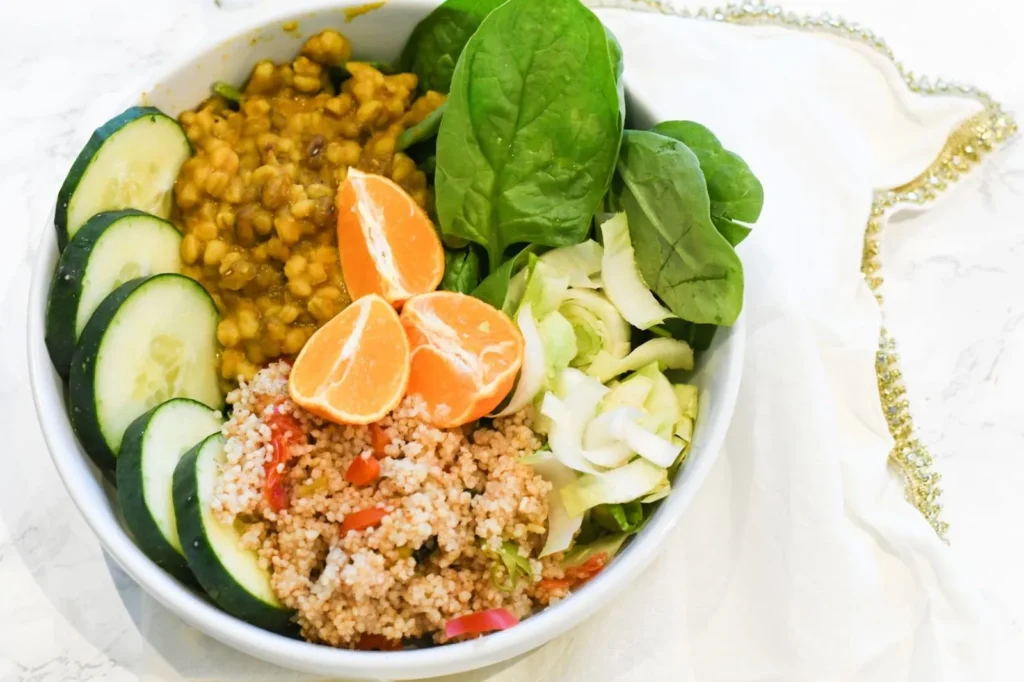
The nutritional management of anemia is about three things done together: eating iron, vitamin B12 and folate through the day, arranging meals so your body can absorb them, and getting blood tests repeated so you know whether the plan works. Food is a support for treatment, not a replacement for it. This guide shows how that looks on an Indian plate, from dal and chaas to chai timing.
It is written for people who already have a diagnosis, or whose doctor has asked them to improve their diet while tests continue. If you are still trying to understand the condition itself, start with our overview of nutritional anemia and our explainer on the causes of nutritional anemia, then return here for the day-to-day food side.
Before you change your diet: get the blood test first
See your doctor before you start any plan. Feeling tired, pale or breathless does not tell you which type of anemia you have, and the types need different handling. A blood test, and a conversation about why your levels are low, comes first.
Please do not buy iron tablets on your own because a friend or a pharmacy shelf suggested them. Iron that you do not need can cause stomach trouble, and it can hide a problem that needs a different treatment. Your doctor or a registered dietitian decides whether you need a supplement, which one and for how long.
Low levels can also come from blood loss (heavy periods, piles, stomach ulcers), poor absorption in the gut, long-term illness, or low B12 rather than low iron. Food cannot fix those causes. It works best alongside whatever your doctor finds. For the wider picture of deficiencies, see our notes on nutritional deficiency anemia and nutritional deficiency.
What does the nutritional management of anemia actually involve on a daily basis?
Day to day, it means four habits: include an iron-rich food at two or three meals, add a vitamin C food to the same meal, keep tea, coffee and calcium about 1 to 2 hours away from those meals, and repeat blood tests when your doctor advises, often after a couple of months.
That is the whole framework, and a normal Indian kitchen covers it. Overall energy and protein matter too, because red blood cells are built from protein as well as minerals. Our guide to protein and nutrition covers how much of that you need, and nutritional needs gives the broader baseline.
The anemia food guide: iron, B12 and folate sources in Indian meals
Three nutrients do most of the work, and each has familiar Indian sources. Use this table to plan your shopping list, then read the notes underneath it.
| Nutrient | Vegetarian sources | Non-vegetarian sources | Practical note |
|---|---|---|---|
| Iron | Masoor, moong and chana dal, rajma, chole, roasted chana, sesame (til), ragi, poha, dates, green leafy vegetables such as methi and palak | Chicken, mutton, fish, egg, organ meats | Meat, chicken and fish iron is absorbed better than plant iron |
| Vitamin B12 | Milk, curd, paneer, buttermilk, fortified foods | Eggs, fish, chicken, mutton | Found naturally only in animal foods, so strict vegans need a doctor-guided plan |
| Folate | Palak, methi, other leafy greens, dal, rajma, chole, sprouts, broccoli, citrus fruit | Eggs, liver | Heat and long cooking reduce folate, so keep leafy greens lightly cooked |
| Vitamin C (helper) | Amla, guava, orange, mosambi, lemon, tomato, capsicum, raw cabbage | Same | Eat or squeeze it onto the iron meal, not hours later |
Two forms of iron explain why the same dal can give very different results for different people. Iron from animal foods (heme iron) is absorbed at roughly 15 to 35 percent. Iron from plants (non-heme iron) is absorbed at roughly 2 to 20 percent, depending on what else is on the plate. Vegetarians are not doomed, but they need to be more deliberate about pairing and timing.
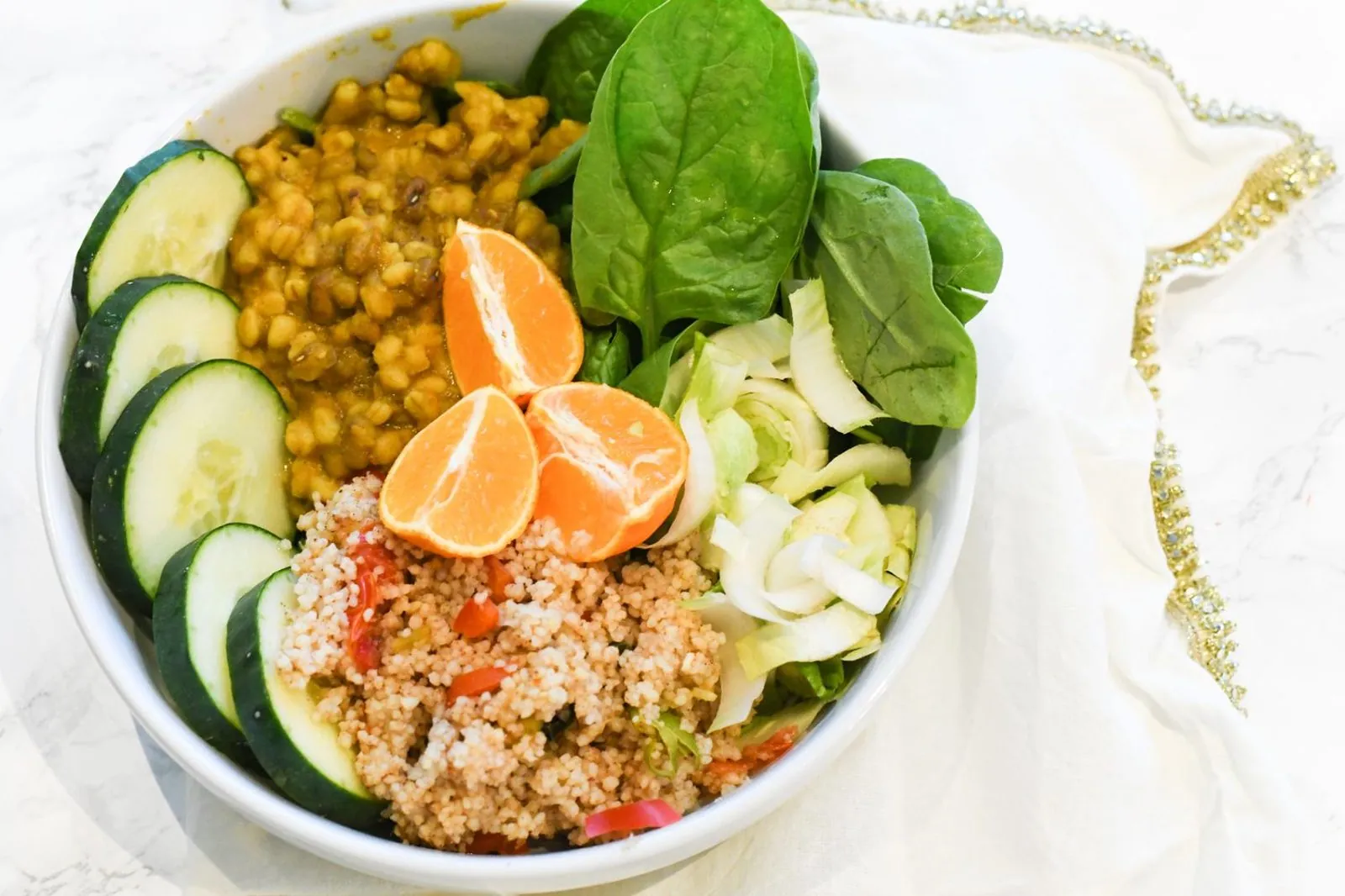
Myths about food and anemia that waste months
Myth: spinach alone fixes low iron. Palak does contain iron, but it also contains compounds that limit how much you absorb. It is a useful vegetable, not a cure. Rotate leafy greens, dals and legumes rather than relying on one food.
Myth: beetroot, pomegranate or jaggery will “build blood” quickly. They are fine foods and can sit on your plate, but none of them replaces a diagnosis or treatment. Jaggery is also mostly sugar, which matters if you are watching weight or blood sugar.
Myth: more iron is always better. Excess iron can upset the stomach and, for some people, cause real harm, so any supplement plan should come from your doctor.
How to build an anemia-friendly Indian plate, step by step
Use the same sequence at lunch and dinner and it becomes automatic.
- Pick the iron anchor. One katori of cooked dal, rajma or chole (about 150 g), or a portion of chicken or fish (about 100 g cooked), or two eggs.
- Add the vitamin C partner. Squeeze half a lemon over the dal, add raw tomato or capsicum to the sabzi, or eat a guava or an orange slice at the end of the meal.
- Add a green. A katori of lightly cooked methi, palak or other leafy sabzi gives folate and some more iron.
- Add B12 if you eat dairy or eggs. Curd, chaas or paneer at the meal covers part of this. Other foods and plans are for your doctor to guide if you are vegan.
- Move the chai. Have tea or coffee at least an hour or two after the meal, not with it.
- Cook smart. Cooking acidic dishes such as tomato-based curries in an iron kadai can add a small amount of iron to the food.
A sample day of Indian meals for anemia
This is a pattern, not a prescription. Portions are rounded, and your dietitian may adjust them for you.
| Meal | What to eat | Why it helps |
|---|---|---|
| Breakfast | Vegetable poha (about 50 g dry poha) with peanuts and lemon, plus an orange or a few amla pieces. Egg or curd on the side. | Vitamin C with plant iron, plus protein and B12 from egg or curd |
| Mid-morning | Tea or coffee goes here, well after breakfast. A small handful of roasted chana (about 30 g). | Keeps the caffeine drink away from the iron meal |
| Lunch | 2 rotis (one ragi if you like), 1 katori masoor or moong dal (about 150 g), methi or palak sabzi, kachumber salad with lemon, 1 katori curd | Dal plus vitamin C, folate from greens, B12 from curd |
| Evening | Fruit such as guava, or sprouts chaat (about 100 g) with lemon and tomato. Tea only an hour or two after lunch if you like. | Another vitamin C and folate boost |
| Dinner | Chicken or fish curry (about 100 g cooked) or rajma or chole, rice or roti, a green vegetable, lemon wedge | Heme iron or plant iron plus vitamin C |
| Bedtime | Plain milk if you wish. Keep it away from dinner and from any iron tablet your doctor has prescribed. | Separates calcium from iron |
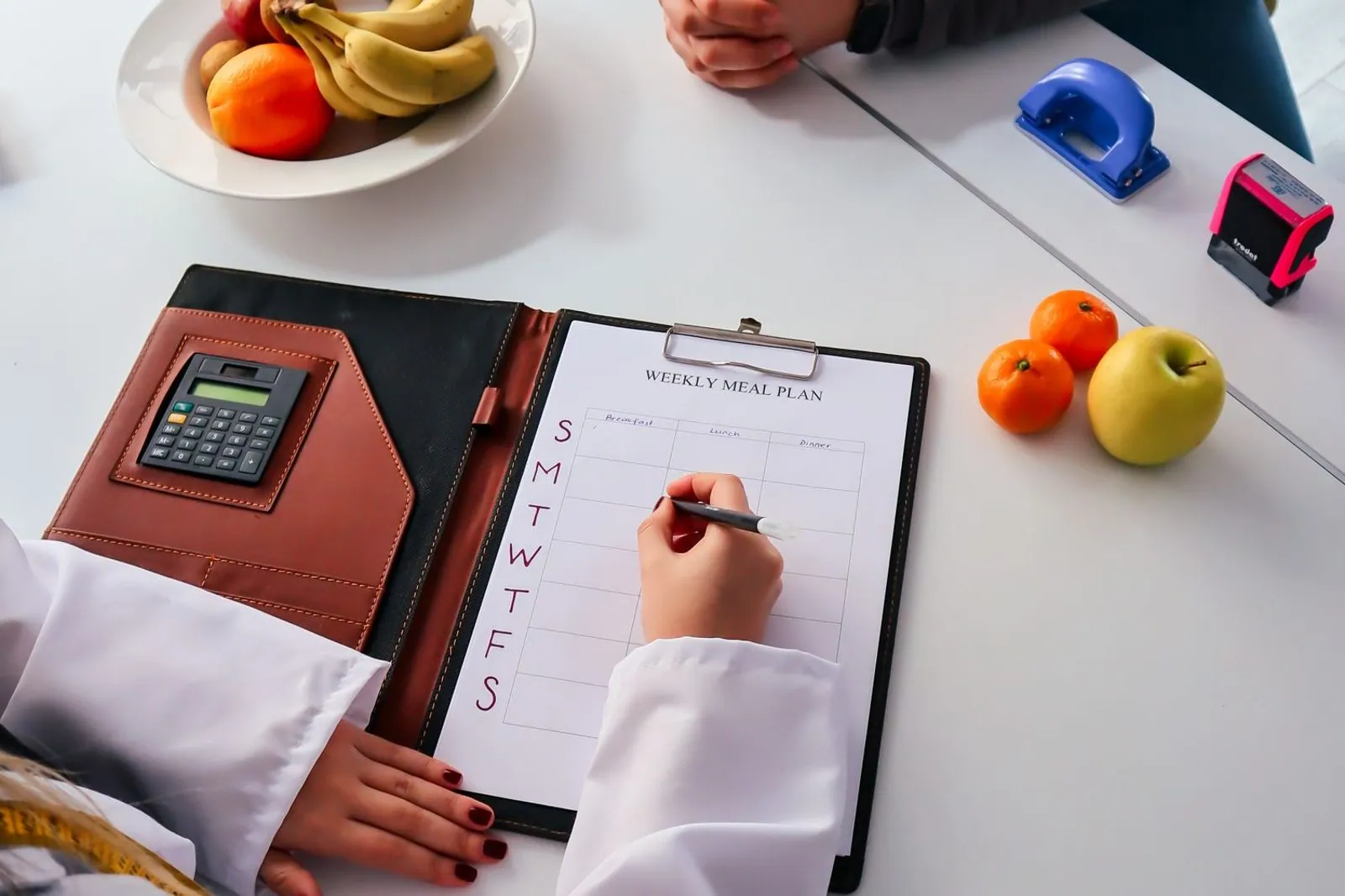
What blocks iron absorption, and how far apart should you keep it?
Tea, coffee and calcium are the main everyday blockers. Tannins in chai and coffee bind iron, and calcium competes with it. A simple rule is to keep tea or coffee about 1 to 2 hours away from your iron-rich meals, and take calcium (milk, supplements) at a different time of day from iron.
| Item | Effect on iron absorption | What to do |
|---|---|---|
| Vitamin C foods (lemon, amla, guava, tomato) | Improves absorption of plant iron | Add to the same meal |
| Chicken, fish, meat | Heme iron absorbs well and helps plant iron absorb better too | Combine with dal or greens where you eat non-veg |
| Chai, coffee, green tea | Reduces absorption when taken with the meal | Wait 1 to 2 hours after meals |
| Milk, paneer, calcium tablets | Calcium competes with iron | Keep at a different time from iron-rich meals or iron tablets |
| Bran and unsoaked legumes (phytates) | Phytates bind iron | Soak, sprout or ferment dals, and add vitamin C |
| Antacids | Can lower absorption | Ask your doctor or pharmacist about timing |
Soaking, sprouting and fermenting (idli and dosa batter, sprouted moong) reduce phytates, a quiet Indian advantage. If your doctor has prescribed iron tablets, ask which time of day and what to take them with. Do not adjust that yourself.
Special situations: vegetarians, vegans, women, pregnancy and active people
Vegetarians. You can manage well with dals, legumes, greens and vitamin C at every main meal. Dairy and eggs (if you eat them) help with B12. Review your B12 with your doctor even if your diet looks fine.
Vegans. B12 does not occur naturally in plant foods. Plan it with your doctor or dietitian rather than guessing. Our vitamin nutrition guide explains how vitamins work together.
Women with heavy periods. Regular blood loss raises the body’s iron demand, so the cause of heavy periods may need medical attention as well as better meals. See our guide to women’s nutrition for more on this stage of life.
Pregnancy. Needs rise, and routine iron and folate guidance from your gynaecologist is standard. Never skip it for a food-only plan. Our article on nutrition for pregnant women covers the food side.
Active people. Regular hard training, especially running, can raise iron needs for some people. If you train often and feel unusually drained, get tested before assuming it is overtraining.
Troubleshooting: still tired after weeks of eating well?
This is common and does not mean you failed. Work through these checks.
- Is the chai still sitting next to lunch? That single habit undoes a lot of effort.
- Are you eating enough overall? Skipped meals and crash diets leave you short of protein, iron and energy together.
- Is there ongoing loss? Heavy periods, bleeding piles or ulcers need treatment, not just meals.
- Could absorption be the problem? Long-term stomach or gut conditions can limit what you take in whatever you eat.
- Is it a B12 or folate issue, not iron? The wrong fix for the wrong type will not work. Tell your doctor which foods you eat so the cause can be matched.
Gentle activity, such as short walks or online yoga classes at an easy pace, can support your energy once your doctor says it is fine. Skip hard sessions if you feel dizzy or breathless.
How long until you know the plan is working?
Blood values change slowly. Many doctors recheck tests after roughly 6 to 12 weeks, though your own schedule depends on the type and severity of anemia. You may feel steadier energy sooner, but the report is what confirms progress, and your doctor decides when to adjust the plan.
Between tests, track energy, breathlessness on stairs, and a simple two-week food log. Bring both to your appointment. Patterns such as “my tea always comes with lunch” are easy to fix once you spot them.
Talk to your doctor soon, not at the next scheduled visit, if you feel faint, have chest pain, a racing heartbeat or marked breathlessness, notice black stools or any bleeding, or feel worse after a couple of months of steady effort. Pregnant women with these symptoms should call their doctor the same day.

Frequently asked questions
Can I start iron tablets on my own if I feel tired all the time?
No. Tiredness has many causes, and iron you do not need can upset your stomach and delay the right diagnosis. Get a blood test first. Your doctor will say whether you need a supplement, which type and for how long.
Can diet alone fix anemia?
Sometimes mild nutritional cases improve mostly with food, but many people also need supplements or treatment of an underlying cause. Food supports treatment and prevents relapse. It does not replace it. Your blood reports and your doctor decide which route applies to you.
Is it okay to drink chai or coffee if I have anemia?
Usually yes, in moderation. You do not have to give them up. Just keep them about 1 to 2 hours away from iron-rich meals and any iron tablet, since tannins can reduce how much iron you absorb.
Do vegetarians in India need a B12 plan?
Yes, it is worth reviewing. Milk, curd, paneer and eggs provide some B12 for lacto-vegetarians and ovo-vegetarians, but intake can still run low. Vegans have no natural plant source, so they should plan B12 with a doctor or dietitian rather than guess.
Does cooking in an iron kadai really help?
It can add a small amount of iron, especially with acidic, longer-cooked dishes such as tomato curries. It will not correct a deficiency by itself, so keep following your doctor’s plan.
If you want a plan built around your reports, food preferences and daily routine, you can book an online nutritionist consultation and share your latest blood test results with the dietitian.


