

Yoga and gratitude work well together because a few minutes of slow movement and steady breathing give your mind a quiet gap to notice what is going right. You do not need a special class or a new style. You add one short, specific pause for thanks to the practice you already do, and over a few weeks that pause can change how your mat time feels. This guide gives you a 15-minute sequence with alignment cues, modifications, honest cautions and a simple journaling habit to follow it.
What Is the Link Between Yoga and Gratitude?
Yoga and gratitude meet at attention. Yoga trains you to notice breath, posture and sensation in the present moment, and gratitude points that noticing at what is supporting you. In practice, you pair a pose, a breath or a rest with one specific thing you appreciate, usually for 30 to 120 seconds.
It is not a separate style the way vinyasa yoga or hatha yoga is. Think of it as a lens that you can place over any session, from a brisk morning flow to a slow evening hold.
The idea has old roots. Classical yoga philosophy describes santosha, often translated as contentment, as one of the niyamas, or personal observances. Aparigraha, or non-grasping, is a close cousin: it is hard to grab for more while you are noticing what you already have. A line often attributed to Yogi Bhajan, “the attitude of gratitude is the highest yoga”, sums up the same thought in modern words.
Myth Check: Gratitude Yoga Is Not Forced Positivity
The most common reason people drop a gratitude practice is that it starts to feel fake. That usually happens because of a few misunderstandings.
- Myth: you must feel thankful all the time. Reality: some days you will name one small thing and feel nothing. That still counts. The habit of looking is the practice, not the feeling.
- Myth: gratitude means ignoring pain or a bad day. Reality: it runs alongside difficulty. “This week is hard, and my neighbour still dropped off tiffin” can both be true.
- Myth: it treats anxiety, low mood or grief. Reality: many people find it steadying, and it can sit beside professional care, but it does not replace a doctor, therapist or counsellor.
- Myth: it has to be spiritual. Reality: you can keep it entirely practical. Thanking your knees for carrying you up the stairs is a perfectly good start.
How Do You Practise Yoga and Gratitude in 15 Minutes?
A simple 15-minute gratitude yoga sequence has seven steps: easy seat, cat-cow, low lunge on each side, mountain pose with palms at the heart, child’s pose, supported reclined bound angle and savasana. Hold each for one to three minutes, attach one short prompt to each pose, then write one line for a minute.
Do it on an empty or light stomach, on a mat or firm carpet, with a cushion or two pillows and a towel nearby. Breathe through the nose and stay in a range where you could still speak a full sentence.
| Step | Time | Alignment cue | Gratitude prompt | Easier option |
|---|---|---|---|---|
| 1. Easy seat (Sukhasana) | 2 min | Sit tall with hips above knees. Soften the jaw, rest hands on thighs. | Name one thing your body did for you today. | Sit on a folded blanket or a chair. |
| 2. Cat-cow | 2 min | Wrists under shoulders, knees under hips. Move from the tailbone, not the neck. | Think “thank you” on each exhale. | Do it seated, hands on knees. |
| 3. Low lunge (Anjaneyasana) | 1 min per side | Front knee over ankle, hips square, back knee padded, ribs stacked over hips. | Name a resource you rarely acknowledge, such as clean water or a steady job. | Keep hands on the front thigh or on blocks. |
| 4. Mountain with palms at heart (Tadasana) | 1 min | Feet hip-width, weight even across both feet, crown of head lifted, shoulders away from ears. | Silently thank one person, by name. | Stand with your back near a wall. |
| 5. Child’s pose (Balasana) | 2 min | Knees wide, big toes together, forehead on a cushion, arms long or by your sides. | Rest on one relationship you value. | Place a rolled towel behind the knees, or sit on the heels with a bolster. |
| 6. Supported reclined bound angle | 2 min | Soles of the feet together, knees resting on pillows, hands on belly or open at your sides. | Recall one moment from this week that went well. | Straighten the legs if the groin feels pulled. |
| 7. Savasana | 3 min | Lie flat, feet falling open, a small fold under the head if the neck feels tight. | No prompt. Let the earlier thoughts settle. | Bend the knees over a bolster for a sensitive lower back. |
That takes you to 14 minutes. Spend the last minute writing three short lines: one about your body, one about your day, one about a person.
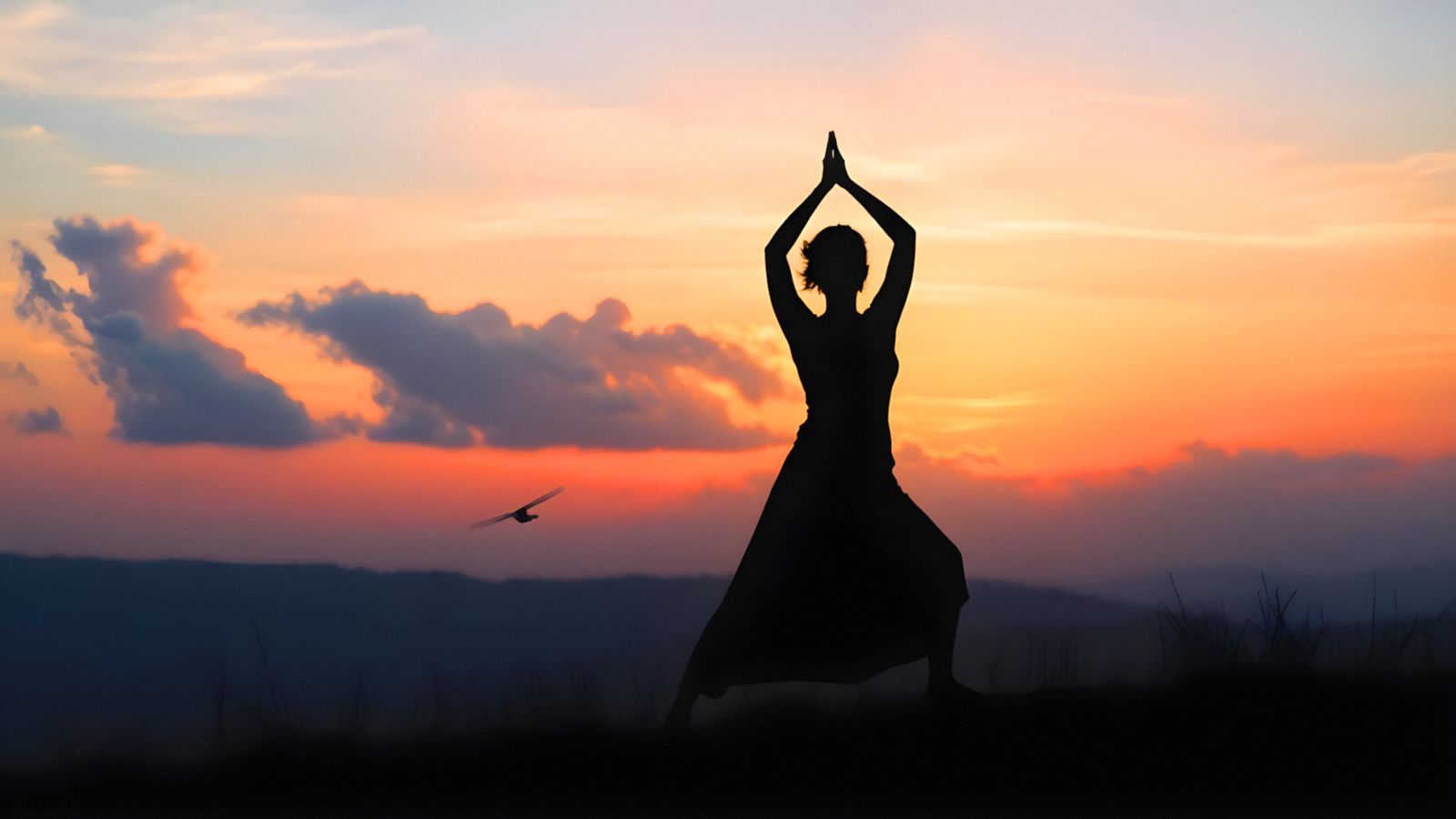
Alignment notes that matter most. In cat-cow, let the head follow the spine instead of cranking the neck. In the low lunge, keep the front knee over the ankle and lift through the chest rather than leaning back. In child’s pose, if the hips float far above the heels, add support under the torso. The gratitude prompt should never push you deeper into a stretch.
Which Yoga Style Suits Gratitude Best?
Slower styles such as yin, hatha and yoga nidra leave the most quiet space for gratitude, with holds of two to five minutes. Faster styles such as vinyasa and power yoga suit a thank-you at the start and end only. Pick the style that matches your energy today, not the one that sounds most spiritual.
| Style | Pace | Where gratitude fits | Best time of day |
|---|---|---|---|
| Yin yoga | Very slow, long holds | During holds: one prompt per pose, revisited each breath. | Evening |
| Hatha yoga | Slow to moderate | Opening intention and a closing round of thanks. | Morning or evening |
| Yoga nidra | Lying still, guided | A short gratitude body scan before sleep. | Bedtime |
| Vinyasa yoga | Moderate, flowing | Dedicate the practice at the start; one breath of thanks in child’s pose. | Morning |
| Power yoga | Fast and strong | Only bookends, since effort takes most of your attention. | Morning |
| Self-care routine | Gentle, flexible | Throughout, since the whole session is about tending to yourself. | Any quiet slot |
If you are new, start with the slow end of this table. When you want more structure, our yoga sequence guide has full class outlines that you can layer prompts onto.
Who Should Modify or Skip Parts of Gratitude Yoga?
Most healthy adults can do a gentle gratitude sequence, but certain conditions call for changes. If you are pregnant, have low or high blood pressure, joint pain, a recent injury or surgery, or a long-term medical condition, check with your doctor first and tell your instructor. Modify any pose that causes sharp pain, dizziness or breathlessness.
| Situation | Why care is needed | What to do instead |
|---|---|---|
| Pregnancy | Lying flat on the back for long can feel uncomfortable later in pregnancy. | Rest in savasana on your left side with a pillow between the knees, and skip deep twists. Get your doctor’s approval first. |
| Low blood pressure or dizziness | Rising quickly from child’s pose or lying down can cause lightheadedness. | Come up slowly in stages, pause seated for a few breaths, and keep the practice short. |
| Knee or hip pain | Low lunge and deep child’s pose load the knees and hips. | Pad the back knee well, use a chair for the seated steps, or replace the lunge with a standing hand-on-heart pause. |
| Wrist pain | Cat-cow places body weight through the wrists. | Do it seated, or on fists or forearms. |
| Recent injury, surgery or a chronic condition | Positions that suit most people may not suit you yet. | Get medical clearance and keep only the seated and resting steps. |
| Heavy grief, trauma or persistent low mood | Stillness can bring strong feelings up. | Keep sessions short, eyes open if you prefer, and work alongside a counsellor or doctor rather than instead of one. |
See a doctor if you feel chest pain, severe dizziness, or numbness during practice, and stop immediately. If low mood or anxiety lasts for more than a couple of weeks or affects sleep, work or relationships, speak with a doctor or mental health professional. Gratitude yoga is a supportive habit, not a treatment.
Troubleshooting: When Gratitude Feels Fake, Flat or Too Heavy
- “I cannot think of anything.” Start with the body and the immediate surroundings: working lungs, a cup of chai, a floor that holds your weight. Small and physical is easier than big and abstract.
- “It feels forced.” Replace “I should be grateful” with “what is one thing that helped today?” The question is lighter and invites a truer answer.
- “My mind keeps wandering.” That is normal. Link the prompt to the exhale, and when you drift, return to a single word, such as “dhanyavad”.
- “I feel guilty because others have it worse.” Gratitude is not a ranking of suffering. You can appreciate your tea and still care about the world.
- “Sadness or tears came up.” Hip and chest openers can stir feelings. Let it be, soften the pose, and rest. If it keeps happening or feels too much, speak to a professional. Our guides to yoga for anxiety and yoga for addiction recovery explain how yoga can support, but not replace, that care.
How Do You Build a Gratitude Journaling Habit After Yoga?
Right after you roll up your mat, write three specific things you are thankful for, one line each, in about two minutes. Specific beats general: “Maa called to check I ate lunch” will mean more in a month than “family”. Many people find two to three weeks of daily repetition is enough to make it feel automatic.
The mat gives you a built-in trigger, so you do not rely on memory. If you already follow a morning routine for wellness, the journal fits straight after your flow, before the phone takes over. For evenings, write before bed, then finish with a short yoga nidra practice so the mind winds down on a settled note.
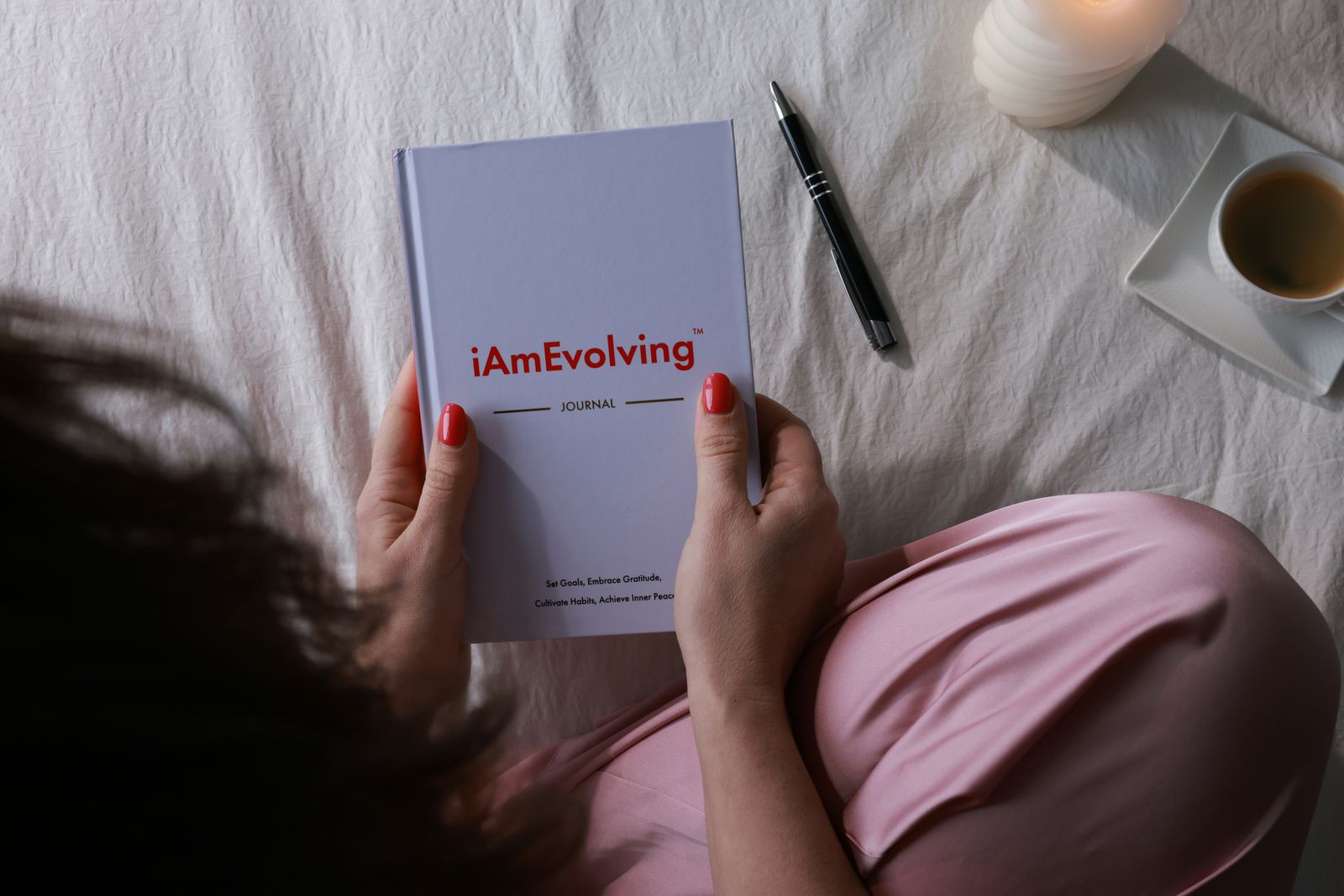
Some people also keep one or two gratitude quotes beside the mat as a one-line reset. Choose lines that nudge you to notice, not to achieve; a quote that makes you want to push harder is a fitness quote, while one that makes you pause is a gratitude quote.
Short Gratitude Breaks for Desk Teams and Corporate Groups
A 10 to 15 minute break that combines gentle movement and one round of thanks needs no equipment, no change of clothes and little space. It can sit between meetings or at the end of a long screen block. Keep it to seated cat-cow, shoulder rolls, a gentle twist and a minute of quiet.
A simple team format is three rounds: each person silently names one thing they appreciate about the day, then one person who helped them this week, then takes three slow breaths together. Sharing aloud should always be optional. Pair it with a digital detox with yoga break, with phones face down for the duration.
Yoga and Gratitude: Your Questions Answered
What is the connection between yoga and gratitude?
Yoga builds present-moment attention through posture and breath, and gratitude uses that attention to notice what is supporting you. Pairing a pose, breath or rest with one specific thank-you for 30 to 120 seconds is the whole practice, and it works with almost any yoga style.
Who said “the attitude of gratitude is the highest yoga”?
The line is widely attributed to Yogi Bhajan, a teacher associated with bringing Kundalini yoga to the West. It is often quoted to explain why many traditions treat gratitude as central, but exact wording and sources vary, so treat it as a popular saying rather than a verified citation.
Do I need to journal to practise gratitude yoga?
No. Journaling is helpful because writing makes thoughts specific, but silent thanks during savasana, a spoken list with a practice partner or a 30-second pause before your first pose all work. What matters more is doing it regularly and naming concrete things.
How long does gratitude yoga take to feel different?
Some people feel calmer after a single session, mainly from the slow breathing and rest. A steadier, more appreciative outlook, if it comes, tends to build over several weeks of regular practice. Results vary from person to person, and nothing here is a guarantee.
Is gratitude yoga safe for beginners and people with health conditions?
The gratitude part is safe for almost everyone, but the poses may need changes. Beginners can do the entire sequence seated or on a chair. If you are pregnant or have a medical condition, an injury or blood pressure concerns, check with your doctor first and follow the modifications above.
Try One Guided Session This Week
Do the 15-minute sequence above for seven days, then book a trial with a live instructor through Fitstrot’s online yoga classes to have your alignment checked and your modifications tailored to you.


