
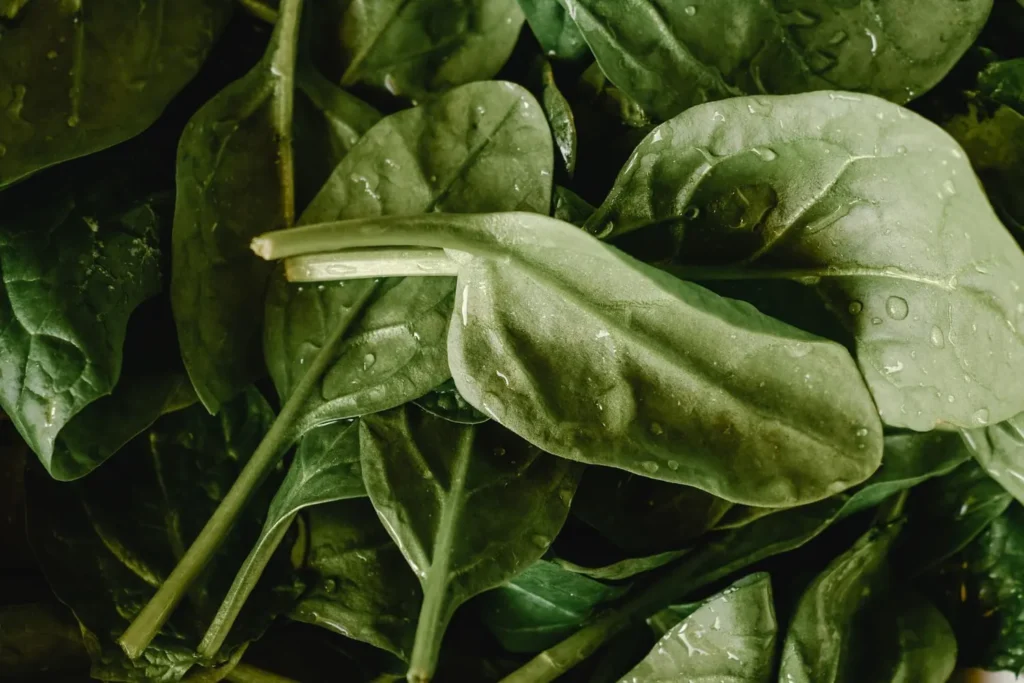
The best nutritional foods for pregnant mothers are ordinary Indian kitchen staples: dal, green leafy vegetables, dahi, ragi, paneer, eggs if you eat them, seasonal fruit and a small handful of nuts. You do not need imported superfoods. You need a plate that covers iron, calcium, protein and folate on most days, plus a clear list of what to limit.
This guide is food first and doctor-led. Needs differ by trimester, bloodwork and health conditions, so confirm quantities and supplements with your OB-GYN or a registered dietitian. For the trimester view, read nutrition for pregnant women.
Which foods give the most nutrition during pregnancy?
The most useful foods are dal and pulses for protein and folate, green leafy vegetables for iron and folate, dahi, milk, paneer and ragi for calcium, seasonal fruit for vitamin C, and nuts and seeds for healthy fat. Eat a mix across the day rather than leaning on one superfood.
| Nutrient | Rough daily need in pregnancy | Everyday Indian sources |
|---|---|---|
| Iron | About 27 mg | Methi, palak, moringa leaves, chana, rajma, dates |
| Calcium | About 1,000 mg | Dahi, chaas, milk, paneer, ragi, til |
| Protein | About 10 to 25 g extra a day, rising as pregnancy advances | Dal, paneer, curd, eggs, soya chunks, sprouts |
| Folate | Highest priority before and in early pregnancy | Chana dal, moong, leafy greens, citrus, beetroot |
| Extra energy | Roughly 300 to 450 kcal a day in the second and third trimesters, little or none in the first | A katori of dal-rice, a glass of milk, a fruit and nuts |
“Eating for two” does not mean double portions: the extra energy is about one small meal. Iodised salt in normal amounts also matters for the baby’s brain. Your doctor will set your weight-gain target. Exact figures are in our guide to nutritional requirements during pregnancy.
How do you cover iron and calcium with Indian foods?
Combine a daily leafy green and a legume for iron, eat it with something sour such as lemon, amla or tomato, and keep chai away from the meal. For calcium, aim for about three servings a day from dahi, milk, paneer, ragi or til. Together these cover the two most common gaps.
Iron first. Most Indian diets fall short, which is why doctors usually prescribe iron-folic acid tablets as well. Food still matters, because it reduces how much you depend on tablets and helps with absorption.
- Moringa (drumstick) leaves: among the richest plant iron sources in Indian cooking. Cook them lightly, for example in a dal or a dry sabzi.
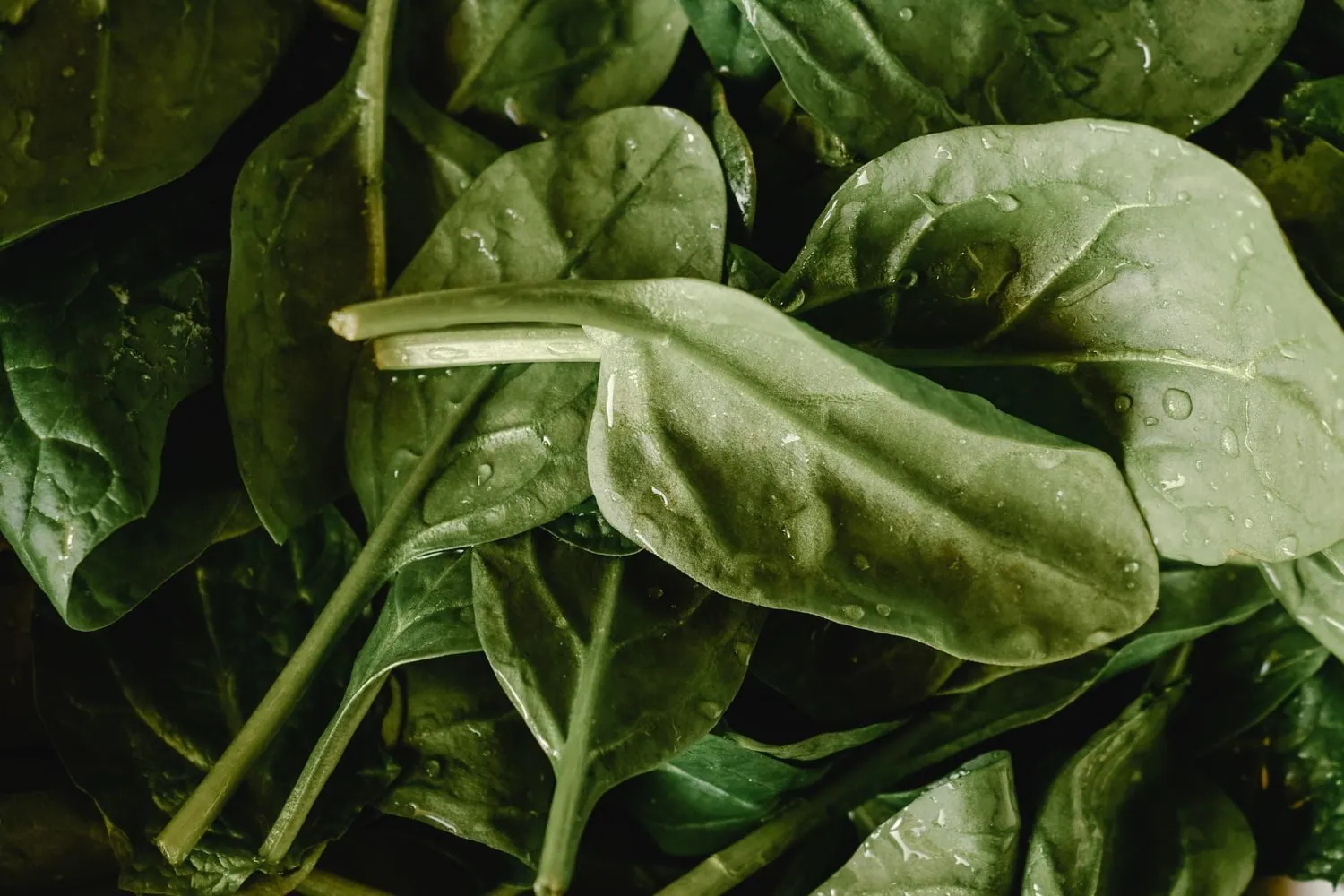
- Methi and palak: methi thepla, methi dal or palak dal a few times a week. Spinach contains oxalates that reduce iron uptake, so add lemon at the table.
- Chana and rajma: iron, protein and fibre in one katori, usually about 2 to 3 mg of iron per serving.
- Dates and jaggery: a traditional gift to pregnant women. Two dates after a meal is fine, but they should not replace vegetables and legumes.
No single food gets you to 27 mg. The target is met by a leafy green daily, a legume daily and your prescribed tablet. Take the tablet as your doctor advises, and leave tea or coffee at least an hour away from iron-rich meals because tannins block iron. If your haemoglobin is low, see our guide on nutritional anemia.
Calcium next, especially if milk upsets your stomach. These options work without a glass of milk twice a day:
- Dahi and chaas: a small katori of curd gives about 100 mg of calcium plus protein and probiotics.
- Ragi: two ragi rotis or a bowl of ragi porridge gives about 200 mg.
- Til: a tablespoon of black or white sesame in chutney podi or laddoo gives about 80 to 120 mg.
- Paneer and milk: a 200 ml glass of milk is about 250 mg, and 50 g of paneer about 100 mg.
Calcium works best with vitamin D, and many Indian women run low despite sunshine. Ask your doctor whether to check your level instead of guessing.
Where do protein and folate come from on a vegetarian plate?
A vegetarian plate gets protein from dal with roti or rice, paneer, curd, soya chunks and sprouts, and folate from chana dal, moong, leafy greens, citrus and beetroot. Spread them across three meals and two snacks. A katori of cooked dal gives about 7 to 9 g of protein, and 50 g of paneer about 9 g.
- Dal with a grain: dal-roti or dal-rice gives a fuller amino acid mix than either alone, a habit Indian homes have followed for generations.
- Paneer: palak paneer or paneer bhurji, about 50 to 60 g a serving, from pasteurised milk.
- Soya chunks: about 30 g dry gives roughly 15 g protein. Soak and squeeze before adding to a pulao or curry.
- Sprouted moong: steam or lightly cook the sprouts in pregnancy, since raw sprouts can carry bacteria.
Folate is water-soluble and sensitive to heat, so steam or sauté greens briefly instead of boiling them for a long time. Your doctor will also prescribe folic acid as a supplement, because food alone is not the safe plan for the first weeks. See nutrition during pregnancy for how folate priorities shift by stage, and nutritional value of protein for how to compare protein sources.
What should you limit or avoid while pregnant?
Avoid alcohol, raw or undercooked eggs, meat and fish, unpasteurised milk, and high-mercury fish such as shark and swordfish. Limit caffeine to under about 200 mg a day, roughly two small cups of chai or one or two small cups of coffee. Wash or cook raw produce well. Ask your doctor about everything else.
| Food or habit | Why it is a concern | Safer swap |
|---|---|---|
| Raw or runny eggs, undercooked chicken or meat | Food poisoning risk, which can be serious in pregnancy | Hard-boiled eggs, meat cooked until no pink remains |
| Unpasteurised milk, paneer or soft cheese from unknown sources | Bacterial infection risk | Boiled milk, paneer from a trusted dairy, homemade paneer |
| Shark, swordfish, large king mackerel | Higher mercury can affect the baby’s developing nervous system | Smaller fish such as sardine or rohu, well cooked, if your doctor agrees |
| Raw or unripe papaya | Traditionally avoided because it may trigger contractions | Guava, apple, orange, banana. Ask your doctor about ripe papaya |
| Street chaat, cut fruit, raw sprouts and salads of unknown hygiene | Stomach infection risk from unclean water and handling | Home-prepared chaat with washed or cooked ingredients |
| Alcohol | No safe amount has been established | Fresh juice diluted with water, sparkling lemon soda without added alcohol |
| Herbal kadha, ayurvedic powders, high-dose vitamin supplements, liver | Some herbs and high vitamin A intake can be unsafe in pregnancy | Only what your doctor prescribes or approves |
If you have gestational diabetes, high blood pressure or thyroid trouble, your list will be stricter than this one. Follow your doctor’s plan over any general guide.
Pregnancy food myths: what is true and what is not
Family advice is usually loving and sometimes wrong. A few common ones, corrected plainly:
- “Eat double now.” False. You need a modest increase in energy after the first trimester, not double portions. Gaining much more than your doctor advises raises other risks.
- “Saffron in milk changes the baby’s skin colour.” No. Skin colour is genetic. A strand or two in milk is harmless, but it is not a nutrient plan.
- “All fish is unsafe.” No. Well-cooked, low-mercury fish is usually encouraged. Only certain high-mercury types are the problem.
More on this in our pregnancy nutrition guide. If you are still planning, see fertility nutrition for what to eat before conception.
One sample day on an Indian thali
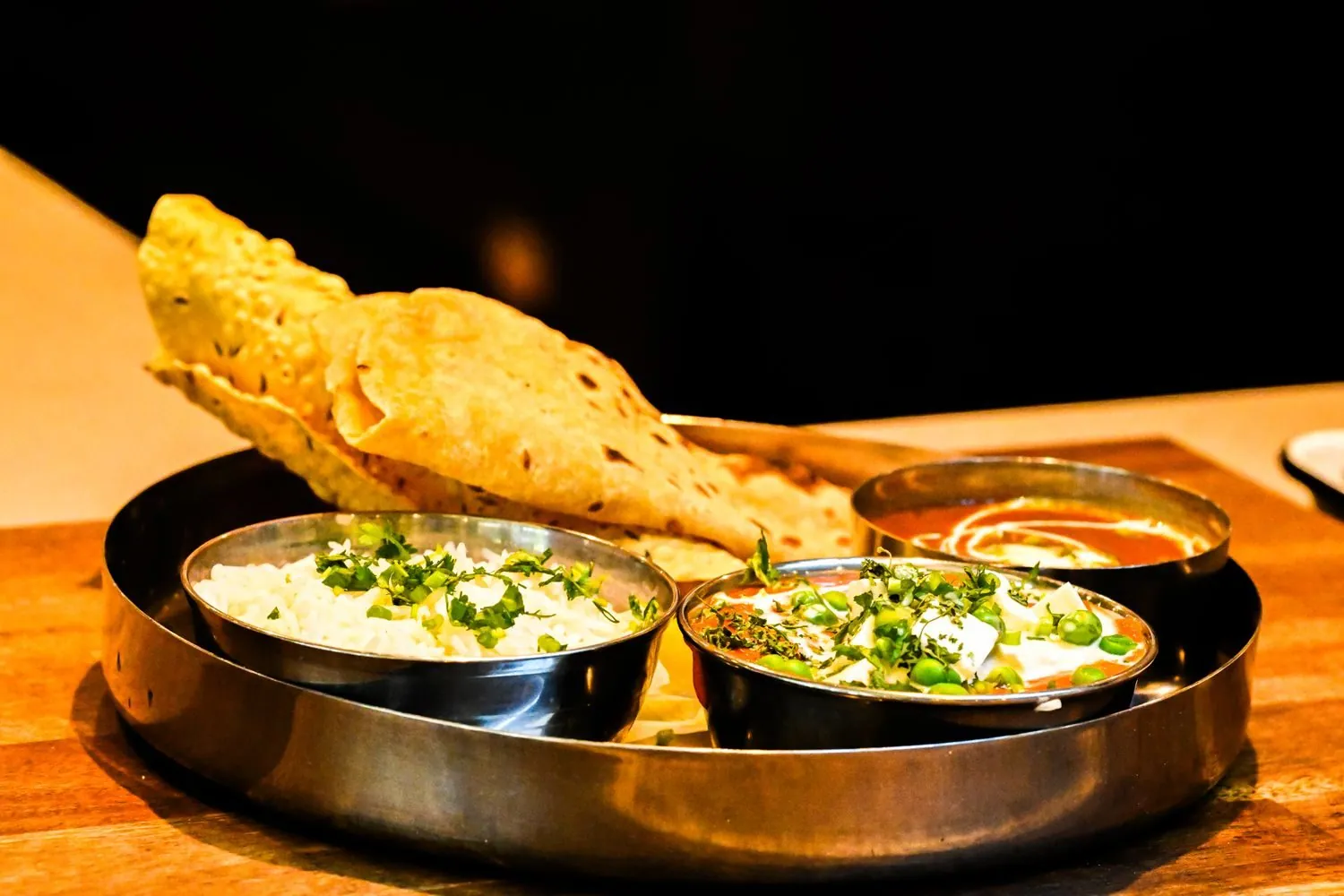
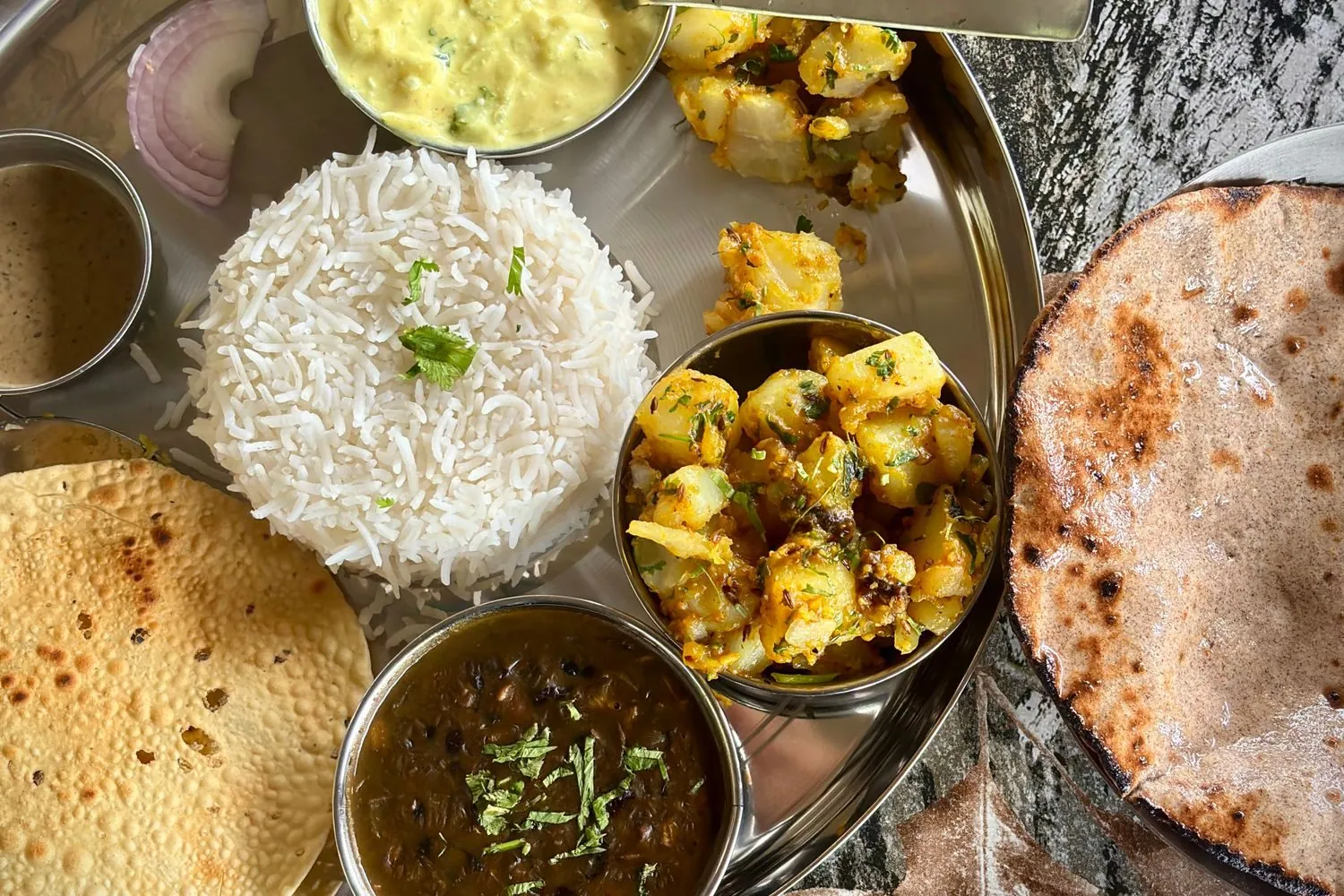
This is a pattern, not a prescription. Portions are rough, so adjust for your appetite, trimester and your doctor’s advice. Swap dishes within a column to keep variety across the week.
| Time | Meal | Rough portion | Main nutrients |
|---|---|---|---|
| Early morning | Warm milk or soaked dates and nuts | 1 glass (about 200 ml), or 2 dates and 4 almonds | Calcium, iron, healthy fat |
| Breakfast | Moong dal chilla or ragi dosa with curd | 2 medium pieces and 1 small katori of curd | Protein, folate, calcium |
| Mid-morning | Fruit and chaas | 1 guava or orange, 1 glass chaas | Vitamin C, probiotics |
| Lunch | Atta and ragi rotis, dal, palak or methi sabzi, salad with lemon, curd | 2 rotis, 1 katori dal, 1 katori sabzi, 1 small katori curd | Iron, protein, fibre, vitamin C |
| Evening | Roasted chana or makhana, weak chai at least an hour after lunch | About a small handful (30 g) | Protein, fibre |
| Dinner | Paneer bhurji or mixed-dal khichdi, vegetable, 1 roti | 50 to 60 g paneer, or 1 large katori khichdi | Protein, calcium, folate |
| Bedtime | Warm milk or a banana | 1 glass or 1 medium banana | Calcium, potassium |
Non-vegetarian households can swap in a fully cooked egg or a small portion of well-cooked fish for the paneer. For a broader view of how needs vary across the family, see nutritional needs.
Troubleshooting: nausea, acidity and constipation
Most food problems in pregnancy are small and fixable with timing and texture. Try these before you give up on the plan.
- Morning nausea: eat something dry, such as a plain roti, a khakhra or a few puffed-rice bites, before you get out of bed. Then take small meals every two to three hours. Curd rice, khichdi and lemon-ginger water are usually tolerated. Do not force the full plan in the first trimester.
- Acidity and heartburn: smaller meals, no lying down for about two hours after eating, less fried and very spicy food, and a gap between tea and meals.
- Constipation: iron tablets often cause it. Add fibre from atta, ragi, guava, apple, pear and vegetables, and drink about 2.5 to 3 litres of fluids a day including water, chaas and nariyal pani, unless your doctor restricts fluids. Fibre without water makes things worse. A daily walk and gentle, doctor-approved yoga for pregnant women also help.
If you are vegan, anaemic or have gestational diabetes
Some situations need more than a general guide, and a doctor or registered dietitian should lead them.
- Vegan: plant foods do not reliably supply vitamin B12, and calcium and iron need extra planning. Ask your doctor which supplements you need. Do not guess a dose.
- Anaemia: expect your doctor to prescribe iron and to recheck your levels. Food helps, and it does not replace the prescription.
- Gestational diabetes: you may need to limit dates, jaggery, sweets, fruit juice and large servings of rice, and spread carbohydrates evenly across the day. Follow the plan given by your care team, and do not change medication on your own.
When should you see your doctor or a registered dietitian?
See your doctor promptly if you cannot keep food or fluids down, feel dizzy or breathless, notice sudden swelling of the face or hands, have a severe headache, or lose weight. Book a registered dietitian if you have anaemia, diabetes, high blood pressure, a vegan diet or allergies, or are unsure your diet meets your needs.
Never stop, start or change a medicine or supplement on the strength of an article. This guide is general food information and cannot replace a check-up. A qualified nutritionist can turn it into a weekly plan around your reports.
Frequently asked questions
Is ragi safe to eat every day during pregnancy?
Yes, ragi is generally considered safe and useful in moderate amounts, such as one bowl of porridge or two small rotis a day. It adds calcium and fibre. Rotate it with other grains such as wheat, jowar and rice rather than eating only ragi.
Can I meet my needs from Indian food without iron or folic acid tablets?
Most doctors still prescribe both, because reaching about 27 mg of iron from food alone is hard, and folic acid matters most early in pregnancy. Food reduces your reliance on supplements and improves absorption, but do not skip tablets without your doctor’s advice.
Is paneer safe in pregnancy?
Yes, if it is made from pasteurised or well-boiled milk and comes from a hygienic, trusted source. It is a good protein and calcium food. Avoid paneer or soft cheese from vendors where storage and pasteurisation are unclear.
Is methi safe during pregnancy?
Methi in normal cooking amounts, such as a sabzi, thepla or dal, is generally considered safe. Large medicinal doses, such as methi water or powders, are different, so check with your doctor first, especially with gestational diabetes.
What is a quick iron-rich breakfast when I feel nauseous?
Ragi porridge with a few soaked dates, or a moong dal chilla with lemon, is gentle on the stomach and adds iron and folate. Keep portions small, eat slowly and have the lemon with it to help absorption. Take your iron tablet as advised, not necessarily with this meal.
Want this adapted to your reports, trimester and food preferences? Book an online nutritionist consultation and we will turn it into a weekly Indian meal plan.


