
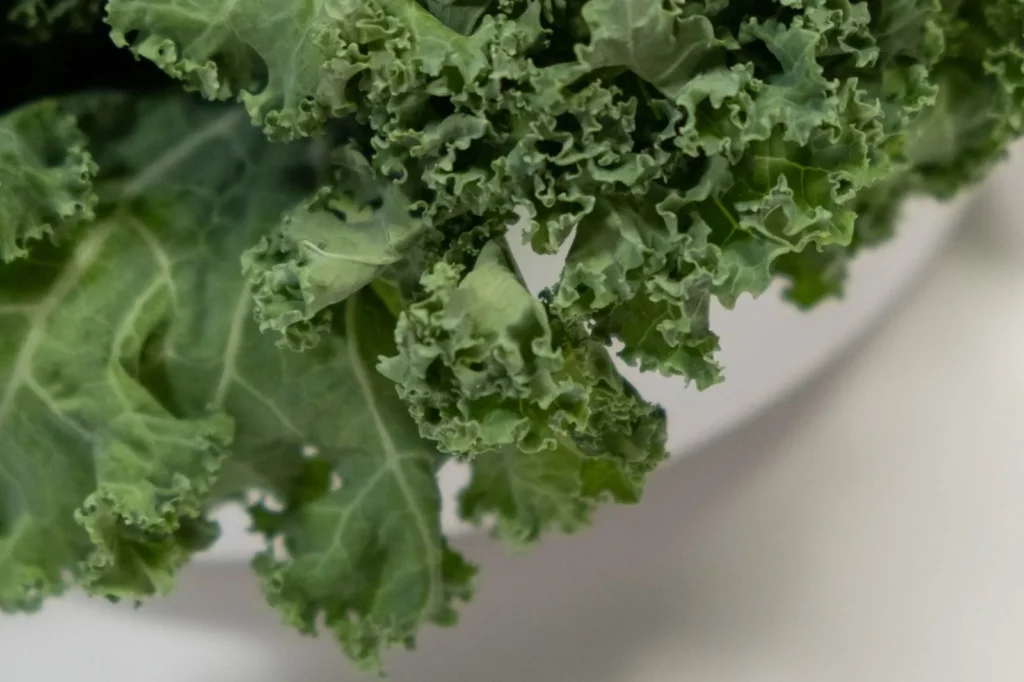
The nutritional requirements during pregnancy are not a doubling of everything on your plate. In a healthy pregnancy you need about 300-450 extra kcal a day, and only from the second trimester. You also need more iron, folate, iodine and protein, while calcium and vitamin D stay close to your usual targets. This guide gives the numbers, the Indian foods that deliver them, and the points where your doctor has the final say.
Every figure here is an “about” reference for a healthy single pregnancy, not a prescription. Your own targets depend on your blood reports, weight, diet pattern and medical history, so treat this as a checklist to discuss with your gynaecologist or a registered dietitian. If you want a week-by-week view, our pregnancy nutrition guide for expecting mothers goes deeper.
What are the nutritional requirements during pregnancy?
Pregnancy raises your need for iron (about 27-35 mg a day), folate (about 570-600 mcg), iodine (about 220-250 mcg) and protein (about 70-75 g from the second trimester). Calcium stays at about 1,000 mg and vitamin D at about 600 IU. Extra energy is about 300-350 kcal in the second trimester and about 400-450 kcal in the third.
The table below puts the main nutrients side by side with Indian food sources. Reference values differ slightly between Indian and international guidelines, which is why some rows show a range.
| Nutrient | About how much per day | Why it matters | Everyday Indian sources |
|---|---|---|---|
| Folate | About 570-600 mcg | Closure of the baby’s neural tube in the first weeks | Palak, methi, moong dal, chana, rajma, orange |
| Iron | About 27-35 mg | Blood volume expansion and oxygen supply | Ragi, bajra, leafy greens, rajma, til, dates, eggs, chicken, fish |
| Calcium | About 1,000 mg | Baby’s bones and teeth, your own bone store | Milk, curd, paneer, ragi, til, almonds |
| Protein | About 70-75 g (2nd and 3rd trimester) | Placenta, tissues, blood and muscle growth | Dal, eggs, paneer, curd, chana, soya chunks, fish, chicken |
| Iodine | About 220-250 mcg | Thyroid hormone and baby’s brain development | Iodised salt, milk, curd, fish |
| Vitamin D | About 600 IU (15 mcg) | Calcium absorption and bone formation | Morning sunlight, eggs, fish (many people still need a doctor-advised supplement) |
| DHA (omega-3) | About 200-300 mg | Baby’s brain and eye development | Sardines (mathi), mackerel (bangda); walnuts and flaxseed give a different omega-3 |
| Vitamin B12 | About 2.6 mcg | Nerve development and red blood cells | Milk, curd, paneer, eggs, fish |
Pregnancy asks for denser food, not simply more food. For how these needs shift through other life stages, see our nutritional needs overview.
Folate and iron: the two to get right first
Folate matters most in the first weeks, often before you know you are pregnant, because the neural tube closes by about week 4 after conception. Doctors usually advise folic acid before conception and through the first trimester. If you are still planning, our fertility nutrition guide covers what to start earlier.
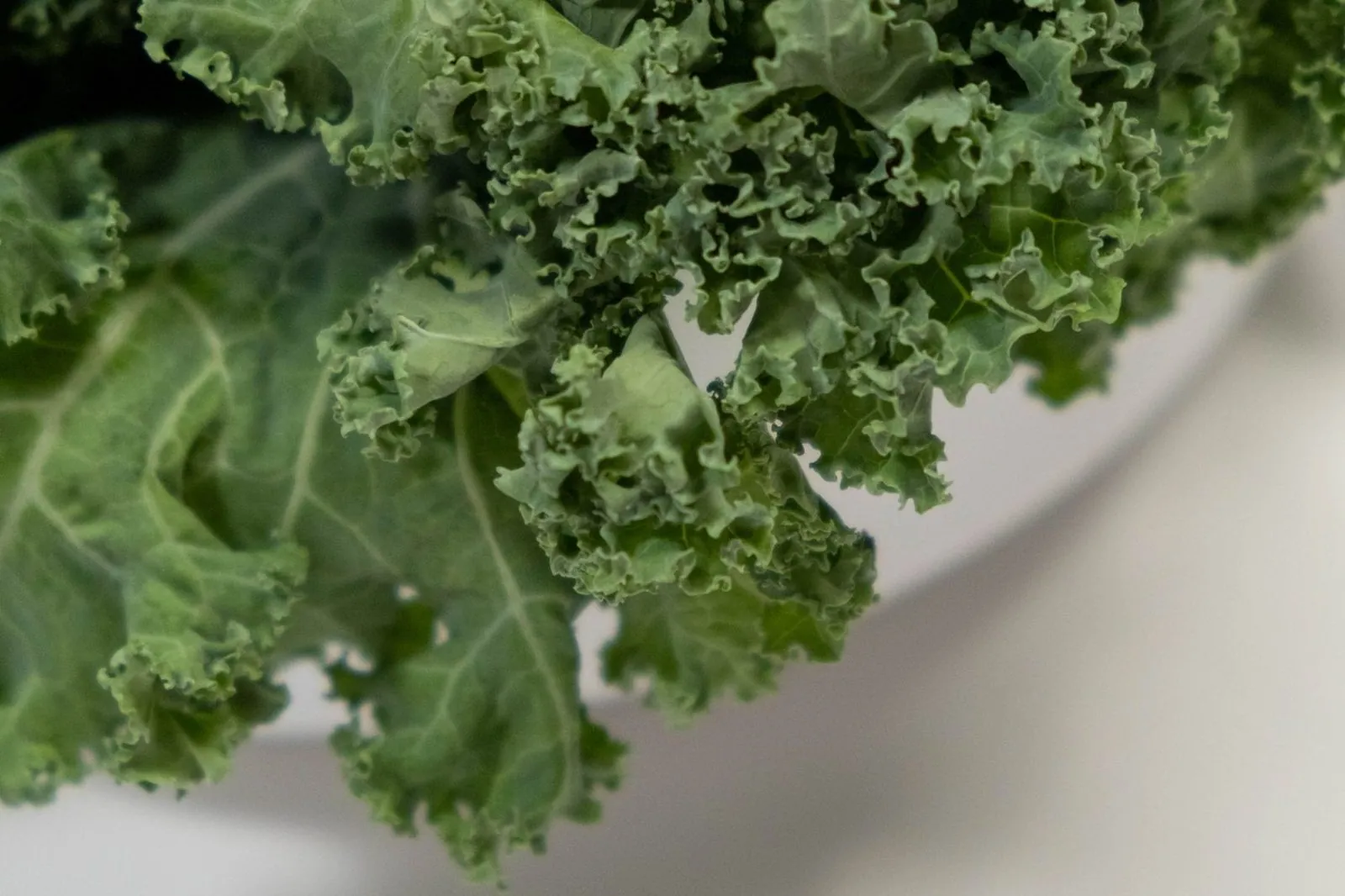
Iron is the nutrient Indian women most often run short of. Blood volume rises substantially during pregnancy, and the baby builds iron stores in the third trimester. Plant iron from ragi, bajra, rajma and leafy greens absorbs less well than iron from eggs, chicken or fish, so pair it with a vitamin C food such as lemon, amla or guava at the same meal.
One practical habit helps more than most: keep chai and coffee at least an hour away from your iron-rich meals, because the tannins in tea reduce iron absorption. Sip them between meals instead.
How do the requirements change in each trimester?
In the first trimester you need about 0 extra kcal but plenty of folate and fluids. In the second, add about 300-350 kcal and push protein, iron and calcium. In the third, add about 400-450 kcal and keep protein, calcium and DHA steady, using five or six small meals if your stomach feels crowded.
| Trimester | Extra energy per day | Nutrition focus | Common problem | Practical move |
|---|---|---|---|---|
| First (weeks 1-12) | About 0 kcal | Folate, fluids, small steady meals | Nausea, aversions | Dry snacks like roasted chana or a banana before getting up; nimbu pani in sips |
| Second (weeks 13-27) | About 300-350 kcal | Iron, protein, calcium | Rising appetite, fatigue | Add one mini-meal such as a katori of dal with curd, or a paneer sandwich |
| Third (weeks 28-40) | About 400-450 kcal | Protein, calcium, DHA, iron | Acidity, little room in the stomach | Five or six small meals; stop eating about 2 hours before lying down |
Weight gain follows your starting BMI. For a normal-weight woman it is usually about 11-16 kg across the whole pregnancy, with lower ranges for those who start overweight and higher ranges for those who start underweight. Your doctor will set your own range. Pregnancy is also not the time to diet for weight loss.
Gentle movement supports appetite, sleep and digestion, but only with your doctor’s clearance. Our guides to yoga during pregnancy and Zumba during pregnancy explain what is usually considered safe and when to stop.
Myth check: “eating for two” and other kitchen-table advice
- “You must eat for two.” The extra need is about 300-450 kcal a day, roughly one small katori of dal-rice with curd, and none in the first trimester.
- “Saffron milk makes the baby fair.” A baby’s skin tone is inherited. A pinch of kesar in milk is usually fine unless your doctor says otherwise, but it does nothing for complexion.
- “More ghee means an easier delivery.” Ghee is a fine fat in small amounts, about 1-2 teaspoons per meal, but there is no reliable proof that extra ghee changes delivery. It simply adds calories.
- “All papaya is forbidden.” Raw or semi-ripe papaya is the one traditionally avoided. Ask your doctor about ripe papaya rather than cutting out all fruit.
For more on common doubts, our pregnancy nutrition FAQ article goes through the questions we hear most.
A sample day on an Indian plate
Here is how the nutrients above can fit into a vegetarian day with eggs optional. Quantities are about figures for a second-trimester day, so scale them to your appetite and your dietitian’s advice.
| Meal | What to eat | About how much | Main nutrients |
|---|---|---|---|
| On waking | Milk with 2 soaked dates | 1 glass (about 200 ml) | Calcium, iron, B12 |
| Breakfast | Moong dal chilla stuffed with paneer, mint chutney, 1 orange | 2 chillas, about 30 g paneer | Protein, folate, vitamin C |
| Mid-morning | Curd with roasted jeera or fruit | 1 katori (about 150 g) | Calcium, protein, iodine |
| Lunch | Bajra or whole-wheat roti, dal, palak sabzi, salad with lemon, curd | 2 rotis, about 150 g cooked dal, 1 katori sabzi | Iron, folate, protein, vitamin C |
| Evening | Roasted chana or sprout chaat (well cooked), tea well away from lunch | About 30 g chana | Protein, iron, fibre |
| Dinner | Roti, rajma or egg or fish curry, mixed vegetables | 1-2 rotis, about 100 g curry | Protein, iron, B12 |
| Bedtime | Warm milk, plus 4-5 almonds if you wish | 1 glass (about 200 ml) | Calcium, magnesium |
With these portions the day comes to roughly 65-75 g of protein and close to 1,000 mg of calcium, but your own calorie and protein targets should come from your doctor or dietitian. For ideas on spacing meals and fluids, see our guide to eating well through pregnancy.
Can a vegetarian or vegan diet meet pregnancy needs?
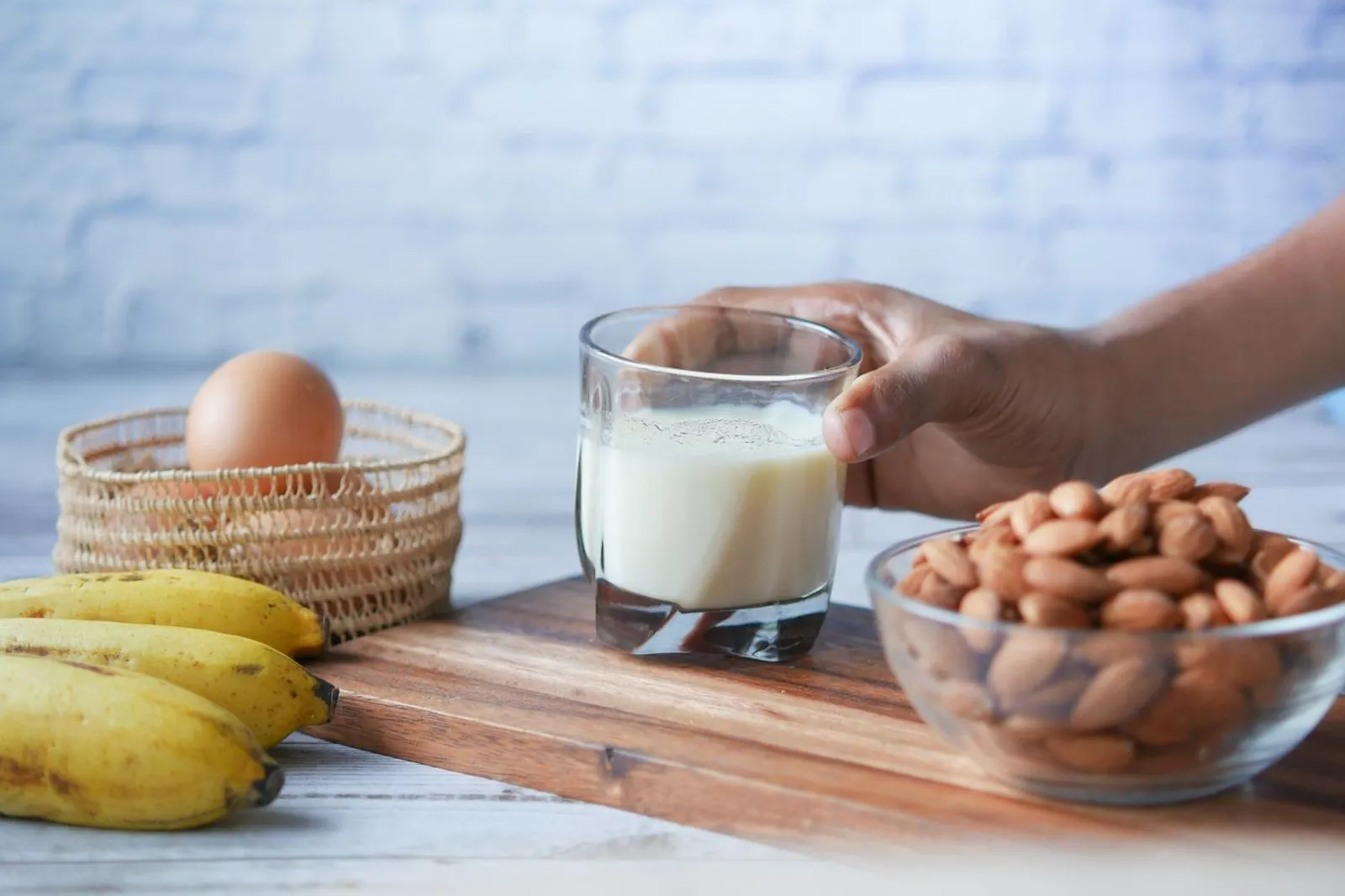
A well-planned vegetarian diet can meet pregnancy needs. Dal, curd, paneer, milk and legumes cover protein and calcium, while iron needs vitamin C pairing. A vegan diet needs closer supervision, because vitamin B12 is not reliably available from plants and usually has to come from a supplement your doctor recommends.
Three points deserve extra attention:
- Iron: combine ragi, bajra, rajma, chana and greens with lemon or amla, and keep tea away from meals.
- DHA: vegetarians get little from food. Ask your doctor whether an algae-based DHA supplement suits you.
- Protein: pair dal with rice or roti at the same meal, and add curd, paneer, soya chunks or tofu if you eat them.
Troubleshooting: nausea, acidity, constipation and low appetite
- Nausea: eat something dry before you get out of bed, such as a rusk or roasted chana, then take small meals every 2-3 hours.
- Acidity: smaller portions, an early dinner, and less fried or very spicy food usually help.
- Constipation: aim for about 2.5-3 litres of fluids a day unless your doctor limits them, plus fibre from vegetables, fruit, oats and dal. Iron tablets can worsen it, so tell your doctor instead of stopping them yourself.
- Low appetite: go for nutrient-dense mini-meals such as a banana-milk shake, paneer paratha or a handful of nuts and seeds.
Do you need supplements during pregnancy?
Most Indian doctors prescribe folic acid, iron and calcium tablets, and sometimes vitamin D or DHA, because food alone often falls short. The dose depends on your blood tests and how far along you are. Take only what your doctor prescribes, and never add or double up on your own.
Supplements fill gaps; they do not replace meals. Keep it safe:
- Do not start high-dose vitamin A, herbal or ayurvedic products, or protein powders without asking your doctor.
- Do not skip prescribed iron-folic acid tablets because of side effects. Ask whether the timing or form can be changed.
Foods and drinks to limit or skip
- Raw or undercooked eggs, meat and fish, plus unpasteurised milk and cheese.
- High-mercury fish such as shark, swordfish and king mackerel. Small oily fish like sardines are the usual choice.
- Alcohol: no safe amount is established, so most doctors advise none.
- Caffeine: keep it under about 200 mg a day, roughly 1-2 cups of tea or coffee.
- Street food and unfiltered water, which raise the risk of stomach infections.
- Liver in large amounts, because of its very high vitamin A content.
When should you see a doctor or registered dietitian?
See your doctor or registered dietitian if you cannot keep food or water down, feel very weak, pale or breathless, or gain weight much faster or slower than advised. Also speak early if you have diabetes, thyroid problems, high blood pressure, anaemia, twins, or a vegan diet.
Contact your doctor promptly for severe headache, sudden swelling of the face or hands, vision changes, or a drop in baby movements. A high sugar-test result also needs a personalised plan rather than a generic diet. If you want structured help, an online nutritionist consultation can turn your reports into an Indian meal plan, and our online yoga classes offer gentle sessions once your doctor approves. For a shorter checklist version of this topic, see nutritional requirements for pregnancy.
Frequently asked questions
Do I need to eat for two during pregnancy?
No. You need about 0 extra kcal in the first trimester, about 300-350 in the second and about 400-450 in the third. That is roughly one small extra meal, not double portions. Quality matters more than quantity, so build the extra from dal, curd, eggs, fruit and nuts.
Can I get enough iron from food alone?
Many women find it difficult. Food can supply a good share through ragi, bajra, greens, rajma and eggs, but pregnancy needs are high and many women start with low stores. That is why doctors check haemoglobin and usually prescribe iron tablets. Follow your reports, not guesswork.
How much tea or coffee is okay while pregnant?
Most doctors suggest keeping caffeine under about 200 mg a day, which is roughly 1-2 small cups of tea or coffee. Have it at least an hour away from iron-rich meals, since tea lowers iron absorption. If you have high blood pressure or acidity, ask your doctor for a lower limit.
Is a vegetarian diet enough for pregnancy?
It can be, with planning. Dal, curd, paneer, milk, legumes and greens cover most needs. The usual gaps are iron, vitamin B12 and DHA, which your doctor or dietitian may fix with prescribed supplements. Strict vegan diets need regular monitoring and a B12 plan.
How much weight should I gain during pregnancy?
It depends on your starting BMI. For a normal-weight woman the usual range is about 11-16 kg across the whole pregnancy, lower if you start overweight and higher if underweight. Your doctor will set your personal range and track it at each visit, so follow that advice.
These numbers are a starting point for a conversation with your doctor, not a replacement for one. If you would like your reports turned into a week of Indian meals you can actually cook, book an online nutritionist consultation with Fitstrot and bring your latest blood tests.


