
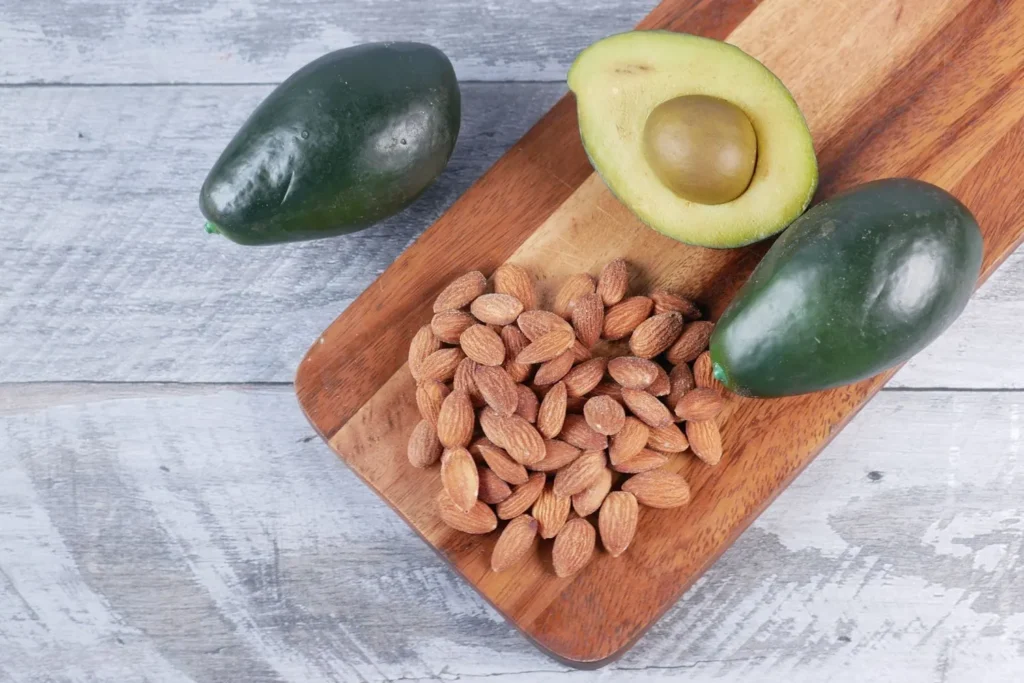
If you are underweight or simply want to add a few kilos, the right nutrition food for weight gain does most of the work: foods that pack plenty of calories into a small plate and still deliver protein, fibre and minerals. This guide lists calorie-dense Indian foods with rounded numbers, shows how to add 300-500 kcal a day without giant meals, and explains when low weight needs a doctor rather than a bigger thali.
It is general guidance for healthy adults, not medical advice, and no food list can promise a result. Slow, steady gain is the goal.
What counts as good nutrition food for weight gain?
Good nutrition food for weight gain is dense in both calories and nutrients. Fat gives about 9 kcal per gram, while carbohydrate and protein give about 4 kcal per gram, so ghee, nuts, paneer and full-cream milk add energy in small portions. Choose foods that also bring protein, fibre and minerals, not just sugar.
Calories are the easy part. Gaining weight well means adding energy plus the protein, vitamins and minerals your body uses to build muscle and tissue. A plate built on sweets and fried snacks moves the scale but leaves you tired and no stronger. Think of high calorie foods for healthy weight gain in three groups: concentrated fats (ghee, nuts, seeds, peanut butter), steady carbohydrates (rice, roti, oats, potato, banana, dates) and protein (dal, paneer, eggs, curd, milk, chicken, fish).
For the full eating pattern around these groups, read our guide to nutrition for weight gain, and see nutrition diet for weight gain for how to space meals across the day.
Calorie-dense Indian foods at a glance
Use this table to compare typical home portions. All figures are rounded estimates and change with your recipe, oil and portion size.
| Food | Typical portion | Energy (about) | Protein (about) | Easy way to use it |
|---|---|---|---|---|
| Ghee | 1 tsp (5 g) | 45 kcal | 0 g | On dal, rice, roti, khichdi |
| Almonds | 25 g, a small handful | 145 kcal | 5 g | Soaked, or in porridge and shakes |
| Roasted peanuts | 30 g | 170 kcal | 7-8 g | Chaat, poha topping, snack |
| Peanut butter, unsweetened | 1 tbsp (16 g) | 95 kcal | 4 g | On roti, toast or banana |
| Full-cream milk | 1 glass (250 ml) | 150-170 kcal | 8 g | Plain, with dates, in shakes |
| Paneer | 100 g | 260-300 kcal | 18 g | Bhurji, tikka, sabzi |
| Whole egg | 1 large | 70 kcal | 6 g | Boiled, omelette, bhurji |
| Cooked dal | 1 katori (150 ml) | 120-160 kcal | 6-9 g | With a ghee tadka |
| Full-fat curd | 1 bowl (200 g) | 130-160 kcal | 7 g | Raita, lassi, curd rice |
| Banana | 1 medium | 100 kcal | 1 g | Shake, or with peanut butter |
| Dates | 4 medium (30 g) | 85 kcal | 1 g | With milk, in oats |
| Cooked white rice | 1 katori (150 g) | 190 kcal | 4 g | Khichdi, curd rice |
| Boiled potato | 1 medium (150 g) | 130 kcal | 3 g | Sabzi, paratha filling |
| Roti | 1 medium (30 g atta) | 100 kcal | 3 g | Smeared with a little ghee |
Protein decides whether new weight turns into muscle or soft fat, so include a source at every meal, not only at dinner. Our guide to protein and nutrition explains how much you need per day for your body weight.

How do you add 300-500 kcal a day without giant meals?
Add 300-500 kcal a day by upgrading the meals you eat today instead of adding huge new ones. Two tsp ghee (about 90 kcal), 25 g peanuts (about 170 kcal), one banana (about 100 kcal) and one egg (about 70 kcal) together add about 430 kcal and fit around normal meals.
The walkthrough is simple: keep your usual Indian meal structure, then bolt on small, calorie-rich extras. The table below is a menu, not a mandate.
| Meal | Keep your usual | Add this | Extra energy (about) |
|---|---|---|---|
| Breakfast | Poha, upma, besan chilla or oats | 1 banana plus 1 tbsp peanut butter | 195 kcal |
| Mid-morning | Tea or nothing | 1 glass full-cream milk with 4 dates | 240 kcal |
| Lunch | Roti or rice, dal, sabzi | 1 tsp ghee on dal plus 1 bowl full-fat curd | 185 kcal |
| Evening | Tea and a light snack | 25-30 g roasted peanuts or almonds | 145-170 kcal |
| Dinner | Roti, sabzi, dal | 1 tsp ghee on roti plus 1 egg or 50 g paneer | 115-185 kcal |
Pick two or three rows, not all five. Every row together would add about 900 kcal, which is too much for most people to start with and tends to cause bloating.
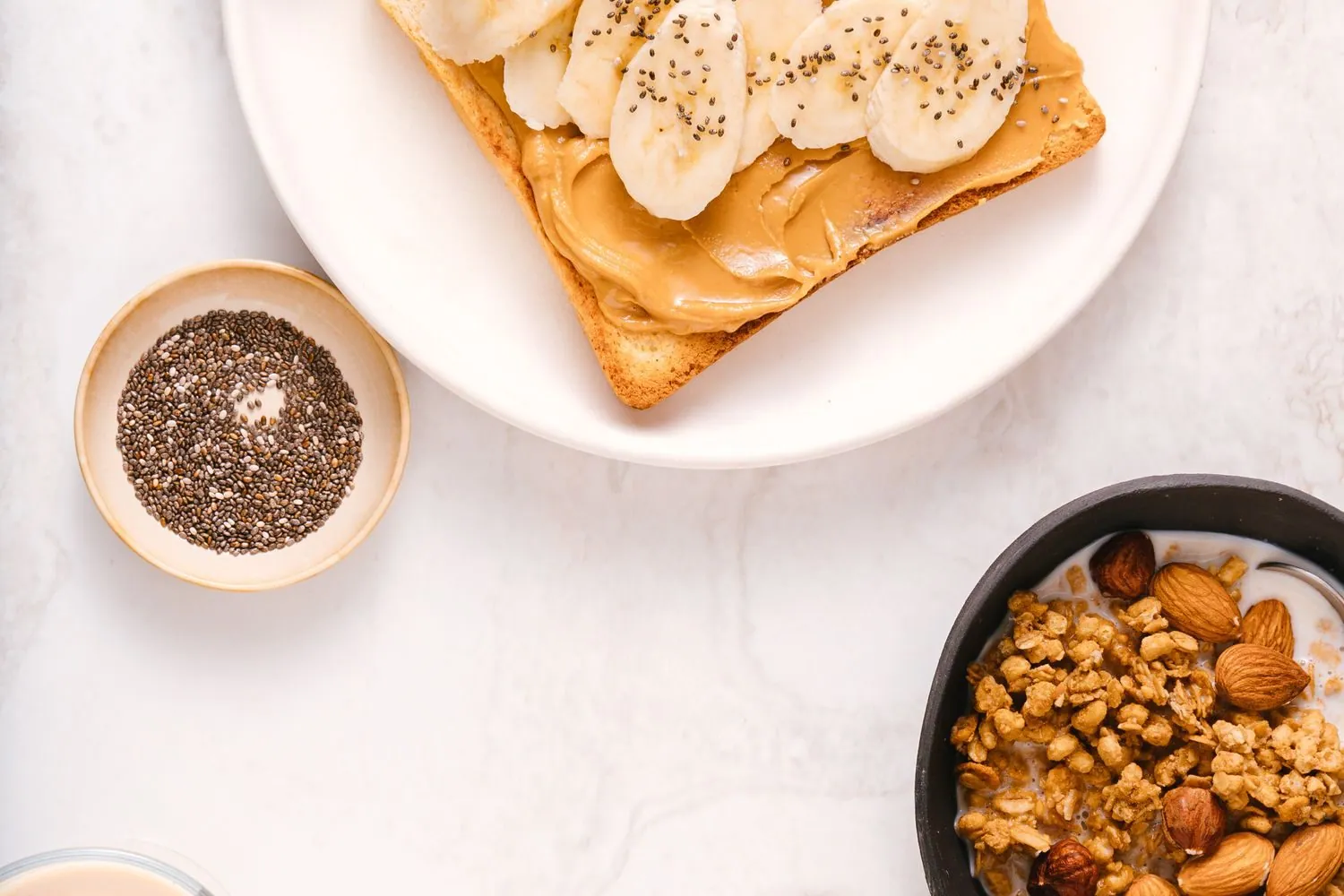
A homemade shake is the easiest add-on if your appetite is small. Blend one banana, 250 ml full-cream milk, one tablespoon of peanut butter and three dates. That gives about 420 kcal and 13-15 g protein from whole foods, with no sugar syrup or powder needed.
Myth check: fried snacks and sweets are not a shortcut
The common advice is to eat anything high in calories. It works on the scale, but the extra weight arrives with little protein, which means more belly fat, low energy and, over time, higher risk for blood sugar and cholesterol. The same calories can come with far more nutrition.
| Common choice | About kcal | Similar-calorie swap | What you gain |
|---|---|---|---|
| 1 fried samosa | 250 | 1 banana plus 25 g roasted peanuts | About 8 g protein, fibre, potassium |
| 1 sugary cold drink (300 ml) | 130 | 1 glass full-cream milk | About 8 g protein, calcium |
| 2 pieces of gulab jamun | 300 | 100 g paneer sabzi | About 18 g protein |
| 50 g fried namkeen | 270 | 30 g peanuts plus 4 dates | About 8 g protein, iron, fibre |
Two more myths are worth clearing. First, the best foods to gain weight are ordinary kitchen foods, so you do not need a weight gainer powder or a herbal tonic to gain; food does the job. Traditional herbs such as ashwagandha or shatavari are sometimes paired with a calorie-rich diet for appetite, but evidence is limited and they may interact with medicines or thyroid conditions, so check with your doctor first. Our guide to herbal nutrition for weight gain covers the traditional side sensibly. Second, food alone cannot decide where the weight lands. Strength training tells the body to build muscle with the surplus, which is why a plan pairs meals with a weight gain workout.
Eating more but the scale will not move? Troubleshoot it
- You are adding volume, not energy. A large plate of watery sabzi and thin dal fills you up with few calories. Keep portions similar and add ghee, nuts, paneer or curd instead.
- Your appetite is small. Eat five or six smaller meals about every three hours, drink water after meals rather than before, and use shakes or milk as snacks. Some people find light yoga improves appetite and digestion; see yoga for weight gain for gentle options.
- The weight stalled after 3-4 weeks. Weigh yourself weekly, same time, same scale. If there is no change, add about 150-200 kcal, such as an extra tablespoon of peanut butter and a glass of milk.
- Protein is low. Healthy adults who strength train often aim for about 1.2-1.6 g per kg per day, roughly 70-95 g for a 60 kg person. If you have kidney problems, confirm your target with a doctor first.
- Ghee and nuts upset your stomach. Start with half a teaspoon of ghee, soak nuts overnight and increase slowly over two weeks.
- Nothing changes despite steady effort. That points to a medical cause worth checking, covered in the last section below.
Vegetarian, non-vegetarian or lactose-intolerant: what to pick
- Vegetarian: build meals from dal with rice or roti, paneer, curd, milk, nuts and seeds. Soya chunks add about 15 g protein and about 100 kcal per 30 g dry weight. Eggs fit if you are eggetarian.
- Non-vegetarian: eggs, chicken curry and fish curry add protein easily; cook with a little ghee or oil instead of deep frying.
- Lactose-intolerant or vegan: use peanut butter, nuts, sesame, chickpeas, rajma, soya and dal-rice combinations. Plant milks fortified with calcium can replace cow milk. A vegan diet needs a vitamin B12 check, so involve a doctor or dietitian.
- Lean beginners at the gym: eat within about two hours after training, and let a coach set your lifting plan. A trainer in a 1-1 personal training session can keep your form safe while the calories do their work.
If you are contrasting this with a fat-loss approach, our article on nutrition food for weight loss explains the same energy-density idea in reverse.
How fast is it safe to gain weight?
A safe pace for most healthy adults is about 0.25-0.5 kg a week, or roughly 1-2 kg a month. A surplus of 300-500 kcal a day usually fits that range. Gaining much faster tends to add more fat and water than muscle, and the scale often starts to change within 3-4 weeks.
Results vary with age, sleep, stress, activity and health, so treat these as typical ranges, not promises. Track weight weekly and waist or arm measurements every two weeks, and judge progress over six to eight weeks rather than day to day.
When should you see a doctor or registered dietitian about low weight?
See a doctor if your BMI is below about 18.5, if you have lost weight without trying, or if your weight does not rise after six to eight weeks of steady extra eating. A registered dietitian can then tailor food to your health conditions, medicines and budget.
Book a check sooner if low weight comes with any of these:
- Ongoing tiredness, weakness, dizziness or frequent infections
- Loss of appetite, persistent diarrhoea, vomiting or stomach pain
- Night sweats, fever or a long-lasting cough
- Missed periods, hair loss or feeling very low or anxious about food
Also speak to your doctor or registered dietitian before raising ghee, nuts, paneer or protein if you have diabetes, high cholesterol or triglycerides, heart, kidney or liver disease, a thyroid condition, or digestive disease. The same applies in pregnancy, while breastfeeding, for teenagers and children, and for anyone with a history of disordered eating. Never stop or change a medicine because of a food plan.
A dietitian-led plan removes the guesswork, which is where an online nutritionist consultation helps.
Frequently asked questions
What is the best food for weight gain in India?
No single food wins. A plate of dal, rice, ghee and paneer, or a banana-peanut butter-milk shake, covers fat, carbohydrate and protein together. Combining groups at every meal works better than relying on one food, and staying consistent matters more than any single item.
How many extra calories do I need to gain weight healthily?
Most healthy adults gain steadily on about 300-500 kcal above maintenance a day, which usually means about 0.25-0.5 kg a week. Needs differ with age, activity and health, so a doctor or registered dietitian can set a safer personal target.
Is ghee good for weight gain?
In moderate amounts, yes. One teaspoon adds about 45 kcal and helps your body absorb vitamins A, D, E and K. Start with one or two teaspoons a day, and ask your doctor first if you have high cholesterol, heart disease or fatty liver.
Can vegetarians gain weight with Indian food?
Yes. Dal, paneer, full-cream milk, curd, nuts, seeds, soya and ghee supply enough protein, fat and calories for healthy gain without meat. Include a protein source and a fat source at every meal instead of relying only on rice and roti.
Should I use protein powder or a weight gainer instead of whole foods?
Whole foods are the better first step because they bring fibre, vitamins and minerals. A shake of milk, banana, peanut butter and dates can match many powders for calories. Ask a doctor or dietitian before using any supplement, especially with kidney issues.
Want a food plan built around your appetite, budget and health reports? Book an online nutritionist consultation with Fitstrot and get a gradual weight-gain plan using Indian foods you actually enjoy.


