
Search for ayurvedic weight gain in India and you will be offered churnas, syrups, capsules and “100% herbal” powders promising 5 kg in 30 days. Almost none of that is supported by evidence. The honest position, which this guide sticks to throughout, is that no herb causes weight gain on its own. A few — ashwagandha most of all — have real human trial data, but for strength and recovery alongside training, not for adding kilos. Everything that actually moves the scale comes from a calorie surplus, adequate protein and progressive resistance training. This article separates the trials that exist from the marketing that surrounds them, shows the numbers you need, and flags the safety problems that make unregulated herbal weight gain products a genuinely bad bet.
This article is educational and not a substitute for medical advice. If you are losing weight without trying, or have been underweight for a long time, see a doctor before starting any supplement or diet plan — unintentional weight loss can signal thyroid disease, coeliac disease, diabetes, tuberculosis or an eating disorder, and no herb addresses any of those.
Does ayurvedic weight gain actually work?
No ayurvedic or herbal preparation has been shown in controlled human trials to cause weight gain by itself. The strongest relevant evidence is an 8-week randomised trial of 57 young men in which 300 mg of ashwagandha root extract twice daily, combined with resistance training, produced larger strength and muscle-size gains than placebo — a training effect, not a weight-gain effect. Without a calorie surplus, nothing is added.
That distinction matters because the two outcomes are marketed as though they were the same thing. “Gaining weight” means your body ends the week with more tissue than it started with, which requires eating more energy than you burn. “Gaining muscle” means a share of that new tissue is lean rather than fat, which requires training and protein. A herb can, at absolute best, nudge the second. It cannot create the first.
What the trials really found about ashwagandha weight gain
In the 2015 trial published in the Journal of the International Society of Sports Nutrition, 57 men aged 18–50 with little training experience were randomised to 300 mg ashwagandha root extract twice daily or a starch placebo, and both groups trained for 8 weeks. The ashwagandha group gained more on the bench press (46.0 kg vs 26.4 kg), more on leg extension (14.5 kg vs 9.8 kg), more arm muscle cross-sectional area (8.6 cm² vs 5.3 cm²), and showed a larger testosterone rise (96.2 ng/dL vs 18.0 ng/dL).
Read the last outcome in that paper carefully, because sellers never quote it: the ashwagandha group also lost more body fat than placebo — 3.5% versus 1.5%. A supplement that reduces body fat percentage more than placebo is not a weight-gain product. It is a body-composition product, and only in people who are already training hard.
Two further caveats belong on the label. The sample was 57 people, not 5,700, and effect sizes from small trials routinely shrink when repeated at scale. And the extract used was a standardised root extract at a defined dose — not the unstandardised churna sold loose by weight, where the actual withanolide content is unknown.
Evidence scorecard for popular weight gain ayurvedic herbs
| Herb | What it is sold for | Best available human evidence | Honest verdict for weight gain |
|---|---|---|---|
| Ashwagandha (Withania somnifera) | “Builds body weight and muscle” | 8-week RCT, 57 trained men: greater strength and muscle size gains vs placebo — and greater fat loss | May support training adaptations. Does not add weight on its own. |
| Shatavari (Asparagus racemosus) | “Weight gain for women, builds strength” | NIH LactMed review: clinical results on its traditional lactation use are mixed and many studies lack randomisation or placebo control | No controlled evidence for weight gain in adults. |
| Vidarikand, Yashtimadhu, Bala | Common churna ingredients “for bulk” | No adequately powered randomised human weight-gain trials identified | Traditional use only. Treat claims as unverified. |
| Rasa shastra (metal-bearing) formulations | “Rejuvenating tonic” | JAMA 2008: 40.6% of rasa shastra products tested contained detectable lead, mercury or arsenic | Avoid unless prescribed and batch-tested. |
| Generic “herbal weight gain capsule” blends | “5 kg in 30 days, no side effects” | NCCIH: bodybuilding-category supplements are a leading source of supplement-linked liver injury and are frequently adulterated | Highest risk, lowest evidence. Not recommended. |
The pattern is consistent. Where a herb has been studied properly, the finding is narrow and training-dependent. Where the weight-gain claim is loudest, the trial evidence is absent.
The real risk: what is actually inside weight gain ayurvedic medicine
This is the part of the category that deserves more attention than the efficacy question. A 2008 JAMA analysis bought 230 ayurvedic products online and tested 193 of them; 20.7% contained detectable lead, mercury or arsenic, and every single metal-containing product exceeded at least one standard for acceptable daily intake. Rasa shastra preparations were worse, at 40.6%, with median mercury concentrations of 20,800 µg/g. Notably, 75% of the contaminated products claimed Good Manufacturing Practices on the label.
Ashwagandha itself carries a documented liver signal. The NIH LiverTox database assigns it a likelihood score of B — a likely cause of clinically apparent liver injury — based on roughly 23 published cases, typically appearing 2 to 12 weeks after starting the herb and resolving within 1 to 4 months of stopping it. Most cases are self-limited, but rare severe outcomes have occurred, particularly in people with existing liver disease.
Finally, adulteration. The US National Center for Complementary and Integrative Health notes that products in the bodybuilding category are frequently adulterated with undeclared anabolic steroids and that liver injury from bodybuilding supplements has risen in recent years, making them the most common cause of liver injury linked to herbal and dietary supplement use. Rapid gain on an unbranded “herbal” powder is not evidence that the herbs work; it is a reason to ask what else is in the tin.
Weight gain ayurvedic churna, syrup and tonic — the label problem
Loose churna, syrups and tonics sold by weight or in unmarked bottles carry a specific problem: you cannot verify the dose of anything. The NIH LactMed monograph on Asparagus racemosus makes the general point plainly — with herbal products, differences are often found between labelled and actual ingredients or their amounts, and third-party seals do not certify safety or effectiveness. If a product cannot tell you the species, the plant part, the extract ratio and the batch-tested heavy-metal result, it cannot tell you anything useful.
Five claims herbal weight gain powder sellers get wrong
- “It increases appetite, so you gain.” Even if appetite rose, weight only changes if the extra appetite is converted into extra eaten calories. An appetite claim is not a calorie claim.
- “Ashwagandha increases testosterone, so you bulk.” The 2015 trial’s testosterone difference was 96.2 ng/dL against placebo — a within-normal-range shift in untrained men, and it occurred alongside a drop in body fat.
- “It’s herbal, so there are no side effects.” LiverTox rates ashwagandha as a likely cause of clinically apparent liver injury. Botanical origin is not a safety guarantee.
- “5 kg in 30 days.” Roughly 0.25–0.5 kg per week is what a controlled surplus produces. Anything faster is water, gut content, or fat you did not want.
- “Weight gain ayurvedic supplements replace food.” They do not supply meaningful calories. A 60 g serving of any powder cannot deliver the 300–500 kcal surplus you need.
Your actual numbers: calories and protein for gaining weight
The NHS advice for underweight adults is to add around 300 to 500 extra calories a day, eat smaller meals more often with snacks between them, and build muscle with strength training. For protein, ICMR-NIN’s 2020 Recommended Dietary Allowances set the adult requirement at 0.83 g per kg body weight per day — 54.0 g for a 65 kg reference man and 45.7 g for a 55 kg reference woman. That is a floor for health, not a target for building muscle.
For that, the reference point is the 2018 British Journal of Sports Medicine meta-analysis of 49 studies and 1,863 participants, which found that protein intakes beyond 1.62 g/kg/day produced no further gains in fat-free mass during resistance training. So roughly 1.6 g/kg is where the returns stop — which conveniently gives you an upper target rather than an open-ended one.
| Body weight | ICMR-NIN minimum protein (0.83 g/kg) | Training target protein (~1.6 g/kg) | Extra calories per day | Realistic weekly gain |
|---|---|---|---|---|
| 45 kg | 37 g | 72 g | +300 to 500 kcal | 0.25–0.5 kg |
| 50 kg | 42 g | 80 g | +300 to 500 kcal | 0.25–0.5 kg |
| 55 kg | 46 g | 88 g | +300 to 500 kcal | 0.25–0.5 kg |
| 60 kg | 50 g | 96 g | +300 to 500 kcal | 0.25–0.5 kg |
| 65 kg | 54 g | 104 g | +300 to 500 kcal | 0.25–0.5 kg |
| 70 kg | 58 g | 112 g | +300 to 500 kcal | 0.25–0.5 kg |
For context on the baseline you are adding to: ICMR-NIN 2020 puts the energy requirement of a 65 kg man doing moderate work at 2,710 kcal a day and a 55 kg woman at 2,130 kcal. A 400 kcal surplus on top is a meaningful but manageable addition — roughly one extra composed snack, not a second dinner. Our high-protein Indian diet plan covers how to distribute that protein across vegetarian meals.
Building the surplus with Indian food instead of supplements
The practical job is adding 300–500 kcal a day without killing your appetite for real meals. Mayo Clinic’s guidance for underweight adults is to move to five to six smaller meals a day, choose nutrient-dense foods, add extras such as nut butter to what you already eat, and avoid filling up on low-calorie drinks during meals. Applied to an Indian kitchen, that looks like:
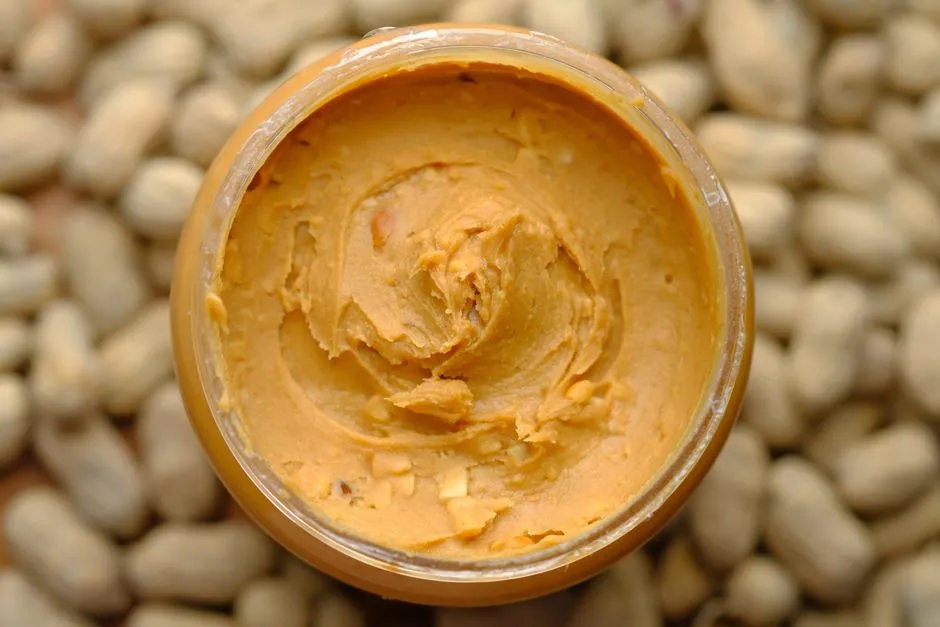
- Fat is your lever. A spoon of ghee on dal or roti, a handful of almonds or walnuts, or peanut butter on toast adds calories in a volume small enough that you still eat dinner.
- Drink your surplus. Full-fat milk with banana, dates and soaked almonds is the single easiest add-on. Liquid calories bypass the fullness problem that stops most underweight people.
- Upgrade, don’t just add. Paneer instead of some of the dal, curd instead of water, full-fat milk instead of tea without it.
- Keep two anchor snacks. Mid-morning and pre-bed. Skipping these is the most common reason a surplus quietly disappears.
- Do not build the surplus from fried food and sweets. You will gain, but almost entirely as fat, and the lipid and blood-sugar cost is real.
Before you buy a herbal weight gain capsule: a seven-point check
If you still want to try a herbal product alongside a proper plan, this is the minimum screening. A product that fails any of the first four should not go in your body.
| # | What to check | Pass looks like | Walk away if |
|---|---|---|---|
| 1 | Named species and plant part | “Withania somnifera root extract” | “Proprietary ayurvedic blend” |
| 2 | Standardised dose | Stated mg per serving and extract ratio | Loose churna sold by weight |
| 3 | Heavy-metal batch testing | Batch-wise lead, mercury, arsenic report | No report, or a generic “lab tested” badge |
| 4 | Rasa shastra content | No bhasma or metal-mineral ingredients | Any metal-bearing preparation without a prescription |
| 5 | Claims made | Supports training, no kilo promises | “5 kg in 30 days”, before-and-after photos |
| 6 | Liver risk disclosed | Advises stopping if jaundice or dark urine appears | “No side effects, 100% safe” |
| 7 | Doctor clearance | Checked against your medicines and liver history | Existing liver disease, pregnancy, or thyroid medication |
Weight gain ayurvedic medicine for female users: what changes
Very little of the physiology differs, and that is the point worth making. Women require the same 0.83 g/kg protein floor under ICMR-NIN 2020 and gain tissue by the same 300–500 kcal surplus. What does change is the marketing: shatavari is pitched to women as a weight-gain herb specifically, and the NIH LactMed review of Asparagus racemosus shows why that is unsupported — the clinical literature on it addresses lactation, results there are mixed, and there is no controlled trial showing weight gain in adult women.
Two additional cautions apply. Persistent difficulty gaining weight in women is disproportionately linked to hyperthyroidism, coeliac disease, heavy menstrual blood loss with iron deficiency, or an eating disorder, all of which need diagnosis rather than a tonic. And herbal products are not advisable in pregnancy or while breastfeeding without an obstetrician’s input. If you are being guided on medication for thyroid or PCOS, never change the dose or stop it because a herbal seller suggested it — that decision belongs to your treating doctor.

Troubleshooting: you are eating more and the scale will not move
This is the most common failure, and the cause is almost never the absence of a herb. Work through it in this order.
| Period | What should be happening | If it is not |
|---|---|---|
| Weeks 1–2 | Scale up 0.3–1 kg, mostly food volume and glycogen | You have not actually added 300–500 kcal. Write down the add-ons for three days. |
| Weeks 3–4 | Steady 0.25–0.5 kg per week; lifts starting to climb | Surplus is being cancelled by high activity. Raise the add-on, not the training volume. |
| Weeks 5–8 | Sleeve and waist measurements moving, not just weight | Protein is short of ~1.6 g/kg, or training has no progressive overload. |
| Weeks 9–12 | 2–4 kg total gain, strength up on main lifts | Zero movement across 12 honest weeks warrants a doctor visit and blood work. |
The two errors that account for most stalls are under-eating on weekends — five good days and two poor ones average out to maintenance — and training that adds sessions instead of load. The fix for the second is a structured plan; our bulking workout plan lays out progressive overload without needing more gym time. If your interest in ayurveda extends beyond supplements, our ayurvedic diet guide covers the same evidence-first approach from the other direction.

When difficulty gaining weight is a medical problem
See a doctor promptly, before any supplement, if you have lost weight without changing your diet or activity, have a BMI below 18.5 that has not responded to eating more, or have accompanying symptoms — night sweats, persistent fever, chronic diarrhoea, blood in stool, a lump, unusual fatigue, or a racing heart. The NHS is explicit that unexplained weight loss can indicate an underlying condition, and Mayo Clinic defines underweight as a BMI under 18.5 or roughly 15–20% below typical weight for your age.
The conditions that most often sit behind it in India are hyperthyroidism, type 1 and poorly controlled type 2 diabetes, coeliac disease and other malabsorption, tuberculosis, chronic infection, and eating disorders. Each is diagnosable and treatable. None responds to a churna. If food intake is tangled up with anxiety, control or body image, that is a clinical issue and deserves care rather than a supplement.
Frequently asked questions
Can ashwagandha alone make me gain weight?
No. In the 8-week randomised trial most often cited for this claim, the ashwagandha group gained more strength and muscle size than placebo but also lost more body fat — 3.5% versus 1.5%. Ashwagandha may support training adaptations at 300 mg twice daily; it does not create the calorie surplus that weight gain requires.
Is there any ayurvedic medicine proven to increase body weight?
No ayurvedic preparation has demonstrated weight gain in an adequately powered, placebo-controlled human trial. Where evidence exists, as for ashwagandha, it concerns strength, recovery and body composition alongside resistance training. Products promising specific kilo targets over specific timeframes are making claims that no published trial supports.
Are herbal weight gain powders and capsules safe?
Often not. A 2008 JAMA analysis found detectable lead, mercury or arsenic in 20.7% of 193 ayurvedic products tested, rising to 40.6% for rasa shastra preparations. NCCIH reports that bodybuilding-category supplements are frequently adulterated with undeclared anabolic steroids and are the leading cause of supplement-linked liver injury.
How much weight can I realistically gain per week?
About 0.25 to 0.5 kg per week on a 300–500 kcal daily surplus, which is the range NHS guidance recommends for underweight adults. That is roughly 1–2 kg a month, or 3–6 kg over a 12-week block. Faster gain is mostly fat and water, and products promising 5 kg in 30 days are not describing tissue you want.
How much protein do I need to gain muscle, not just fat?
ICMR-NIN 2020 sets the adult minimum at 0.83 g per kg per day — 54 g for a 65 kg man. For muscle gain with resistance training, the 2018 BJSM meta-analysis of 49 studies found no further fat-free mass benefit above roughly 1.62 g per kg per day, so about 1.6 g/kg is a sensible ceiling target.
Does ashwagandha damage the liver?
It can, rarely. The NIH LiverTox database assigns ashwagandha a likelihood score of B — a likely cause of clinically apparent liver injury — based on around 23 published cases. Injury typically appears 2 to 12 weeks after starting and resolves within 1 to 4 months of stopping. Stop and see a doctor if jaundice, dark urine or unusual fatigue develops.
Is shatavari effective for weight gain in women?
There is no controlled trial evidence that shatavari increases body weight in adult women. The NIH LactMed monograph on Asparagus racemosus concludes that clinical results even for its traditional lactation use are mixed, with many studies lacking randomisation, blinding or placebo control. Its weight-gain reputation is traditional rather than tested.
Do I need any supplement at all to gain weight?
No. A 300–500 kcal daily surplus from milk, ghee, nuts, dates, paneer and regular meals, plus protein near 1.6 g/kg and progressive resistance training, covers everything the evidence supports. A protein powder is a convenience for hitting the protein number when appetite is poor — not a requirement, and not a herbal product.
Start with the surplus, not the shelf
Pick one add-on snack, one protein target and one training programme, hold them for twelve weeks, and measure. That will out-perform every churna on the market. If you want the numbers built around your body weight, appetite and household food, book a session with a Fitstrot dietitian through our online nutritionist consultation, or pair it with 1-on-1 personal training so the weight you add is the kind you wanted.


