
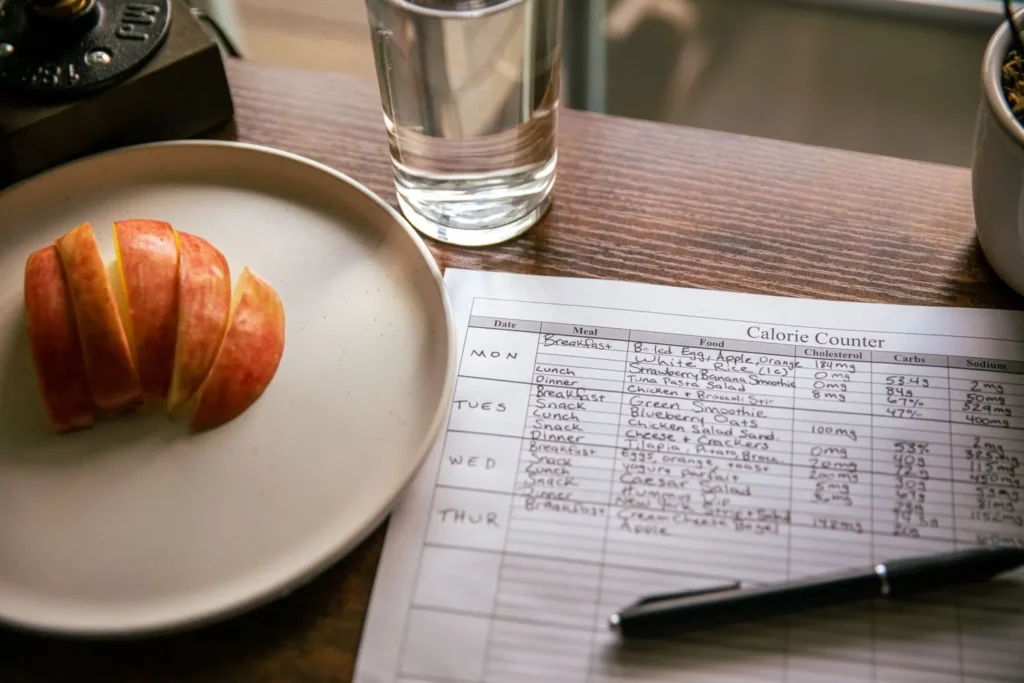
A good nutrition diet for weight gain adds about 300-500 kcal a day to what you eat now, split across five or six meals, with a protein food in every one. Done steadily, that usually means about 0.25-0.5 kg a week, and most of the gain should be lean tissue, not only belly fat. Below you get a 7-day Indian chart with vegetarian meals and non-veg swaps, the grams behind common foods, and fixes for a low appetite or a stuck scale. It is general guidance, not a medical plan.
If you want the food-by-food reasoning first, our guide to the best foods for weight gain covers it. This page is the day-by-day version: what to cook, how much, and what to change when things stall.
How many extra calories do you need to gain weight safely?
Most adults gain weight steadily on about 300-500 kcal a day above their maintenance intake, which works out to roughly 0.25-0.5 kg a week. Maintenance depends on your size, age and activity, so find it first and then add the surplus. Going far beyond 700-800 kcal extra mostly adds fat and is hard to keep up.
To estimate maintenance, eat normally for two weeks and weigh yourself each morning. If the average stays flat, that intake is your maintenance. As a rough guide, many adult men sit around 2,000-2,800 kcal and many women around 1,600-2,200 kcal, but your own two-week average beats any formula.
Protein is the second lever. For most healthy adults, about 1.2-1.6 g per kg of body weight a day is a sensible range, and people who lift weights regularly sometimes go up to about 2 g per kg. A 55 kg person is looking at roughly 65-90 g a day. Our protein and nutrition guide shows how to reach that from Indian food. If your BMI is below about 18.5, read how BMI relates to your nutrition needs before you start.
The 7-day Indian weight gain diet chart (veg first, non-veg swaps)
Every day begins the same way: one glass of whole milk (about 250 ml, roughly 150 kcal) with 5 soaked almonds. Mid-morning is one fruit, such as a banana, mango or an apple with 1 tablespoon of peanut butter. The table covers the four main sittings. Together the day lands at roughly 2,200-2,500 kcal, a template for someone around 55-65 kg with light activity. Scale portions up or down by 10-15% to fit you.
| Day | Breakfast | Lunch | Evening snack | Dinner |
|---|---|---|---|---|
| Mon | 2 vegetable parathas, 1 katori curd | 1.5 cups rice, dal, paneer sabzi (swap: chicken curry), salad | Peanut chikki, roasted chana | 2 chapati, mixed vegetables, curd |
| Tue | Poha with peanuts, 1 boiled egg (veg: extra peanuts) | 1.5 cups rice, rajma, ghee, vegetables | Whole wheat cheese sandwich | 3 chapati, chole (swap: egg curry), sauteed spinach |
| Wed | 2 besan cheela, curd | 1.5 cups rice, moong dal, bhindi, papad | Makhana roasted in ghee | 2 chapati, paneer bhurji (swap: fish curry), salad |
| Thu | Vegetable upma with peanuts, optional egg | 1.5 cups rice, dal makhani, aloo gobi | Banana milkshake | 3 chapati, soya chunk curry (swap: chicken), salad |
| Fri | 2 stuffed parathas (paneer or aloo), curd | 1.5 cups rice, sambar, vegetable poriyal, curd | Peanut butter banana toast | 2 chapati, lauki chana dal (swap: egg bhurji) |
| Sat | 4 idli, sambar, coconut chutney | 1.5 cups rice, kadhi, mixed sabzi, ghee | 2-3 oats and dates energy balls | 3 chapati, paneer tikka masala (swap: chicken curry), salad |
| Sun | Vegetable daliya cooked in milk, with ghee | Vegetable pulao or biryani, raita (swap: chicken biryani) | Banana and dates milkshake | 2 chapati, dal, seasonal sabzi, salad |
The pattern matters more than any single dish. Each lunch and dinner pairs a grain, a protein food and a vegetable, and the snacks are whole foods that carry calories in small volume. That is what separates a nutritious surplus from an empty one. If you are helping someone at home who wants the opposite goal, the weight loss diet chart uses the same day-by-day format.
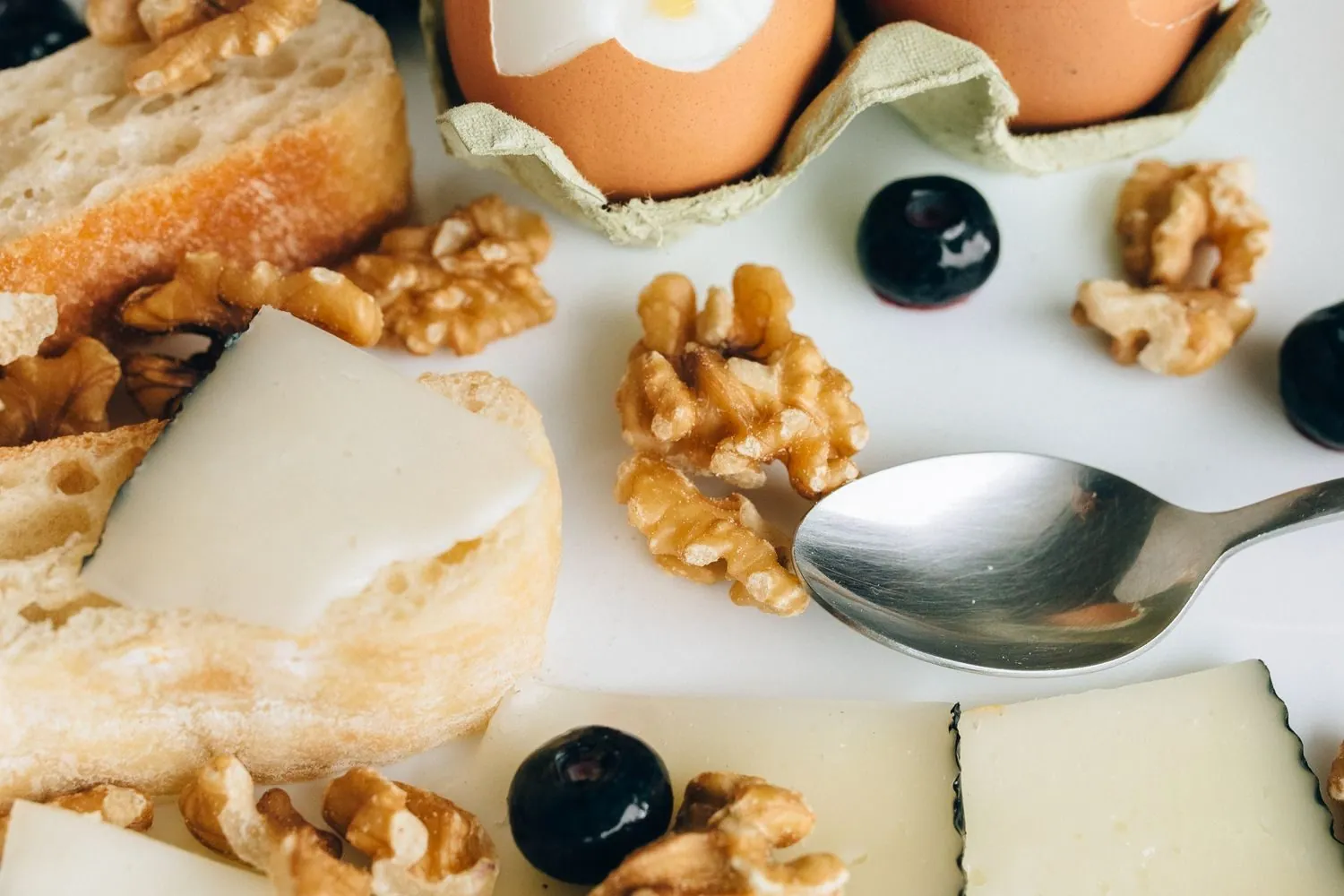
Calories and protein in common Indian foods
These are rounded, approximate figures for usual home-cooked servings. Brands, recipes and oil quantities change them, so treat the numbers as planning guides, not lab values.
| Food | Serving | Kcal (about) | Protein (about) |
|---|---|---|---|
| Whole milk | 1 glass, 250 ml | 150 | 8 g |
| Curd, whole milk | 1 small katori, 100 g | 60 | 3-4 g |
| Paneer | 100 g | 270-300 | 18 g |
| Egg | 1 whole | 70-75 | 6 g |
| Cooked chicken | 100 g | 165-200 | 25-30 g |
| Soya chunks, dry | 30 g | 100 | 15 g |
| Cooked dal | 1 katori, 150 g | 130 | 7 g |
| Cooked rajma or chole | 1 katori, 150 g | 170-190 | 9-10 g |
| Cooked rice | 1 cup, 150 g | 200 | 4 g |
| Chapati | 1 medium | 100-120 | 3 g |
| Peanuts | 30 g, a small handful | 170 | 7-8 g |
| Peanut butter | 1 tablespoon, 16 g | 95 | 4 g |
| Almonds | 10 nuts, 12 g | 70 | 2-3 g |
| Ghee | 1 teaspoon, 5 g | 45 | 0 g |
| Banana | 1 medium | 100 | 1 g |
Notice how much a little ghee, a spoon of peanut butter or a glass of milk adds without taking much plate space. That is the trick for people who feel full quickly.
How do you build a high-calorie plate, step by step?
Fill about half the plate with a grain or starch such as rice, chapati or poha, a quarter with a protein food such as dal, paneer, egg or chicken, and the rest with vegetables. Then add one calorie booster, like a teaspoon of ghee, nuts or curd. Repeat this at five or six sittings daily.
- Start with the base. Two chapatis or 1.5 cups of cooked rice give about 200-300 kcal and keep the meal familiar.
- Anchor it with protein. Aim for roughly 15-25 g of protein per meal: a katori of dal plus curd, 100 g of paneer, or two eggs.
- Add the vegetables. They bring fibre and micronutrients, so do not drop them to make room for more rice.
- Boost without bulk. Cook daliya or oats in milk instead of water (about 150 kcal more), stir a tablespoon of peanut butter into a shake, and finish dal with a teaspoon of ghee.
- Never skip the snacks. Three small snacks of 150-250 kcal each are easier than forcing two huge meals.
Myth check: is more ghee, sweets and fried food the fastest way to gain?
No. Fried snacks, bakery items and sweets do add calories quickly, but they carry little protein and few micronutrients, and they dull your appetite for the next proper meal. The result is weight that is mostly fat, plus a diet that is hard to stick to.
- Myth: skip meals, then eat a huge one to catch up. A very large meal is harder to finish than several moderate ones, so you usually end up eating less overall.
- Myth: rice and ghee alone will do it. That adds weight, but without enough dal, dairy, egg or meat a bigger share ends up as fat rather than muscle.
- Myth: you need powders or tonics. Regular food can do the job. If you are curious about herbal approaches, read our herbal nutrition and weight gain guide, and check with a doctor before using any product alongside medicines.
- Myth: tea or coffee before meals is harmless. A cup right before eating can blunt appetite in people who already struggle to eat enough.
Adjusting the chart: vegetarians, vegans, hostel students and busy workers
The chart is a starting point. Use this table to adapt it to your body size, diet and routine.
| Your situation | What to change | Easy example |
|---|---|---|
| Under about 50 kg | Add one extra snack and raise lunch and dinner grains by about a quarter | A second banana milkshake, about 250 kcal |
| Above about 70 kg, gaining lean mass | Keep portions, lift protein rather than rice | An extra egg or 100 g paneer at dinner |
| Lifting weights 3-4 days a week | Aim for the top of the surplus range and add a post-workout snack | Banana with a glass of milk within an hour of training |
| Vegetarian, no eggs | Lean on dairy, dal, soya and paneer for protein | Curd with every meal, soya chunk curry twice a week |
| Vegan | Swap dairy for fortified soy milk, tofu, peanuts and pulses, and ask a dietitian about vitamin B12 | Peanut chikki, tofu bhurji, sprouted moong |
| Hostel or mess food | Carry shelf-stable snacks to fill the gaps | Roasted chana, nuts, dates, peanut butter sachets |
| Long office hours | Set phone reminders for snacks and keep a box at your desk | Makhana, banana, a handful of nuts, a cheese sandwich |
Troubleshooting: the scale is stuck or you cannot finish your meals
Most plateaus have simple causes. Work through these before you add more food.
- No change after 3-4 weeks. The usual reason is that real intake is lower than you think. Measure portions with a katori for a week and log them honestly. If intake matches the chart and the scale is still flat, add about 200-250 kcal, for example a glass of milk and a banana.
- Low appetite. Eat smaller portions more often, drink calories in shakes or lassi, and avoid big glasses of water right before meals. Keep tea and coffee away from mealtimes.
- Gaining faster than about 0.7 kg a week for several weeks. The surplus is probably too large, so drop one snack.
- Bloating or acidity. Cut back on very oily dishes and spread ghee more thinly. If it keeps happening, mention it to your doctor.
Track two things weekly, not daily: body weight at the same time each morning, and how clothes fit around the waist, arms and thighs. Daily readings jump with water and salt, so only the weekly average tells you something real.
Training helps the surplus become muscle. Two or three resistance sessions a week is a good start, and our weight gain workout guide lays out a plan. For the full picture across diet, sleep and medical factors, see the complete guide to nutrition for weight gain. If you want someone to coach your form and progression, 1-on-1 personal training is available online.
When should you see a doctor or registered dietitian first?
See a doctor or registered dietitian before changing your diet if you are losing weight without trying, have a BMI below about 18.5 with little appetite, or live with diabetes, thyroid, kidney, liver or heart conditions, digestive illness or pregnancy. This chart is a general template and cannot replace advice built around your tests and medicines.
Also get checked if low weight comes with persistent tiredness, ongoing loose stools, fever, or a past history of disordered eating. Never change or stop a prescribed medicine because of a diet plan, and ask your doctor before adding supplements. Children, teenagers and older adults need age-specific guidance, so please do not apply adult numbers to them. Weight gain should be steady and sensible, and no plan can promise a result.
Frequently Asked Questions
How much weight can I safely gain in a month?
Most healthy adults can aim for about 1-2 kg a month, which matches a gain of roughly 0.25-0.5 kg a week on a 300-500 kcal daily surplus. Faster gain usually means more fat. If your BMI is low, a doctor or dietitian may set a different target.
Can I follow a nutrition diet for weight gain if I am vegetarian?
Yes. The chart is vegetarian first, and the non-veg items have swaps in brackets. Paneer, dal, curd, milk, soya chunks, peanuts and rajma cover protein well. Vegans can use soy milk, tofu and pulses, and should ask a dietitian about vitamin B12.
How long before I see results?
Many people see the scale move within about 3-4 weeks of steady eating, and changes in the face and limbs often show around 6-8 weeks. Consistency matters more than a huge surplus, so a steady 300 kcal extra beats an erratic 800.
Do I need to exercise or take supplements to gain weight?
Neither is compulsory. Food does the main work. Resistance training 2-4 times a week helps more of the gain become muscle. Supplements are optional, and it is wise to discuss them with a doctor or dietitian first, especially if you take medicines.
Should I eat more rice or more protein to gain weight faster?
Do not trade one for the other. Keep protein in every meal and add calories with ghee, nuts, peanut butter or an extra glass of milk, instead of doubling rice alone. This keeps the protein-to-calorie balance healthier and the meals easier to finish.
Every body responds differently, and thyroid function, digestion and activity all change how much you need. If you would like this chart matched to your exact calorie target, medical history and food preferences, book an online nutritionist consultation with Fitstrot and get a plan built around you.


