
Cumbia in zumba is the grounded, rocking rhythm that sits between the faster salsa and reggaeton blocks of a class. It is one of Zumba’s core rhythms, built on a forward-and-back weight shift, a soft hip sway and a low, dragging foot. This guide covers where the cumbia dance comes from, the cumbia steps you will actually be taught, how to practise them at home, and what to do when your feet refuse to cooperate.
Where does cumbia in Zumba come from?
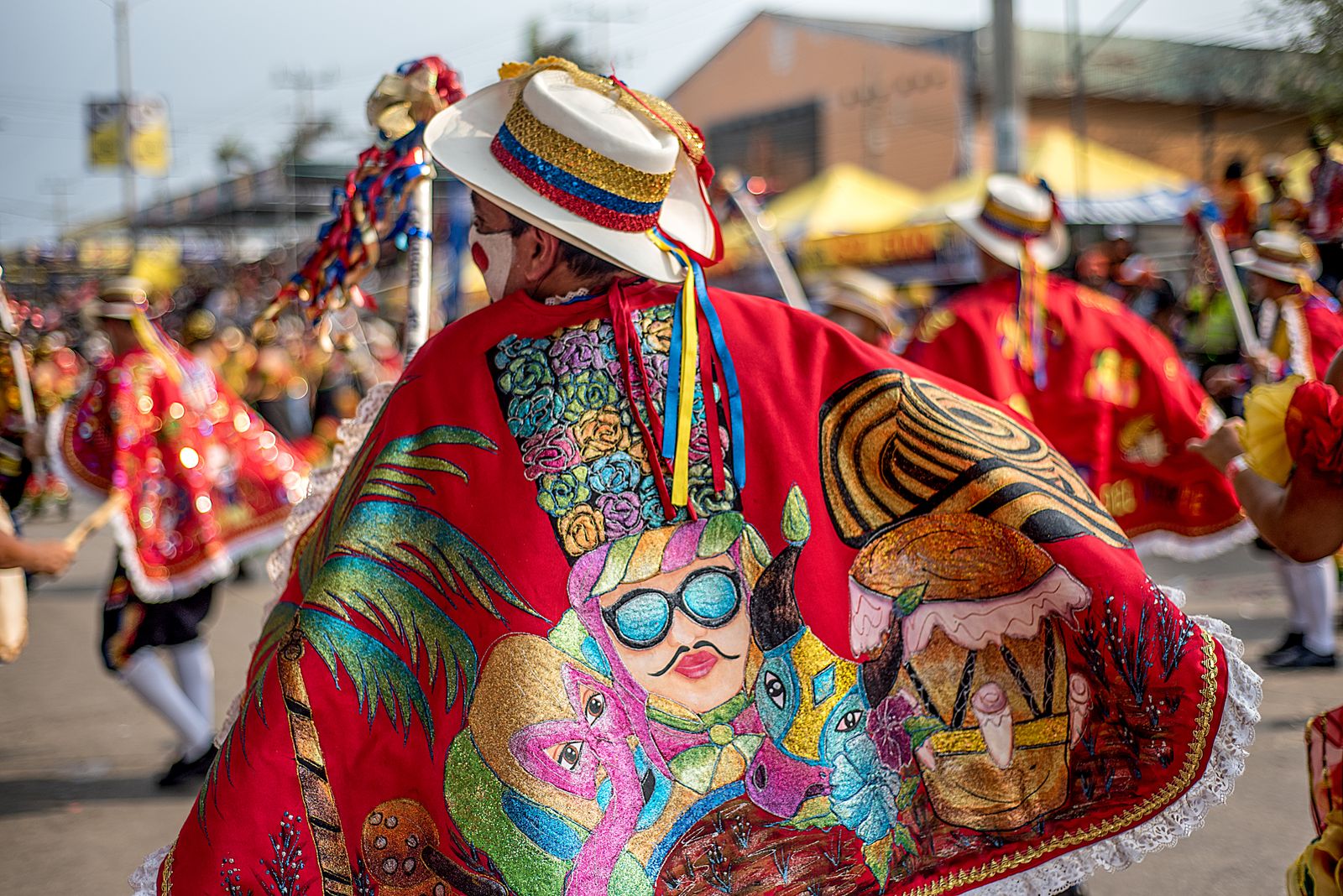
Cumbia began on Colombia’s Caribbean coast as a blend of Indigenous, African and Spanish influences, carried by drums, flutes and a steady swaying beat. Zumba’s founder, Beto Pérez, is Colombian, so cumbia has been one of the format’s core rhythms from its early days, usually as the grounded, mid-tempo contrast to salsa and reggaeton.
Think of cumbia as three conversations at once. The percussion carries the African-rooted pulse, the melodies carry the Indigenous and Spanish threads, and the dancers answer with low, close-to-the-floor movement. The beat is steady and rolling rather than sharp, and the movement follows the same logic.
In a Zumba class, cumbia usually arrives as a change of texture. After a fast salsa or a hip-heavy reggaeton track, the tempo settles into a moderate pulse, roughly in the 80 to 100 beats-per-minute range for traditional cumbia, and your body gets to work on control instead of speed. If you want the bigger picture of how the rhythms are sequenced, our Zumba rhythms explained guide walks through a full class.
Cumbia steps at a glance
Most cumbia zumba moves are variations on three ideas: a forward-and-back rock, a step-together with raised-arm styling, and a side shuffle with a slight drag. Learn those three and you can follow almost any cumbia segment. The table below breaks each one down so you can screenshot it and practise.
| Step | What the feet do | What the upper body does | Form cue |
|---|---|---|---|
| Forward-and-back basic | Step forward with one leg, step back with the same leg, with a middle step from the opposite foot woven in | Hands often rest on the hips; hips keep moving throughout | Shift your weight fully each time instead of just tapping the floor |
| Sleepy leg (candlestick) | A step-together pattern repeated four times to each side | One hand on the hip, the other arm raised overhead like a teapot spout | Keep the raised arm relaxed and the ribcage lifted, not leaning |
| Side shuffle with a slight drag | Small step to the side, trailing foot slides in low instead of lifting | Soft shoulders, easy sway through the hips | Keep the drag small and the knees slightly bent |
Notice that none of these asks for fast footwork. Cumbia rewards the person who stays relaxed and lets the hips follow the beat, which is why complete beginners often feel less lost here than in a salsa block.
How do you do the basic cumbia step?
Stand tall with knees soft, step forward with one leg, rock your weight onto it, then step back with the same leg while the opposite foot adds a small middle step. Repeat on the other side. Keep the movement low, let the hips sway with each transfer, and practise for 2 to 3 minutes before adding arms.
Here is a walkthrough you can do in a living room with about two metres of clear floor:
- Set your base. Feet roughly hip-width apart, knees slightly bent, hands resting on your hips. Cumbia lives lower than most people expect.
- Step forward. Take a small step forward with your right foot and let your weight travel with it. The step should be short enough that you could stop mid-air without wobbling.
- Add the middle step. Bring the left foot in with a light step to keep the rocking pulse going. This is the “woven in” step that gives the pattern its roll.
- Step back. Take the right foot back and let your weight return. Your hips should swing slightly with the transfer, not stay frozen over the feet.
- Repeat on the left. Mirror the pattern so both sides get equal time.
- Add the arms last. Only once the feet feel automatic, bring in the raised-arm styling from the sleepy leg step.
Many instructors cue in counts of four, so listen for the phrase changes in the music and switch sides when your instructor does. A relaxed, slightly late step that keeps moving beats a stiff, perfectly timed one.

Why does cumbia have a dragging foot step?
The dragging, shuffling foot is the most recognisable feature of the cumbia dance. A commonly told explanation links it to enslaved Africans in Colombia who moved with their feet chained, shaping a shuffling step that survives today. Historians tell the origin differently, so treat it as oral history, not settled fact.
Whatever the exact story, the movement carries a sense of weight and memory. When you slide the trailing foot in rather than lifting it, you are doing something that looks like a stylistic quirk but belongs to a much older tradition.
For your own practice, the drag is mostly a safety and efficiency feature. Keeping the trailing foot low means less impact on the knees and ankles, and it keeps your centre of gravity steady through longer songs.
How cumbia compares with other Zumba rhythms
Cumbia is not a rest song. It is a different kind of effort, and seeing it next to the other rhythms makes the contrast clear. The table below is a quick comparison of how each rhythm usually feels in a class.
| Rhythm | Country of origin | Overall feel | Where you feel it most |
|---|---|---|---|
| Cumbia | Colombia | Moderate, rocking, grounded | Hips, core and the stabilising muscles of the legs |
| Salsa | Caribbean roots | Quick, syncopated footwork | Calves, quads and coordination |
| Merengue | Dominican Republic | Lively, marching, in-place | Legs and heart rate, with small steps |
| Reggaeton | Puerto Rico and Panama roots | Bouncy, hip-driven, high energy | Glutes, hips and core, with deep knee bends |
| Bachata | Dominican Republic | Smooth, sensual, side-to-side | Hips and lower back mobility |
If cumbia vs salsa is the comparison you are weighing, the practical difference is timing. Salsa asks you to place steps on syncopated counts, while cumbia asks you to commit your weight to a steady rock. Many beginners find cumbia more forgiving for that reason, though good hip control still takes a few classes to build.
The faster, hip-driven counterpart is covered in our reggaeton in Zumba guide, and the smoother partner-style feel is explained in bachata and dembow in Zumba. If you want to see where cumbia sits in the wider family of formats, our types of Zumba overview lays it out.
Myth: cumbia is just the easy break in class
It feels slower, but it is not a rest. A full cumbia song keeps your hips, core and thigh muscles working for 3 to 4 minutes without the bursts of speed that let you breathe. It is a different kind of intensity, built on control and posture rather than pace.
The myth survives because heart rate often looks lower on a cumbia track than on a reggaeton one. But heart rate is only part of the picture. Holding a slight bend in the knees, rocking your weight through every step and keeping your torso upright asks a lot of the muscles that stabilise you. People often notice this when they first try it: the legs feel the song more than the lungs do.
Two honest caveats. First, a single cumbia track will not transform your fitness, and nobody can promise a fixed calorie burn because it depends on your body weight, how deep you bend and how big you move. Second, if you are mostly aiming for weight loss, class variety and consistency matter more than any one rhythm. Our online weight loss trainer programme is built around that bigger picture.
Troubleshooting: when cumbia feels off
Most cumbia problems come from one of three habits: standing too tall, moving the feet without the hips, or rushing the beat. The table below lists the usual symptoms, why they happen and a small fix you can try in the next song.
| What you notice | Likely cause | Quick fix |
|---|---|---|
| You feel stiff and robotic | Hips locked, weight staying over one foot | Put hands on hips and feel the pelvis shift with every step |
| You are always half a beat late | Trying to copy the instructor’s feet instead of the music | Listen for the steady pulse first, then step on it |
| Thighs burn quickly | Knees bent too deep for the tempo | Lift a little higher; cumbia needs a slight bend, not a squat |
| Ankles or knees feel sore | Lifting and stamping instead of sliding | Keep the trailing foot low and the steps small |
| Arm styling feels awkward | Adding arms before the feet are automatic | Dance the legs alone for a full song, then add the arms |
If a movement causes sharp or lingering pain, stop and check with a doctor or physiotherapist before continuing. Cumbia is low-impact compared with many rhythms, but it is not risk-free for everyone, especially if you have existing knee, hip or back problems.
Cumbia for different kinds of dancers
Complete beginners. Cumbia is one of the friendlier rhythms to start with, because the footwork is simple and the pace gives you time to think. Start with the forward-and-back basic, add the sleepy leg only after a few sessions, and ignore the arms until the feet feel automatic.
Women who want a gentle but effective option. The rocking, hip-led movement suits many women who prefer a lower-impact class without losing the dance feel. Our guide on Zumba for women covers how to build a routine around different goals and life stages.
Older adults and anyone who wants less impact. The grounded step pattern translates well to a gentler format. Our Zumba Gold post explains the slower-paced class style, and cumbia-style movement fits naturally there.
People who want to tone as well as dance. The sustained hip and core engagement in cumbia pairs well with a toning-focused class. See Zumba Toning if you want light weighted work alongside the rhythms.
People managing a health condition. If you have a heart condition, high blood pressure, joint problems or are pregnant, speak to your doctor before starting any new dance-fitness routine, and tell your instructor so they can offer lower-impact options.
Learning cumbia in Zumba online
You do not need a studio to learn cumbia. A clear patch of floor, comfortable shoes with a smooth sole and a screen where you can see the instructor are enough. Online classes also let you pause, mirror the movement and repeat the tricky bits until the weight shift feels natural.
Fitstrot’s Zumba classes are led by Yash Pathak, our lead Zumba trainer, who is ZIN Licensed, ACE Certified and Strong Nation Certified. Our guide to online Zumba classes explains what a typical session looks like and how to prepare your space, and the Online Zumba Classes page shows how to book.
A sensible way to practise between classes is to take five minutes before or after a session and dance only the forward-and-back basic, switching sides every four counts. Do this three or four times a week and the pattern usually becomes automatic within a couple of weeks.
Frequently asked questions about cumbia in Zumba
Where does cumbia originate?
Cumbia originated on Colombia’s Caribbean coast as a mix of Indigenous, African and Spanish musical and dance traditions. Zumba’s founder, Beto Pérez, is Colombian, which helps explain why cumbia is among the core rhythms taught in a Zumba class.
Why does cumbia involve a dragging foot step?
A commonly told explanation links the dragging step to enslaved people whose feet were chained, which shaped a shuffling movement that survives in the dance. Historians tell the origin story in different ways, so it is best understood as part of the dance’s cultural memory.
Is cumbia easier or harder than salsa in Zumba?
Most beginners find cumbia easier, because it relies on a steady rocking weight shift instead of salsa’s syncopated timing. It still asks for real hip control and balance, so expect a few classes before it feels smooth.
What is the difference between the two basic cumbia steps taught in Zumba?
The forward-and-back step rocks your weight between a front and back leg with a middle step woven in. The sleepy leg, or candlestick, uses a step-together pattern four times to each side with one hand on the hip and the other arm raised overhead.
Does cumbia give a good workout compared with faster Zumba rhythms?
Yes, in a different way. It feels less frantic than reggaeton or salsa, but sustained hip, core and leg engagement through a full song still builds stamina and muscular endurance. Exact calorie burn varies with body weight and effort, so no single number applies to everyone.
Want to feel the rocking rhythm of cumbia with an instructor guiding your steps? Book a session on our Online Zumba Classes page and start with the forward-and-back basic.


