

A good athlete nutrition plan is not one fixed set of macros. It moves with your training calendar: more carbohydrate when volume is high, sharper timing in competition weeks, and a lower, steadier intake when training eases off. Protein stays fairly constant at about 1.4 to 2.0 g per kg of body weight, while carbohydrate can swing from about 3 g/kg on a rest day to 8 to 12 g/kg before a long event. This guide shows how to make those shifts using ordinary Indian food, with grams you can actually weigh out.
If you are still working out your basic numbers, start with our sports nutrition guide. This article assumes you know your body weight and want to know when to move your intake up or down.
Why does an athlete nutrition plan need to change across the season?
Training load changes week to week, so fuel needs change too. A runner doing easy base mileage uses far less stored carbohydrate than the same runner during a hard build or a race week. Matching intake to the work of that phase, instead of eating the same way all year, is usually called nutritional periodization.
In practice you need three modes. A base and build mode supports growing volume. A peak and competition mode is about precise timing. A recovery and off-season mode brings energy down to match lighter training without losing muscle. Protein is the one number that barely moves between them.
Carb and protein targets by training phase
These are common sports-nutrition ranges, not a prescription. Multiply by your body weight in kg, then adjust using how your sessions feel and how your weight trends over two to three weeks.
| Phase | Carbohydrate (g/kg/day) | Protein (g/kg/day) | What matters most |
|---|---|---|---|
| Off-season or rest day | About 3 to 5 | 1.4 to 2.0 | Do not cut protein along with carbs |
| Base training, moderate volume | About 5 to 7 | 1.4 to 2.0 | Habits, food quality, testing new foods |
| Heavy build block or two sessions a day | About 7 to 10 | 1.4 to 2.0 | Enough total energy, regular meals |
| Carb-load, 1 to 2 days before events over 90 minutes | About 8 to 12 | 1.4 to 2.0 | Low fibre, familiar foods, reduced training |
| Competition day | Timed around the event | Moderate in the pre-event meal | Gut comfort and steady carbohydrate |
For a 65 kg athlete, 6 g/kg of carbohydrate is about 390 g a day and 1.8 g/kg of protein is about 117 g. Endurance athletes usually sit toward the lower protein end and strength or power athletes toward the higher end.
How should you eat during base training?
During base training, aim for about 5 to 8 g/kg of carbohydrate and 1.4 to 2.0 g/kg of protein daily, spread across three to five meals. Base is the phase for building routines, so keep the food simple and repeatable, and use it to test anything you plan to eat on competition day.
Indian staples do most of the work here. Rice, rotis, poha, idli, upma, oats and potatoes cover carbohydrate. Dal, curd, paneer, eggs, chicken, fish, soya chunks and chana cover protein. Try to include a protein food at every meal, roughly 20 to 30 g each, instead of loading most of it into dinner.
Some easy, low-intensity sessions can be done with less carbohydrate on board, such as a short morning run before breakfast. Keep this to easy days only. Hard intervals, heavy lifting and long sessions need proper fuel. If you are also adding muscle in this phase, our muscle-building nutrition plan shows how to add a small calorie surplus without wrecking your conditioning, and our workout plan guide helps you line meals up with sessions.
What should you eat before, during and after competition?
For most events, eat about 1 to 4 g/kg of carbohydrate in a low-fat, low-fibre meal 2 to 4 hours before. During exercise lasting 1 to 2.5 hours, take roughly 30 to 60 g of carbohydrate per hour. Afterwards, have about 1.0 to 1.2 g/kg of carbohydrate with 20 to 40 g of protein.
| When | Target | Indian food examples |
|---|---|---|
| 2 to 4 hours before | About 1 to 4 g/kg carbohydrate, low fat and fibre, moderate protein | Idli with a little sambar, plain poha, rice with thin dal, 2 boiled eggs |
| 30 to 60 minutes before | About 30 to 50 g easy carbohydrate | 1 ripe banana, 3 to 4 dates, a slice of white bread with jam |
| During, 1 to 2.5 hours | About 30 to 60 g carbohydrate per hour plus fluids and salt | Nimbu pani with salt and sugar, ORS, dates, ripe banana |
| During, beyond 2.5 hours | Up to about 90 g per hour using mixed sugar sources | Sports gels or drink mixes plus bananas or dates, tested in training |
| Within 30 to 60 minutes after | About 1.0 to 1.2 g/kg carbohydrate plus 20 to 40 g protein | Milk with banana and a protein scoop, or curd rice with an omelette |
Rehydrate too. A common rule is to drink about 1.25 to 1.5 litres for every kilogram of body weight lost during the session, with some salt in the mix. Nothing new on the day: if your stomach has never handled a food during training, it will not handle it at a competition.
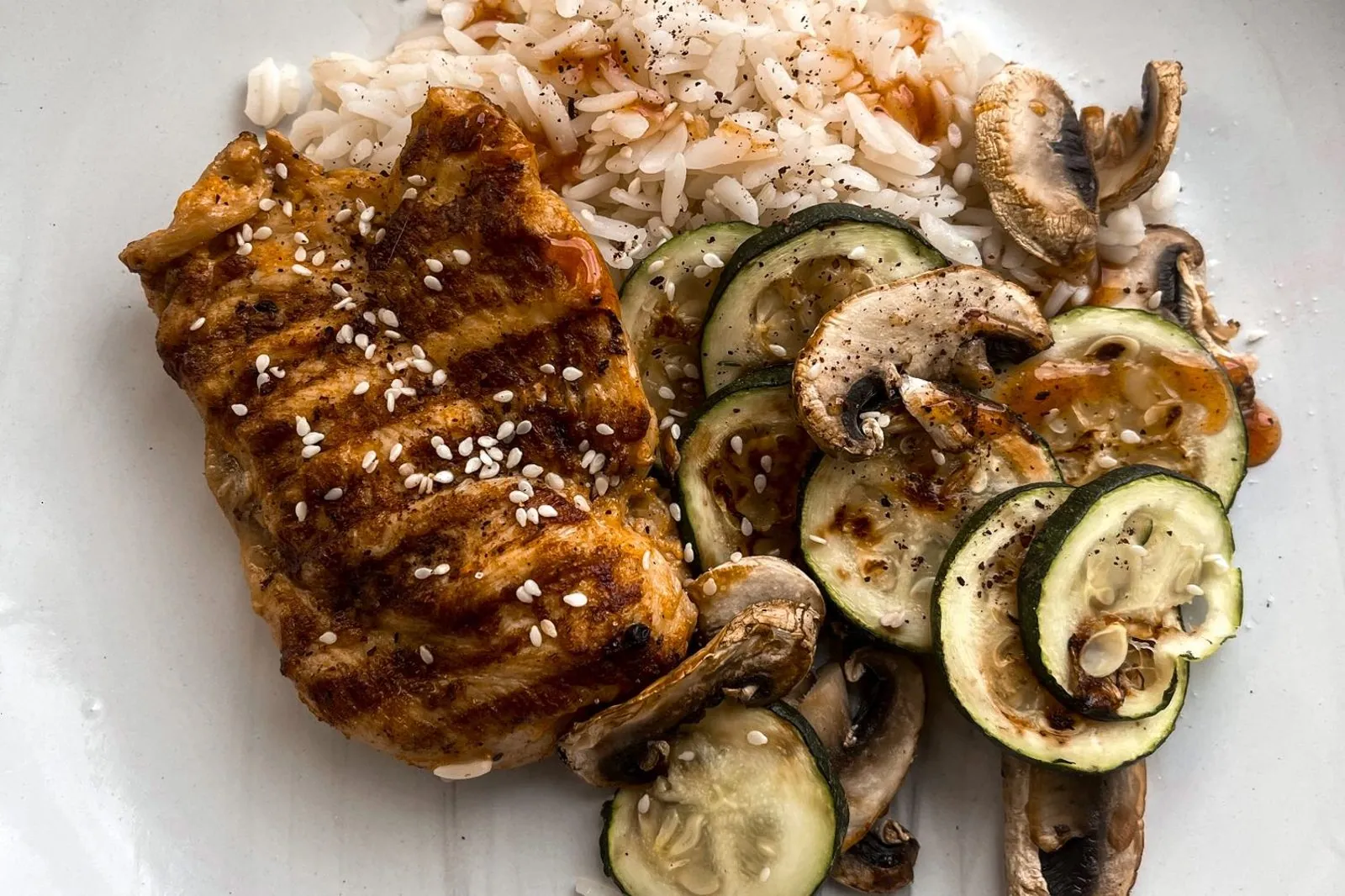
The protein you eat after a hard session is only useful if the amino acid picture is sound. Our guide to essential amino acids explains which building blocks matter most for repair.
Three myths that quietly ruin athlete diets
Myth 1: you must carb-load before every event. Loading with 8 to 12 g/kg for a day or two helps in events longer than about 90 minutes. For a 60-minute match or a short race, a normal higher-carb day is enough, and a big pasta or rice dinner can leave you heavy and bloated.
Myth 2: the anabolic window closes after 30 minutes. The benefit of a post-session meal is real, but the window is wide, roughly 30 minutes to 2 hours. It matters most when you must train or compete again within 24 hours. If you eat a proper meal within a couple of hours, you have not missed anything.
Myth 3: more protein always means more muscle. Past about 2.0 g/kg a day, extra protein adds little for most athletes and can crowd out the carbohydrate you need to train hard. A 70 kg athlete needing about 140 g of protein does not need 250 g.
A sample training day on an Indian plate
Here is a day for a 70 kg athlete doing about 90 minutes of evening training, aiming for roughly 6 g/kg of carbohydrate (about 420 to 450 g) and about 1.9 g/kg of protein (about 135 g). Figures are approximate, so scale portions to your own weight.
| Meal | What to eat | Carbs (g, about) | Protein (g, about) |
|---|---|---|---|
| Breakfast | 4 idlis, 1 katori sambar, 1 boiled egg | 75 | 20 |
| Mid-morning | 200 g curd, 1 banana, 30 g roasted chana | 50 | 14 |
| Lunch | 250 g cooked rice, 1 katori dal, 100 g cooked chicken or paneer, sabzi and salad | 100 | 42 |
| Pre-training, 60 to 90 minutes before | 1 banana, 4 dates | 45 | 3 |
| During training | Nimbu pani with salt and sugar, or ORS | 30 | 0 |
| Post-training | 300 ml milk with 1 scoop whey (or 2 tbsp sattu), 1 banana | 50 | 28 |
| Dinner | 3 rotis, 1 katori rajma, 60 g paneer, sabzi | 95 | 29 |
| Day total | about 445 | about 136 |
On a rest day, drop the in-session drink, the pre-training snack and about a third of the lunch and dinner rice and rotis. On a double-session or competition day, add a second recovery meal. If you want to check your calories first, our calorie guide and our notes on protein and nutrition help you set targets before you build meals like these.

Troubleshooting: when your plan is not working
Heavy, flat legs in sessions. This is usually too little carbohydrate the day before. Add one rice, roti or potato serving at dinner and see if the next session feels better.
Stomach cramps or rushing to the toilet mid-session. Cut fibre, fat and spice in the last meal before training. Swap rajma or chole for plain dal and rice, and leave out fried snacks and heavy curries on session days.
Weight creeping up in the off-season. Reduce carbohydrate portions slowly, by about one serving a day, and keep protein where it is. Slashing everything at once leaves you short of energy for the next block.
Constant tiredness, frequent illness or injuries, or missed periods. These can signal that you are not eating enough for your training load. Eat more, not less, and speak to a doctor or a registered dietitian before changing anything else.
This is general guidance for healthy adults. If you have diabetes, a thyroid problem, kidney disease, anaemia or any other medical condition, or take regular medication, get individual advice before changing your diet or adding supplements.
What if you are vegetarian, vegan or a woman athlete?
Vegetarian and vegan athletes can meet the same 1.4 to 2.0 g/kg protein target, but they need to plan for it. Combine dal, rajma, chana, soya chunks, tofu, paneer, curd and sattu across the day, and eat roughly 25 to 30 g of protein at each main meal. Soya chunks are strong at about 50 g of protein per 100 g dry weight, so 50 g dry gives about 25 g.
Vegans should also have their vitamin B12, iron and vitamin D levels checked, since these are harder to cover from plants alone. Our vegan nutrition guide goes into this in detail. Women athletes should pay extra attention to iron, calcium and total energy, because heavy training with too little food can disturb periods and bone health. See our women’s nutrition guide for more. If you are adding mass in the off-season, our bodybuilding nutrition guide covers lean surplus eating.
How do you build and adjust your own plan?
Start with your training calendar, not your fridge. Mark your base, build, peak and recovery blocks for the next 8 to 12 weeks, give each block a carbohydrate range from the table above, and set a protein number near 1.6 to 2.0 g/kg. Then check three things each week:
- Weekly weight trend. Weigh yourself on the same morning each week and judge the trend over several weeks, not one reading.
- Session quality. Log whether sessions felt strong, flat or heavy, alongside what you ate the day before.
- Phase changes. Recalculate the week you move from base to peak or from competition to recovery, not two weeks later.
A template only goes so far, because sport, body size, digestion and training history all change the answer. Our 1-1 personal training can line up your sessions with your meals, and an online nutritionist consultation turns these ranges into exact portions for your sport and schedule.
Next step: write down your next four training blocks and your body weight, then book an online nutritionist consultation to get gram targets for each block.
Frequently asked questions
How many grams of protein per day do athletes need?
Most athletes do well on about 1.4 to 2.0 g of protein per kg of body weight daily. Endurance athletes often sit nearer 1.4 to 1.6 g/kg and strength or power athletes nearer 1.6 to 2.0 g/kg. For a 70 kg athlete that is roughly 100 to 140 g, spread across three to five meals.
Do I need to carb-load before every competition?
No. Carb-loading at about 8 to 12 g/kg for one to two days helps mainly in events longer than roughly 90 minutes. For shorter matches or races, a normal higher-carbohydrate day beforehand is enough, and over-eating can leave you heavy.
Is the post-workout window really only 30 minutes?
No. Having carbohydrate and protein anywhere from about 30 minutes to 2 hours after training works well. Speed matters most if you must train or compete again within 24 hours, because glycogen needs to be restocked quickly.
Should I eat the same way in the off-season as in competition season?
No. Carbohydrate typically falls from about 7 to 12 g/kg in heavy training to around 3 to 5 g/kg in light off-season work. Protein should stay near 1.4 to 2.0 g/kg all year to protect muscle, and any calorie reduction should be gradual.
How is an athlete nutrition plan different from general sports nutrition advice?
General sports nutrition covers principles that rarely change, such as hydration, balanced macros and timing basics. An athlete nutrition plan applies them to your calendar and adjusts gram targets phase by phase, so intake matches what each week of training actually demands.


