
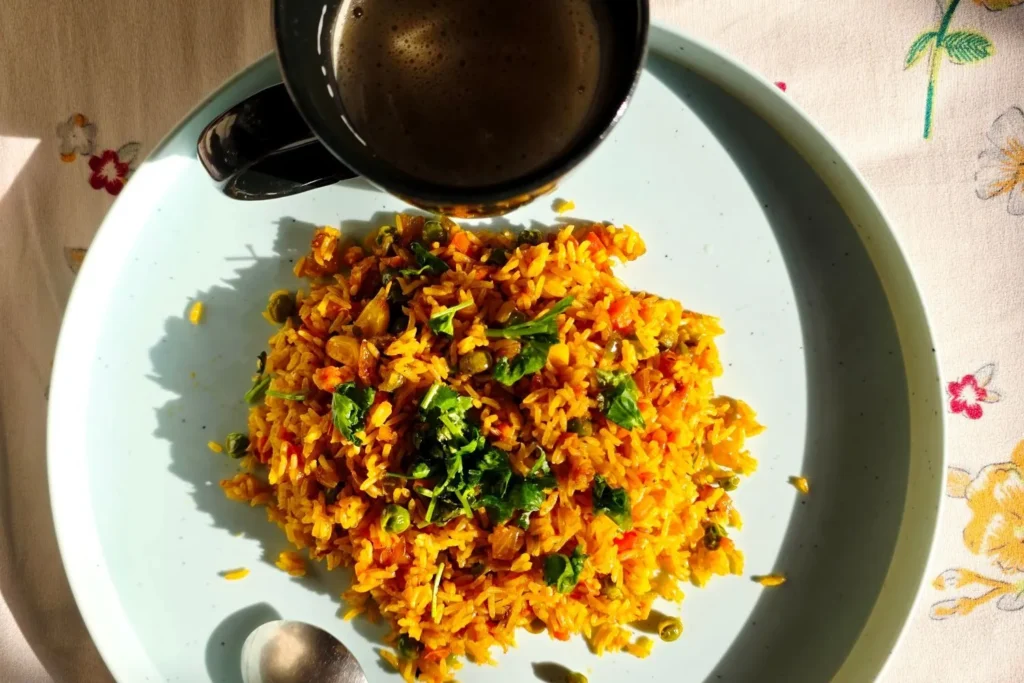
The best heart healthy breakfast ideas share three traits: about 5 to 8 grams of fibre, very little added sugar, and fat that comes from nuts, seeds or a teaspoon of oil rather than a pool of ghee or a deep fryer. That points you towards a heart-healthy Indian breakfast of vegetable poha, besan chilla, dalia, oats, sprouts and a smarter idli plate. You do not need a new kitchen routine. You need one vegetable and one protein source added to whatever you already cook.
This guide is recipe-first, so you can decide tonight what goes on your plate tomorrow. For the wider picture of how daily eating affects cholesterol and arteries, read our heart-healthy diet plan. One honest note: no single breakfast protects your heart, and food never replaces medicines your doctor has prescribed.
What makes a breakfast heart healthy?
A heart healthy breakfast has about 5 to 8 grams of fibre, roughly 12 to 20 grams of protein, little or no added sugar, and mostly unsaturated fat from nuts, seeds or a teaspoon of oil. It also keeps salt low. Whole grains, dals, vegetables, fruit and plain curd meet these rules easily.
- Fibre: A high fibre breakfast is the easiest win. Most adults do well with about 25 to 30 grams a day. Oats, dalia, dals, sprouts and vegetables are the simplest Indian sources.
- Protein: Besan, moong, curd, paneer, eggs and nuts keep you full till lunch.
- Fat quality: Nuts, seeds, avocado and a little vegetable oil beat large amounts of ghee, butter or deep-fried food.
- Sugar and salt: Sweetened cereal, flavoured yoghurt, packaged juice and salty chutneys are where “healthy” breakfasts quietly go wrong. See whether sugar raises cholesterol.
Heart healthy breakfast ideas at a glance
Eight breakfasts you can make at home. All numbers are rough estimates and shift with portion, oil and brand.
| Breakfast | Portion | Calories (about) | Fibre (about) | Protein (about) | Heart-smart tip |
|---|---|---|---|---|---|
| Vegetable poha | 1 large katori, about 200 g cooked | 250-300 kcal | 3-5 g | 6-8 g | Half the bowl should be vegetables |
| Besan chilla | 2 medium | 230-280 kcal | 5-7 g | 11-14 g | 1 teaspoon oil for the whole pan |
| Vegetable dalia | 1 katori, about 200 g cooked | 180-230 kcal | 5-7 g | 6-8 g | Add beans, carrot and peas |
| Moong sprouts chaat | 1 big bowl, about 150 g, plus a spoon of boiled chana | 90-140 kcal | 4-6 g | 6-9 g | Lemon and chaat masala, not extra salt |
| Rolled oats with fruit | 40 g dry oats, low-fat milk or water | 300-380 kcal | 6-8 g | 10-13 g | Top with walnuts and flax, skip sugar |
| Idli with sambar | 2 medium idli, 1 katori sambar | 180-250 kcal | 3-5 g | 7-10 g | Go easy on coconut chutney |
| Veg omelette with toast | 1 whole egg, 2 whites, 1 slice whole-wheat bread | 220-260 kcal | 3-4 g | 15-18 g | Cook in 1 teaspoon olive or mustard oil |
| Curd bowl with seeds | 150 g plain low-fat curd, fruit, 1 tablespoon seeds | 180-230 kcal | 3-5 g | 8-11 g | Use plain curd and add your own fruit |
For more protein, see our high-protein breakfast ideas.
How do you cook five heart-smart Indian breakfasts in under 20 minutes?
Most take 15 to 20 minutes in one pan. Chop vegetables the night before, use about 1 teaspoon of oil per serving, make vegetables roughly half of the plate, and finish with lemon and coriander instead of extra salt. Poha, besan chilla, dalia, sprouts chaat and idli all fit this method.
Vegetable poha or upma
Rinse 50 g of thick poha and drain well. Temper mustard seeds and curry leaves in 1 teaspoon of oil, add onion, then a generous handful of carrot, peas and beans. Stir in the poha with turmeric and a little salt, and finish with lemon and coriander. Keep peanuts to about one tablespoon, dry-roasted. For upma, use 40 g of roasted semolina instead.
Besan chilla
Whisk about 50 g of besan (roughly 4 tablespoons) with water to a pouring batter. Add grated bottle gourd, spinach, onion, tomato and ajwain. Cook on a non-stick tawa with a few drops of oil until golden on both sides. Two chillas with mint chutney make a filling plate.
Vegetable dalia
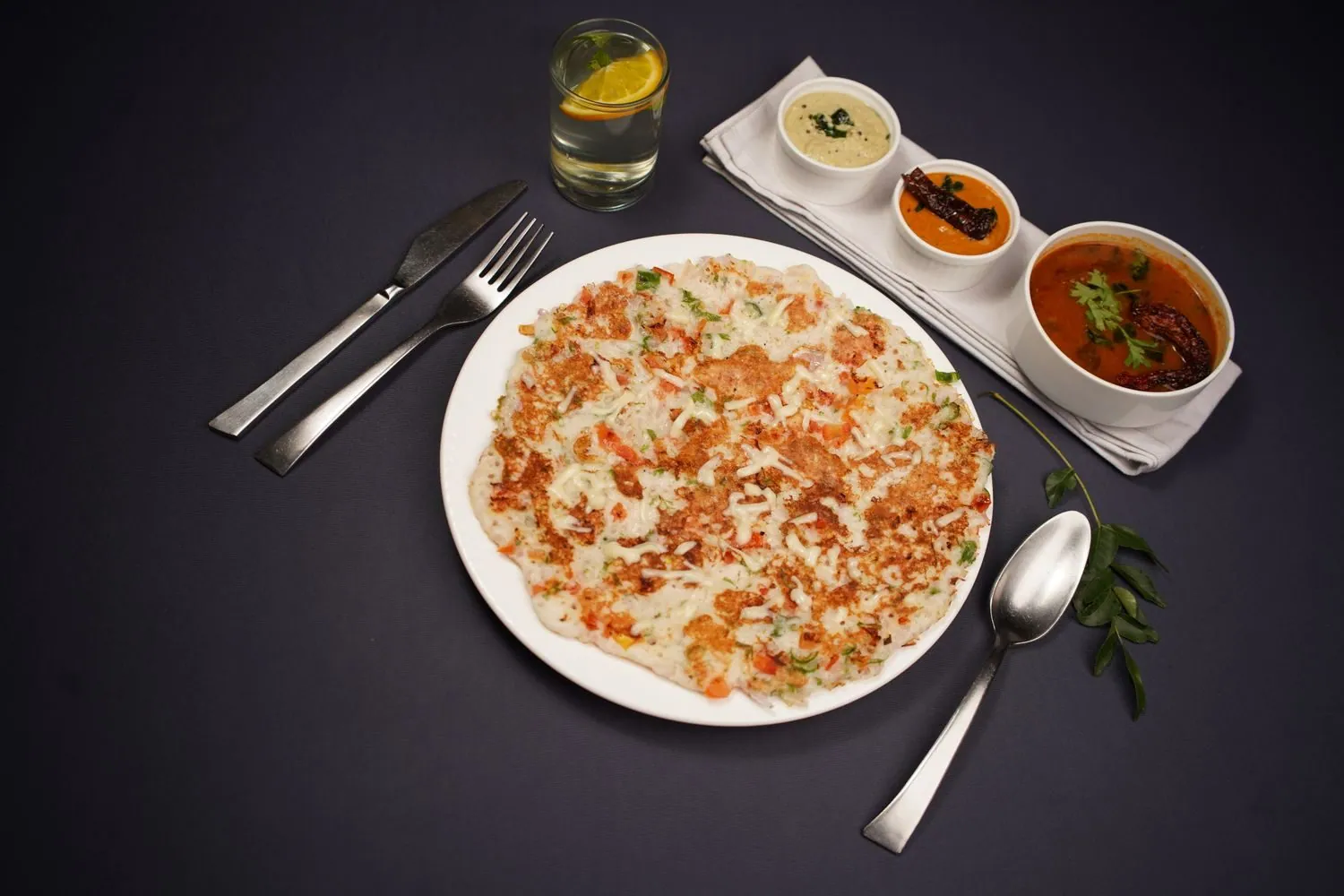
Dry-roast 40 g of broken wheat for two minutes, then pressure-cook it with double the water and a cup of chopped vegetables for three whistles. Add a light cumin tempering. Dalia is high in fibre, low in fat and keeps you full for hours.
Sprouts chaat
Toss a large bowl of sprouted moong or matki with chopped tomato, cucumber and onion, add a spoon of boiled chana for extra protein, and season with lemon, chaat masala and black pepper. No oil needed. Steam the sprouts for five minutes if raw ones upset your stomach.
Moong dal or oats idli
Idli is steamed, so it starts as a sensible base. Replace part of the rice in the batter with moong dal or powdered oats, and serve it with vegetable-heavy sambar. Go slowly with coconut chutney, which adds fat and salt quickly.
Which Western-style breakfasts work if you prefer oats, eggs or toast?
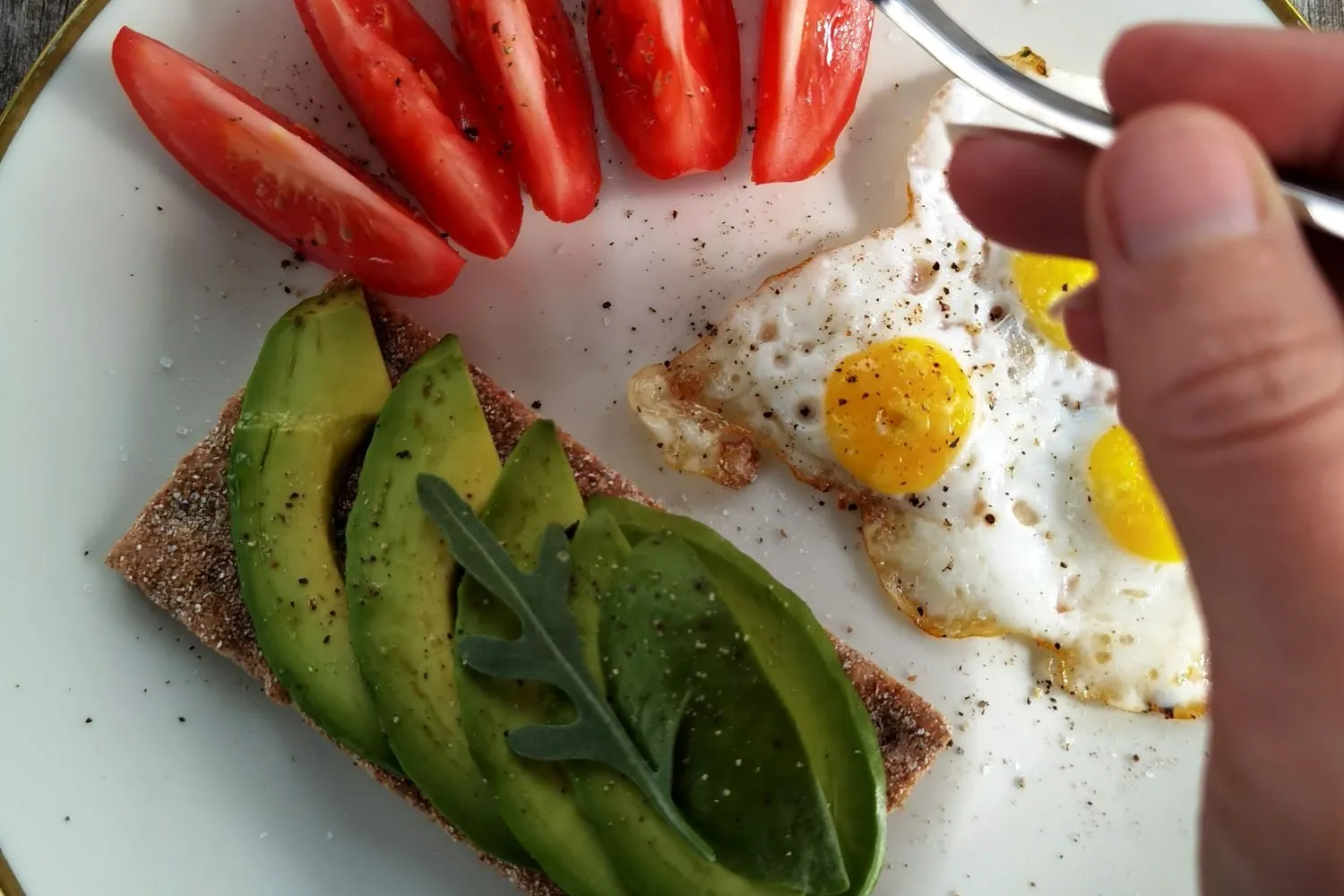
Rolled or steel-cut oats with fruit and seeds, a vegetable omelette, whole-wheat toast with avocado, and plain curd with fruit all work. Each gives about 3 to 8 grams of fibre or 10 to 18 grams of protein, as long as you skip sugar, flavoured syrups and heavy butter.
- Oats: Oats for heart health work because they contain beta-glucan, a soluble fibre linked with lower LDL (“bad”) cholesterol when eaten regularly as part of a balanced diet. Cook 40 g with water or low-fat milk, then add apple, a teaspoon of flaxseed and two walnut halves. Avoid flavoured instant packets with added sugar.
- Vegetable omelette: One whole egg plus two whites with spinach, tomato and capsicum, cooked in a teaspoon of oil, is a balanced plate.
- Whole-wheat toast: “Brown bread” does not always mean whole wheat, so check that whole-wheat flour is the first ingredient. Top with mashed avocado and seeds instead of butter.
- Plain curd bowl: Mix 150 g of plain curd with fruit, a tablespoon of seeds and a few almonds.
Myths about heart healthy breakfasts, corrected
Myth: eggs are off limits. For most healthy people, an egg a day fits into a heart-friendly pattern. If you already have high cholesterol or heart disease, ask your doctor how many yolks suit you, and lean on egg whites in the meantime.
Myth: fruit juice counts as fruit. Juice strips out most of the fibre and makes it easy to drink the sugar of three or four fruits in a minute. Eat the whole fruit instead.
Myth: oats alone fix cholesterol. Oats help only as part of a whole pattern. See the best and worst foods for heart health for what else matters.
Swap table: your usual breakfast and a heart-smarter version
| Usual breakfast | Heart-smarter swap | Why it helps |
|---|---|---|
| Aloo paratha fried in ghee | Whole-wheat paratha stuffed with methi, mooli or palak, brushed lightly with oil | More fibre, far less saturated fat |
| Cornflakes with sugar | Plain oats or dalia with fruit and seeds | More fibre, no added sugar |
| White bread and butter | Whole-wheat toast with mashed avocado or peanut butter without added sugar | More fibre, unsaturated fat instead of butter |
| Puri-bhaji or bhature | Vegetable poha or besan chilla | Skips deep-frying, adds vegetables |
| Tea with sugar and biscuits | Tea with little or no sugar, plus roasted makhana or one fruit | Less refined flour and sugar |
| Medu vada | Idli or dhokla, steamed | Same comfort, no frying |
| Packaged fruit juice | One whole fruit, such as guava, apple or papaya | Keeps the fibre |
| Flavoured yoghurt | Plain curd with chopped fruit | Cuts hidden sugar |
Repetition matters more than one perfect meal. For ingredients to add across the day, see our cholesterol-lowering foods list.
What if your healthy breakfast leaves you hungry, bloated or bored?
Hunger by 11 a.m. usually means the meal had too little protein. Bloating usually means fibre went up too fast. Boredom means you need rotation. Add 10 grams of protein, raise fibre over two to three weeks while drinking enough water, and rotate three or four dishes through the week.
- Hungry within two hours: Add a boiled egg, a katori of curd, a spoon of sprouts or a handful of roasted chana to the same meal.
- Gas or bloating after oats or sprouts: Increase portions slowly over two to three weeks, drink water through the day, and steam sprouts instead of eating them raw.
- Cholesterol not improving: Breakfast is one meal. Look at dinner, snacks, sleep and movement, and measure your cooking oil with a teaspoon for a week.
Breakfasts for busy mornings, office desks and older parents
When you have ten minutes
Soak 40 g of oats in curd or low-fat milk overnight and add fruit in the morning. Keep boiled eggs in the fridge, and store chilla batter for a day. See our quick healthy breakfast ideas for more rushed-day options.
When you eat out or at the office canteen
Choose idli, plain dosa, poha, upma or eggs over puri, bhature or samosa. Ask for sambar and chutney on the side and use half.
If you are vegetarian, egg-free or vegan
Besan, moong, sprouts, paneer, tofu, curd and nuts cover protein without eggs. Vegans can use soy milk, tofu bhurji and chilla made with water instead of curd.
If you are over 50 or have a family history of heart disease
Keep salt low and watch rice-based portions. Pair meals with movement, such as gentle yoga for heart health or Zumba for heart health, if your doctor has cleared you to exercise. If you already have a diagnosis, read how to eat with heart disease and follow your care team’s advice first.
A 7-day heart healthy breakfast plan
Use this as a template and rotate dishes you enjoy. Each plate should include one vegetable or fruit and one protein source. If you want to see how to balance the rest of the day, our guide to building a healthy plate shows the proportions.
| Day | Breakfast | Add-on |
|---|---|---|
| Monday | Vegetable poha with lemon and coriander | 1 katori plain curd |
| Tuesday | 2 besan chillas with mint chutney | 1 guava or apple |
| Wednesday | Oats with chopped apple, flaxseed and 2 walnuts | Tea with little or no sugar |
| Thursday | Vegetable dalia | A few almonds |
| Friday | 2 idli with vegetable sambar | 1 boiled egg or a katori of curd |
| Saturday | Veg omelette (1 egg, 2 whites) with whole-wheat toast | 1 papaya or orange slice |
| Sunday | Moong sprouts chaat with boiled chana | 1 whole-wheat roti with a teaspoon of ghee, if you like |
When should you see a doctor or dietitian about your breakfast?
See your doctor or a registered dietitian if you have high cholesterol, high blood pressure, diabetes, kidney disease or heart disease, or if you take regular medicines. They can adjust portions, salt, eggs and fibre for you. Never stop or change a prescribed medicine because of a diet change.
Seek urgent medical help for chest pain, breathlessness, fainting or pain spreading to the arm or jaw. A breakfast change is not a treatment for these symptoms. Speak to a professional before raising fibre sharply if you have a digestive condition or are pregnant. Only a blood test shows whether your cholesterol is changing.
Frequently asked questions
Is idli-sambar a heart-healthy breakfast?
Mostly yes. Idli is steamed, not fried, and sambar adds dal and vegetables. The watch-points are oily restaurant sambar and generous coconut chutney. At home, use a light tempering and add moong dal or oats to the batter.
Are eggs okay for heart health at breakfast?
For most healthy people, up to about one whole egg a day fits into a heart-friendly pattern, especially with vegetables and whole-grain toast. Egg whites are a lower-fat option. If you have high cholesterol or heart disease, ask your doctor or dietitian how many yolks suit you.
Is oats really better than poha for heart health?
Both work. Oats have a small edge because of beta-glucan, a soluble fibre that supports healthy LDL cholesterol. Poha is lighter and easy to load with vegetables. Rotate them across the week and avoid sugary instant packets.
Can I still have chai or coffee with a heart-healthy breakfast?
Yes, in moderation. Plain tea, green tea or coffee fit most heart-friendly eating patterns. The concern is usually what comes with them, such as several teaspoons of sugar and refined biscuits. Cut the sugar gradually.
How quickly can breakfast changes affect cholesterol?
Diet changes usually take weeks to months to show up on a blood test, so judge progress after about two to three months of steady habits, not after a few days. Breakfast works alongside your other meals, activity and any prescribed medicines.
Small, steady swaps add up to real benefit over months: more vegetables in your poha, less ghee on your paratha, oats instead of sugary cereal. If you would like a morning-to-night menu built around your cholesterol reports, routine and food preferences, book an online nutritionist consultation with Fitstrot.


