
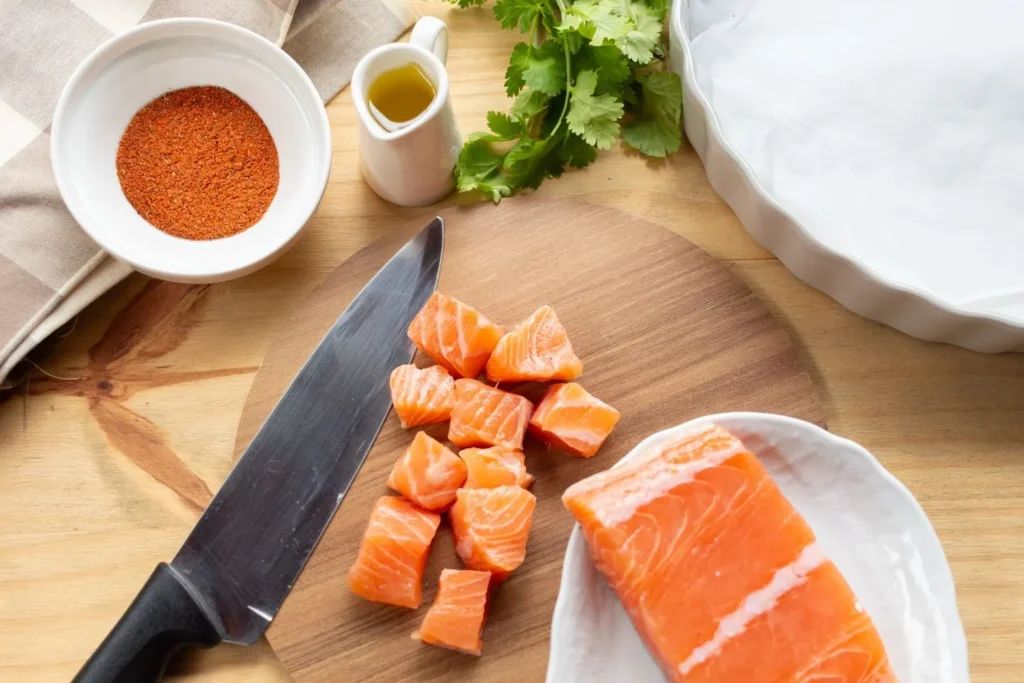
The best and worst foods for heart health are easier to spot than most people think. Fibre-rich, minimally processed foods like dal, oats, nuts, fish and green vegetables tend to protect your heart. Foods heavy in salt, added sugar, trans fat and repeatedly reused frying oil, like packaged namkeen, deep-fried snacks and cold drinks, tend to harm it. This guide sorts everyday Indian foods into both camps and shows easy swaps.
Food is only one piece of the picture. Blood pressure, sleep, movement, smoking and family history all count, so treat this as a practical guide, not a treatment plan.
What Makes a Food Good or Bad for Your Heart?
A food is good for your heart when it helps keep LDL cholesterol, blood pressure, blood sugar and body weight in a healthy range, which usually means fibre-rich, lightly processed foods. A food is bad when it regularly delivers excess salt, added sugar, trans fat or refined starch, often together, in one packet or fried snack.
That is why foods good for heart health look so different from foods bad for heart health on the plate: one group is mostly dal, vegetables, whole grains and nuts, the other mostly packets, fryers and bottles. For a full weekly structure, see our heart-healthy diet plan.
Which Foods Are Best for Heart Health in an Indian Kitchen?
The best heart healthy foods in India are pulses (dal, rajma, chole), whole grains like oats, jowar and ragi, green leafy vegetables, a small handful of nuts, oily fish twice a week, whole fruit and plain curd. Together they give roughly 25 to 30 g of fibre a day with little salt or saturated fat.
| Food group | Indian examples | Typical portion | Why it helps |
|---|---|---|---|
| Pulses and beans | Moong, masoor, toor dal, rajma, chole | 1 katori cooked (about 150 g), once or twice a day | Soluble fibre and plant protein; roughly 4 to 9 g fibre per katori |
| Whole grains | Oats, jowar, bajra, ragi, whole wheat atta, dalia | About 40 g dry oats, or 2 rotis | Slower sugar release; oats carry beta-glucan fibre |
| Green leafy vegetables | Palak, methi, sarson, chaulai | 1 katori cooked plus a salad | Potassium, folate and fibre with very little sodium |
| Nuts and seeds | Walnuts (akhrot), almonds (badam), flaxseed (alsi) | A small handful, about 25 to 30 g; 1 tbsp ground flaxseed | Unsaturated fats; walnuts and flax add plant omega-3 |
| Oily fish | Sardine (mathi), mackerel (bangda), hilsa | 100 to 150 g, twice a week | Long-chain omega-3 fats that help lower triglycerides |
| Whole fruit | Guava, papaya, orange, apple, banana | 1 to 2 servings, not juice | Fibre and potassium |
| Cooking oils | Groundnut, rice bran, sunflower, olive | About 4 to 5 tsp (20 to 25 g) a day in total | Mostly unsaturated fat, best when not reused |
Vegetarians can lean on walnuts, flaxseed and mustard or soybean oil for plant omega-3. For more cholesterol-focused picks, see our cholesterol-lowering foods list.
How you cook matters as much as what you cook. Steaming, pressure cooking, grilling and light tempering keep dal and vegetables heart-friendly, while deep-frying, heavy bhunao in extra oil and ladles of cream can undo the benefit. A simple habit: measure oil with a teaspoon instead of pouring from the bottle, and finish dishes with lemon, coriander and spices rather than extra salt.
Which Foods Should You Avoid for Heart Health?
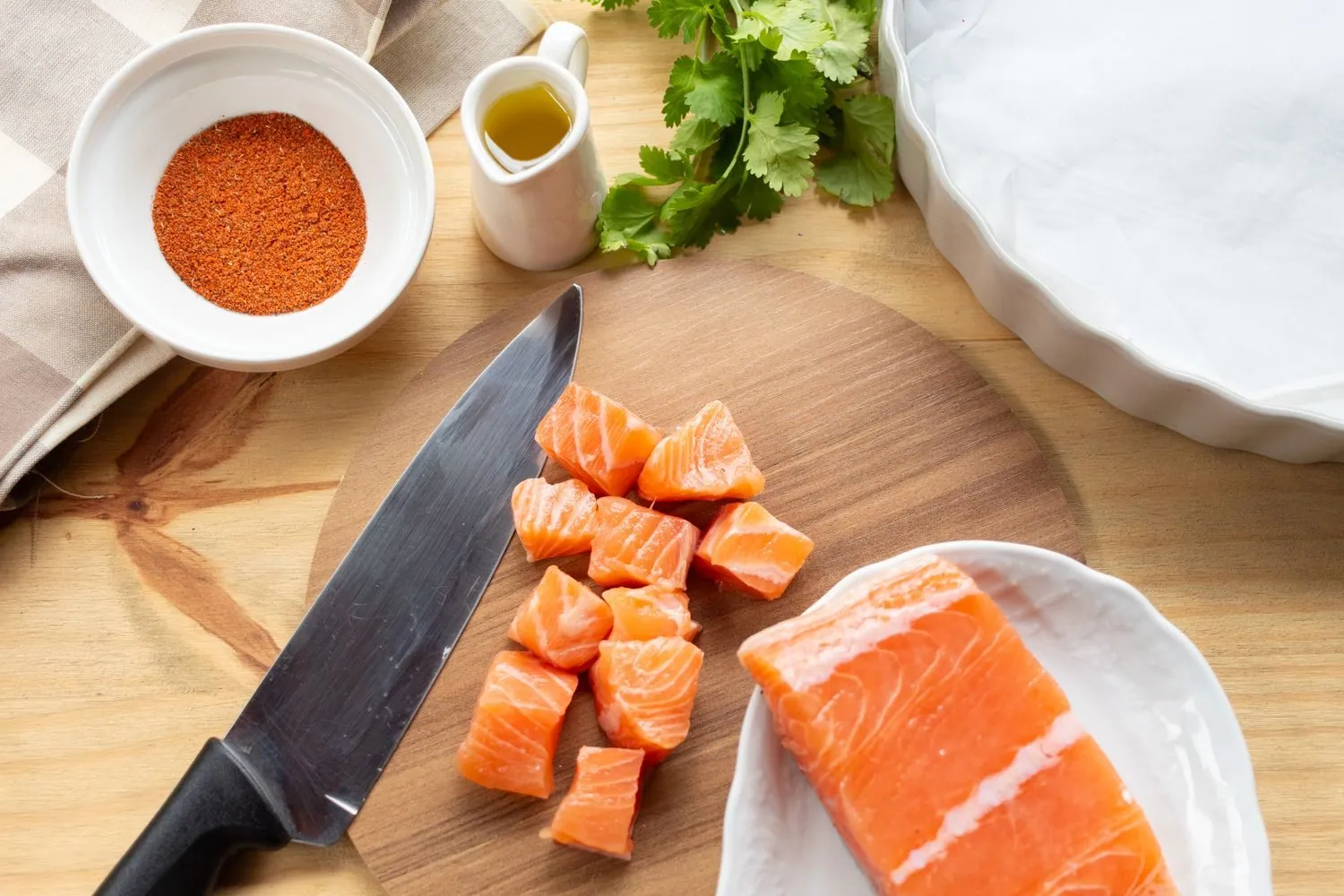
The foods to avoid for heart health are those high in salt, added sugar and trans fat: packaged namkeen, chips, instant noodles, pickles and papad in large amounts, cold drinks, bakery biscuits, deep-fried snacks cooked in reused oil, and processed meats. Limit them to occasional treats rather than daily habits.
| Heart-harming food | Main problem | Easier swap |
|---|---|---|
| Bhujia, chips, mathri, instant noodles | Salt, refined flour, poor-quality fat | Roasted chana, makhana, unsalted nuts |
| Samosa, kachori, pakora (about 250 to 300 kcal per samosa) | Deep-fried, often in reused oil | Baked or air-fried versions, or sprouts chaat |
| Cold drinks, sweet chai, packaged juice (330 ml can has roughly 30 to 40 g sugar) | Added sugar and empty calories | Water, nimbu pani without sugar, plain chaas |
| Bakery biscuits, cream rolls, white bread | Refined flour, sugar, hidden fats | Roasted poha, oats, whole wheat toast |
| Vanaspati, repeatedly heated oil | Trans and oxidised fats | Fresh groundnut or rice bran oil, used once |
| Sausages, salami, bacon, packaged nuggets | Salt, preservatives, saturated fat | Home-cooked eggs, fish or dal |
| Pickle, papad, extra salt at the table | Hidden sodium | Lemon, herbs, a smaller portion |
Salt deserves special attention. Aim for under about 5 g of salt a day, roughly one level teaspoon, counting what is already in bread, pickle, papad and packets. Many Indian adults eat well above that without ever reaching for the salt shaker. Sugar and triglycerides are linked, so read does sugar raise cholesterol and foods to avoid with high triglycerides. If your cholesterol is already high, our foods to avoid with high cholesterol guide goes deeper.
Myth Check: Is All Fat Bad for Your Heart?
No. Fat type matters more than fat alone. Unsaturated fats from nuts, seeds, fish and plant oils support heart health, while trans fat is harmful at any amount. Saturated fat, found in ghee, butter, cream and coconut oil, is best kept modest, since a teaspoon of ghee is about 45 kcal and over half of it is saturated fat.
That means ghee is not poison, but it is not a free pass either: a small spoon on dal or roti fits most people, while ghee-soaked parathas daily may not. The same goes for coconut-heavy curries. Equally, “fat-free” or “sugar-free” on a label does not mean heart-safe. Many low-fat packaged foods add sugar or salt for taste, so check the full label, not just the front.
One Day of Heart-Friendly Eating, Meal by Meal
Here is a sample day built from ordinary Indian food. Portions are rough and suit a typical adult; your dietitian can adjust them for your weight, activity and health conditions.
| Meal | Example plate | Heart benefit |
|---|---|---|
| Breakfast | Vegetable oats upma or besan chilla with mint chutney, 1 guava | Fibre, low sugar, whole grains |
| Mid-morning | Small handful of walnuts and almonds, or a bowl of papaya | Unsaturated fat, potassium |
| Lunch | 2 jowar or wheat rotis, 1 katori dal, 1 katori palak or bhindi sabzi, cucumber salad, plain curd | Fibre, plant protein, low salt |
| Evening | Roasted chana or makhana with unsweetened tea | Crunch without packaged salt |
| Dinner | Grilled or curry fish (twice a week) or rajma, 1 roti, big vegetable bowl | Omega-3 or fibre, light on sodium |
Notice the pattern: half the plate is vegetables, a quarter is dal, fish or egg, and a quarter is whole grain. Movement completes it, whether that is yoga for heart health or Zumba for heart health.

Why Isn’t Your “Healthy” Diet Helping? Common Slip-Ups
If your reports have not improved, the usual culprits are hidden salt, “healthy” packaged snacks, large portions and restaurant food. A diet that looks careful at home can still add 1,000 mg or more of sodium and many teaspoons of sugar through a few outside meals and snacks each week.
- Multigrain or “digestive” biscuits: often mostly refined flour with added sugar and palm oil. Check the ingredient order.
- Fruit juice instead of fruit: you lose the fibre and drink the sugar of three or four fruits quickly.
- Healthy fats in unlimited amounts: nuts and oil are still calorie-dense, and extra weight strains the heart.
- Weekend and festival binges: one meal will not undo your progress, but a week of sweets and fried food can.
- Restaurant gravies: usually heavy on oil, cream and salt. Choose dal, grilled items and plain roti, and ask for less oil.
- Reusing frying oil: heated again and again, oil breaks down into compounds you do not want. Fry less, and discard used oil.
Heart-Friendly Eating for Different Lifestyles
Vegetarians: you already have an advantage with pulses, whole grains and nuts. Watch paneer, cream and fried snacks, and include walnuts and flaxseed for omega-3. Office workers: keep roasted chana, fruit and nuts at your desk instead of biscuits and samosas, and cut sweet chai to one cup. Families with heart disease history: start good habits early, check blood pressure and lipids regularly, and cook one oil-light, low-salt meal for everyone rather than a separate “patient meal”. People over 40: prioritise fibre, protein and potassium-rich vegetables, and keep portions steady as metabolism slows.
If you need help turning this into a routine you can keep, our online nutritionist consultation builds meal plans around your reports and food habits, and our online yoga classes add gentle daily movement. If extra weight is part of the picture, an online weight loss trainer can pair safe fat loss with your food plan.
When Should You See a Doctor or Dietitian?
See a doctor promptly for chest pain or pressure, breathlessness, fainting or unusual fatigue, and see a doctor or registered dietitian if you have high blood pressure, high cholesterol or triglycerides, diabetes, kidney disease or a family history of heart disease. Food changes help, but they do not replace tests or treatment.
Never stop or change prescribed medicines because of a food list, and do not start supplements such as fish oil without medical advice. Some people, such as those with kidney problems or on certain blood pressure medicines, need to limit potassium-rich foods, so check before increasing bananas, coconut water or leafy greens. A registered dietitian can tailor advice to your blood reports and conditions.
Frequently Asked Questions
What is the single worst food for heart health?
No single food is the worst, but trans fat from vanaspati and repeatedly reused frying oil, processed meats and sugary drinks are among the clearest red flags. They are most harmful when eaten daily, so occasional treats matter far less than your regular habits.
How much salt is safe per day for a healthy heart?
Most adults should aim for under about 5 g of salt a day, roughly one level teaspoon or about 2,000 mg of sodium, counting packaged foods, pickles and papad. People with high blood pressure may be advised to go lower, so follow your doctor’s guidance.
Can I eat eggs and paneer if I want to protect my heart?
For most healthy adults, an egg a day or a small portion of paneer usually fits a heart-friendly diet when the rest of the plate is mostly plants. If you have high cholesterol, diabetes or existing heart disease, ask your doctor or dietitian for a personal limit.
Are plant-based diets automatically better for heart health?
Not automatically. A vegetarian diet built on fried snacks, white bread, sweets and cream is not heart-friendly. The benefit comes from whole plant foods like dal, vegetables, fruit, nuts and whole grains, not simply from skipping meat.
How long before diet changes show up in blood tests?
Blood pressure and triglycerides can start improving within a few weeks of consistent changes, while LDL cholesterol often needs about two to three months before a retest shows a clear shift. Your doctor will decide when to repeat your tests.
Next step: book an online nutritionist consultation and bring your latest lipid and blood pressure reports, so your plan starts from your own numbers.


