
The daily nutrition requirement for female adults is not one fixed number. It moves with age, body size, activity and life stage. A moderately active woman in her twenties needs roughly 1,900-2,200 kcal, about 45-60 g of protein and around 18 mg of iron a day, while a woman past 50 needs fewer calories but more calcium. This guide gives rounded ranges for every stage, then shows how to meet them with dal, roti, curd, eggs and sabzi.
Think of it as a reference page to bookmark. For the wider “why” behind eating well as a woman, our guide to women’s nutrition covers the habits. Here we stick to the numbers, and we round them, because a healthy body does not need to hit 18.0 mg of anything on a given Tuesday.
What is the daily nutrition requirement for a woman at each age?
For a healthy, moderately active woman, daily needs run roughly 1,600-2,200 kcal, 45-60 g protein, 1,000-1,200 mg calcium and 600-800 IU vitamin D. Iron peaks at about 18 mg between the first period and menopause, and about 27 mg in pregnancy. Your exact figure depends on body weight, activity and health.
| Life stage | Calories (kcal) | Protein (g) | Iron (mg) | Calcium (mg) | Folate (mcg) | Vitamin D |
|---|---|---|---|---|---|---|
| 19-30 years | 1,900-2,200 | 45-60 | about 18 | 1,000 | 300-400 | 600 IU (15 mcg) |
| 31-50 years | 1,800-2,100 | 45-60 | about 18 | 1,000 | 300-400 | 600 IU |
| 51-70 years | 1,600-1,900 | 45-60 | about 8 | 1,000-1,200 | 300-400 | 600 IU |
| 71+ years | 1,500-1,800 | 45-60 | about 8 | 1,200 | 300-400 | 800 IU (20 mcg) |
| Pregnancy (2nd-3rd trimester) | add about 350-450 | 60-75 | about 27 | 1,000 | 570-600 | 600 IU |
| Breastfeeding | add about 350-500 | 65-75 | 9-23, references differ | 1,000-1,200 | 330-500 | 600 IU |
Two things explain the wide ranges. First, Western and Indian reference tables are built differently. Indian tables, designed around cereal-and-pulse diets, set iron higher, nearer 29 mg for menstruating women, because iron from plant foods is absorbed less efficiently. Second, these are population values for healthy women, not prescriptions. Sedentary women sit at the low end of each calorie range, and women training daily sit at or above the top.
How many calories and how much protein does a woman need per day?
A moderately active woman needs about 1,600-2,200 kcal a day, and the figure falls with age as muscle mass drops. Protein is roughly 0.8-1.0 g per kg of body weight, so a 60 kg woman needs about 48-60 g daily. That is around 15-20 g per main meal.
The calorie ranges are maintenance estimates, not diet targets. A desk-based routine sits at the low end. Add 200-400 kcal on days with an hour of Zumba, a gym session or heavy housework. Basal needs fall gradually after 30 because lean mass declines, which is why strength work matters more with each decade.
On protein, 0.8 g/kg is the minimum that prevents deficiency, not necessarily the best target. Women over 50, women lifting weights and women eating mostly vegetarian meals usually do better closer to 1.0 g/kg, since cereal-heavy plates have a weaker amino acid mix. Spread it out: dal at lunch, curd or paneer at another meal, eggs or sprouts at breakfast, rather than one big serving at dinner. Beyond this table, vitamin B12, magnesium, iodine and omega-3 fats also matter for women; our guide to vitamin nutrition walks through them.
Three myths about what women should eat
Myth 1: 1,200 kcal is the normal daily target for women. It is not. It sits below the maintenance range for nearly every adult woman and is used, if at all, for short periods under medical supervision. Eating that little for weeks makes it hard to reach the iron, calcium and protein figures above. If fat loss is your aim, a moderate gap of a few hundred kcal below maintenance, with coaching if you want it from an online weight loss trainer, is the safer route.
Myth 2: women simply need less nutrition than men. Calories and protein run lower because average body size and muscle mass are lower. But iron is the reverse: about 18 mg for menstruating women against about 8 mg for men. The mirror-image numbers are in our daily nutrition requirement for male reference.
Myth 3: a calcium tablet fixes a weak diet. Tablets can fill a gap your doctor has identified, but they do not replace dal, greens, curd and sunlight. Whether to supplement is a decision for your doctor or dietitian after a blood test, not something to decide from a chart.
Why does a woman need more iron than a man?
Monthly blood loss drains iron stores, so menstruating women need about 18 mg a day against about 8 mg for men. The figure drops to about 8 mg after menopause and rises to roughly 27 mg in pregnancy. Indian reference tables set it higher still, near 29 mg, because plant iron absorbs poorly.
Iron deficiency is among the most common nutrient gaps in Indian women. Early signs are easy to dismiss: tiredness despite sleep, pale inner eyelids, brittle nails, breathlessness on stairs and trouble concentrating. These can appear before a formal anaemia diagnosis, so a haemoglobin and ferritin test is better than guessing. Our guide to nutritional anemia explains the causes and how the tests are read.
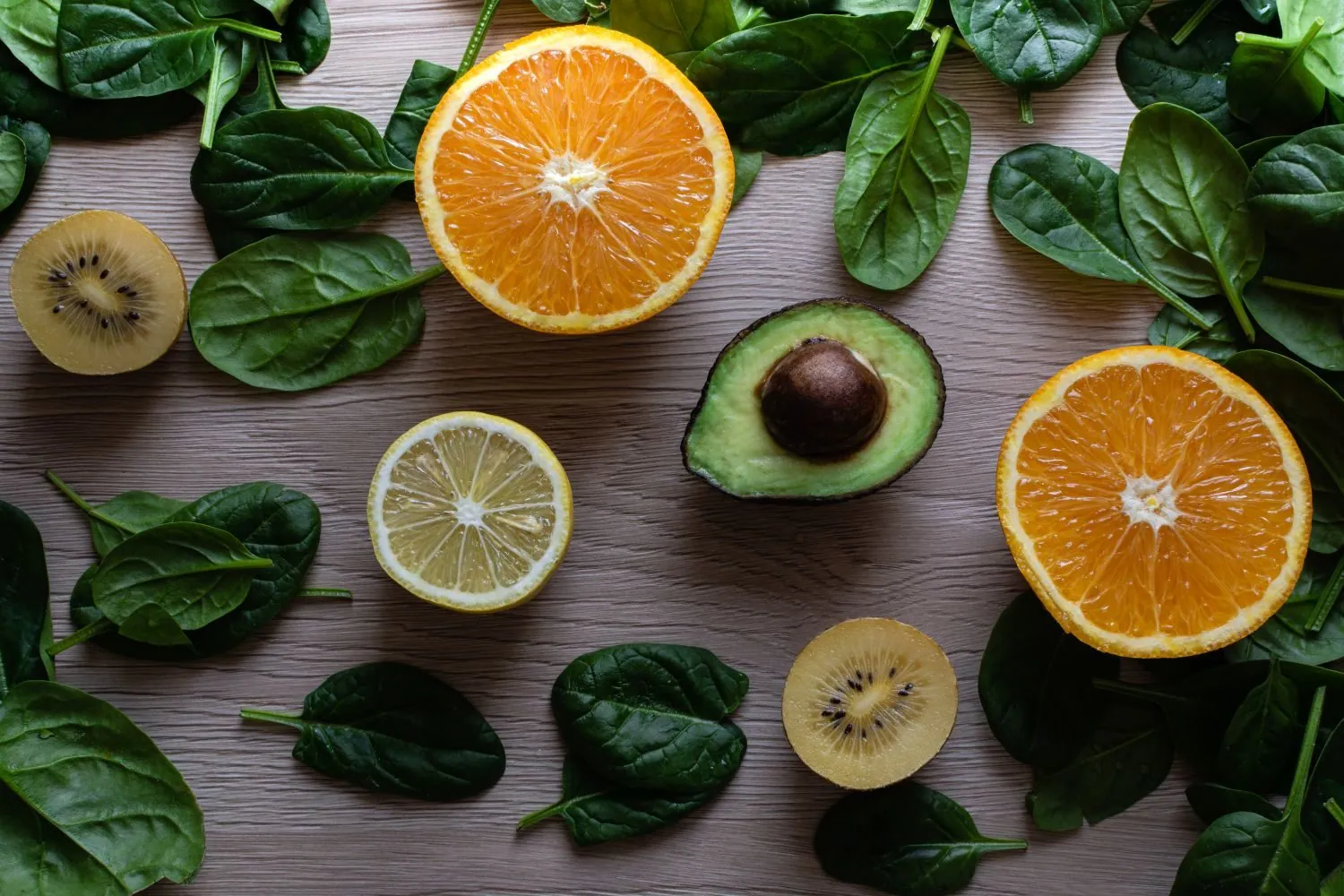
Food habits change how much of the iron you eat actually gets used. Pair iron-rich meals with vitamin C: a squeeze of lemon on dal, amla, guava or tomato in the sabzi. Keep tea and coffee about an hour away from main meals, because the tannins block absorption. Do not start high-dose iron tablets on your own; too much is harmful, and the right amount depends on your test results.
How much calcium and vitamin D does a woman need after 50?
Most women need about 1,000 mg of calcium a day until 50, rising to roughly 1,200 mg afterwards as falling oestrogen speeds up bone loss. Vitamin D is about 600 IU (15 mcg) daily, and about 800 IU after 70. Food supplies the calcium; a blood test shows whether your vitamin D is low.
A glass of milk (200-250 ml) gives roughly 250-300 mg of calcium, a katori of curd about 150-180 mg, and one ragi roti about 130 mg. Add a tablespoon of til and you are close to the daily figure without a tablet. Vitamin D is trickier: many Indian women are low despite plenty of sun, because of indoor work, covered clothing and skin tone. Roughly 15-20 minutes of midday sun on bare arms helps, but test first and let your doctor decide on any supplement. Food sources, absorption and limits are covered in our calcium nutrition guide.
What changes in pregnancy and breastfeeding?
Pregnancy adds no extra calories in the first trimester, then about 350-450 kcal a day in the second and third. Protein rises to roughly 60-75 g, iron to about 27 mg and folate to about 600 mcg. Breastfeeding adds about 350-500 kcal. Follow your gynaecologist’s supplement advice rather than this chart.
Folate deserves early attention because the neural tube forms in the first few weeks, often before a woman knows she is pregnant. If you are planning a pregnancy, talk to your doctor about folic acid before you conceive. Good food sources are dals, rajma, chole, palak, methi and citrus fruit. Cooking for long periods destroys part of the folate, so lightly cooked greens are better than overboiled ones.
Calcium and vitamin D targets stay about the same, because the body absorbs calcium more efficiently during pregnancy. Our nutrition during pregnancy guide goes trimester by trimester. Never use pregnancy as a time to cut food groups or follow a crash plan.
Which Indian foods cover these numbers?
You do not need imported superfoods. Everyday Indian staples cover most of the table above. Values are approximate and vary with the recipe, brand and how much oil goes in.
| Food | Typical portion | Approximate contribution |
|---|---|---|
| Moong or masoor dal, cooked | 1 katori (150 g) | 7-9 g protein, 2-3 mg iron, folate |
| Chole or rajma, cooked | 1 katori (150 g) | 7-9 g protein, 2-3 mg iron, folate |
| Paneer | 50 g | about 9 g protein, about 100 mg calcium |
| Curd | 1 katori (150 g) | 5-6 g protein, 150-180 mg calcium |
| Milk | 1 glass (200 ml) | about 6 g protein, about 240 mg calcium |
| Ragi roti | 1 medium (40 g flour) | about 130 mg calcium, about 1.5 mg iron |
| Til (sesame seeds) | 1 tablespoon (9 g) | about 85-90 mg calcium, about 1 mg iron |
| Palak, cooked | 1 katori (100 g) | 2-3 mg iron (absorbs less well), folate |
| Egg | 1 large | about 6 g protein, about 70 kcal, small vitamin D |
| Roasted chana | 30 g | about 6 g protein, 1-2 mg iron |
| Amla, guava or orange | 1 fruit | vitamin C that helps iron absorb |
What does a day of eating look like on an Indian plate?
Here is a walkthrough for a moderately active woman aged 31-50. It lands near 1,700 kcal and 65 g of protein before snacks, so it suits someone at the lower end of the range. Add a glass of milk and a roti if you are more active.
| Meal | On the plate | Approx. kcal | Approx. protein |
|---|---|---|---|
| Breakfast | 2 moong dal chillas with mint chutney, 1 katori curd | 350 | 19 g |
| Mid-morning | 1 guava, 8-10 almonds | 150 | 4 g |
| Lunch | 1 ragi roti, 1 wheat roti, 1 katori dal, palak sabzi, salad with lemon | 550 | 17 g |
| Evening | 30 g roasted chana, 1 cup tea (an hour after lunch) | 150 | 6 g |
| Dinner | 2 rotis, 50 g paneer bhurji or 2 eggs, mixed vegetable sabzi | 500 | 20 g |
| Total | about 1,700 | about 65 g |
Notice the structure: protein at every meal, a calcium source at two or three, vitamin C near iron, and tea kept away from meals. Swap the pieces freely; the pattern matters more than the dish.
Troubleshooting: the plate looks right but you still feel flat
If you follow a pattern like this and still feel tired, look at the usual suspects before adding supplements:
- Vegetarian or vegan eating. Plant foods carry no reliable vitamin B12, so ask for a B12 test. Our vegan nutrition guide covers the other gaps to watch.
- Skipped meals and long gaps. Missing breakfast and lunch often leaves protein and iron well below target by evening.
- Tea or coffee with every meal. This quietly reduces iron absorption.
- Heavy or prolonged periods. They raise iron needs beyond what the table assumes.
- Thyroid issues. Fatigue, weight change and hair fall overlap with low iron; see thyroid and nutrition and get the right tests.
When to see a doctor or registered dietitian instead of using a chart
A reference table cannot account for illness. Please see your doctor or a registered dietitian if you have persistent tiredness, heavy periods, breathlessness, rapid hair fall, unexplained weight change, thyroid disease, PCOS, diabetes, kidney disease or a history of an eating disorder. The same goes if you are pregnant, trying to conceive or breastfeeding, or taking regular medication.
Do not start, stop or change any medicine or supplement because of numbers on this page. Calorie, iron and calcium needs can differ sharply in some conditions, and a plan built around your bloodwork will beat any population average.
Is 1,200 calories a day enough for an adult woman?
Usually not. Most adult women need about 1,600-2,200 kcal to maintain weight. A 1,200 kcal day sits below that for nearly everyone and is used only for short periods under medical supervision, not as a standing target.
How much protein does a woman need per day in grams?
About 45-60 g for most adult women, based on 0.8-1.0 g per kg of body weight. Pregnant and breastfeeding women need roughly 60-75 g. Women who lift weights or are over 50 often aim for the upper end.
Do women need more iron than men at every age?
No, only during the menstruating years, roughly 19-50. Then the figure is about 18 mg against about 8 mg for men. After menopause the western reference falls to about 8 mg for women too, though Indian tables remain higher.
How much calcium does a woman need after 50?
Roughly 1,000-1,200 mg a day, up from about 1,000 mg earlier. The increase reflects faster bone loss after menopause. Pair it with adequate vitamin D and some resistance exercise.
Can I meet these numbers on a vegetarian diet?
Mostly yes. Dal, pulses, dairy, paneer, ragi, til and greens cover protein, calcium and folate. Iron needs vitamin C alongside it, and vitamin B12 usually needs a doctor-guided plan because plant foods do not supply it reliably.
These numbers are a starting point, not a prescription. If you would like them matched to your age, bloodwork and routine, book an online nutritionist consultation with Fitstrot and leave with a weekly Indian meal plan built for your life stage.


