
Nutritional deficiency hair loss is real, but it is narrower than most hair-oil and supplement ads suggest. Low iron, vitamin D, zinc, B12 or too little protein can push extra hairs into the shedding phase, and the result is usually thinning across the whole scalp, not a bald patch. It is also not a quick fix. Guessing at supplements wastes money and can do harm. This guide covers which deficiencies matter, which Indian foods cover them, what to test and when to see a doctor.
Read this first. This article is general education, not a diagnosis. Hair loss has many causes, including thyroid problems, hormonal conditions, medicines and scalp disorders. If your hair loss is sudden, patchy or painful, or comes with fatigue, weight change or irregular periods, see a doctor or dermatologist and get blood tests before you change your diet or buy supplements.
Can a nutritional deficiency really cause hair loss?
Yes. A significant shortage of iron, protein, vitamin D, zinc or B12 can trigger telogen effluvium, a diffuse shedding in which extra hairs move into the resting phase and fall out about two to four months later. It is one of several causes of hair fall, so a deficiency is something to test for, not assume.
Most people lose roughly 50 to 100 hairs a day. Telogen effluvium means that number climbs for weeks and overall density thins. That differs from pattern hair loss, which follows a shape (a receding hairline in men, a widening parting or crown thinning) and is driven mainly by genes and hormones. Fixing a deficiency will not reverse pattern baldness.
Which vitamin deficiency causes hair loss? A quick comparison
Iron deficiency has the strongest link to hair shedding, followed by low vitamin D and zinc. Inadequate protein and calories matter too, and B12 is worth checking in vegetarians. Biotin deficiency is rare. The table below compares how well each is linked to hair loss, who is most at risk in India and which blood test is usual.
| Nutrient | Link to hair shedding | Who is more likely to run low | Usual test |
|---|---|---|---|
| Iron (ferritin) | Strongest and most consistent | Women with heavy periods, teenage girls, new mothers, vegetarians | Serum ferritin, plus a full blood count |
| Protein and total calories | Strong when intake is very low | Crash dieters, people skipping meals, those recovering from illness | No single test; diet and weight history |
| Vitamin D | Moderate, biologically plausible | Indoor workers, darker skin, fully covered clothing, city dwellers | 25-hydroxy vitamin D |
| Zinc | Moderate | Restrictive diets, gut conditions, heavy alcohol use | Serum zinc (an imperfect marker) |
| Vitamin B12 | Thinner evidence | Vegetarians, vegans, older adults, long-term acidity medicine users | Serum B12 |
| Biotin | Very weak unless deficiency is diagnosed | Rare: certain genetic conditions, very large raw egg white intake | Not routinely tested |
Does iron deficiency cause hair fall?
Yes. Iron deficiency is the most consistently linked nutritional cause of hair shedding, and it can occur before you become anaemic. Ferritin, your iron storage marker, is the number dermatologists usually look at, not haemoglobin alone. Anaemia is common among Indian women, so it deserves testing first if you are shedding.
Ferritin can run low while haemoglobin still looks acceptable, and a result inside the printed lab range can still be low-normal for you. Ask your doctor to read it alongside your symptoms, periods and diet. For symptoms and food sources, see our guide to nutritional anemia.
Food helps, but it works slowly and depends on absorption. Iron in plant foods (dal, rajma, ragi, palak) is absorbed less well than iron in eggs, fish and meat. Some habits change that:
- Add vitamin C to the meal: a squeeze of lemon, amla, guava or raw tomato and capsicum in the salad.
- Keep chai and coffee at least an hour away from main meals, since tannins reduce iron absorption.
Do not take iron tablets on your own. Iron overload is real, and the right form and duration depend on your test result and your doctor.
Vitamin D, zinc and B12: what each does for hair and who runs low
Vitamin D deficiency and hair fall
Follicles carry vitamin D receptors, and lower levels are often found in people with diffuse shedding, but the link is an association, not a proven single cause. Many Indians are low despite the sunshine, because of indoor work, pollution and clothing. Labs usually call a level under 20 ng/mL deficient and 20 to 30 ng/mL insufficient. Food gives little on its own, so correction, if needed, is a conversation with your doctor. See our vitamin nutrition page.
Zinc deficiency and hair fall
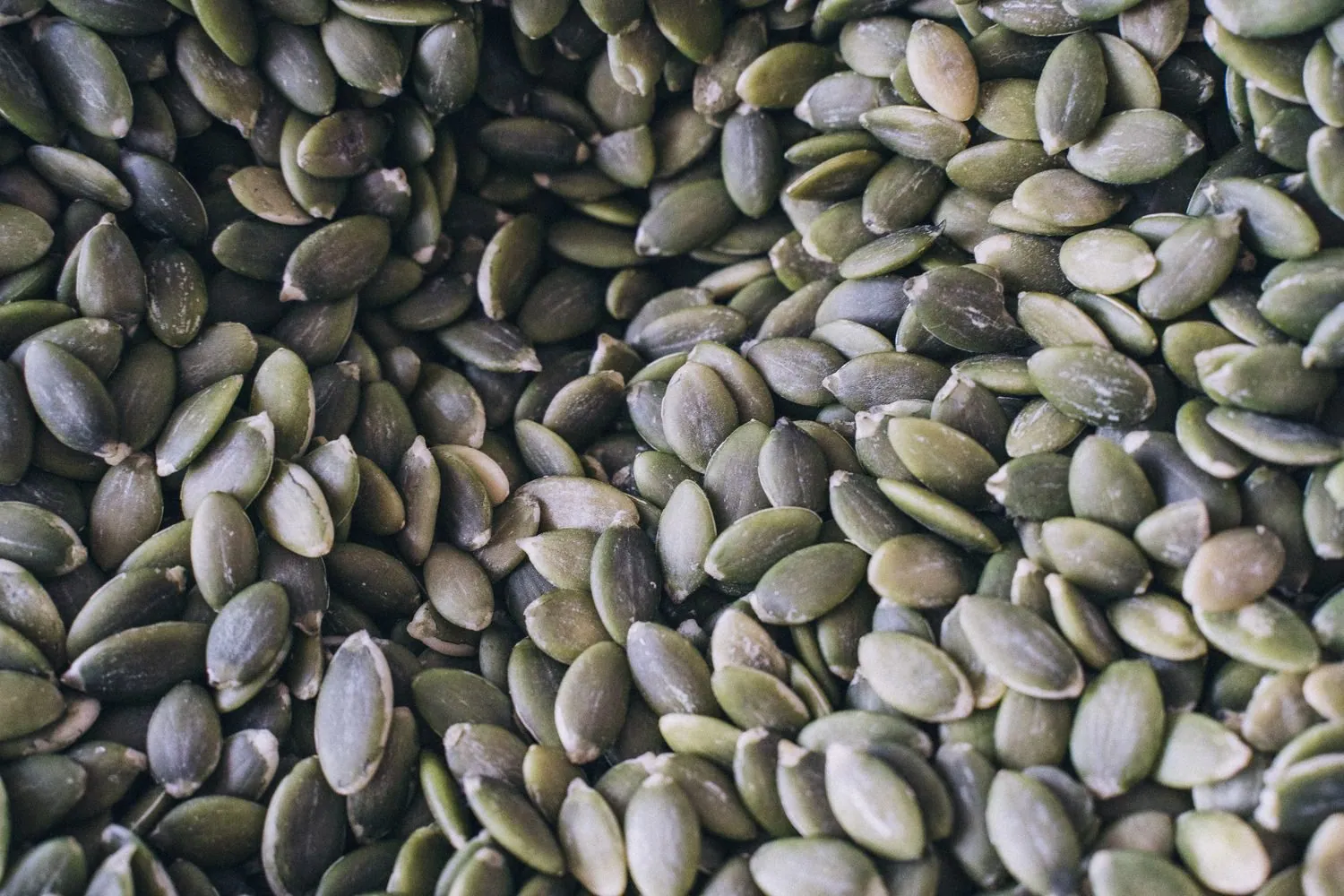
Zinc supports enzymes that keep follicles cycling. Plant zinc is absorbed less well than zinc from eggs, meat and dairy. Food sources include chana, rajma, pumpkin seeds, cashews, paneer and curd. This is a “both extremes are a problem” nutrient: very high zinc from supplements taken for long periods can lower copper, which itself affects hair. Test first. More detail is on our zinc nutrition page.
B12 deficiency and hair fall
B12 comes almost entirely from animal foods (milk, curd, eggs, fish, meat), so vegetarians and vegans are the group to watch. The evidence linking B12 to hair is thinner than for iron. Low B12 often comes with tiredness, tingling in the hands and feet or mouth ulcers, a good reason to test, not guess.
Biotin, collagen and “hair vitamins”: myth versus reality
Biotin deficiency is rare in people eating a normal Indian diet, because eggs, nuts, seeds and dals already supply it. For people without a diagnosed deficiency, there is little reliable evidence that extra biotin grows more hair. High-dose biotin can also distort some blood tests, including thyroid and cardiac markers.
Three myths worth clearing up:
- Myth: a hair gummy fixes any shedding.
- Myth: hair oil feeds the roots. Oil conditions the strands and scalp. Nutrients reach follicles through the blood, which means the plate matters more than the oil.
- Myth: one deficiency explains everything. Several factors often overlap, so testing beats guessing.
If you already take biotin, tell your doctor and the lab before any blood work. For how overall eating patterns support hair, see our hair nutrition guide.
Can low protein or crash dieting cause hair fall?
Yes. When protein or calories drop sharply, the body diverts resources away from hair, and shedding often starts two to four months later. Most adults need about 0.8 to 1 gram of protein per kg of body weight daily, so a 60 kg person needs roughly 48 to 60 grams. Crash diets, skipped meals and very low-calorie plans are classic triggers.
Hair is almost entirely keratin, a protein, so it is an early casualty when intake falls. A steady loss of about 0.5 to 1 kg a week is generally considered safer than anything faster. If you are cutting weight, our nutritional balance for weight loss guide shows how to keep protein, iron and calories adequate, and an online weight loss trainer can keep the pace sustainable. An eating disorder needs medical care, not a food hack.
Which Indian foods cover the hair-relevant nutrients?
Dal, rajma, chana, eggs, curd, paneer, leafy greens, ragi, seeds and fish together cover iron, zinc, B12 and protein. A katori (about 150 g) of cooked chana or rajma gives roughly 3 to 4 mg of iron and 10 to 13 g of protein.
| Food | Typical portion | Mainly helps with | Rough amount (about) |
|---|---|---|---|
| Chana or rajma, cooked | 1 katori (150 g) | Iron, zinc, protein | 3-4 mg iron, 1.5-2 mg zinc, 10-13 g protein |
| Moong or masoor dal, cooked | 1 katori (150 g) | Protein, iron | 5-8 g protein, 1.5-3 mg iron |
| Ragi roti | 1 roti (30 g flour) | Iron, calcium | about 1 mg iron |
| Palak, methi, cooked | 1 katori (100 g) | Iron, folate | 2-3 mg iron, absorbed less well |
| Eggs | 2 whole eggs | Protein, B12, some vitamin D | about 12 g protein, about 1 mcg B12 |
| Milk or curd | 250 ml milk or 1 katori curd | Protein, B12, calcium | 6-8 g protein, 0.5-1 mcg B12 |
| Paneer | 50 g | Protein, zinc | about 9 g protein, about 1 mg zinc |
| Chicken or fish, cooked | 100 g | Protein, iron, zinc, B12 | 25-30 g protein; oily fish adds vitamin D |
| Pumpkin seeds, cashews, til | 25 g (a small handful) | Zinc, iron | about 1.5-2 mg of each |
| Amla, guava, lemon | 1 piece or 1 lemon squeezed | Vitamin C to improve iron absorption | Not an iron source |
These are approximate values for typical home-cooked portions and vary with recipe and cooking method. For more, see our guide to hair nutrition food.

Who needs to be extra careful?
- Women with heavy periods: regular blood loss drains iron stores. If shedding comes with tiredness or breathlessness on stairs, ask for ferritin and a blood count.
- New mothers: shedding a few months after delivery is common and usually settles, but iron, protein and B12 can run low after pregnancy and breastfeeding.
- Vegetarians and vegans: plan B12 deliberately, pair iron foods with vitamin C, and ask a doctor about testing.
- Gym-goers cutting weight: a big deficit plus hard training raises protein and iron needs. An online nutritionist consultation beats copying a crash plan from social media.
- People on long-term medicines or with gut conditions: absorption can drop. Never stop a medicine yourself; raise the hair concern with the prescriber.
Still shedding after fixing your diet? What to check next
If three to four months of better eating has not eased shedding, the cause may not be nutritional. Common look-alikes:
- Thyroid problems: an underactive or overactive thyroid can thin hair, and a simple TSH test checks it.
- Hormonal conditions: PCOS often shows up as thinning with irregular periods or acne.
- Medicines, illness or surgery: a high fever or major illness can set off shedding two to three months later. Do not stop any medicine on your own.
- Stress and poor sleep: they can trigger telogen effluvium alone. Regular movement such as online yoga classes can support sleep and stress, though it is not a hair treatment.
- Scalp conditions, tight styling or harsh treatments: these cause breakage or damage.
- Pattern hair loss: genetic, and diet cannot reverse it.
For the broader mechanism and timeline, see our companion piece on nutrition and hair loss, and our overview of nutritional deficiency.
When should you see a doctor or dermatologist?
See a doctor or dermatologist if any of these apply:
- Hair loss is sudden, heavy, patchy, or you see bald spots, redness, scaling, pain or scarring on the scalp.
- You are also tired, breathless, gaining or losing weight unexpectedly, feeling cold, or have irregular periods.
- Shedding has lasted more than three months, or started after a new medicine.
- You are pregnant, breastfeeding or have a long-term condition. Ask before starting any supplement.
- You are restricting food heavily.
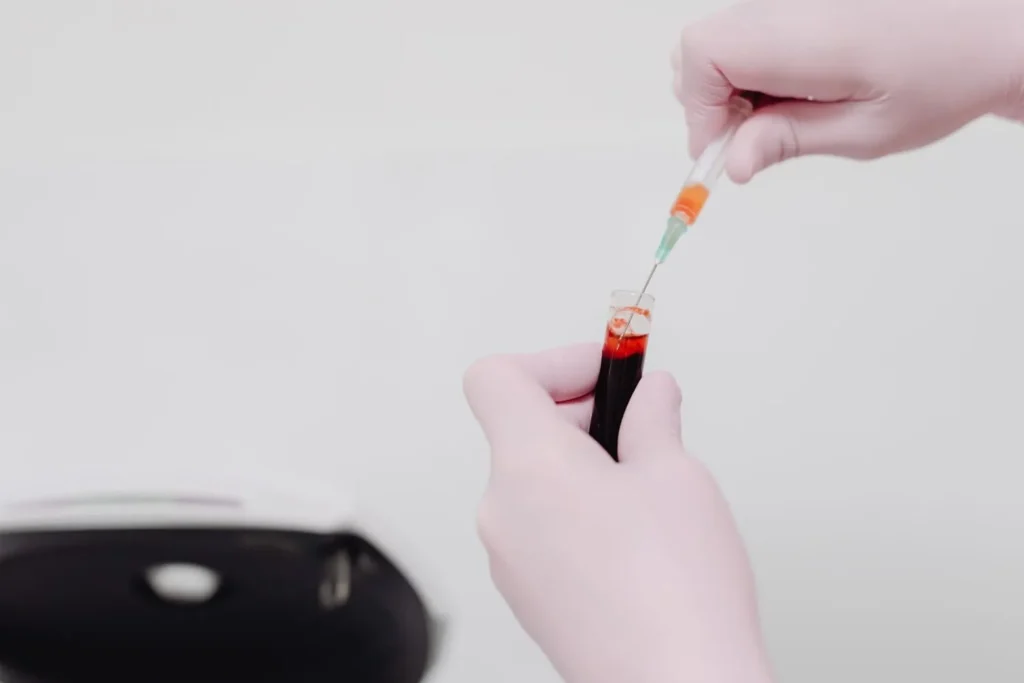
Ask for blood tests, typically a full blood count, ferritin, vitamin D, B12 and thyroid (TSH), and let the doctor decide what else is needed. Do not start, stop or change any medicine or supplement on the basis of this article. A registered dietitian can then build your meals around your results.
Frequently asked questions
How long after a deficiency starts does hair loss begin?
Typically about two to four months. Follicles do not shed the moment a nutrient runs low. They finish their current growth cycle, then move into the resting phase and release the hair weeks later.
How long does hair take to recover once a deficiency is corrected?
Shedding often slows within a few weeks to a couple of months after the cause is corrected, but visible change takes longer. Hair grows about 1 cm (half an inch) a month, so thicker hair usually shows after three to six months, and full density can take up to a year. Results vary.
Can I just take a multivitamin instead of getting tested?
You can, but it is a blunt tool. A standard multivitamin may not correct a real deficiency, and it tells you nothing about why you are shedding. Testing first is safer and shows whether nutrition is the cause at all.
Can I have normal blood tests and still lose hair from nutrition?
It is possible, though less common. Reference ranges are population averages, and some people shed at levels that are technically normal, especially for ferritin. A doctor or dermatologist who reads your specific numbers is better placed to judge than a generic cut-off.
Is hair loss from nutritional deficiency permanent?
Diffuse shedding from a deficiency is usually reversible once the cause is identified and corrected, and hair typically regrows over several months. It does not reverse pattern baldness, which is genetic and hormonal. No one can promise full regrowth, so a dermatologist can tell you which type you have.
If your blood report shows a gap, book an online nutritionist consultation with Fitstrot, bring the report along, and turn it into a week of Indian meals that fit your budget and food preferences, alongside your doctor’s advice.


