

Good nutrition in pregnancy and lactation is not one plan stretched across two stages. Pregnancy asks for a small energy bump and close attention to folate, iron and calcium. Breastfeeding asks for noticeably more energy, protein and fluid, plus a steady supply of the nutrients that pass into your milk. This guide covers both stages but spends most of its time on feeding a baby, using everyday Indian foods, grams and a sample day.
This is general nutrition education, not medical advice. Every figure is approximate. Your needs depend on your weight, blood reports, health conditions and how much of your baby’s feeding is breast milk, so confirm them with your doctor or a registered dietitian.
How do your needs change from pregnancy to breastfeeding?
Breastfeeding usually needs about 330 to 500 extra kcal a day, compared with about 0 in the first trimester and about 340 to 450 in the second and third trimesters of pregnancy. Protein, calcium and fluid targets stay high in both stages. Iron is the exception, so check your reports instead of guessing.
| Nutrient | In pregnancy (about) | While breastfeeding (about) | What it means on your plate |
|---|---|---|---|
| Extra energy | 0 kcal in trimester 1, about 340 in trimester 2, about 450 in trimester 3 | 330 to 500 kcal if breastfeeding exclusively | Two extra snacks, not a second dinner |
| Protein | 70 g a day | 70 g a day or a little more | Dal, curd, eggs, paneer, fish or chicken at every meal |
| Calcium | 1,000 mg a day | 1,000 mg a day | Three servings of milk, curd, ragi or sesame across the day |
| Iron | Higher than usual | Targets differ between international and Indian tables | Follow your own haemoglobin and ferritin report |
| Fluids | 3 litres a day, food and drinks together | 3.8 litres a day, food and drinks together | A glass of water at every feed |
| DHA (omega-3) | Builds the baby’s brain and eyes | Passes into breast milk | Fish twice a week; ask your doctor about alternatives if you eat none |
| Vitamin B12 | Needed for the baby’s nerves | Your milk’s B12 follows your intake | Milk, curd and eggs help; vegans need medical advice |
Iron is the row to read carefully. International tables set iron lower during breastfeeding because many mothers have no periods for some months. Indian tables set higher targets, and many Indian women start pregnancy with low stores and lose blood at delivery. A generic number on a blog cannot settle this. Your doctor can tell you whether food alone is enough.
If you are still pregnant, trimester-wise detail lives in our guides on nutrition during pregnancy, nutritional requirements during pregnancy, pregnancy nutrition and nutrition for pregnant women. The rest of this page is about the months after delivery.
How many extra calories does a breastfeeding mother need?
Extra calories while breastfeeding come to about 330 to 500 kcal a day above your pre-pregnancy intake for most exclusively breastfeeding mothers, which often means about 2,200 to 2,500 kcal in total. Partial breastfeeding needs less. Go by hunger, energy and your baby’s growth rather than a fixed number.
In food terms, about 350 kcal is a glass of cow’s milk (about 150 kcal), a medium banana (about 90 kcal) and 30 g of roasted chana (about 110 kcal). Two snacks like that, spread through the day, cover most of the extra energy for nutrition during lactation without a heavy meal. Buffalo milk and ghee-rich foods carry more kcal per spoon, so portions matter if you eat them often.
Cutting meals hard in the first weeks usually backfires with exhaustion and low mood. Gradual weight change comes later, with your doctor’s approval. Our postpartum nutrition plan covers that stage.
Which Indian foods cover protein and calcium while breastfeeding?
The best foods to eat while breastfeeding are dal, curd, milk, paneer, eggs, fish, soya chunks and roasted chana, which supply most of the roughly 70 g of daily protein, while milk, curd, ragi and sesame supply most of the roughly 1,000 mg of calcium. A few servings spread across the day work better than one large meal.
| Food | Portion | About protein | About calcium |
|---|---|---|---|
| Cow’s milk | 1 glass (250 ml) | 8 g | 300 mg |
| Curd | 1 katori (150 g) | 5 g | 150 mg |
| Paneer | 100 g | 18 g | 200 mg |
| Cooked dal | 1 katori (150 g) | 7 g | Small |
| Egg | 1 whole | 6 g | Small |
| Soya chunks | 30 g dry | 15 g | Some |
| Roasted chana | 30 g | 6 g | Small |
| Ragi roti | 1 roti (30 g flour) | 2 g | 100 mg |
| Sesame (til) | 1 tablespoon (9 g) | 2 g | 90 mg |
| Cooked chicken | 100 g | 25 g | Small |
| Cooked fish such as rohu or sardine | 100 g | 20 g | Varies |
Leafy greens such as methi, palak and amaranth add some calcium and iron, but they should support the plate, not carry it. Squeeze lemon on iron-rich meals and keep tea or coffee an hour away from them. For more on individual vitamins, see vitamin nutrition and women’s nutrition.
What does a day of eating look like for a breastfeeding mother?
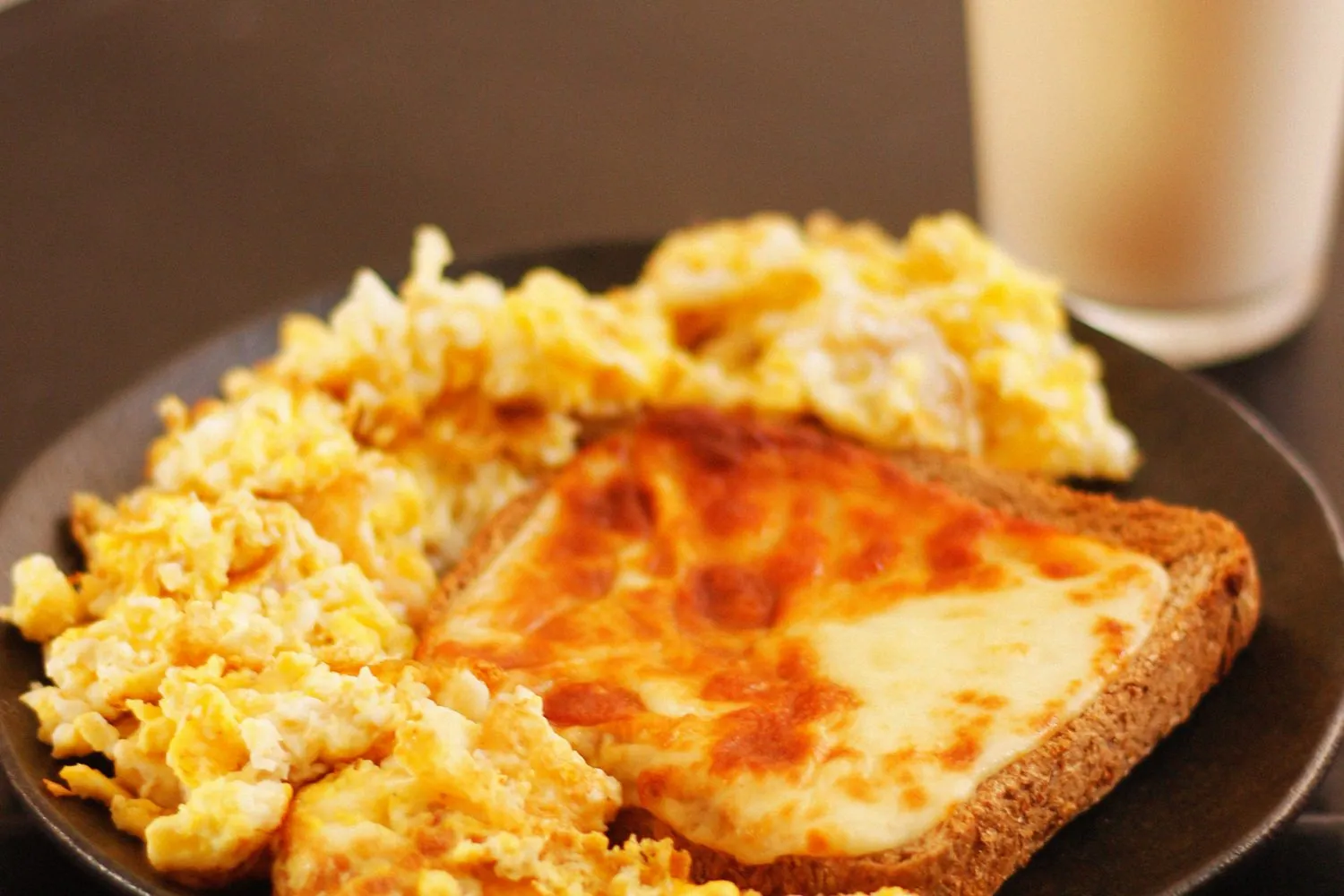
A workable day has three meals and two or three snacks, with a protein food at each. The plan below reaches about 75 g of protein using ordinary home food. Treat it as a pattern to adapt, not a prescription, and shift portions to match your hunger.
| Time | What to eat | About protein |
|---|---|---|
| On waking | Glass of water, 4 soaked almonds, 1 walnut | 3 g |
| Breakfast | 2 besan chillas (or 2 eggs), 100 g curd, a fruit | 12 g |
| Mid-morning | 30 g roasted chana and a fruit | 6 g |
| Lunch | 1 ragi roti, 1 wheat roti, 1 katori dal, 1 katori sabzi, salad, 1 katori curd | 17 g |
| Evening | Glass of milk or buttermilk with a handful of makhana or peanuts | 7 g |
| Dinner | 2 rotis or 1 cup rice, 80 g paneer bhurji or 100 g fish, sabzi | 22 g |
| Night feed | Warm milk, banana | 8 g |
Keep a water bottle and a snack where you feed. Night feeds make you hungry, and a bedside banana or handful of nuts beats skipping food. Around six months, when your baby starts solids, our guides on infant nutrition and toddler nutrition pick up the story.
Myths about the breastfeeding diet, corrected
- Myth: you must eat for two. The extra need is about 330 to 500 kcal, not double your usual intake. Quality matters more than quantity.
- Myth: more water or milk means more milk supply. Supply follows how often and how well your baby feeds. Drink to thirst and aim for pale yellow urine.
- Myth: dal, rajma, curd, cauliflower or cold foods upset the baby. Most mothers can eat the family’s normal food. If you notice the same fussiness after one particular food again and again, tell your doctor or paediatrician before cutting out whole food groups.
- Myth: ghee, gond or methi laddoos guarantee supply. They are traditional, tasty and energy-dense, often 150 kcal or more each, but no food guarantees supply. Herbal preparations can affect blood sugar or interact with medicines, so ask your doctor first.
- Myth: tea and coffee are banned. About two cups a day is usually fine for most mothers. Check with your doctor if you have a heart or sleep concern, and avoid alcohol or ask for advice about it.
Troubleshooting: tired, constipated, hungry at night or not hungry at all
Pregnancy and delivery draw down iron, calcium, DHA and B12 stores, and breast milk keeps drawing on them. Recovery takes months, not days, which is why feeding yourself properly is part of feeding your baby.
Always tired. Broken sleep explains a lot, but under-eating, low iron and low B12 can add to it. Eat every three to four hours with protein at each sitting. If tiredness is heavy, or you feel dizzy or breathless, ask for blood tests instead of pushing through.
Constipation. Add whole grains, fruit, salad and sabzi, and keep fluids steady. If you were prescribed iron, do not stop it on your own. Tell your doctor about the side effect.
Hungry at night. Normal with night feeds. Keep soaked almonds, makhana or a banana within reach.
No appetite. Try five small meals, curd with fruit, or a smear of peanut butter on roti. If you eat very little for several days, or your mood stays low, tell your doctor.
If you are vegetarian, vegan, Jain or fasting
Vegetarian mothers can meet protein and calcium with milk, curd, paneer, dal, sprouts, soya and ragi. Vegan mothers can manage protein and calcium with soya, dal, rajma, peanuts, ragi, sesame, calcium-set tofu and fortified plant milks, but B12 is hard to get reliably from plants, so they need a doctor’s guidance. Our vegan nutrition guide covers more.
Long fasts on vrat days, Ekadashi or during Ramzan reduce fluid and energy just when your body needs both. Speak to your doctor before fasting while breastfeeding, especially in the first six months. If you do fast, avoid waterless days and break the fast with milk, curd or fruit plus protein.
When should you see a doctor or a registered dietitian?
See your doctor or a registered dietitian if you have diabetes, thyroid disease, anaemia, high blood pressure, a restricted diet, twins or a baby who is not gaining well. Seek advice sooner for heavy tiredness, dizziness or very low appetite. Do not start supplements or herbal remedies, or change medicines, without asking.
- Fewer wet nappies than usual, or a baby who feeds poorly: call your paediatrician.
- Fever, a hard red painful breast or heavy bleeding: call your doctor promptly.
- Low mood, anxiety or loss of interest that lasts more than two weeks: speak to your doctor.
Frequently Asked Questions
How many extra calories do I need while breastfeeding?
Mothers who breastfeed exclusively usually need about 330 to 500 extra kcal a day, which is often two snacks and slightly larger meals. Partial breastfeeding needs less. Your body size, activity and appetite change the number, so confirm it with your doctor or dietitian.
Does drinking more water or milk increase breast milk supply?
Not directly. Supply depends mainly on how often and how effectively your baby feeds. Drinking enough keeps you comfortable and energetic, and about 3.8 litres of total water from food and drinks is a common target. Drink to thirst rather than forcing extra.
Which Indian foods should I avoid while breastfeeding?
Few foods need avoiding. Skip alcohol or ask for advice about it, keep tea and coffee to about two cups, and choose smaller fish over large predator fish. Avoid anything you are allergic to. Do not cut whole food groups without talking to your doctor.
Should I keep taking my prenatal supplement while breastfeeding?
Many doctors advise continuing some form of supplement during breastfeeding, but the right product and amount depend on your blood reports and diet. Ask your doctor or registered dietitian. Do not self-prescribe or change doses based on a blog post.
How long does it take to recover nutritionally after delivery?
It commonly takes several months and sometimes longer, especially after blood loss, closely spaced pregnancies or long exclusive breastfeeding. Steady meals with protein, calcium sources and varied foods help. Review blood reports with your doctor instead of assuming you have recovered.
Want a feeding-stage plan built around your reports, your kitchen and your schedule? Book an online nutritionist consultation and bring your latest blood reports.


