
Good pcos nutrition is less about eating less and more about eating in a way that keeps blood sugar and insulin steadier through the day. PCOS (polycystic ovary syndrome) affects roughly 1 in 10 women of reproductive age, and many of them have some degree of insulin resistance, even at a normal weight. Food will not cure PCOS, but a fibre-rich, protein-balanced Indian plate is one of the few levers you control yourself. This guide covers what to eat with PCOS, how much, and where food stops and medical care starts.
Please read this first. This article is general information, not medical advice. PCOS is diagnosed and managed by a doctor, usually a gynaecologist or an endocrinologist. Do not start, stop or change any medicine, including metformin or hormonal tablets, because of something you read here, and do not self-prescribe supplements. If you are pregnant or trying to conceive, or you have diabetes, a thyroid problem, kidney disease or a history of disordered eating, check any diet change with your doctor or a registered dietitian first.
What is pcos nutrition actually trying to do?
PCOS nutrition aims to keep blood sugar and insulin steadier, support a healthy weight if that is a goal, and reduce cravings and day-to-day inflammation. In practice that means about 25-30 g of fibre a day, protein at every meal, mostly whole or minimally processed carbohydrates, and fewer sugary drinks and packaged snacks.
The reasoning goes like this. Many women with PCOS have cells that respond less well to insulin, so the body makes extra. High insulin can nudge the ovaries to produce more androgens (hormones such as testosterone), which is linked with irregular periods, acne and extra facial or body hair. Doctors therefore often check fasting glucose and HbA1c alongside hormone tests, and a good PCOS eating pattern looks a lot like one used to prevent type 2 diabetes. Our guide to diabetes nutrition explains the parallel principles in more detail.
Myth check: do you really have to quit rice, roti, dairy and sugar for good?
No. Most women with PCOS do not need to remove rice, roti or dairy. What helps is sensible portions, pairing carbohydrates with dal, vegetables or curd, choosing whole grains more often, and cutting back on sugary drinks, sweets and maida snacks. Extreme restriction is hard to sustain and often backfires into cravings and binge cycles.
- Myth: “Go keto or nothing works.” A moderate-carbohydrate, high-fibre pattern is easier to follow for years than a very low-carbohydrate one.
- Myth: “Skip meals to lose weight and balance hormones.” Long gaps usually lead to a large, fast meal later. Regular meals every 3-4 hours suit most people better.
- Myth: “Only overweight women get PCOS problems.” PCOS occurs at every body size.
- Myth: “If food helps, I can stop my medicines.” Food and medicines work together. Decisions about tablets belong to your doctor alone.
PCOS-friendly Indian foods: portions, protein and fibre
These are everyday foods that fit well into a low-GI, high-fibre pattern. The numbers are rounded and vary with brand, variety and cooking, so treat them as rough guides rather than exact targets.
| Food | Typical serving | Protein (about) | Fibre (about) | Where it fits |
|---|---|---|---|---|
| Moong dal, cooked | 1 katori (150 g) | 8-10 g | 3-4 g | Lunch or dinner, with roti or a small portion of rice |
| Kala chana, boiled | 100 g | 8-9 g | 6-8 g | Evening snack, salad or curry |
| Soya chunks, dry weight | 30 g | 15 g | 3-4 g | Pulao, curry or cutlets for vegetarians |
| Paneer | 50 g | 9-10 g | 0 g | Bhurji or tikka with sabzi |
| Eggs, whole | 2 eggs | 12 g | 0 g | Breakfast or dinner |
| Curd, plain | 150 g | 5-6 g | 0 g | With lunch; pairs well with carbohydrates |
| Rolled oats, dry | 40 g | 5-7 g | about 4 g | Oats chilla, upma or porridge without added sugar |
| Whole wheat roti | 1 medium (30 g atta) | about 3 g | 2-3 g | Main grain; 1-2 per meal for most adults |
| Fish (rohu, sardine), cooked | 100 g | 18-22 g | 0 g | Two to three times a week if you eat fish |
Add green leafy vegetables, a handful of nuts and whole seasonal fruit around these. Needs for iron, calcium and vitamin D also change across life stages, which our women’s nutrition guide covers.
How do you build a PCOS-friendly plate, meal by meal?
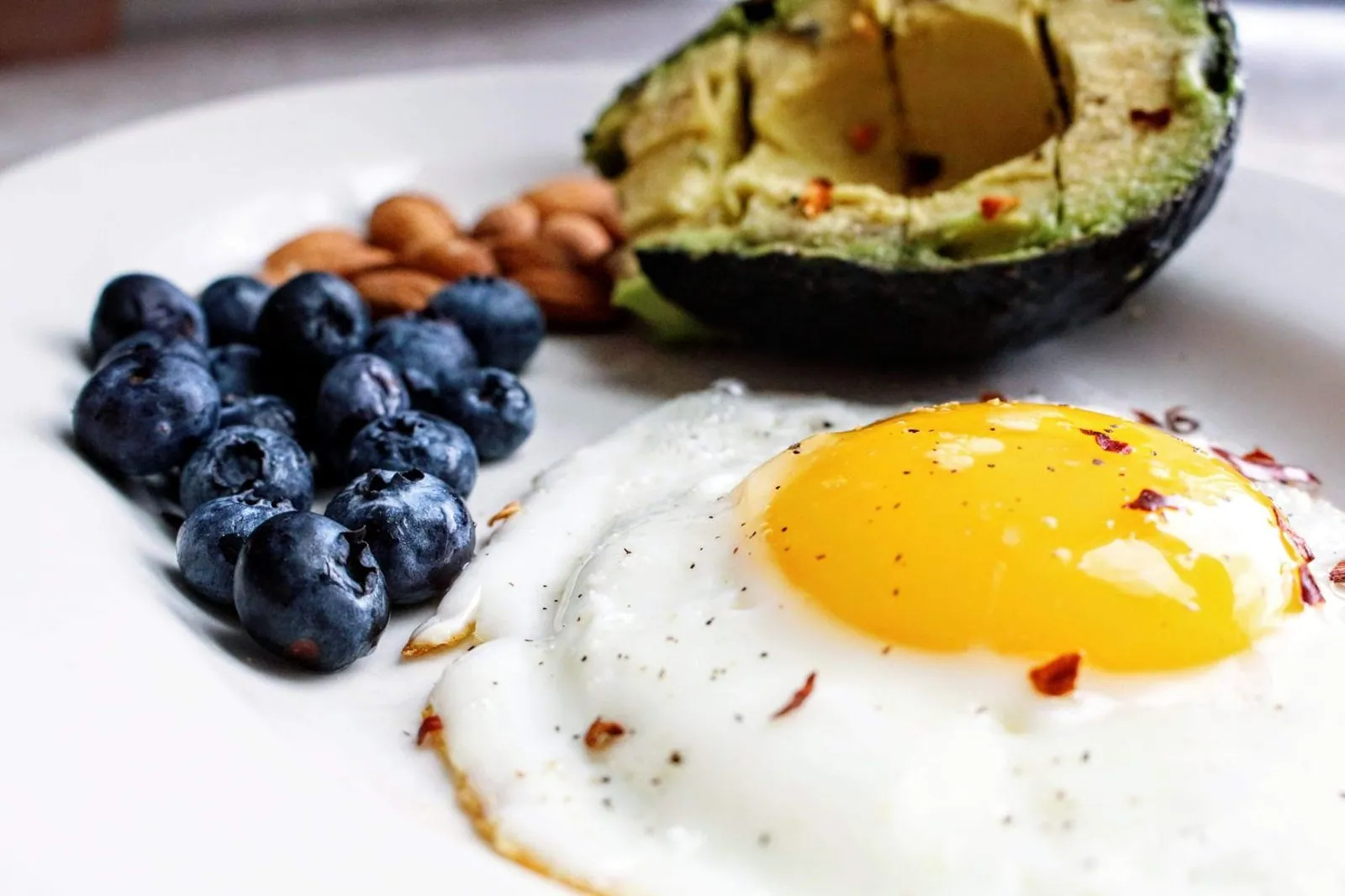
Fill about half your plate with vegetables or salad, a quarter with protein such as dal, paneer, eggs or fish, and a quarter with whole grains like roti, millets or brown rice. Add a small portion of healthy fat. Aim for roughly 15-25 g of protein at each main meal rather than saving it all for dinner.
Fibre and protein are the two levers worth learning. Fibre slows how fast sugar enters your blood, and our fibre nutrition guide lists sources you can add without changing your whole menu. Protein keeps you full. Many healthy adults do well with roughly 0.8-1.2 g of protein per kg of body weight a day, and our protein and nutrition article shows how to reach that with ordinary food. If you have kidney disease, ask your doctor before raising protein.
Here is one example of how a day can be structured. It is a template; swap items to suit your region and taste.
| Meal | Example | Protein (about) | What it does |
|---|---|---|---|
| Breakfast (8-9 am) | 2 besan chillas with mint chutney and a katori of curd, or oats upma with a boiled egg | 12-18 g | Starts the day with protein, not just starch |
| Mid-morning | 1 guava or apple with 8-10 almonds | 3-5 g | Fibre plus fat; avoids a long gap |
| Lunch (1-2 pm) | 1-2 rotis, 1 katori dal, a large sabzi, cucumber-tomato salad, curd | 18-25 g | The anchor meal; vegetables first, then grain |
| Evening (5 pm) | 30 g roasted chana or a sprouts chaat, unsweetened tea | 6-10 g | Prevents the 6 pm sugar craving |
| Dinner (8 pm) | Paneer, tofu, egg bhurji or fish with sabzi, plus 1 roti or a small bowl of millet khichdi | 18-25 g | Lighter on starch; protein still present |
That adds up to roughly 60-85 g of protein across the day, which suits many adults but not everyone. A registered dietitian can adjust it for your weight, activity and reports.
Troubleshooting: why am I hungry, bloated or craving sweets on a PCOS plan?
Hunger and cravings usually come from meals low in protein or fibre, long gaps between meals, poor sleep, or a sudden drop in carbohydrates. Add 15-20 g of protein to the meal before the craving hits, eat every 3-4 hours, and raise fibre slowly over two to three weeks so your gut can adjust.
- Bloating after adding dal, chana or salad: You probably increased fibre too fast. Step back for a week, cook pulses well, drink water, then build up again.
- Sweet cravings in the evening: Check lunch first. A lunch that is all rice and little dal or curd often leads to a 4 pm crash. Have any sweet right after a meal, in a small portion.
- Constant tiredness or breathlessness on stairs: Heavy periods are common with PCOS and can lower iron. Ask your doctor about a blood count and ferritin test before blaming your diet; our nutritional anemia article explains what the results mean.
- Acne or hair thinning not improving: Food can support skin and hair but rarely fixes them alone. A varied diet with zinc-rich foods such as chickpeas, pumpkin seeds and curd is sensible, and our zinc nutrition guide lists food sources. Do not buy zinc tablets without a test and medical advice, and see a dermatologist or gynaecologist if symptoms persist.
- Weight or symptoms stuck after about three months: Ask your doctor to review your tests, thyroid and medicines. Our thyroid and nutrition guide explains why thyroid levels are often checked alongside PCOS, since some symptoms overlap.
PCOS nutrition for vegetarians, lean women and busy schedules
If you are vegetarian or eggetarian. Combine dal with a grain, and add paneer, tofu, soya, curd and sprouts to reach protein goals. Vitamin B12 and vitamin D are worth testing before you take anything. If you are fully plant-based, our vegan nutrition guide covers the gaps to watch.
If you are lean with PCOS. Cutting calories is usually the wrong move. Eating too little can itself disrupt periods. Focus on food quality, protein at each meal and steady meal timing.
If you live in a hostel or work long hours. Keep a few fixed, cheap defaults: roasted chana, peanuts, boiled eggs, curd and seasonal fruit. In a mess or canteen, take the dal and sabzi first, then decide how much rice or roti to add.
Simple swaps that lower the sugar load
You do not need to overhaul your kitchen. A handful of swaps, made one at a time, does most of the work.
| Usual choice | Try instead | Why it helps |
|---|---|---|
| Maida paratha, naan or white bread | Whole wheat or multigrain roti, or a missi roti with besan | More fibre; slower rise in blood sugar |
| Three cups of sweet chai with 2 teaspoons of sugar each (roughly 25-30 g sugar) | Reduce sugar by a quarter each week; try spiced tea with little or no sugar | Cuts a steady, unnoticed sugar intake |
| Large bowl of white rice | Smaller bowl with plenty of dal and vegetables; millets or brown rice sometimes | Lower load per meal; same comfort |
One more point is often missed. PCOS is associated with a higher chance of fatty liver, and the same habits that help insulin, such as less sugar and more fibre, also support the liver. Our liver nutrition guide goes into this.
When should you see a doctor about PCOS, and what should you never change yourself?
See a doctor if your periods are more than about 35 days apart or missing for three months, if you have heavy bleeding or severe pelvic pain, if you have been trying to conceive for a year, or if hair growth or acne is worsening. Never stop or change a prescribed medicine on your own.
Also book a visit for extreme thirst, frequent urination or unexplained weight change, which can point to diabetes or thyroid trouble. If you take metformin, other diabetes medicines, hormonal tablets or thyroid medicine, tell your doctor before making big food changes, because eating differently can change how your body responds to treatment.
Consult a registered dietitian or doctor first if you are pregnant, breastfeeding, have kidney disease, or have ever had an eating disorder. Food is one part of a plan that usually also includes medical review, movement, sleep and stress management. For movement, our yoga for PCOS guide is a gentle starting point, and an online weight loss trainer can help you build a routine you will actually keep.
How long does it take for pcos nutrition changes to show?
Give a steady eating pattern about 8-12 weeks before judging it. Energy, cravings and bloating may improve within a few weeks, while cycles, skin and blood tests usually take about three to six months. Some changes may not come from food alone, so track patterns rather than daily scale readings.
Track cravings, energy at 4 pm, cycle length, skin changes and any numbers your doctor monitors. The scale is only one signal, so review a simple phone note monthly rather than weighing in daily.
Frequently asked questions
Can food or diet cure PCOS?
No. PCOS is a long-term hormonal and metabolic condition, and no diet cures it. Good eating can improve insulin response, cravings and, for many women, cycle regularity and skin, but diagnosis, monitoring and any medicines still need a doctor.
Can I eat rice and roti if I have PCOS?
Yes, for most people. Keep portions moderate, such as one small katori of cooked rice (about 100-150 g) or one to two rotis per meal, and always pair them with dal, vegetables or curd. Choose whole wheat, millets or brown rice more often than refined flour.
Is dairy bad for PCOS?
There is no need to cut dairy for everyone. Plain curd, buttermilk and paneer in sensible portions fit most plans. If you notice that milk worsens acne or digestion, try reducing it for a few weeks and discuss the change with your doctor or dietitian.
Do I need supplements for PCOS?
Not automatically. Supplements should follow blood tests and a doctor’s advice, because needs differ and some products interact with medicines. Do not start any on your own, and be cautious of products that promise to reverse PCOS.
Do I have to lose weight for PCOS symptoms to improve?
Not always. Better food habits can help even if the scale barely moves. If your doctor advises weight loss, a modest loss of about 5-10% of body weight is commonly discussed as worthwhile, and it should be gradual and safe.
If you would like these ideas turned into a plan that fits your blood reports, food habits and budget, book an online nutritionist consultation with Fitstrot and bring your latest test results to the first session.


