
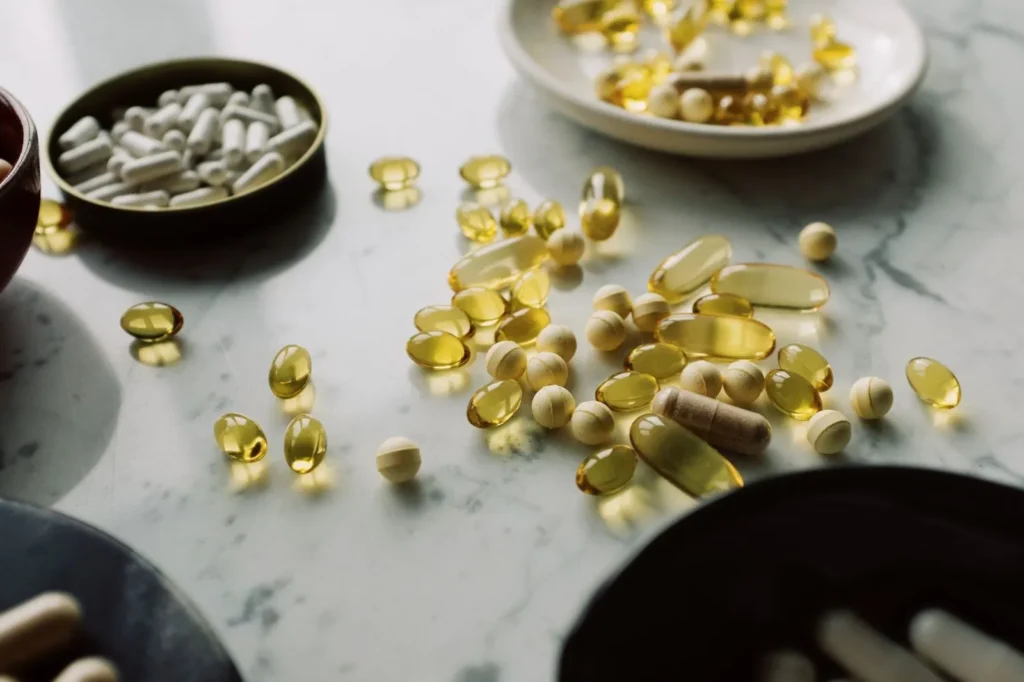
The nutritionally essential amino acids are histidine, isoleucine, leucine, lysine, methionine, phenylalanine, threonine, tryptophan and valine. Your body cannot make any of the nine, so every gram has to arrive through food. Eat too little of even one of them, day after day, and the rest of your protein cannot be fully used for repairing muscle, making enzymes or building hormones. This guide explains what each one does, which Indian foods supply them, and how a vegetarian thali can cover all nine without any spreadsheet.
What are the nine nutritionally essential amino acids?
The nine essential amino acids are histidine, isoleucine, leucine, lysine, methionine, phenylalanine, threonine, tryptophan and valine. Your body uses 20 amino acids to build protein and can manufacture 11 of them. These nine cannot be made in useful amounts, so they must come from what you eat and drink every day.
Think of protein as a necklace and amino acids as the beads. Digestion breaks the necklace into loose beads, and your cells restring them into muscle, skin, haemoglobin, enzymes and hormones. If one type of bead runs out, the stringing stops, even when a pile of other beads is lying around. The table below shows the job of each one and where it turns up in an Indian kitchen.
| Essential amino acid | What it mainly does | Everyday Indian sources |
|---|---|---|
| Leucine | Switches on muscle protein building | Eggs, milk, paneer, soya chunks, dal |
| Isoleucine | Muscle metabolism, energy use during exercise | Eggs, curd, chana, lentils, nuts |
| Valine | Muscle repair, steady energy | Milk, paneer, soya, peanuts, whole grains |
| Lysine | Collagen formation, calcium absorption, immunity | Dal, rajma, chana, curd, eggs, tofu |
| Methionine | Metabolism, building other sulphur compounds | Eggs, curd, milk, sesame, rice, wheat |
| Threonine | Skin, connective tissue, gut lining | Paneer, curd, lentils, sesame, pumpkin seeds |
| Phenylalanine | Raw material for dopamine and adrenaline | Eggs, milk, soya, peanuts, almonds |
| Tryptophan | Raw material for serotonin and melatonin | Milk, curd, oats, banana, pumpkin seeds |
| Histidine | Tissue repair, haemoglobin, histamine | Eggs, milk, soya, wheat, rice |
Leucine, isoleucine and valine are called the branched-chain amino acids, or BCAAs. Leucine gets most of the attention in gyms because it acts like a signal that tells muscle to start building. A meal with about 25 to 30 g of good-quality protein usually carries roughly 2 to 3 g of leucine, which is the amount most active people aim for per meal. You can read more on how total grams and quality fit together in our guide to the nutritional value of protein.
Essential, non-essential and conditional: what do the labels mean?
“Essential” does not mean more important. It only means your body cannot make the amino acid, so food must supply it. The other 11 are just as vital, but your liver and other tissues can build them from raw materials. Some, such as arginine and glutamine, can turn “conditionally essential” during serious illness, injury or growth.
This is why a protein-rich diet is not automatically a good one. A diet can show 60 g of protein on paper and still run short of lysine if most of that protein is rice and roti. The body keeps only a small, constantly refreshed amino acid pool, so steady daily intake beats one heroic meal.
What makes a protein complete, and which foods qualify?
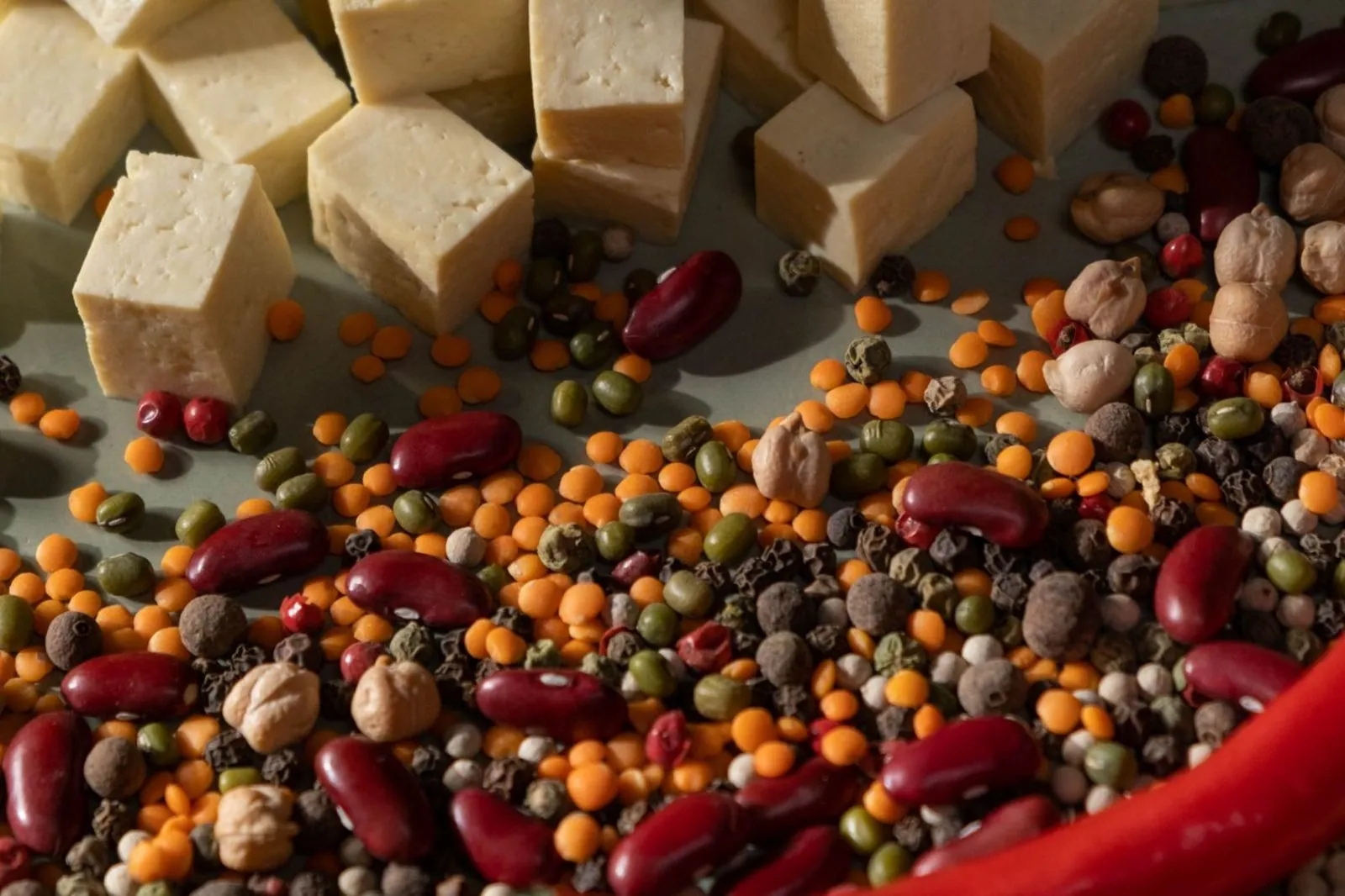
A complete protein supplies all nine essential amino acids in useful amounts. Eggs, milk, curd, paneer, fish, chicken and meat are complete. Among plant foods, soya (tofu, soya chunks, tempeh), quinoa and buckwheat qualify. Most dals, grains, nuts and seeds are incomplete, meaning low in one or two amino acids.
The amino acid that falls short in a food is called its limiting amino acid, because it caps how much of the protein your body can use. In Indian staples the pattern is very consistent. Cereals such as rice, wheat and ragi are low in lysine. Pulses such as toor dal, moong, rajma and chana are low in methionine. Incomplete does not mean poor: dal is an excellent protein food, it just needs a partner. The table gives approximate protein per common serving and the usual gap.
| Food | Serving | Protein (about) | Complete? | Usual limiting amino acid |
|---|---|---|---|---|
| Egg | 1 large | 6 g | Yes | None |
| Milk | 1 glass (250 ml) | 8 g | Yes | None |
| Curd | 1 katori (100 g) | 3 to 4 g | Yes | None |
| Paneer | 100 g | 18 g | Yes | None |
| Soya chunks | 30 g dry | 15 g | Yes | None |
| Tofu | 100 g | 8 to 10 g | Yes | None |
| Quinoa, cooked | 1 katori (150 g) | 6 g | Yes | None |
| Cooked dal | 1 katori (150 g) | 6 to 8 g | No | Methionine |
| Rajma or chole, cooked | 1 katori (150 g) | 9 to 12 g | No | Methionine |
| Peanuts | 30 g | 7 to 8 g | No | Methionine |
| Roti | 1 medium | 3 g | No | Lysine |
| Cooked rice | 1 katori (150 g) | 3 to 4 g | No | Lysine |
Treat these as planning numbers, since cooking style and how watery the dal is change them. If you are working out total daily protein, our page on the nutritional classification of protein covers how foods are grouped by quality.
Myth check: must you combine proteins in the same meal?
No. This is the most repeated myth in vegetarian nutrition. Your body keeps a pool of amino acids from recent meals, so a grain at one meal and a pulse at another still complement each other across the day. What matters is variety and enough total protein, not a perfect pairing on every plate.
Pairing in one sitting is still a handy habit, though. A traditional thali puts dal, rice or roti, curd and a vegetable together, which covers the pairing without any thought.
How do you combine vegetarian Indian proteins to cover all nine?
Pair a cereal with a pulse, and add curd, milk, paneer, soya or eggs where your diet allows. Cereals bring methionine, pulses bring lysine, so dal-rice, rajma-chawal and chana-roti each form a full profile. Aim for at least three protein-rich servings a day, spread across breakfast, lunch and dinner.
- Dal and rice, or khichdi: the lysine in dal fills the gap in rice, and the methionine in rice fills the gap in dal.
- Rajma chawal and chole with roti or bhature: the same logic with a different pulse and grain.
- Besan chilla or dhokla with curd: chickpea flour plus a dairy protein.
- Idli or dosa with sambar: the fermented rice-and-urad batter gets extra pulse from the sambar.
- Roti with paneer or soya sabzi: a complete protein sits on top of a lysine-short grain.
- Peanut chikki or peanut butter on whole-wheat toast: a nut-and-grain pairing that works as a snack.
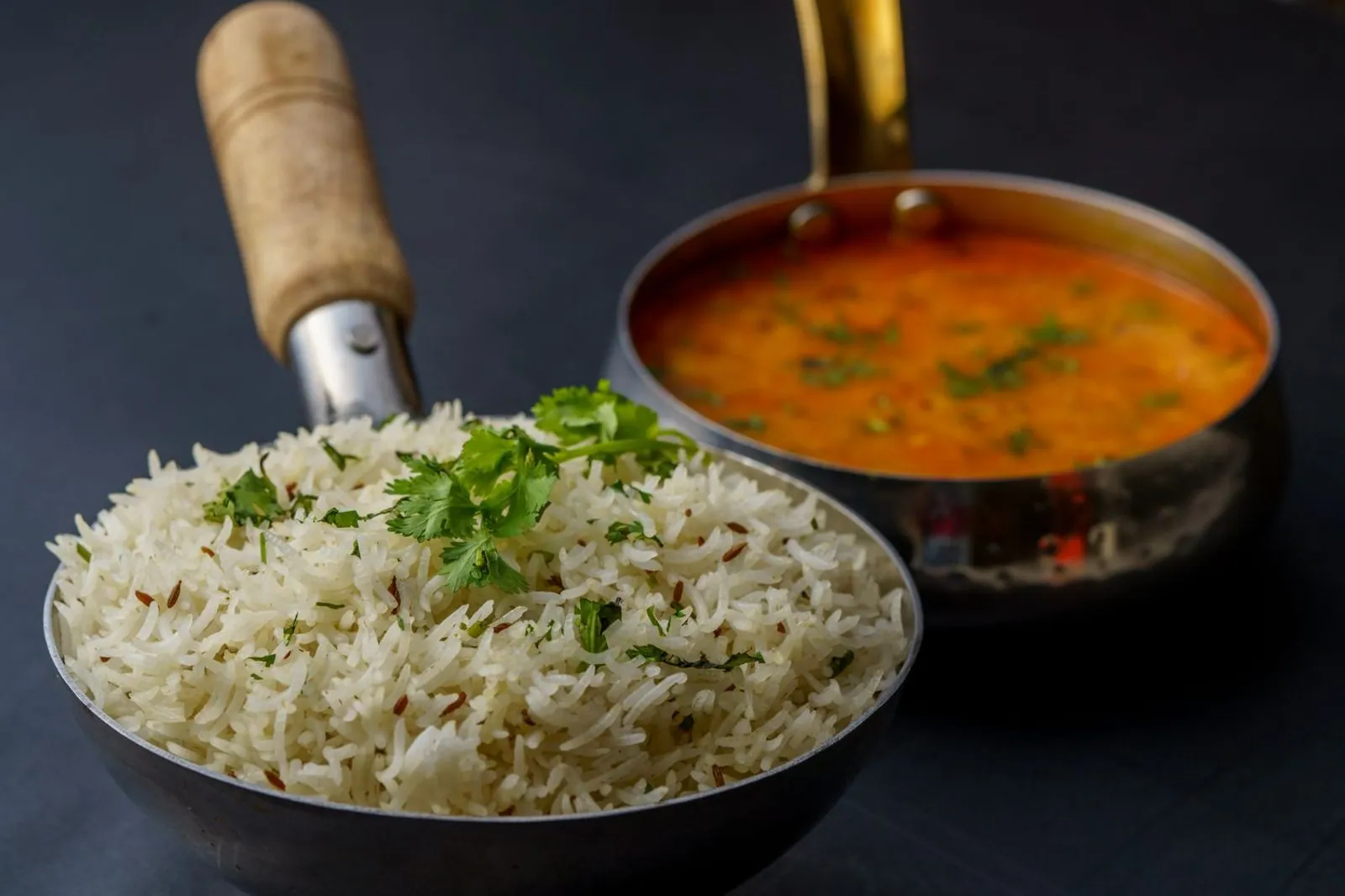
Here is a sample vegetarian day built only from ordinary Indian food. The grams are approximate and will shift with portion size.
| Meal | What is on the plate | Protein (about) | Amino acid logic |
|---|---|---|---|
| Breakfast | 2 besan chilla (30 g besan each) with 1 katori curd | 16 to 17 g | Pulse flour plus dairy |
| Lunch | 2 roti, 1 katori dal, mixed sabzi | 14 g | Wheat plus dal |
| Evening | 30 g roasted chana and 1 glass milk | 14 g | Pulse plus a complete protein |
| Dinner | 1 katori rice, 1 katori rajma, salad | 13 to 14 g | Rice plus rajma |
| Day total | 57 to 59 g | All nine covered |
About 58 g covers the basic need of a 60 kg adult at roughly 0.8 g per kg. If you train, many people aim for around 1.2 to 1.6 g per kg, which is about 72 to 96 g for the same person. Closing that gap is easy: add 30 g of soya chunks (about 15 g), 100 g paneer (about 18 g) or an extra glass of milk (about 8 g). For building meals around muscle gain, see our nutrition diet plan for muscle building.
Which groups need to watch their amino acid mix more closely?
Vegans, athletes, older adults, teenagers and people whose meals are mostly rice or roti with little dal deserve extra attention. Their needs are higher, their variety is narrower, or both. Strict vegans in particular should rotate pulses, soya, nuts and seeds daily, since there is no dairy or egg to fill gaps.
- Vegans: lean on soya, tofu, quinoa, a mix of pulses and seeds. Plant proteins are digested a little less completely than animal ones, so a modest margin of about 10 percent extra protein is a sensible cushion.
- Gym-goers and runners: protein needs rise, and each main meal should carry a decent serving of quality protein. Our notes on bodybuilding nutrition and sports nutrition go deeper on timing and totals.
- Older adults: appetite often falls with age and muscle is harder to maintain, so protein at every meal matters more than one big dinner.
- Teenagers and growing children: growth raises demand. Milk, curd, eggs or paneer plus dal at most meals is a simple pattern.
- Rice-and-roti-heavy eaters: thin dal, skipped curd and no snack protein is the classic way to run short on lysine without noticing.
Troubleshooting: what if your protein mix is off?
Slow recovery, flat strength gains, brittle nails, thinning hair or constant tiredness can accompany poor protein quality. But these signs are vague, and low calories, low iron, low vitamin B12 or poor sleep cause the same thing. Check your plate first, then get blood tests before blaming amino acids.
A quick audit works well. Write down everything you ate for three typical days. Circle every protein serving, then ask three questions. Does each main meal have at least one? Do cereals and pulses both appear across the day? Is there some dairy, egg, soya or paneer in at least two meals? If the answer to any is no, fix that gap before buying anything.
Do not reach for amino acid powders as the first fix. If your diet already has enough protein, extra BCAA powder adds cost without much benefit, and a bowl of dal with curd delivers the same amino acids along with fibre, iron and other nutrients. Supplements are only worth discussing if a dietitian finds a real shortfall. Our broader page on protein and nutrition covers daily targets in more detail.
When should you see a doctor or dietitian?
Talk to your doctor or a registered dietitian before changing protein intake if you have kidney disease, since protein often has to be limited and measured carefully. The same applies to inherited metabolic disorders such as phenylketonuria or maple syrup urine disease, where specific amino acids must be restricted under medical supervision.
Also check in with a professional if you are pregnant, breastfeeding, recovering from surgery, or managing liver disease, diabetes or unexplained weight loss. Never start high-protein diets or amino acid supplements on your own in these situations. The figures in this article are general guidance for healthy adults, not a prescription, and no food plan can guarantee a particular result.
Frequently asked questions
Can you get all nine essential amino acids from a vegetarian diet?
Yes. Dairy, eggs, soya and quinoa are complete on their own, and pairing cereals with pulses (dal-rice, rajma-chawal, chana-roti) fills the remaining gaps. The key is variety across the day and enough total protein, rather than leaning on one food repeatedly.
Do I need to eat complementary proteins in the same meal?
No. Your body holds an amino acid pool and combines what it receives from meals eaten across the same day. A traditional thali still makes pairing effortless, but dal at lunch and roti at dinner works too, as long as your overall intake is varied.
Is quinoa really a complete protein?
Yes. Quinoa contains all nine essential amino acids, which puts it alongside soya and buckwheat as one of the few plant foods that do. A cooked katori gives about 6 g of protein, so it is a useful variety food rather than a main protein source.
Which essential amino acid is most often short in an Indian vegetarian diet?
Lysine, when meals are mostly rice or wheat with little dal, curd or milk. Pulses tend to be low in methionine instead. Eating cereals and pulses together, plus some dairy or soya, covers both gaps.
Does eating more total protein make up for a poor amino acid profile?
Only partly. If one essential amino acid stays low, it limits how well the rest is used, so piling on more of the same food helps little. Adding a different protein food, such as curd, paneer or dal, fixes the shortfall more effectively.
If you would like a meal plan built around your training, food preferences and budget rather than a generic gram target, book an online nutritionist consultation with Fitstrot, or pair your plan with 1-on-1 personal training to turn the protein into strength.


