
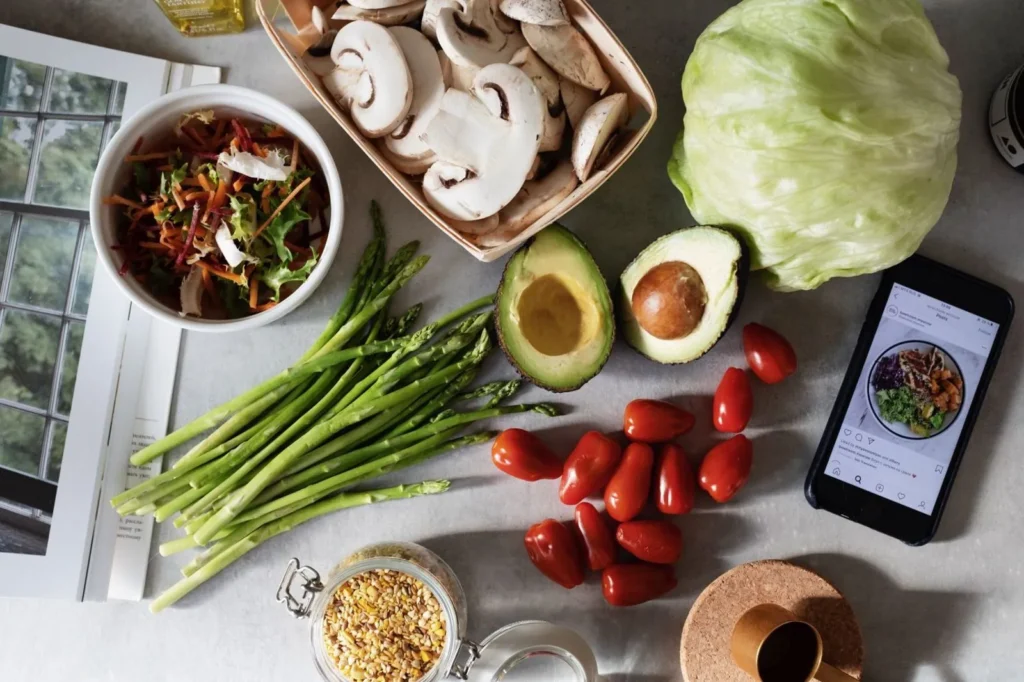
Understanding nutrition and nutrients starts with one simple split. Nutrition is the process: eating, digesting, absorbing and using food. Nutrients are the substances in that food which your body uses: protein, carbohydrates, fat, vitamins, minerals and water. This hub guide sorts macronutrients and micronutrients, explains what each one does, and puts them on an Indian thali with realistic portions.
Every number below is approximate. Real needs change with age, sex, body size, activity and health, so treat this as a map, not a prescription.
What are the six types of nutrients?
The six types of nutrients are carbohydrates, protein, fat, vitamins, minerals and water. The first three are macronutrients, needed in grams, and they are the only ones that supply calories. Vitamins and minerals are micronutrients, needed in tiny amounts. Water is needed in litres. Your body cannot make enough of most of them, so food has to supply them.
The words “macro” and “micro” describe quantity, not importance. A person short of iron or vitamin B12 can feel just as unwell as someone who eats too little protein. It simply shows up later, because the body keeps stores of many micronutrients.
Your diet is what you actually eat, while nutrition is how your body uses it, as our guide on diet and nutrition explains. For the term-versus-term explanation, read the difference between nutrition and nutrients. This page focuses on what the nutrients do and where to find them.
Macronutrients at a glance
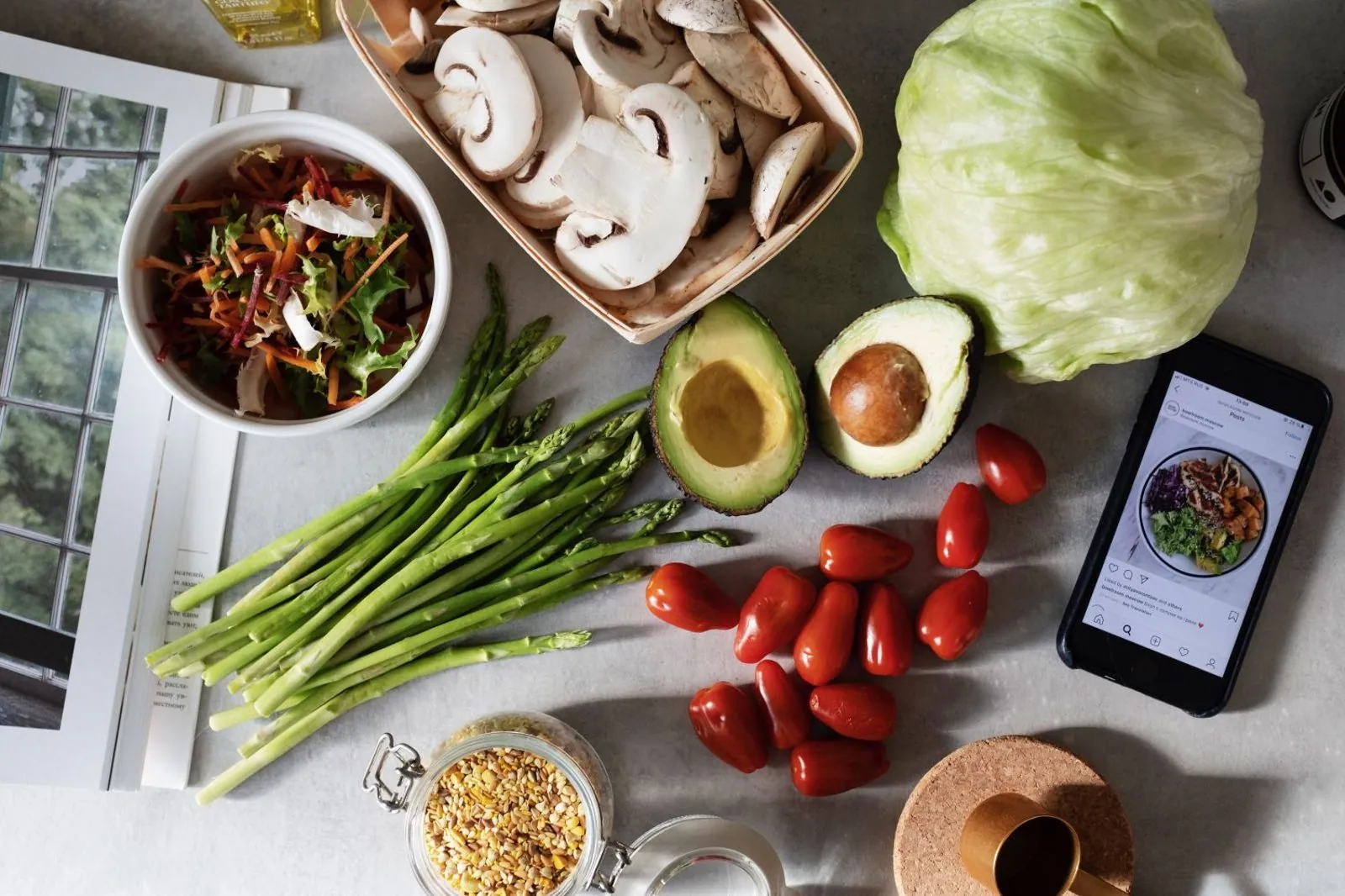
Macronutrients make up the bulk of every meal. This table shows the energy each gives, its main job, common Indian sources and a planning guide for healthy adults.
| Macronutrient | Energy (about) | Main job | Common Indian sources | Rough adult guide |
|---|---|---|---|---|
| Protein | 4 kcal per gram | Builds and repairs muscle, makes enzymes and hormones, supports immunity | Dal, rajma, chana, paneer, curd, milk, eggs, fish, chicken, soya chunks, sprouts | About 0.8 g per kg body weight; about 1.2 to 1.6 g per kg if you train regularly |
| Carbohydrates | 4 kcal per gram | Main fuel for the brain and muscles | Roti, rice, poha, oats, ragi, jowar, bajra, fruit, potato | About 45 to 60 percent of daily calories |
| Fat | 9 kcal per gram | Hormones, cell walls, absorbing vitamins A, D, E and K, stored energy | Cooking oil, ghee, nuts, seeds, curd, fish | About 20 to 30 percent of daily calories |
| Fibre (an undigested carbohydrate) | Very little | Keeps digestion regular, keeps you full | Whole grains, dal, vegetables, fruit | About 25 to 30 g a day |
Because fat carries about 9 kcal per gram, one level teaspoon of oil or ghee (about 5 g) adds roughly 45 kcal.
What do protein, carbs and fat actually do?
Protein builds and repairs tissue, carbohydrates supply quick fuel for the brain and muscles, and fat stores energy, supports hormones and helps absorb vitamins A, D, E and K. Protein and carbohydrates give about 4 kcal per gram, fat about 9. A balanced day needs all three instead of cutting one out.
Protein. Your muscles, skin, hair, enzymes and antibodies are all built from protein. Vegetarian households usually combine dal with rice or roti, curd, paneer, sprouts and soya. As a rough guide, one large egg gives about 6 g of protein, 100 g of paneer about 18 g, and a katori of cooked dal about 6 to 9 g. Our guide on protein and nutrition shows how to spread it across the day.
Carbohydrates. Carbs are not the enemy. The useful question is which carbs. Whole wheat roti, ragi, jowar, bajra and oats bring fibre and slow the release of sugar. In many Indian homes the plate is mostly rice or roti, so the fix is usually shrinking the starch share, not removing it.
Fat. You need some fat every day. A common planning figure is about 4 to 6 teaspoons of visible fat (oil, ghee, butter) for many adults, plus the fat that comes inside nuts, seeds, curd and fish. Trouble starts with daily deep-fried snacks and reused frying oil, not the tadka in your dal.
What are micronutrients, and why do small amounts matter?
Micronutrients are the vitamins and minerals your body needs in tiny amounts, measured in milligrams or micrograms instead of grams. They give almost no calories, but they run energy release, immunity, blood formation, bone strength and nerve signals. A diet can be rich in calories and still be low in them, which is often called hidden hunger.
Here are seven micronutrients that matter most in everyday Indian eating.
| Micronutrient | What it does | Good Indian food sources | Gaps are common when |
|---|---|---|---|
| Iron | Carries oxygen in red blood cells | Ragi, bajra, rajma, chana, methi and palak, dates, eggs, meat | Pulses are rare, tea is taken with meals, or needs are higher (periods, pregnancy) |
| Calcium | Bones, teeth, muscle and nerve function | Milk, curd, paneer, ragi, til (sesame), almonds, green leafy vegetables | Dairy is limited and no fortified or calcium-rich alternatives are eaten |
| Vitamin D | Helps absorb calcium, supports bones and muscles | Sunlight on skin, egg yolk, fatty fish, fortified milk | You spend most of the day indoors or covered; low levels are common even in India |
| Vitamin B12 | Healthy nerves and red blood cells | Milk, curd, eggs, fish, meat | The diet is vegan or has very little dairy and egg |
| Vitamin C | Immunity, skin repair, helps iron absorption | Amla, guava, orange, lemon, tomato, capsicum | Fresh fruit is rare or vegetables are overcooked |
| Iodine | Makes thyroid hormones | Iodised salt, dairy, fish | Only rock salt or sea salt is used at home |
| Zinc | Immunity, wound healing, sense of taste | Chana, pumpkin seeds, cashews, dairy, eggs, meat | The diet leans on refined grains with few pulses and nuts |
Vitamins A, D, E and K dissolve in fat and can be stored. The B vitamins and vitamin C dissolve in water and need regular intake. For more, see our guides to vitamin nutrition and zinc nutrition.
Four myths about nutrients, corrected
Myth: micronutrients matter less because you need less. Iodine is needed in micrograms, yet a long shortage affects the thyroid.
Myth: carbs make you fat and protein is only for gym-goers. Weight change depends on total calories over time. Everyone needs protein, and whole-grain carbs belong on a healthy plate.
Myth: fat is bad for you. The body needs fat for hormones and for absorbing four vitamins. The real issues are excess, constant deep-fried food and repeatedly heated oil.
Myth: a multivitamin covers a poor diet. A supplement can fill a gap that a test has found, but it supplies no protein or fibre, and high-dose pills can cause harm. Ask a doctor first.
Which nutrients work better together?
Several nutrients help each other. Vitamin C improves absorption of iron from plant foods, vitamin D helps the gut absorb calcium, and dietary fat carries vitamins A, D, E and K. Tea and coffee can reduce iron absorption, so keep them about one hour away from iron-rich meals.
Useful pairings need no maths:
- Squeeze lemon over dal, chana or rajma, or eat a tomato salad alongside.
- Cook carrots or spinach with a little oil so vitamin A is absorbed.
- Have ragi porridge or ragi roti with milk or curd for iron and calcium in one meal.
- Pair cereals with pulses, as in dal-chawal or khichdi, so their proteins complement each other.
- Take chai between meals, not with them.
How do you build a plate that covers every nutrient?
Fill about half your plate with vegetables, a quarter with protein such as dal, paneer, eggs or fish, and a quarter with whole grains like roti or brown rice. Add a katori of curd and a small spoon of fat. Repeating this at lunch and dinner covers all six nutrient groups on most days.
Use this table as a portion guide for one main meal, adjusted for your size, activity and goal.
| Part of the thali | Examples | Rough portion (about) | Main nutrients covered |
|---|---|---|---|
| Vegetables | Two sabzis and a salad | 150 to 200 g cooked, plus a small plate of salad | Fibre, vitamin A, vitamin C, potassium |
| Protein | Dal, rajma, paneer, eggs, fish, chicken | 1 katori cooked dal (about 150 g), or 80 to 100 g paneer, or 2 eggs, or 100 g fish or chicken | Protein, iron, zinc, B vitamins |
| Whole grains | Roti, brown rice, ragi, millets | 2 medium rotis, or 1 katori cooked rice (about 150 g) | Carbohydrates, fibre, B vitamins |
| Dairy | Curd, buttermilk, milk | 1 katori (100 to 150 g) | Calcium, protein, vitamin B12 |
| Fat | Oil or ghee in the tadka, nuts, seeds | 1 to 2 teaspoons of cooking fat, plus a small handful of nuts (about 20 to 30 g) through the day | Energy, vitamin E, absorption of A, D, E, K |
| Fruit and fluids | Seasonal fruit, water, chaas | 1 to 2 fruits a day; about 2 to 3 litres of fluids, more in heat | Vitamin C, hydration |
A sample day: moong dal chilla with curd at breakfast, a full thali at lunch, roasted chana and a fruit in the evening, and roti with paneer bhurji or fish curry and a sabzi at dinner.
How do you know if your diet is low in a nutrient?
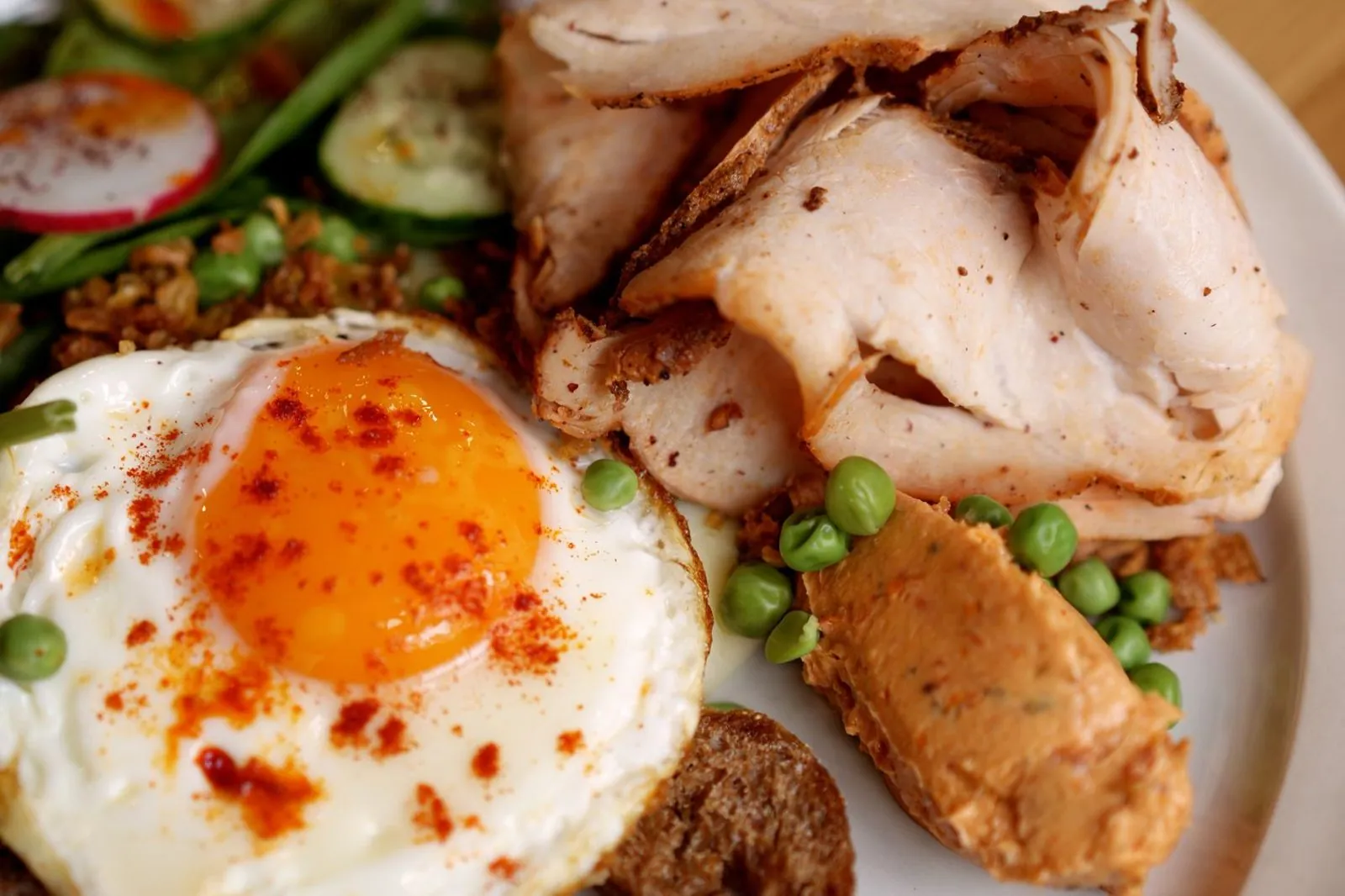
You usually cannot tell from symptoms alone. Tiredness, hair fall, frequent colds or tingling hands have many causes, and several nutrients share the same signs. Only a blood test ordered by a doctor can confirm a deficiency, so use symptoms as a prompt to review your diet and get tested, not to self-diagnose.
These patterns are prompts only:
- Tired, pale, breathless on stairs: check iron-rich foods, and ask about testing iron and B12.
- Tingling hands and feet, mouth ulcers: look at B12 sources, especially if you eat little dairy or egg.
- Bone ache, muscle weakness: think about vitamin D, calcium and sun exposure.
- Hungry soon after every meal: the meal is probably low in protein and fibre, a food fix and not a deficiency.
Nutrient priorities for different people
- Vegetarians and vegans: combine pulses, dairy, nuts and grains for protein, and pair iron foods with vitamin C. Vegans usually need fortified foods or a doctor-guided supplement for B12. See vegan nutrition.
- Women: iron needs rise with periods, pregnancy and breastfeeding, and calcium matters more after menopause. See women nutrition.
- Toddlers and children: small stomachs need nutrient-dense foods, and restrictive diets need medical advice. Start with toddler nutrition.
- People with thyroid conditions: follow your doctor on food and medicines. Our thyroid and nutrition guide covers the food side only.
- People cutting calories: with less food, nutrient quality matters more. An online weight loss trainer can set a pace that protects protein and micronutrients.

When should you see a doctor or registered dietitian?
See your doctor or a registered dietitian for fatigue that does not improve, unexplained weight change, or symptoms like those above. Get advice before changing your diet if you are pregnant, breastfeeding, feeding a child with poor growth, or living with diabetes, kidney, liver or thyroid disease. Never start high-dose supplements or change medicines based on an article.
Frequently asked questions
What is the difference between macronutrients and micronutrients?
Macronutrients are protein, carbohydrates and fat. You need them in grams, and they supply calories. Micronutrients are vitamins and minerals. You need them in milligrams or micrograms, and they supply no meaningful calories. Both are essential, because micronutrients help the body use what macronutrients provide.
What are the six essential nutrients?
The six essential nutrients are carbohydrates, protein, fat, vitamins, minerals and water. Fibre is often listed separately, although it is a type of carbohydrate. A varied Indian diet of grains, pulses, vegetables, fruit, dairy or eggs and a little fat covers most of them on most days.
Which is more important, macronutrients or micronutrients?
Neither. Macronutrients provide energy and building material, while micronutrients allow the body to use them. A shortage of either causes problems, but micronutrient gaps develop slowly and are easy to miss. Aim for a plate with enough protein, whole grains and fat, plus plenty of colourful vegetables and fruit.
Can I get all my nutrients from Indian food without supplements?
Most healthy adults can meet most needs from a varied diet. Common exceptions are vitamin B12 for vegans and vitamin D for people with little sun exposure. Do not guess: ask your doctor for a blood test, and take a supplement only if a gap is found and a dose is advised.
How much protein do I need in a day?
For most healthy adults, about 0.8 g per kg of body weight, which is about 48 g for a 60 kg person. People who train regularly often aim for about 1.2 to 1.6 g per kg, roughly 72 to 96 g at 60 kg. If you have kidney disease or another condition, ask your doctor first.
Want your own nutrient gaps sorted out? Book an online nutritionist consultation with Fitstrot for a plan built around your meals, budget and goals.


