
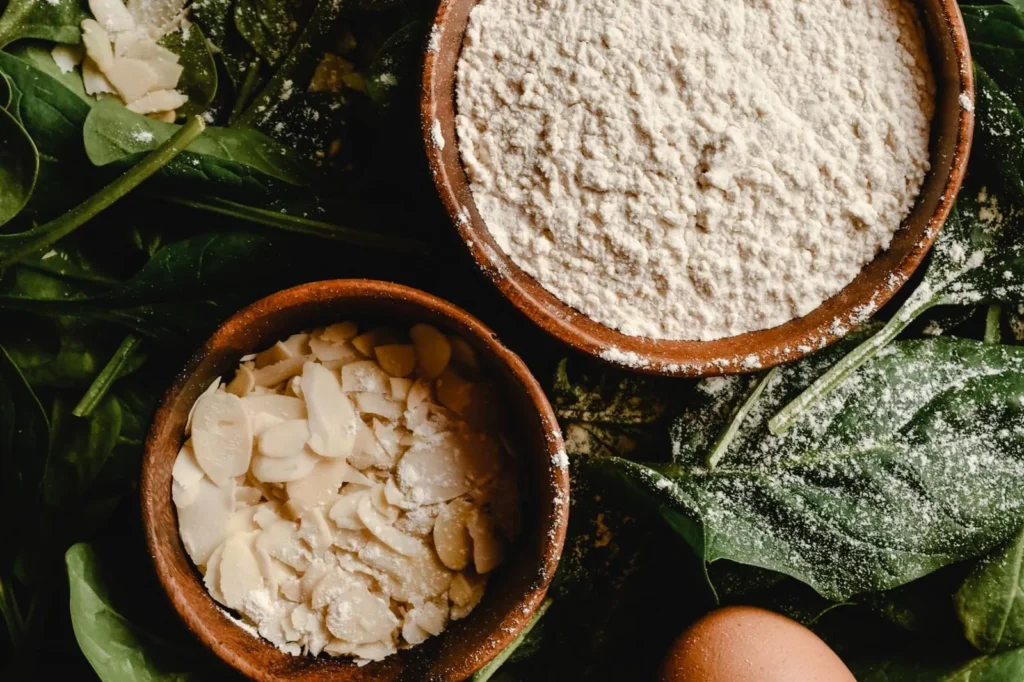
The best hair nutrition food is not exotic. It is dal, eggs or paneer, a handful of seeds, a green sabzi and something sour like lemon or amla, eaten steadily for months. This guide covers which everyday Indian foods supply the nutrients hair follicles depend on, what counts as a real serving, and how to combine them so your body absorbs more of what you eat. Food supports healthy growth, but it cannot promise regrowth, and it will not override genetics, thyroid problems or heavy stress.
This is a food-first reference, not a diagnosis. For the nutrient science behind each food, read our explainers on hair nutrition and nutrition and hair loss. If you are shedding heavily, speak to a doctor or an online nutritionist consultation before you overhaul your plate.
Which foods give your hair the nutrients it needs?
The foods that matter most are protein sources (eggs, dal, paneer, fish), iron sources (dals, leafy greens, sesame, pumpkin seeds), zinc sources (seeds, chana, cashews), omega-3 sources (oily fish, flaxseed, walnuts) and vitamin C fruits (amla, guava, citrus). Cover most groups across a week rather than every food daily.
| Nutrient | Why hair follicles care | Everyday Indian sources | Practical serving (all figures about) |
|---|---|---|---|
| Protein | Hair is mostly keratin, a protein, so a low intake can slow growth | Eggs, paneer, dal, curd, soya chunks, chicken, fish | 2 eggs give about 12 g; 100 g paneer about 18 g; 1 katori cooked dal about 6-8 g |
| Iron | Helps carry oxygen to follicles; low stores are a common reason for diffuse shedding in women | Masoor and moong dal, rajma, palak, methi, til, pumpkin seeds, roasted chana | 1 katori cooked dal about 2-3 mg; 30 g pumpkin seeds about 2.5 mg |
| Zinc | Involved in tissue repair and the oil glands around follicles | Pumpkin seeds, chana, cashews, sesame, curd | 30 g pumpkin seeds about 2 mg; a small handful of cashews about 1.5 mg |
| Omega-3 fats | Keep scalp skin supple and less dry | Bangda, sardines, hilsa, flaxseed (alsi), walnuts, chia | 1 tbsp ground flaxseed about 1.5-2 g ALA; 100 g cooked oily fish about 1-2 g EPA and DHA |
| Vitamin C | Supports collagen and improves iron absorption from plant foods | Amla, guava, orange, mosambi, capsicum, lemon | 1 small amla or 1 medium guava about 100 mg or more |
| Biotin and B-vitamins | Support cell energy; true biotin deficiency is uncommon | Eggs, milk, curd, almonds, peanuts, whole grains | 1 cooked egg about 10 mcg biotin; adult target about 30 mcg a day |
Why do protein, iron and vitamin C come first?
Hair is mostly keratin, so protein is the raw material; iron carries oxygen to follicles; and vitamin C helps you absorb iron from plant foods. Most adults need about 0.8-1 g of protein per kg of body weight daily, so a 60 kg person needs about 50-60 g. Fix these three before buying anything specialised.
Spread protein across the day instead of loading it at dinner. A practical Indian pattern is about 15-20 g at each main meal:
- Eggs: about 6 g protein each, plus biotin and zinc, which makes them the most compact all-round hair food.
- Paneer and curd: paneer gives about 18 g protein per 100 g; a katori of curd adds roughly 4-6 g.
- Dal, rajma, chana: about 13-15 g per cooked cup of rajma or chana, and about 6-8 g per katori of dal, with iron and zinc included.
- Soya chunks: about 25 g protein from a 50 g dry portion, a strong option for vegetarians who dislike eggs.
- Chicken and fish: about 22-27 g protein per 100 g cooked.
Iron comes in two forms. Heme iron from meat, fish and eggs is absorbed noticeably better than non-heme iron from dal, greens and seeds. If you eat mostly plants, your answer is not more of the same food but a smarter pairing: squeeze lemon over dal, end lunch with a guava or orange, or have a small amla alongside. Our guide to protein and nutrition covers daily targets and meal timing in more depth.
Myth check: biotin pills, superfoods and the one-food fix
Myth: biotin is the hair vitamin, so more is better. Biotin deficiency is rare in people eating varied meals, and the usual adult target is only about 30 mcg a day, which eggs, nuts and whole grains largely cover. Taking pills without a confirmed deficiency is unlikely to change your hair, and a doctor should be told if you do take them before blood tests.
Myth: one superfood will fix hair fall. No single food covers protein, iron, zinc and omega-3 together. Eggs come closest, yet they still lack iron and vitamin C in useful amounts. Variety across a week beats a daily ritual of one ingredient.
Myth: protein alone stops shedding. Protein is essential, but if iron, thyroid function, stress or a crash diet is the real driver, extra protein will not fix it. Hair rarely has just one cause.
Myth: raw egg is better than cooked. Raw egg white contains avidin, which binds biotin and blocks its absorption. Cooking removes that problem, so eat eggs boiled, poached or scrambled.
Do zinc and omega-3 foods matter for the scalp?
Yes, as supporting nutrients. Zinc is involved in tissue repair, and omega-3 fats help keep scalp skin supple. Adults need roughly 8-11 mg of zinc a day on common international guidelines; Indian guidelines set it higher for cereal-pulse diets. A daily seed handful and oily fish about twice a week cover much of it.
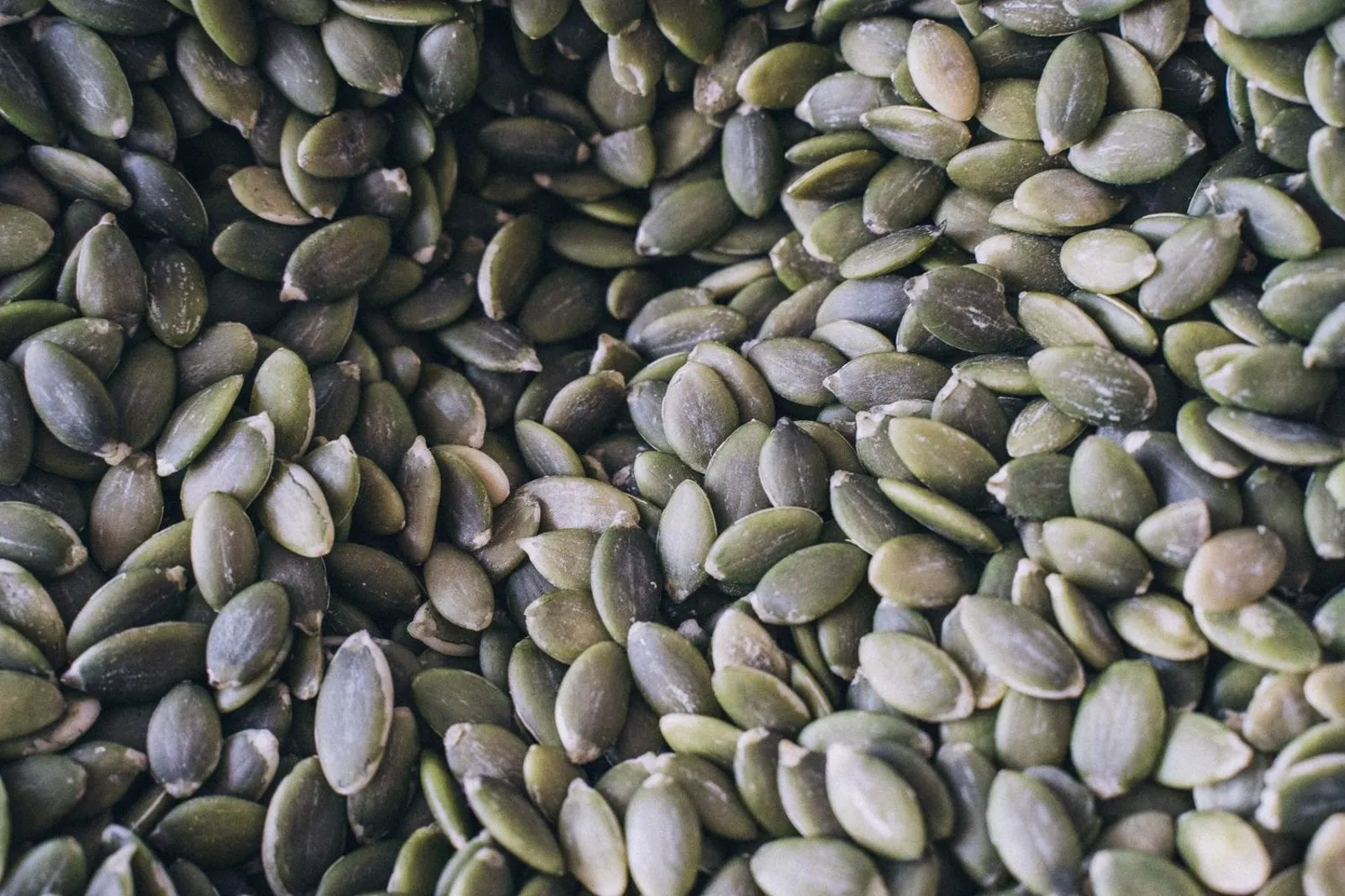
- Pumpkin seeds: about 2 mg zinc per 30 g, easy to roast and sprinkle over poha, curd or salad.
- Chana, cashews, sesame: each adds about 1-2 mg per small serving, so a snack box of roasted chana with cashews is useful.
- Bangda, sardines, hilsa: about 100 g cooked, about two or three times a week, is the most concentrated omega-3 source in an Indian kitchen.
- Flaxseed and walnuts: 1 tbsp ground alsi in roti dough or curd, or about 4-5 walnut halves, supply plant ALA, which your body converts to the longer EPA and DHA fats only in small amounts.
If you eat no fish, flaxseed and walnuts still help, but dose decisions about omega-3 supplements belong with a doctor or dietitian. Our articles on zinc nutrition and omega-3 nutrition go deeper on both.
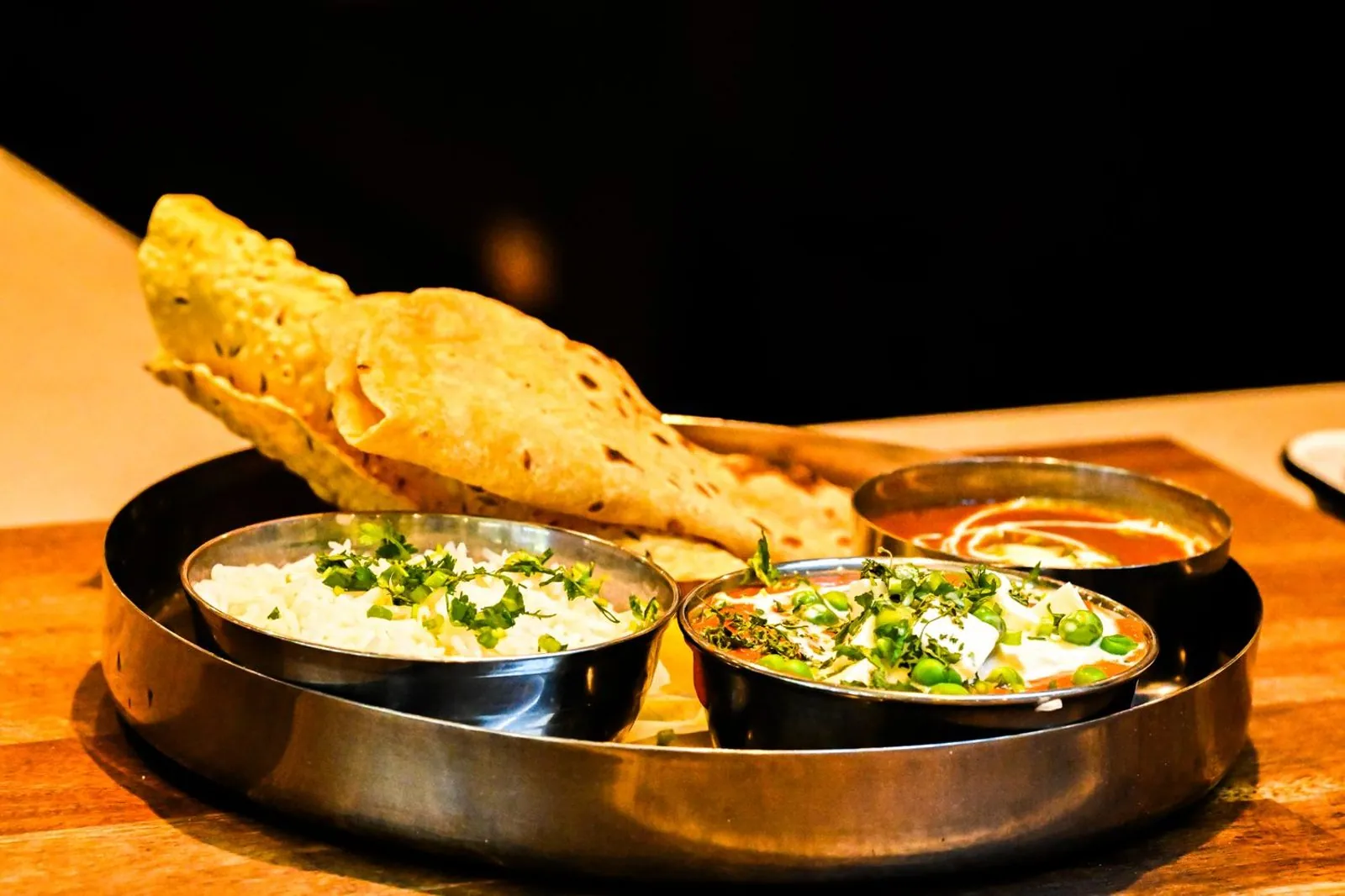
A full day of hair-friendly eating, three ways
You do not need a special diet, just a normal Indian day arranged so that every meal has a protein, a plant colour and a vitamin C partner. Pick the column that matches how you eat.
| Meal | Vegetarian | Eggetarian | Non-vegetarian |
|---|---|---|---|
| Breakfast | 2 moong dal chillas with curd and mint chutney | 2-egg bhurji with 1 roti and a guava | 2 boiled eggs with vegetable poha and lemon |
| Lunch | 1 katori dal, palak sabzi, 2 rotis, lemon on the side | 1 katori dal, methi sabzi, 2 rotis, salad with lemon | Fish curry (about 100 g fish), rice, a green sabzi, lemon |
| Snack | About 30 g roasted chana and 15 g pumpkin seeds, or 1 small amla | Curd with 1 tbsp ground flaxseed, plus an orange | Handful of almonds and walnuts, plus a guava |
| Dinner | About 100 g paneer-capsicum sabzi with 2 rotis | Egg curry (2 eggs) with 2 rotis and tomato salad | Chicken curry (about 100 g) with 2 rotis and a sabzi |
| Rough protein | About 55-70 g | About 55-65 g | About 60-75 g |
Rotate fish, eggs and paneer through the week rather than repeating one dinner. Consistency matters more than any single day, because hair grows only about 1 cm a month and the effect of better eating shows up slowly.
Absorption tricks: what helps and what gets in the way
Eating iron and zinc is only half the job; absorption decides how much you keep. These habits cost nothing and fit into normal Indian cooking.
| Habit | Why it matters | Easy Indian version |
|---|---|---|
| Add vitamin C to iron meals | Raises absorption of plant iron | Lemon over dal, guava or orange after lunch, a small amla with the meal |
| Keep tea and coffee away from iron-rich meals | Tannins reduce plant iron absorption | Leave about 1 hour between chai and your dal-sabzi lunch |
| Soak, sprout or ferment legumes | Cuts phytates that hold back zinc and iron | Sprouted moong, idli and dosa batter, soaked rajma and chana |
| Cook eggs fully | Avoids avidin blocking biotin | Boiled, bhurji or omelette rather than raw or runny |
| Spread protein across meals | Gives follicles a steadier supply | About 15-20 g at breakfast, lunch and dinner |
| Cook acidic dishes in an iron kadhai | Adds a small amount of iron to the food | Tomato-based sabzi or sambar, but not as a replacement for iron-rich foods |
Troubleshooting: you eat well and your hair still sheds
If a food-first plan seems to do nothing, check these before blaming your diet or buying a supplement.
- Crash dieting or rapid weight loss. Cutting calories and protein sharply can trigger shedding that appears about 2-3 months later. A steady, protein-adequate plan, like the one in our nutrition food for weight loss guide, protects hair, and an online weight loss trainer can pace it safely.
- A recent trigger. High fever, surgery, childbirth or serious illness can cause heavy shedding months afterwards, whatever you eat.
- Thyroid, PCOS or iron-deficiency anaemia. These conditions are diagnosed by blood tests, not by food logs, and treating them is a doctor’s job.
- Stress and poor sleep. Months of high stress or short sleep can show up in your hair even with a good plate.
- Genetics. Pattern-type thinning is largely hereditary. Good food keeps the hair you have healthy but will not reverse it.
See your doctor or a registered dietitian if you notice sudden heavy shedding, bald patches, scalp pain, rash or scaling, or hair loss with tiredness, missed periods, or unexplained weight change. Also speak to them before changing anything if you take regular medication. Do not stop or adjust any medicine because of a food article, and do not start high-dose supplements without a blood test.
Who should adjust what: women, men and vegetarians
Women are more likely to run low on iron because of menstrual blood loss, so iron foods plus a vitamin C partner deserve priority, and a blood test is worth asking about. Men with pattern thinning benefit from steady protein and zinc, but should not expect food to reverse genetic loss; our piece on hair nutrition for men covers that case. Vegetarians should lean on dal, chana, seeds, curd and the absorption tricks above. Vegans need a dependable vitamin B12 source, and the right way to get it is worth settling with a doctor or dietitian.
Not sure which gap is yours? Book an online nutritionist consultation with Fitstrot and get a food plan built around your own meals and blood reports.
FAQs
Which single food is best for hair?
No single food covers everything hair needs. Eggs come closest, with about 6 g protein, biotin and zinc each, but they lack useful iron and vitamin C. A varied week of dal, eggs or paneer, seeds, greens and citrus does more than any one superfood.
Can vegetarians get enough hair nutrition from food?
Yes, with planning. Dal, rajma, chana, paneer, curd, soya, seeds and leafy greens cover protein, iron and zinc. Pair them with vitamin C, soak or sprout legumes, and keep chai away from meals. Vegetarians who feel fatigued or shed heavily should ask for a blood test.
How long do diet changes take to show in your hair?
Expect about 3-6 months. Hair grows only about 1 cm a month and shedding runs in cycles, so any change shows up slowly. If shedding has not eased after about 6 months of steady eating, see a doctor rather than adding more products.
Does tea or coffee affect iron from hair-friendly foods?
Yes. Tannins in tea and coffee reduce absorption of plant iron when taken with the meal. You do not need to quit; leave about 1 hour between chai or coffee and iron-rich meals such as dal, rajma or palak.
Should I take biotin or hair vitamin supplements?
Food first. Supplements make sense mainly when a blood test shows a deficiency, and your doctor should guide the choice. Many people get enough biotin from eggs, nuts and whole grains, and high-dose supplements can interfere with some lab results.
Next step: share your usual weekday meals with a Fitstrot nutritionist and get a simple, food-first hair nutrition plan you can follow in your own kitchen. Book your nutritionist consultation.


