
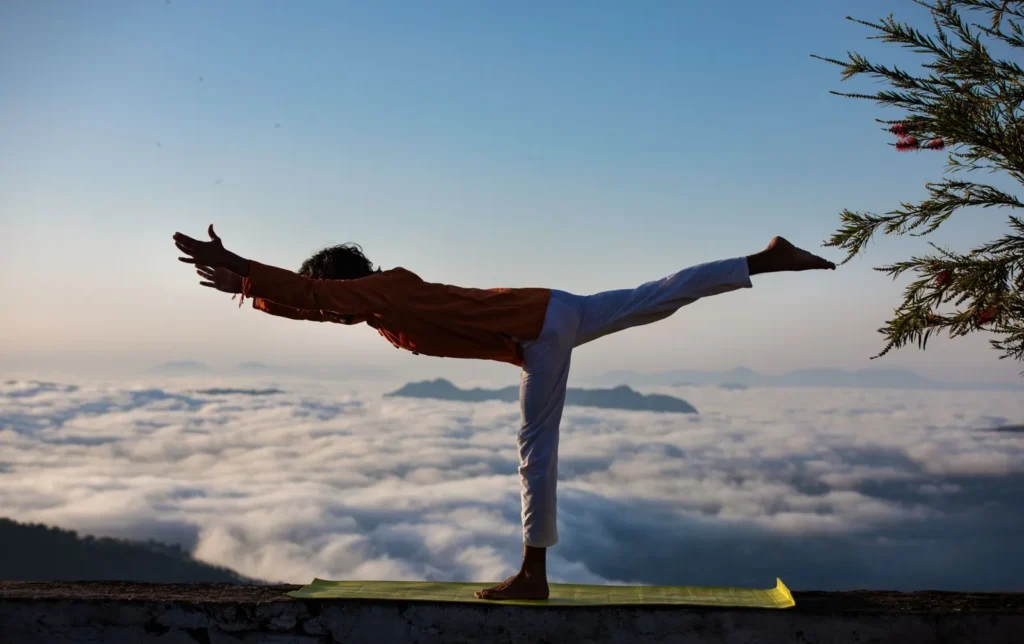
The yoga and ayurveda connection comes from a shared root in the Vedic tradition of ancient India. Yoga is a discipline of posture, breath and attention. Ayurveda is a traditional system of health and daily living built around digestion, routine and the three doshas. Together they are often called sister sciences. This guide explains the doshas, how they are used to shape a yoga practice, and where tradition ends and proven science begins. It is educational, not medical advice.
What is the connection between yoga and Ayurveda?
Yoga and Ayurveda share Vedic origins and a common aim: a balanced, steady life. Yoga trains the mind and body through asana, pranayama and meditation. Ayurveda guides diet, sleep, routine and seasonal habits. In practice, Ayurveda asks what your body needs today, and yoga offers ways to meet that need.
The name Ayurveda joins ayus (life) and veda (knowledge). Its classical texts, the Charaka Samhita and Sushruta Samhita, deal with health and medicine. Yoga’s best-known systematic text is Patanjali’s work, which we cover in our guide to the yoga sutra. The two traditions overlap in areas such as breath, digestion, daily rhythm and the idea that mind and body affect each other.
What are the three doshas?
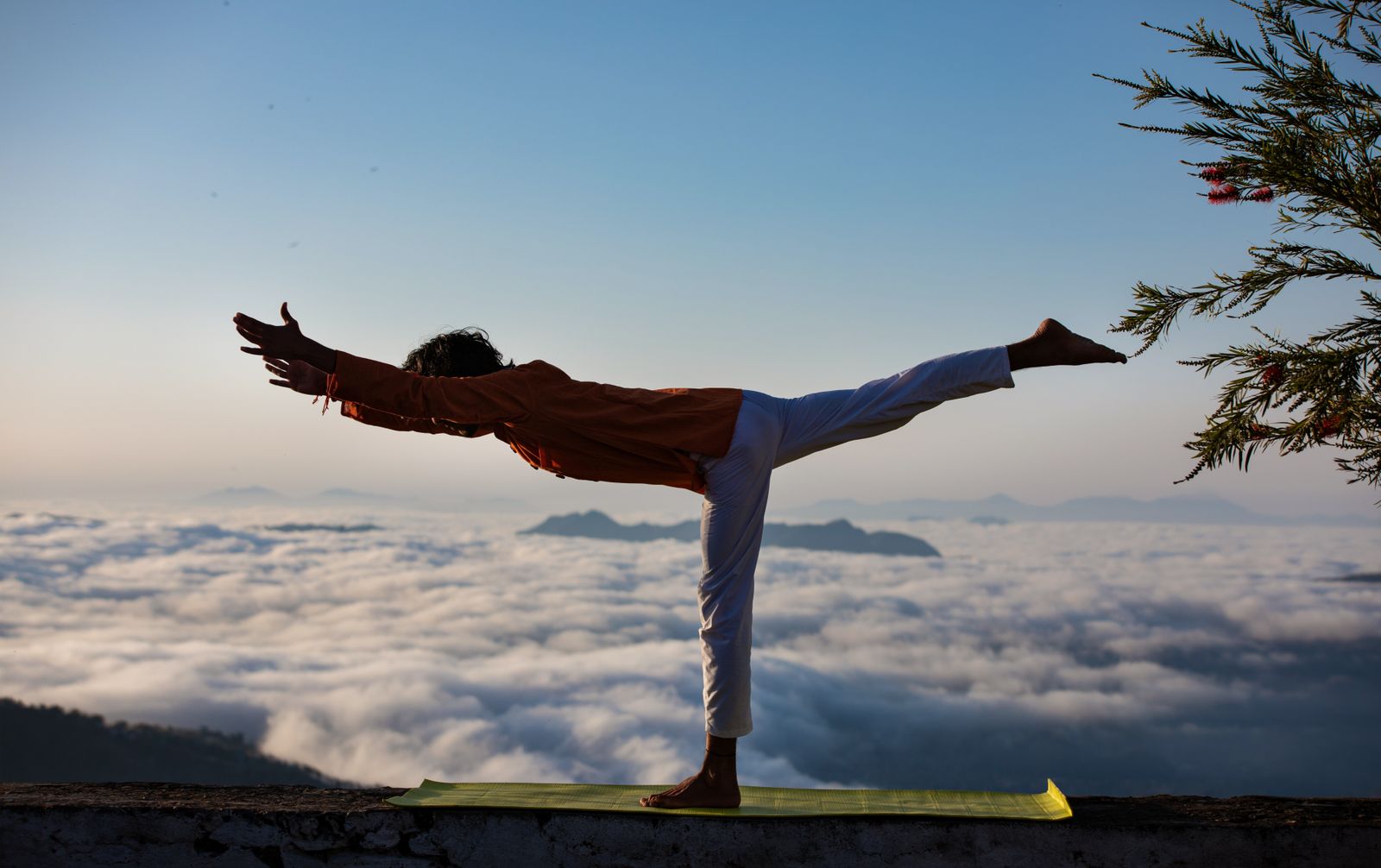
The three doshas are vata (air and space), pitta (fire and water) and kapha (earth and water). In Ayurveda each person has all three, usually with one or two leading. They describe tendencies in build, appetite, energy and temperament. They are a traditional framework, not a laboratory measurement.
| Dosha | Quality | Traditional tendencies | When “high”, people describe | Yoga pace usually suggested |
|---|---|---|---|---|
| Vata | Light, dry, moving | Slim, quick, creative, irregular appetite | Worry, restless sleep, dry skin, gas | Slow, warm, steady, grounding |
| Pitta | Hot, sharp, intense | Medium build, focused, strong appetite | Irritability, overheating, perfectionism | Cooling, relaxed, non-competitive |
| Kapha | Heavy, steady, cool | Sturdy, calm, slow to change | Sluggishness, heaviness, low motivation | Warming, brisk, varied |
Everyone shows traits of all three, and these descriptions are general patterns, not diagnoses. Treat them as prompts for self-observation instead of labels.
Does your dosha decide which yoga you should practise?
Not strictly. Dosha is traditionally seen as a shifting state that changes with season, stress, age and sleep, not a fixed type. Dosha-matched yoga is a thoughtful way to adjust pace and intensity, but it has not been proven to work better than simply choosing a style you enjoy and can do consistently.
This is the most common misunderstanding. Online dosha quizzes give a rough guess at best. Two people can score “pitta” and need quite different practices because of injuries, age or fitness. Use the dosha idea as a lens: on a wired, anxious week you might slow down, and on a heavy, unmotivated week you might add movement. If the result tells you to avoid a style you love and thrive in, trust your experience.
Which yoga style suits which dosha?
Traditionally, vata is calmed by slow, warm, steady practice; pitta by cooling, unhurried sessions without competition; and kapha by brisk, warming, varied sequences. These are suggestions for matching intensity to how you feel, not prescriptions. The table maps familiar styles onto those ideas.
| If you feel | Style to consider | Tempo and holds | Breath | Best time |
|---|---|---|---|---|
| Anxious, scattered (vata) | Hatha yoga or restorative yoga | Slow, 5-8 breaths per pose, simple transitions | Slow, even breathing, longer exhale | Same time daily, ideally morning |
| Overheated, irritable (pitta) | Gentle flow, moon salutations, twists | Moderate, avoid pushing limits | Slow nasal breathing | Early morning or evening, cooler hours |
| Heavy, unmotivated (kapha) | Vinyasa or power yoga | Brisk, short holds, 3-5 breaths | Active but comfortable nasal breathing | Morning, before the day slows you down |
| Not sure | Beginner hatha, see yoga for beginners | Moderate, listen to your body | Natural breath | Whatever you will keep doing |
For a wider comparison of styles, see our guide to the types of yoga.
How do breath and prana connect the two systems?
Both traditions treat breath as a direct lever on the nervous system. Yoga uses pranayama such as alternate nostril breathing to calm or energise, while Ayurveda sees breathing as a way to influence the doshas and digestion. Slow, even breaths generally calm; fast, forceful breaths stimulate.
A practical rule: if you feel wound up, lengthen your exhale and slow down. If you feel dull, use more active but comfortable breathing. Forceful techniques such as kapalabhati are not suitable for everyone. If you are pregnant, or have high blood pressure, a heart condition, hernia, epilepsy or breathing problems, check with your doctor and learn from a qualified teacher before trying them. Begin gently and stop if you feel dizzy.
How does Ayurvedic eating fit around yoga practice?
Ayurveda places digestive strength, called agni, at the centre of health. For yoga, the practical lessons are simple: eat a light, warm, freshly cooked meal about 2-3 hours before practice, avoid heavy or very spicy food right before class, and leave about 30 minutes after practice before a proper meal.
Traditional advice also suggests eating at regular times, keeping lunch as the main meal and dinner lighter. Many yoga schools favour mostly vegetarian food, partly through the principle of ahimsa. Nothing here requires special products or expensive supplements, and a normal home-cooked Indian diet with dal, vegetables, whole grains and curd already fits these ideas. For a deeper look at food choices, see our guide to the gunas in yoga, which links food quality to mental states.
What does an Ayurvedic daily routine look like with yoga?
Ayurveda calls the daily routine dinacharya. A simple version means a consistent wake time, some movement or yoga, a regular lunch, a lighter early dinner and a steady bedtime. The table shows how traditional ideas translate into a realistic day, and nobody needs to follow every step.
| Time | Traditional idea | Practical yoga version |
|---|---|---|
| 6-7 am | Wake early, warm water, personal hygiene | Wake at a fixed time, drink warm water |
| 7-8 am | Movement and breath before the heavy morning hours | 20-30 minutes of asana plus 5 minutes of slow breathing |
| 12-1 pm | Main meal when digestion is strongest | Dal, sabzi, grain and curd, eaten without screens |
| 5-6 pm | Light, gentle activity or walking | 10-minute stretch or a restorative session |
| 7-8 pm | Light early dinner | Khichdi or soup, finished 2-3 hours before bed |
| 10 pm | Consistent sleep | Screens off, 5 minutes of quiet breathing |
If you prefer guided sessions, an early-morning online yoga class is an easy way to anchor the habit.
How do yoga and Ayurveda share philosophy?
Both traditions draw on Samkhya ideas about consciousness and nature, and both aim at balance rather than extremes. The three gunas, sattva, rajas and tamas, describe qualities of mind, food and environment. The Bhagavad Gita calls yoga evenness of mind, which echoes the Ayurvedic goal of balance.
You do not need to study Sanskrit to benefit. The shared message is practical: what you eat, how you move, how you breathe and how you sleep all affect each other. Look at our overview of the benefits of yoga to see which of those effects are best supported by everyday experience and research.
What does the evidence actually say?
Yoga has a reasonable evidence base for stress, flexibility and general wellbeing. Ayurveda is more mixed. Its lifestyle advice on regular routines, sleep, mindful eating and moderate movement matches general health guidance, but the dosha system and individual herbal treatments have not been established by rigorous trials.
That honesty matters. Dosha-based yoga is best treated as a useful organising idea, not a medical method. Neither tradition is a substitute for treatment of a diagnosed condition. Do not stop or change prescribed medicine because of yoga or Ayurvedic advice, and do not expect either to cure disease.
Why does my practice feel wrong even when I match my dosha?
If a “matched” practice feels wrong, the usual causes are not dosha at all: poor sleep, a heavy meal too close to class, dehydration, an old injury, stress or pushing too hard. Adjust the basics first, then change style only if the problem persists for a few weeks.
- Treating dosha as fixed: your state shifts with season, stress and sleep, so the right practice shifts too.
- Copying someone else’s routine: herbs, oils and detox protocols suit individuals differently. Copying a friend’s plan is the quickest route to discomfort.
- Chasing a quick fix: both traditions work through weeks and months of consistency, not a single dramatic week.
- Over-intensity: more is not better, especially for beginners and anyone with joint pain.
When should you see a qualified practitioner?
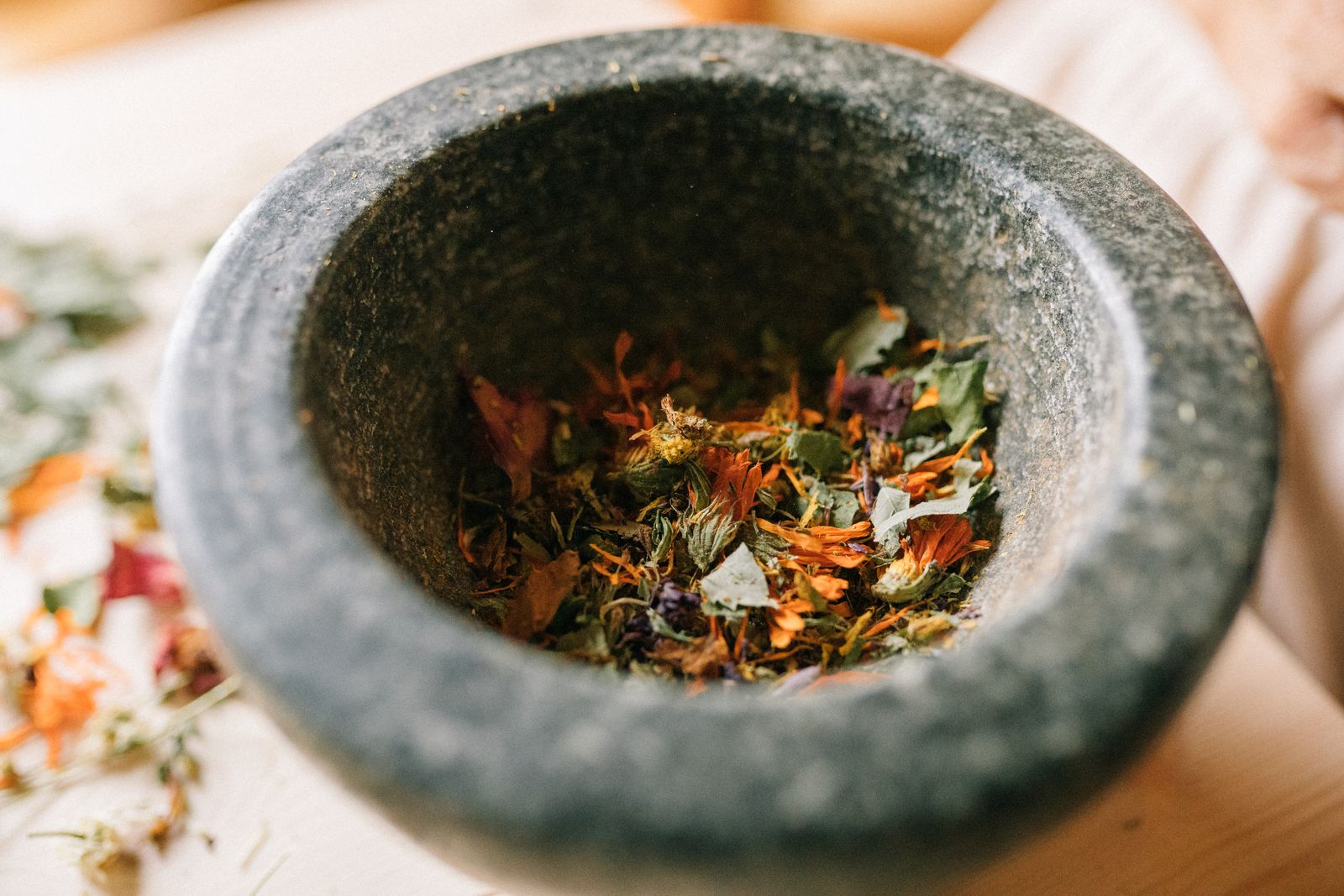
See a qualified Ayurvedic practitioner or doctor before using any herbal preparation, oil therapy or detox such as panchakarma, especially if you take regular medicines, are pregnant or breastfeeding, or have a chronic condition. Herbs can interact with medicines, and “natural” does not mean risk-free.
See your doctor first, too, if you have pain, dizziness, breathlessness or a new symptom. A yoga teacher can adjust a practice but cannot diagnose. Ask for credentials, and be cautious of anyone who promises a cure, asks you to stop prescribed medicine or sells expensive packages.
How can you start combining them at home?
- Observe before labelling. For a week, note your sleep, appetite and mood. Use that, not just a quiz, to see whether you lean restless, intense or sluggish.
- Match the pace. Slow down when wired, cool down when overheated and add energy when heavy.
- Anchor a time. Practise at the same time each day, ideally in the morning, for at least two weeks.
- Fix the meal gap. Keep 2-3 hours between a full meal and practice.
- Choose breath carefully. Calming breath on busy days, gentle active breath on dull days, and skip forceful techniques if any caution applies to you.
- Keep the sequence simple. Ten to twenty minutes of familiar poses, done regularly, beats an elaborate routine you abandon.
Frequently asked questions
Is Ayurveda part of yoga or a separate system?
They are separate but closely related systems with shared Vedic roots. Ayurveda focuses on health, diet and daily routine, while yoga focuses on posture, breath and meditation. That is why they are often called sister sciences.
How do I find out my dosha?
Online questionnaires give a rough estimate based on body frame, digestion, sleep and temperament. For a more careful assessment, consult a qualified Ayurvedic practitioner, and remember that dosha is a traditional idea, not a proven medical test.
Can yoga balance my doshas without Ayurvedic diet changes?
In the traditional view, yoga helps through pace, breath and timing, but diet and routine work alongside it. Whether you use the dosha framework or not, regular practice, sound sleep and balanced meals are a sensible combination.
What is the difference between Ayurvedic yoga and a regular yoga class?
A regular class follows a general sequence, while an Ayurvedic-informed approach adjusts pace, intensity and timing to how you feel. The poses are largely the same, so the difference lies mainly in how the practice is chosen and paced.
Do I need to see an Ayurvedic doctor before combining yoga and Ayurveda?
Not to adjust your yoga pace or meal timing. You should see a qualified practitioner or doctor before using herbs, detox programmes or any remedy alongside medicines, or if you have a medical condition or are pregnant.
The yoga and ayurveda connection is most useful when it helps you listen to your body and practise consistently. To try a paced practice with a teacher, join a live online yoga class with Fitstrot and tell your instructor how you are feeling that day.


