

If you check your readings at home or at a clinic, you already know the numbers swing with sleep, stress, tea, salt and a rushed morning. Yoga for blood pressure is best understood as a calm, repeatable daily habit that sits alongside your doctor’s plan, not a treatment of its own. This guide covers gentle practice, simple everyday habits, who should skip certain poses, and when to call your doctor.
Can Yoga Help With Blood Pressure?
Gentle yoga, especially slow breathing and relaxed postures, can support healthy blood pressure habits by helping you manage stress, sleep better and stay active. It is a supportive practice, not a cure and not a replacement for medicines or check-ups. Benefits build over weeks of regular, unhurried practice rather than from any single session.
The reasoning is simple. Stress makes the body tense and breathing shallow. Slow, steady breathing and long holds in comfortable shapes nudge the body towards its “rest and digest” state, which is why a calm 20-minute practice often feels like a reset. It will not undo years of high salt intake, and it should never be a reason to change a prescription. If you want the version of this topic written specifically around a diagnosis, see our separate guide on yoga for high blood pressure. This page is about the everyday side: routine, pacing and habits.
A Gentle One-Week Routine at a Glance
A short plan you can repeat beats an ambitious one. This week has easy sessions, one rest day and a slightly longer Saturday. Keep every session comfortable enough to hold a conversation.
| Day | Focus | Time | Key cue |
|---|---|---|---|
| Monday | Slow breathing and seated stretches | 15 min | Exhale longer than you inhale |
| Tuesday | Gentle standing and floor poses | 20 min | Move at half your usual speed |
| Wednesday | Short walk plus 5 min breathing | 25 min | Walk at a talking pace |
| Thursday | Restorative poses with props | 20 min | Let cushions do the work |
| Friday | Slow breathing and Shavasana | 15 min | Stay put for the final 5 minutes |
| Saturday | Full gentle sequence (see below) | 25-30 min | Never hold your breath |
| Sunday | Rest or an easy evening walk | 10-20 min | Keep it optional |
Which Yoga Asanas for Blood Pressure Are Gentle Enough to Start With?
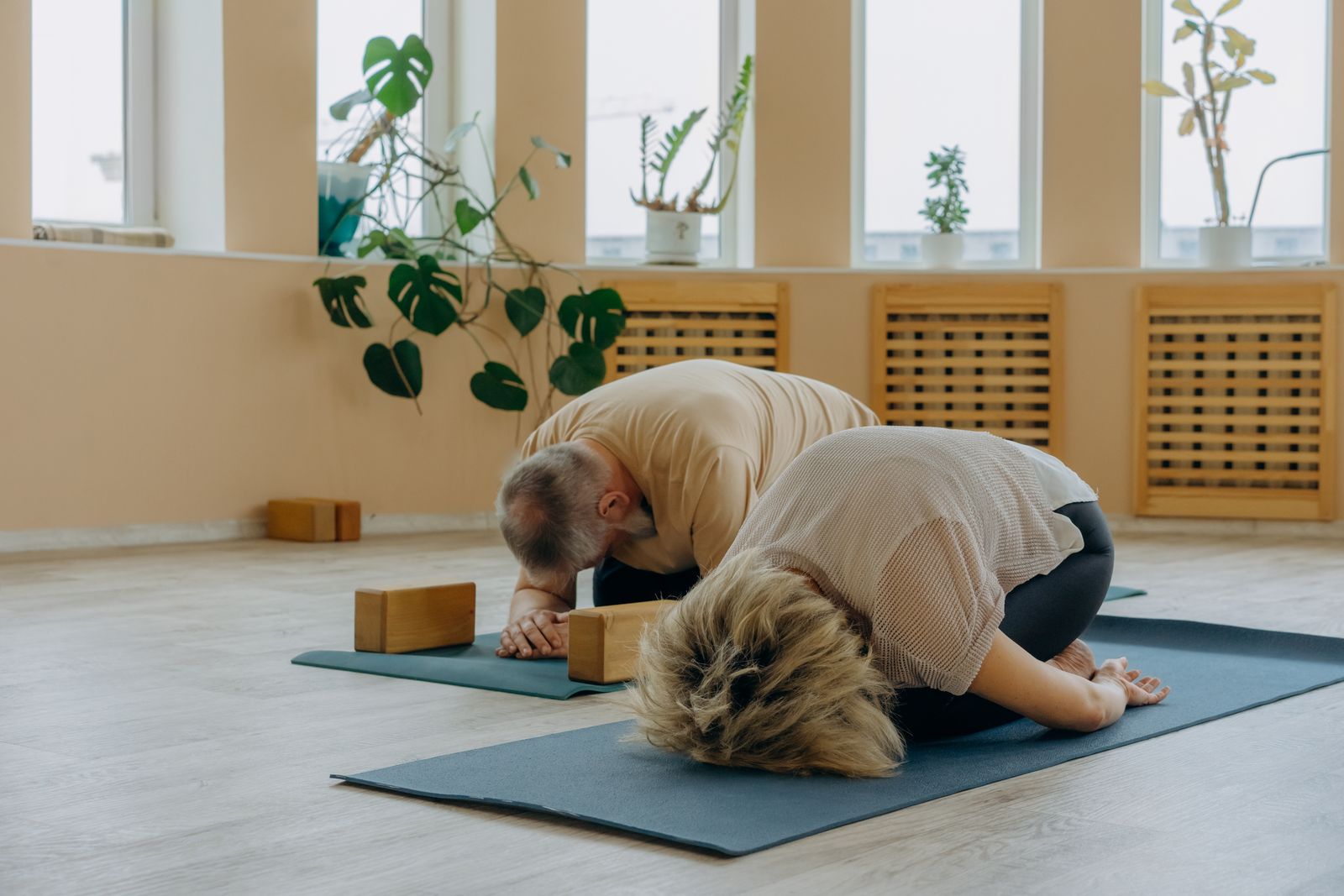
Comfortable, low-effort shapes work best: Sukhasana (easy seated pose), Balasana (child’s pose with a bolster), Viparita Karani (legs up a wall, head level with the heart), supported Setu Bandhasana, Cat-Cow and Shavasana. Hold each for roughly 30 seconds to 3 minutes, breathe slowly through the nose, and stop if anything feels strained.
| Practice | How to do it | Typical hold | Watch for |
|---|---|---|---|
| Sukhasana with breath | Sit tall on a folded blanket, breathe into the belly | 3-5 min | Knee or hip strain; sit higher |
| Marjaryasana-Bitilasana (Cat-Cow) | On hands and knees, move with the breath, one breath per movement | 8-10 rounds | Wrist discomfort; use fists or a folded mat |
| Balasana (child’s pose) | Knees wide, forehead on a pillow, arms relaxed | 1-3 min | Pressure in the head; raise the support |
| Viparita Karani | Hips near a wall, legs resting up, cushion under the hips if comfortable | 3-5 min | Numb feet or dizziness; come down slowly |
| Supported Setu Bandhasana | Lie on your back, rest hips on a bolster or stack of pillows | 1-2 min | Neck or lower-back strain |
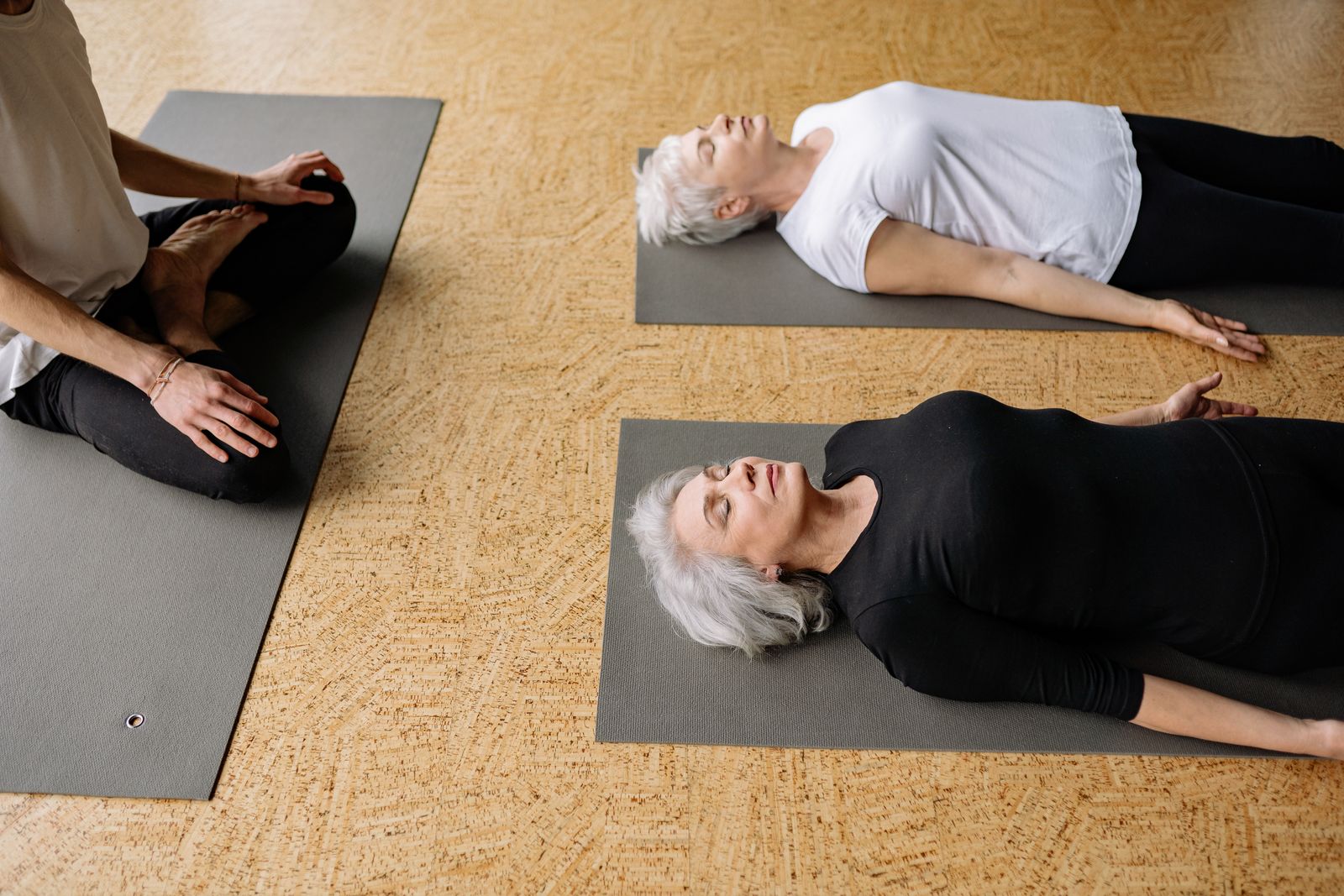
| Shavasana | Lie flat, arms away from the body, let the breath go natural | 5-10 min | Rise slowly, via your side |
If back stiffness limits you, the cues in yoga for back pain pair well with these shapes, since both lean on slow, supported positions.
Common Myths About Yoga and Blood Pressure
Myth: more intense means better. Hard, fast or heated practice raises your heart rate, the opposite of the calm you are after. Gentle and regular beats sweaty and occasional.
Myth: yoga lets you stop your tablets. It does not. Never reduce, skip or stop a medicine because you have started yoga. Any change to treatment is a decision for your doctor.
Myth: one breathing trick fixes a bad reading. A few slow breaths may help you feel calmer, but one reading says little about your long-term picture. Take readings the way your doctor advised.
Myth: headstands and fast breathing are “advanced” and therefore better. For anyone who monitors blood pressure, they are usually the first things to leave out.
How Do You Do a 25-Minute Gentle Session, Step by Step?
A calm 25-minute session can run as follows: 3 minutes of seated breathing, 5 minutes of Cat-Cow and gentle seated twists, 5 minutes of Balasana and supported bridge, 4 minutes of legs up the wall, then 8 minutes of Shavasana. Keep the breath slow and never hold it.
- Settle (3 minutes). Sit comfortably, close your eyes or soften your gaze, and breathe in through the nose for about four counts and out for about six. Let the belly rise and fall.
- Warm the spine (5 minutes). Move through Cat-Cow slowly, then add a gentle seated side bend and a light seated twist, a few breaths each side.
- Rest and fold (5 minutes). Take Balasana with a pillow under the forehead, then lie back for a supported bridge with a cushion under the hips.
- Legs up (4 minutes). Bring your hips near a wall and rest your legs up, with the head level. Come out by bending the knees and rolling to one side.
- Shavasana (8 minutes). Lie flat, cover yourself if cool, and let the breath be natural. Rise slowly, sit for a few breaths, then stand.
To build the attention side of the habit, our meditation for beginners guide offers simple ways to extend that final stillness.
Is Pranayama for Blood Pressure Safe?
Slow, relaxed pranayama such as diaphragmatic breathing, Bhramari (humming bee breath) and gentle Anulom Vilom without breath holding is generally considered a safe, calming option for most adults. Fast or forceful techniques like Kapalabhati and Bhastrika, and any long breath retention, are better avoided unless your doctor and a qualified teacher approve.
A few practical rules keep breathing practice comfortable:
- Breathe through the nose and keep the face and shoulders soft.
- Make the exhale a little longer than the inhale, never forced.
- Skip breath holds; let one breath flow into the next.
- Stop and breathe normally if you feel light-headed, tingly or tight in the chest.
Everyday Habits That Work Alongside Your Practice
What you do away from the mat matters as much as what you do on it. These small swaps suit an Indian kitchen and are easy to discuss with your doctor or dietitian. They are habits, not prescriptions.
| Everyday area | Simple habit to try | Easy Indian-home example |
|---|---|---|
| Salt and packaged food | Go lighter on very salty items | Smaller portions of achar, papad, namkeen and instant noodles |
| Movement | Walk daily at an easy pace | A 20-30 minute walk after dinner |
| Sleep | Keep a regular bedtime and wake time | Phone away 30 minutes before bed |
| Stimulants | Notice how tea, coffee and energy drinks affect you | Fewer cups of strong chai late in the day |
| Fruit, veg and fibre | Fill half the plate with vegetables | Dal, sabzi, salad and a smaller roti portion |
| Home readings | Check at the same times, seated and rested | Same chair, quiet room, before your morning chai |
| Alcohol and tobacco | Cut down, ideally quit, with support | Ask your doctor about help to stop smoking or chewing tobacco |
If your goal also includes a healthy body weight, our yoga for weight loss guide shows how gentle practice fits with weight management.
Who Should Avoid or Modify Yoga Practice?
Check with your doctor before starting any yoga routine, and skip or modify poses, if any of the following apply to you. This list is not complete, and a doctor who knows your history can say more than a general article can.
- Your readings have been unusually high, unstable or unexplained, or you have not yet been assessed by a doctor.
- You have a heart condition, past heart problem, stroke, kidney disease, eye conditions such as glaucoma, or a retinal problem.
- You take medicines that can cause dizziness or a slow heartbeat.
- You are pregnant or recently gave birth.
- You have back, neck or balance problems that make floor work or rising from the floor difficult.
- You often feel faint when standing up.
In all these cases, avoid headstand, shoulder stand, long inversions, hot classes, fast flows, forceful breathing and breath retention until a doctor says otherwise.
See Your Doctor If This Happens
Please speak to your doctor promptly if you notice any of these. Yoga is not an emergency measure, and no pose or breathing exercise replaces medical care.
- You are newly diagnosed, or have not had your readings reviewed recently.
- You get chest pain or pressure, severe breathlessness, fainting, sudden weakness, difficulty speaking or a sudden severe headache. These need urgent medical help, so call emergency services or go to the nearest hospital, and do not wait to finish a session.
- You feel dizzy or very tired after practice, or get a pounding or irregular heartbeat.
- Your home readings keep changing or worry you.
- You are thinking about changing, skipping or stopping any medicine. Do not do this without your doctor’s advice.
Tell your yoga teacher about your condition and medicines before the first class.
What Should You Do If Practice Makes You Dizzy or Uncomfortable?
If you feel dizzy, stop, sit or lie down, and breathe normally. Drink some water, wait several minutes, and rise slowly. If the feeling is strong, repeats, or comes with chest discomfort or fainting, stop practising and contact a doctor, because gentle yoga should never leave you unwell.
- Lightheaded on standing: come up in stages, rolling to one side and sitting before standing. This also applies if you tend to run low rather than high.
- Headache or pressure in the face: make any fold shallower or skip it, and keep the head above the heart.
- Breathless in breathing practice: shorten the counts and return to natural breathing.
- Heavy after a meal: leave 2 to 3 hours after a large meal before practising.
Which Style of Yoga Suits Someone Who Monitors Blood Pressure?
Slower styles such as restorative, yin and gentle hatha are usually the most comfortable choices, because they use long holds, props and relaxed breathing. Faster styles like vinyasa and power yoga raise the heart rate and are better only after your doctor agrees and the teacher can modify the pace.
Restorative yoga uses bolsters and blankets so you can rest in each pose. Yin yoga holds floor poses for a few minutes, but should be gentle and never forced. Hatha yoga at a steady pace is a good all-round option. If your doctor agrees, you could later try a softened vinyasa yoga or power yoga class, with slow transitions, no breath holding and permission to rest anytime. Hot yoga and very vigorous classes are best left out unless your doctor clears them.
For the wider picture, see the benefits of yoga. If you also manage blood sugar, the cautions in yoga for diabetes are worth reading too.
Frequently Asked Questions
How often should I practise yoga for blood pressure support?
Most beginners do well with 4 to 6 short sessions a week of about 15 to 30 minutes, with at least one easy or rest day. Regular, gentle practice over many weeks matters more than long sessions. Build up slowly, and ask your doctor if you are unsure what suits you.
What is the best time of day for yoga for blood pressure?
The best time is the one you can keep up. Morning practice sets a calm tone, but wait until you are fully awake and have had water. Evening practice can help you unwind, but leave 2 to 3 hours after a heavy meal.
Can yoga help with low blood pressure too?
Gentle yoga can feel pleasant for people who run low, but the focus is different: move slowly, avoid long holds that leave you light-headed, stay hydrated and always rise in stages. If you often feel faint, speak to your doctor before starting, since fainting can have several causes.
Should I measure my blood pressure before or after yoga?
Follow your doctor’s advice on when to check. For tracking over time, many people measure at the same time each day, seated and rested, not straight after practice. A reading right after a session can be lower simply because you are relaxed, so it may not reflect your usual pattern.
Can I do yoga online instead of in a studio?
Yes, a live online class can work well if the teacher knows your health background, can watch your form and adjusts poses and breathing for you. Tell the instructor about your condition and medicines before you begin, and keep a chair, bolster and wall nearby.
Start Gently, With Guidance
If you would like slow, supported sessions with a teacher who adapts each pose to you, try a live class with our online yoga classes and share your health background on day one.


