

A zumba instructor course is the training that teaches you how to lead a licensed Zumba class: core rhythms, clear cueing, building a class around music and keeping a mixed-level room safe. It is not a degree, and it does not guarantee work. This guide explains, in general terms, what a Zumba instructor licence involves, how the course, the licence and the instructor network fit together, and what to confirm with the official Zumba website before you pay. Fees, dates and rules change, so we quote no prices here.
What is a zumba instructor course, and what does the licence cover?
A zumba instructor course is a training run by Zumba, usually beginning with Basic 1, which covers core rhythms, cueing and class structure. Completing it is the first step towards a licence to teach Zumba-branded classes. Staying licensed generally means joining the instructor network and following its terms, which can change, so check current rules.
It helps to separate four things that people often blur together. The training is the course you attend. The licence is your permission to teach under the Zumba name. The instructor network is the membership that typically supplies new choreography and music and keeps you connected to the programme; our explainer on what is ZIN covers it in detail. Finally, specialty formats are extra trainings for classes that differ from the standard party-style session.
A typical Zumba class runs for about 45 to 60 minutes, and everything in the course points at that one skill: leading a room through that hour clearly, safely and with energy.
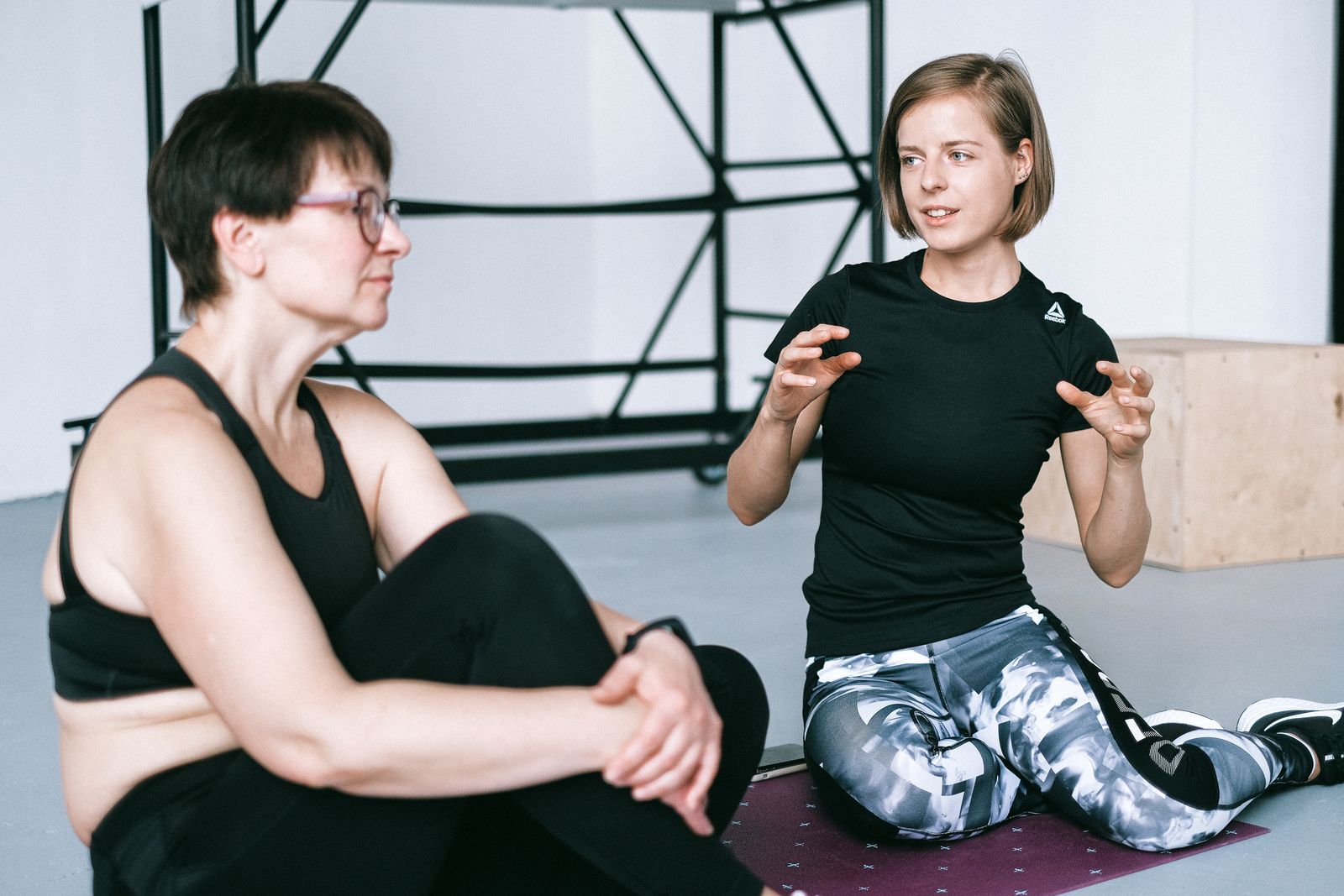
The path at a glance
The table below shows how the pieces usually connect. Treat it as a map, not a rulebook: the official Zumba website is the only source for current requirements.
| Step | What it is | What it gives you | Confirm before you commit |
|---|---|---|---|
| Basic 1 training | The entry-level instructor course, covering rhythms, basic steps, cueing and class flow | The foundation to teach a standard Zumba class | Format, dates, language, any age or prerequisite rules |
| Licence and instructor status | Your authorisation to teach under the Zumba name | Permission to advertise and run licensed classes | How it is issued and what keeps it valid |
| Instructor network membership | An ongoing membership for instructors | Typically new routines, music and community support | Current terms, what is included, how renewal works |
| Insurance and venue | Cover for classes and a place to teach | Protection for you and your students | What your gym, studio or hall requires |
| Specialty formats | Extra courses such as Gold, Toning, Step, Sentao or Kids | Ability to teach those class styles | Whether each needs its own separate training |
Myth check: does finishing the course make you a working instructor?
No. The course gives you tools, not students. Most new instructors spend months building confidence and a small class before teaching feels natural. Here are the myths we hear most often.
- “One training and the job is mine.” Nobody hands you a timetable. You find a venue, build an audience and market your class. How much you can earn depends heavily on city, venue and class size; our guide to Zumba instructor salary sets out the realistic picture.
- “I must already be a trained dancer.” Not necessarily. Basic rhythm, stamina and willingness to practise matter more than formal dance background. What you do need is the ability to repeat a move consistently and explain it simply.
- “A licence lets me play any song anywhere.” Not safe to assume. Instructor membership usually supplies class music, but public venues can have their own music-licensing arrangements. Ask the venue what applies before your first class.
- “An online format is a lesser qualification.” The format changes how you learn, not what you are trying to learn. Confirm with the official source that the format you choose leads to the licence you want.
- “Once licensed, I am done learning.” Good instructors keep taking classes, learning new routines and refining their cueing for years.
How do you become a zumba instructor? A step-by-step walkthrough
To become a zumba instructor, attend classes as a student first, choose a Basic 1 training format, complete it, set up your licence and instructor network membership, arrange insurance and a venue, then practise on friends before teaching publicly. Timelines depend on training dates and your pace, so plan in weeks and months, not days.
- Take classes as a student. Attend at least several sessions, in person or online, and notice how the instructor cues, counts down changes and watches the room. Our guide to online Zumba classes is a good starting point.
- Be honest about your fitness. A class is a sustained, rhythmic workout. If you have a heart, joint or blood pressure condition, speak to your doctor first.
- Choose a training format. Compare in-person, livestream and on-demand using the table in the next section.
- Complete Basic 1. Take notes, film your own practice if permitted, and ask the trainer how to handle beginners and advanced dancers in the same room.
- Complete licence and membership steps. Follow the official process and keep records of what you paid for and when it renews.
- Sort insurance and a venue. Many gyms, housing societies and studios have their own conditions. Get them in writing.
- Rehearse before you go public. Teach friends or family for several weeks. Practise saying cues out loud while dancing, which is harder than it sounds.
- Launch small. Start with one weekly class, collect feedback and add sessions only when attendance supports it.
In-person, livestream or on-demand: which format suits you?
No format is best for everyone. In-person and livestream trainings give you live feedback from a trainer, while on-demand lets you learn at your own pace. If you struggle with cueing or timing, choose live feedback. If your schedule is tight, on-demand can work, provided you practise teaching out loud.
| Format | How it generally works | Strengths | Trade-offs | Best suited to |
|---|---|---|---|---|
| In-person | You attend a scheduled session with a trainer and other trainees | Immediate correction, hands-on practice, peer energy | Fixed date, travel, venue may be in another city | People who learn by doing and want feedback |
| Livestream | A live session delivered online at a set time | Live interaction without travel | Needs space, a stable connection and a fixed time | Working professionals who cannot travel |
| On-demand | Recorded modules you complete on your own schedule | Maximum flexibility, repeatable content | Less real-time correction, so self-discipline matters | Self-driven learners with existing teaching or dance experience |
Availability and exact structure vary and may change, so confirm which formats are currently offered where you live.
How much does a zumba instructor course cost, and what else should you budget for?
The training fee is only one line item. Also budget for instructor network membership, insurance, a venue or online platform, a speaker and a way to play music, and any specialty formats you add later. We give no figures because prices vary by country, format and date; get a written total from the official source before paying.
| Cost line | One-time or recurring | Who sets it | Practical tip |
|---|---|---|---|
| Basic 1 training | One-time | Zumba or its authorised provider | Compare dates and formats; ask what is included |
| Instructor network membership | Recurring | Zumba | Ask what happens if you pause teaching |
| Insurance | Usually recurring | Insurer | Check whether your venue already requires a particular cover |
| Venue or platform | Per class or monthly | Venue owner or platform | Negotiate a trial month before committing |
| Sound equipment | Mostly one-time | Market | A clear speaker matters more than a loud one |
| Specialty formats | Per format | Zumba | Add one only after your core class is steady |
| Marketing and travel | Ongoing | You | Start with word of mouth in your building or community |
One sensible way to judge the investment is to estimate how many regular students you could realistically attract, then work out whether the combined costs make sense for you. Treat any income projection with caution, because class sizes in India differ widely between a society clubhouse and a premium studio.
Troubleshooting: what trips people up on the way to teaching
- You lose the beat when you start talking. This is the most common beginner problem. Practise cueing over one song at a time, first with simple words like “turn” and “hold”, then add counts.
- You run out of breath. Build stamina before and during training with regular classes. Our guide on Zumba in the circuit shows how to build intervals into your own workouts.
- You forget choreography when you face the room. Mirror-image teaching is a skill. Rehearse facing a mirror, then facing a wall with a friend watching.
- Your knees or lower back complain. Reduce jumps, shorten steps and lower the intensity. If pain continues, stop and see a physiotherapist or doctor.
- Few people turn up. Low turnout is normal early on. Offer a free trial class, keep timings consistent and ask early attendees to bring one friend.
- A beginner and an advanced dancer share your class. Teach a simple version and show one harder option, without singling anyone out.
Who is this course for? Different starting points
Complete beginners. You can start from scratch, but you will need extra practice time. Attend regular classes for a while first so the rhythms feel familiar.
Yoga teachers and trainers. If you already teach, you have cueing and class-management habits to build on. Adding Zumba can widen your offer; our piece on Zumba and yoga explains how the two complement each other, and Fitstrot also runs online yoga classes.
Students and homemakers. A weekly class near home can be a flexible way to teach, but think about timing and space before investing.
Corporate and wellness enthusiasts. Short workplace sessions need a different pace from an evening party class, so ask whether a specialty format fits your audience.
People managing health conditions. Get medical clearance before you train or teach, and be open with your trainer about limits.
To see what experienced instructors build on, look at Fitstrot’s own team. Yash Pathak, our lead Zumba trainer, is ZIN Licensed, ACE Certified and Strong Nation Certified. That combination shows one way instructors layer a Zumba licence, a general fitness qualification and a specialty format over time.
Beyond Basic 1: specialty formats
Standard Basic 1 covers the classic party-style class. Other styles usually need their own training, and each has a different feel. Zumba Toning adds light weighted sticks for muscle work, Zumba Step combines choreography with a step platform, and Zumba Sentao uses a chair for strength-based moves. STRONG by Zumba is a separate high-intensity programme, and Zumba Gold is designed for older adults and beginners. Our separate guide on Zumba instructor certification looks at the credential side in more depth.
Choose a second format only when your first class is stable. Adding too many styles too soon spreads your practice time thin and confuses your students.
Frequently asked questions
How long does a zumba instructor course take?
Basic 1 is usually delivered either as an intensive live session or as on-demand content you complete at your own pace. Exact length depends on the format and the provider, and it can change, so confirm the schedule on the official Zumba website. Allow additional weeks of practice before you teach publicly.
Do I need to be a trained dancer to become a zumba instructor?
No formal dance background is typically required, but you need decent rhythm, stamina and the patience to repeat and explain moves clearly. Take regular classes first and practise cueing aloud. Check the official requirements for any age or prerequisite rules that apply where you live.
Can I take a zumba instructor course online from India?
Online formats, such as livestream and on-demand options, have been offered, but availability, language and dates change. Check the official Zumba website for what is open to Indian residents right now, and ask about any practical or assessment components before you pay.
Do I need extra training to teach Zumba Gold, Toning or STRONG by Zumba?
Generally yes. Specialty formats such as Gold, Toning, Step, Sentao and STRONG by Zumba usually need their own training on top of Basic 1. Confirm the exact requirement for each format with the official source before budgeting for them.
Can I make a living as a zumba instructor?
Some instructors do, but most start part-time. Income depends on class size, venue, city and how many sessions you can fill each week. Read our guide to Zumba instructor salary for a realistic picture, and plan for slow early months.
Next step: before paying for any training, join a few sessions as a student. Start with Fitstrot’s online Zumba classes and note how your instructor cues each change.


