
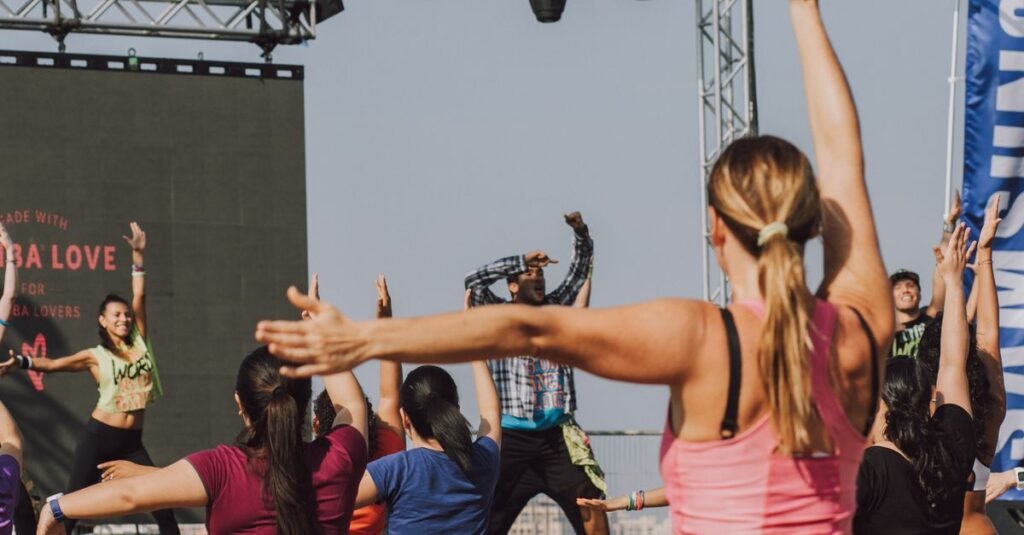
A Zumba instructor certification is a licence, not a diploma. You attend one Zumba Basic 1 training (about 9 hours in a day, or 10 hours of self-paced online content), and you walk out licensed to teach for six months. No exam, no prior fitness qualification. That makes it one of the fastest entry points into group fitness in India, and also one of the most misunderstood.
This guide is for people in India who want to teach, not just attend. It covers what the Basic 1 training actually includes, the published fees, how the licence stays valid, which specialty to add, and how to go from “certified” to “someone a studio or corporate client will hire”. It is written with input from how Fitstrot runs its own classes: our lead Zumba trainer, Yash Pathak, is ZIN Licensed, ACE Certified and STRONG Nation Certified, so the path below is the one our team has actually walked.
What does a Zumba instructor certification actually give you?
Completing a Zumba Basic 1 training gives you a licence to teach Zumba classes for six months from the training date. There is no formal test. To keep teaching beyond six months you join the Zumba Instructor Network (ZIN), a monthly membership under which the licence does not expire, plus monthly music, choreography and marketing tools.
Zumba’s own instructor page states that you are licensed once you complete the training, no formal test is required, and the licence lasts 6 months. Its training FAQ adds that you must complete the full training to receive a Certificate of Completion. Leave early and you do not qualify.
So “certification zumba instructor” in practice means three separate things people often blur together:
- The training (Basic 1, or a dual-licence Jump Start): a one-off course you pay for once.
- The licence: your legal right to use the Zumba name and teach the format. Six months on its own.
- The membership (ZIN): the ongoing subscription that keeps the licence alive and feeds you new songs and choreography. If you want the full breakdown of what ZIN includes and its licensing rules, read our guide to what ZIN Zumba is. This article stays on the certification path itself.
Basic 1, Jump Start or a specialty: which Zumba instructor course comes first?
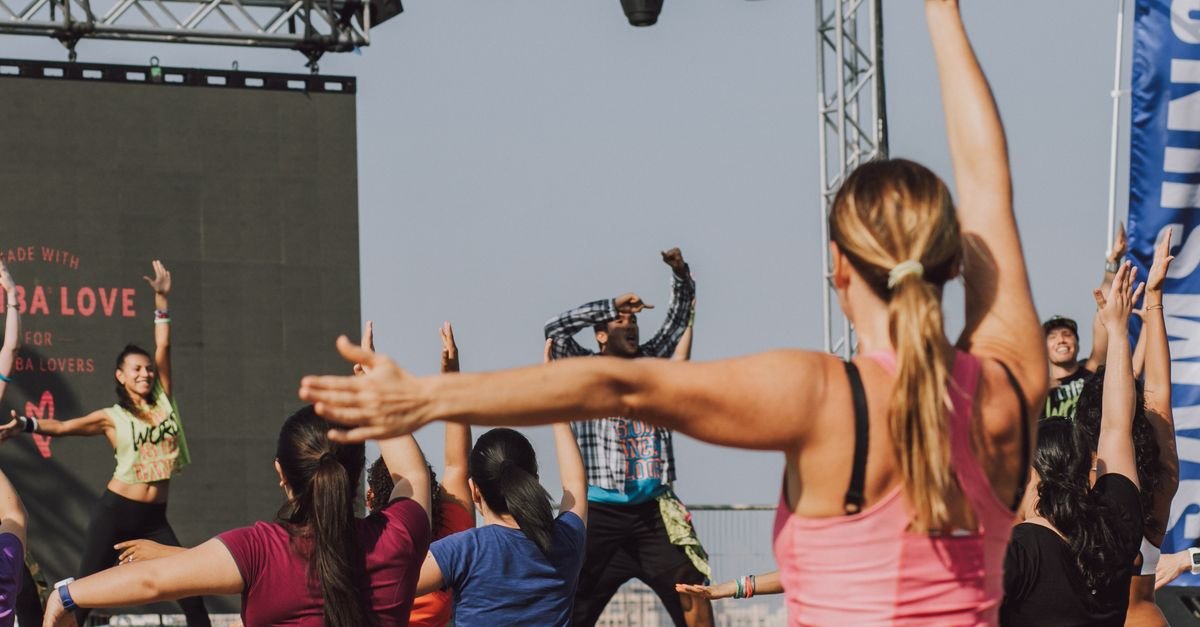
Every new instructor starts with an intro training. Zumba lists four of them: Zumba Basic 1, Jump Start Kids & Kids Jr., Jump Start Gold and Zumbini. Everything else, from Aqua Zumba to Zumba Toning, sits in a second tier called specialty and skill development trainings, listed on Zumba’s trainings-by-type page. Those specialties are open only to ZIN members.
Here is how the intro options compare, using only what Zumba publishes.
| Training | Formats | Length | Licences you get | ZIN needed? | Best for |
|---|---|---|---|---|---|
| Zumba Basic 1 (in person / livestream) | Studio or live on Zoom | One day, about 9 hours (two-day versions run in some regions, India included) | Zumba, 6 months | No, but needed to keep the licence after 6 months | Most adults teaching general Zumba classes |
| Zumba Basic 1 (on demand) | Online, self-paced | About 10 hours, 16 modules | Zumba, 6 months | 1-month ZIN tools trial included; renews monthly unless cancelled | People who cannot block a full day, or live far from a host city |
| Jump Start Gold | In person or livestream | Extended, about 10 hours | Zumba + Zumba Gold (+ Gold Chair) | Yes, for the Gold licence | Teaching older adults, beginners, lower-intensity groups |
| Jump Start Kids & Kids Jr. | In person or livestream | One day | Zumba + Zumba Kids & Kids Jr. | Yes, for the Kids licence | Schools, activity centres, kids aged 4+ |
Our view: start with Basic 1 unless you already have a guaranteed audience. A school asking for after-school sessions justifies the Kids dual licence; a housing society group mostly over 50 justifies Jump Start Gold. Otherwise, Basic 1 first and a specialty once you know who turns up.
How to become a Zumba instructor in India, step by step
The official process has only four steps (pick a training, register, pay, attend). In practice, getting to a paid class in India takes a few more. Here is the full walkthrough.
- Check eligibility. Anyone 18 or older can take the training. Ages 15 to 17 can attend with parental consent, and a parent must sign the liability form at the training. No dance or fitness background is required, though Zumba itself says one helps.
- Take at least 10 to 15 classes as a participant first. This is our advice, not a Zumba rule. You will pick up the class flow and cueing far faster in training if you have already felt it from the floor.
- Find a training. Use “Find a Training” on Zumba’s site and filter by format, language, city and date. Searching for “zumba instructor training near me” on Google will mostly surface third-party studios; always confirm the event is listed on Zumba’s own site before paying, because only official trainings issue a licence.
- Register and pay. Confirmation emails and training materials follow. Price is shown at checkout for your region (more on fees below).
- Attend the full day (or finish all 16 online modules). Your licence is issued on completion.
- Decide on ZIN within six months. If you plan to teach beyond that, join. If you are only testing the waters, you can let the licence lapse.
- Build a 45 to 60 minute playlist and rehearse it out loud. Out loud matters. Cueing while moving is the skill new instructors underestimate most.
- Teach free or low-cost trial classes to friends, a housing society or a workplace before pitching gyms.
What happens on Zumba instructor training day?
A Zumba Basic 1 instructor training runs about 9 hours in person or on livestream, or 10 hours online across 16 modules. It covers the basic rhythms and their variations, the Zumba formula for identifying the sections of a song, and the basic steps you use to build a class, practised live with a Zumba Education Specialist.
That description comes straight from Zumba’s own how-to-become-an-instructor help article. What it does not tell you is how physically demanding the day is. You will be dancing for most of it. Treat it like a long event:
- Eat a proper breakfast: poha or upma with a boiled egg or a bowl of curd, not just tea. Carry a banana or two and some roasted chana for the breaks.
- Carry at least 2 litres of water, more if the hall is not air-conditioned.
- Wear cross-training shoes with a smooth sole that can pivot. Running shoes with heavy grip twist your knees on turns.
Zumba certification course fees: what is actually published
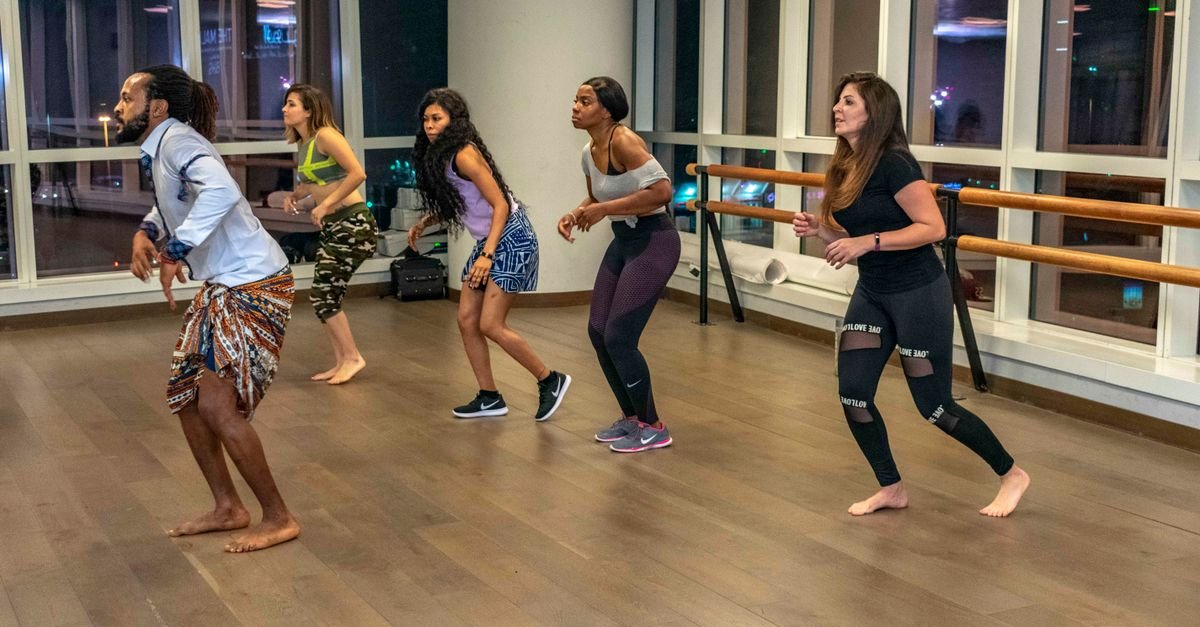
Zumba does not publish one flat rupee price for India. The fee depends on region, format and whatever promotion is running. Its help centre says cost varies and points you to “Find a Training” for the exact figure. On its US instructor page, Basic 1 was listed at $425 with a limited-time 75% discount to $106.25 when we checked in November 2026. Do not treat that as the Indian price; treat it as proof that discounts are common and worth waiting for.
Third-party “zumba certification course fees in India” figures are often outdated or include a studio markup. Only the official checkout price counts.
| Cost item | One-time or recurring? | Required? | Where the price comes from |
|---|---|---|---|
| Basic 1 or Jump Start training | One-time | Yes | Official checkout for your region; promotions vary |
| ZIN membership | Monthly | Only to teach beyond 6 months or to add specialties | Shown at sign-up; not listed on the public benefits page |
| Specialty trainings (Gold, Toning, Aqua, Step, Kids) | One-time each | No; ZIN members only | Official checkout; Rhythms 2 is 50% off for ZIN members |
| CPR / first-aid course | Renews periodically | Not for Zumba; often asked for by gyms | Course provider |
| Shoes, mic headset, speaker | One-time | Practically yes for in-person batches | Retail |
| Venue rent (own batches) | Monthly or per class | Only if you run your own classes | Local negotiation |
ZIN is where budgets slip: as a monthly subscription, a year of it can cost more than the training. If you will teach a few paid classes a week within six months, it pays for itself in music and choreography. If not, finish Basic 1, teach informally, and join when demand is real.
Myth: “No exam means the certification is easy”
The training has no test, so people assume teaching is easy too. The injury data says otherwise, and it is the best argument for taking the craft seriously.
A 2013 survey of 49 Zumba participants in Hawaii found that 29% reported a prior Zumba-related injury, with knees accounting for 42% of injuries, and those who took more classes per week were significantly more likely to be hurt (3.8 versus 2.7 classes per week). The authors called for better instructor training.
More directly relevant to you: a 2017 survey of 138 female Zumba dancers found that 58% of registered instructors were injured in the past year versus 16% of participants, giving instructors 7 times the odds of injury. The injury rate was still low overall, 5.7 per 1,000 hours for instructors, and the authors put the higher risk down to instructors’ sheer weekly volume of activity.
What this means in practice:
- Your own teaching load is a risk factor. Five back-to-back batches a day, six days a week, is how instructors in Indian cities burn out their knees. Build up gradually and demonstrate at lower intensity on repeat songs.
- Cue low-impact options in every song. Your class will include people with bad knees who will not tell you.
- Floors and shoes matter. Tiled society halls and marble floors are common in India. Avoid deep twisting steps on them, and tell participants to swap grippy running shoes for something that pivots.

Is Zumba instructor certification in India worth it?
Yes, if you will teach regularly. Zumba is a genuine cardio workout: a 2012 ACE study measured an average of 9.5 kcal per minute and heart rates around 154 bpm in young women. With 31% of adults worldwide inactive in 2022, per WHO, there is real demand. The licence is cheap compared to most fitness credentials, but earnings depend on your teaching, not the certificate.
The evidence on the workout itself is solid enough to sell honestly. The ACE-sponsored study of 19 women aged 18 to 22 found participants burned an average of 9.5 calories per minute and reached about 80% of maximum heart rate. A systematic review of 11 studies covering 586 participants concluded Zumba improves aerobic capacity, with small benefits for body weight and limited evidence for strength and flexibility.
That last point matters for how you market your classes. Do not promise toned arms or a 10 kg drop in a month. Promise what the evidence supports: better stamina, a mood lift and a reason to show up. If clients ask about strength, our piece on whether Zumba builds muscle gives you an honest answer to share.
On the demand side, the WHO reports that 31% of the world’s adults, about 1.8 billion people, were physically inactive in 2022, and its baseline target is at least 150 minutes of moderate activity a week. Three 50-minute Zumba classes hit that target. That is your simplest pitch to a housing society, a school or an HR team.
Your first 90 days after certification: a practical plan
The licence clock starts on training day. Six months goes quickly, so we suggest using the first 90 days to find out whether teaching works for you before committing to ZIN long term.
| Weeks | Focus | Practice target | Checkpoint before moving on |
|---|---|---|---|
| 1-2 | Build one full class playlist | 8-10 songs plus warm-up and cool-down; rehearse 4-5 times a week out loud | You can teach the whole hour without looking at notes |
| 3-4 | Free trial classes | 2-3 sessions a week for friends, family or a society group of 8-15 people | You cue every change a beat early, with a low-impact option |
| 5-6 | Get feedback and film yourself | Record 2 classes on your phone; watch them back | Back-facing and mirror-facing cues are both clear |
| 7-8 | Decide on ZIN | Compare monthly cost with expected class income | At least one paying group is lined up |
| 9-10 | First paid batch | 2-3 classes a week, fixed days and times | Attendance holds steady for 2 weeks |
| 11-12 | Pitch one institution | A gym, school, corporate office or online platform | A written demo slot or trial agreement |
A good playlist is half the battle. For ideas on the songs Indian participants actually respond to, see our list of the best Zumba songs.
Where do certified Zumba instructors find work in India?
Searches for “zumba instructor job” are steady in India, and the openings fall into five buckets:
- Gyms and fitness chains. Usually paid per class. Most will ask for a demo class, and many ask for CPR or first-aid certification even though Zumba does not require it.
- Your own batches. Housing society clubhouses, community halls and dance studios rented by the hour. Higher income per head, but you handle collections, venue and no-shows.
- Schools and activity centres. Usually need the Kids licence.
- Corporate wellness. Weekly sessions at an office or online for remote teams. Companies like a clear, evidence-backed pitch, which is why the WHO 150-minute target is useful.
- Online platforms. Live classes on Zoom for participants across cities. You need a decent mic, a front-facing camera and good lighting more than a large room.
ZIN members also get access to the ZIN Job Board with listings from gyms and partners, a personal instructor page and a class management suite for payments and attendance.
What about Zumba instructor salary?
We will not quote a rupee figure, because there is no reliable published salary data for Zumba instructors in India, and most numbers online are guesses. What we can say is how pay is structured: per class at gyms, a monthly retainer at some studios and corporates, and per participant for your own batches. Income tracks the number of classes you can fill, not the certificate.
Which specialty should you add, and for whom?
Specialties are where instructors differentiate in crowded cities. Pick the one that matches the people already coming to you.
- Zumba Gold for older adults and beginners. An ACE study of a 45-minute Zumba Gold class found participants with an average age of 63 burned about 197 calories per session, and most reached moderate intensity. In many Indian housing societies, this is the biggest underserved group.
- Zumba Kids & Kids Jr. for ages 4 and up. Useful if schools or summer camps are your market.
- Zumba Toning for people who want light weights added.
- Aqua Zumba for pool-based, low-impact classes at clubs and hotels.
- Zumba Step for a lower-body focus using a step platform.
Troubleshooting: problems new Zumba instructors hit in their first classes
| Problem | Likely cause | Fix |
|---|---|---|
| Class falls apart on step changes | Cueing on the beat instead of before it | Call the next move 4 counts early, and use hand signals as well as words |
| Participants look lost in the first 2 songs | Too many new steps up front | Open with 2 familiar songs, and add only one new song a week |
| Older members drop out after 2 weeks | Too much jumping and twisting | Show a low-impact option for every song; consider Zumba Gold |
| Your voice is gone by Thursday | Shouting over the speaker | Use a headset mic; lower music volume during cues |
| Knee or shin pain after a week of teaching | Teaching volume rising too fast; hard floors | Cut back batches, march instead of jump on repeat songs, check shoes |
Frequently asked questions
How long does Zumba instructor certification take?
Zumba Basic 1 takes one day, about 9 hours, in person or on livestream. Some regions, including India, run it over two days. The on-demand version has about 10 hours of content in 16 modules that you finish at your own pace.
Is there an exam to get a Zumba certification?
No. You are licensed once you complete the full training. You must attend the whole session to receive the Certificate of Completion; leaving early does not qualify.
How much does a Zumba certification course cost in India?
Zumba does not publish one fixed rupee price. The fee for your region and format is shown at checkout under “Find a Training”, and promotions are frequent. On the US site in November 2026, Basic 1 was listed at $425, discounted 75% to $106.25.
Does a Zumba instructor licence expire?
A Basic 1 licence is valid for six months from the training date. If you join the Zumba Instructor Network and keep the membership active, your licence to teach does not expire.
Can I do a Zumba instructor course without a dance background?
Yes. There are no prerequisites. Anyone 18 or older can attend, and 15 to 17 year olds can attend with parental consent. A dance or fitness background helps, so taking regular classes first is a good idea.
Can I take the Zumba instructor training online?
Yes. Basic 1 is available as a live Zoom training with a Zumba Education Specialist, or as a self-paced on-demand course that includes a one-month ZIN tools trial.
Do I need CPR certification to teach Zumba?
Zumba does not require it for your licence, but many gyms and fitness centres ask for CPR or first-aid certification before hiring, so it is worth getting.
Can I teach Zumba Gold or Aqua Zumba with only Basic 1?
No. Specialty trainings such as Zumba Gold, Toning, Step and Aqua Zumba are available only to ZIN members. Jump Start Gold bundles Gold training with your first Zumba training, but the Gold licence itself is still issued only once you join ZIN.
Want to feel the format before you pay for training? Join a live session in Fitstrot’s online Zumba classes with our ZIN-licensed lead trainer, and ask your questions about teaching at the end of class.


