

Used alongside medical care, yoga for shoulder pain can help when the cause is simple stiffness, desk posture or muscle tension. Slow, supported movements and easy breathing may settle the guarding around your neck, upper back and shoulder blades over a few weeks. It is not a treatment for rotator cuff tears, frozen shoulder or dislocation, and it never replaces a proper diagnosis. Below you will find gentle poses, a 15-minute routine, a weekly plan and clear rules on when to stop.
Is Yoga for Shoulder Pain Safe?
Gentle yoga is generally considered safe for mild, non-injury shoulder stiffness once a doctor or physiotherapist has ruled out anything serious. Keep movements small, stay at a comfortable stretch of about 3 to 4 out of 10, hold for 20 to 30 seconds, and stop at any sharp, pinching or radiating pain. After an injury, get assessed first.
Skip self-guided practice, and speak to your doctor or physiotherapist first, if any of these apply:
- Your pain started after a fall, accident, sports injury or a sudden lifting strain.
- You have a known or suspected rotator cuff tear, dislocation, fracture or recent shoulder surgery, unless your surgeon or physio has cleared specific movements.
- The shoulder feels loose, slips out, clicks painfully or gives way.
- The pain is constant at rest or wakes you at night.
- You feel numbness, tingling or weakness in the arm or hand.
- You are not sure what is causing the pain, or you have a diagnosed neck problem.
When Should You See a Doctor or Physiotherapist First?
Treat chest pain as an emergency. Chest pain, pressure or tightness, or pain spreading down the left arm or into the jaw, especially with breathlessness, sweating or nausea, needs emergency care. Call 112 in India. Do not try to stretch it out.
Also get medical advice promptly for numbness or tingling in the arm or hand, sudden weakness, a visibly deformed shoulder, swelling, fever with a hot painful joint, or any pain after a fall or injury. Book a physiotherapist if the pain lasts beyond two to three weeks, keeps returning, or disturbs your sleep.
Do not stop or change any prescribed medicine or physiotherapy plan because of this article. Yoga is an add-on your care team should know about.
What Causes the Shoulder Tightness That Gentle Yoga Can Help With?
Most everyday shoulder tightness comes from posture and habit: long hours at a laptop, looking down at a phone, carrying a heavy bag on one side, sleeping on one arm, or holding stress in the shoulders. Chest muscles shorten, the upper back rounds and the shoulder blades stop gliding freely, so the neck and shoulder muscles work overtime.
Gentle chest opening, shoulder blade mobility and slower breathing target exactly this pattern. Upper back ache often travels with it, so the mobility work in yoga for back pain overlaps with this routine.
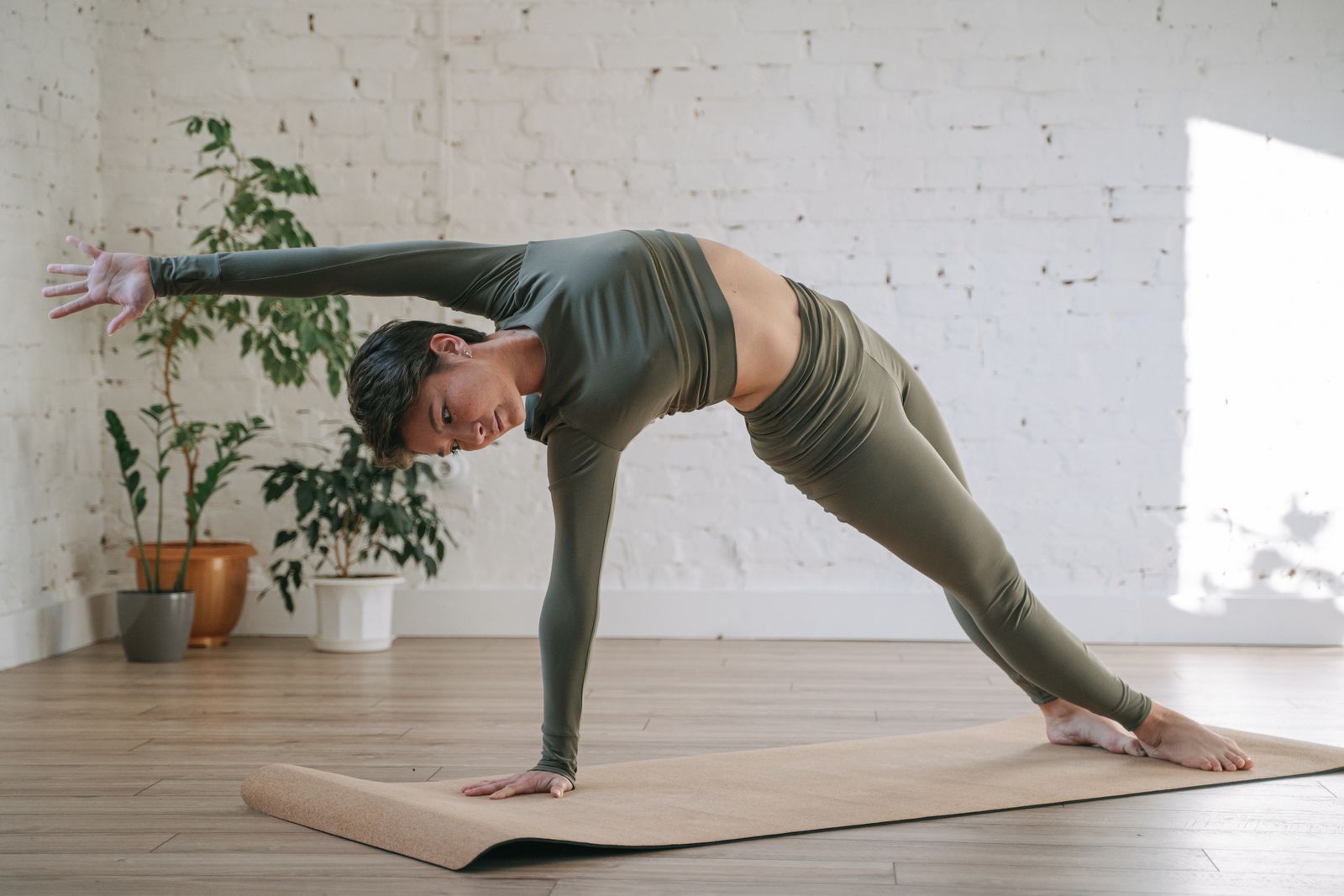
Shoulder-Friendly Poses at a Glance
These are the gentlest yoga poses for shoulders. Start with the first four, add the rest only when comfortable, and work both sides.
| Pose | What it works on | Hold or reps | Easier version | Stop if |
|---|---|---|---|---|
| Shoulder rolls (seated) | Warms up shoulder blades | 8 slow circles each way | Smaller circles, hands resting on thighs | You feel pinching at the front of the shoulder |
| Thread the Needle | Back of shoulder, upper back | 20 to 30 seconds per side | Folded blanket under head and shoulder | Pain is sharp or the arm tingles |
| Supported Cat-Cow | Shoulder blade movement | 8 to 10 slow breaths | Forearms on the mat | Pain shoots into the arm |
| Puppy Pose | Lats, chest and shoulders | 20 to 30 seconds | Forehead on a block, hips only as high as comfortable | You feel a pinch on top of the shoulder |
| Cow Face arms with a strap | Triceps, chest | 20 seconds per side, once or twice | Hold a dupatta or belt between the hands | The stretch becomes a sharp pull |
| Cactus arms at a wall | Chest, outward rotation | 8 slow reps, 5-second holds | Lower the elbows below shoulder height | Arms tingle or go numb |
| Supported Fish Pose | Passive chest opening | 1 to 3 minutes | Use a rolled blanket or bolster along the spine | You feel pinching in the neck or lower back |
Supported Fish Pose borrows from restorative yoga.
A 15-Minute Routine, Step by Step
Keep a wall, mat, folded blanket and a dupatta or belt nearby, and keep every movement below a mild stretch. If you are new to yoga, yoga for beginners explains the basics of warming up and pacing yourself.
- Arrive (1 minute): sit tall and take 6 slow breaths.
- Shoulder rolls (1 minute): 8 small circles each way.
- Cactus arms at the wall (2 minutes): sliding the arms up and down within comfort.
- Supported Cat-Cow (2 minutes): move with the breath.
- Thread the Needle (3 minutes): about 30 seconds per side, repeated twice.
- Puppy Pose (1 minute): breathe into the upper back.
- Cow Face arms with a strap (2 minutes): short holds, switching sides.
- Supported Fish or simple rest (3 minutes): lie back over a bolster or flat on the floor.
A slower, mat-based style like hatha yoga suits this routine well, since it favours steady holds over fast flowing.
A Sample Week, Day by Day
Short, frequent sessions are easier on irritated tissue than one long stretch. Treat this as a template and shorten or skip any day the shoulder feels flared.
| Day | Focus | Time | Notes |
|---|---|---|---|
| Monday | Full 15-minute routine | 15 min | Note how the shoulder feels after |
| Tuesday | Shoulder rolls and Cat-Cow only | 5 to 8 min | A light mobility day |
| Wednesday | Full 15-minute routine | 15 min | Use props freely |
| Thursday | Rest or a short walk | 10 to 20 min | Swing the arms naturally |
| Friday | Full routine plus low Cobra | 15 to 18 min | Add only if pain-free |
| Saturday | Supported Fish and breathing | 10 min | Restful, unhurried |
| Sunday | Rest | 0 min | Review the week and any pain pattern |
Myth: Stretch Harder and a Stuck Shoulder Will Loosen
This is the most common way people make shoulder pain worse. Forcing a painful shoulder into a deep stretch, bouncing or pushing through a sharp twinge can irritate tendons and the joint capsule. Small, slow, repeated movement within comfort works better.
A related myth is that pain means a pose is “working”. A mild pull is normal. Sharp, pinching, burning or radiating pain is a stop signal.
Is Yoga for Frozen Shoulder a Good Idea?
Only in a very gentle, guided form. Frozen shoulder is a medical condition that can last from several months to a couple of years, and yoga cannot cure or speed it up. Small, pain-free movements agreed with your physiotherapist may help you stay mobile, while deep or forced stretching can aggravate it.
It is more common in people with diabetes, so mention any such history to your doctor. Treat yoga asanas for frozen shoulder as supervised mobility work: pendulum-style arm swings, supported Cat-Cow and short, easy Thread the Needle holds, only if your physio agrees. Skip deeper poses like Cow Face arms until they say the joint can take them.
Should You Practise Shoulder Stand Yoga With a Sore Shoulder?
No. Shoulder stand yoga (Sarvangasana) puts body weight through the neck, shoulders and upper arms, which is the wrong load for a painful shoulder, a suspected rotator cuff problem or frozen shoulder. Wait until you are pain-free and cleared by your clinician, then return with a qualified teacher.
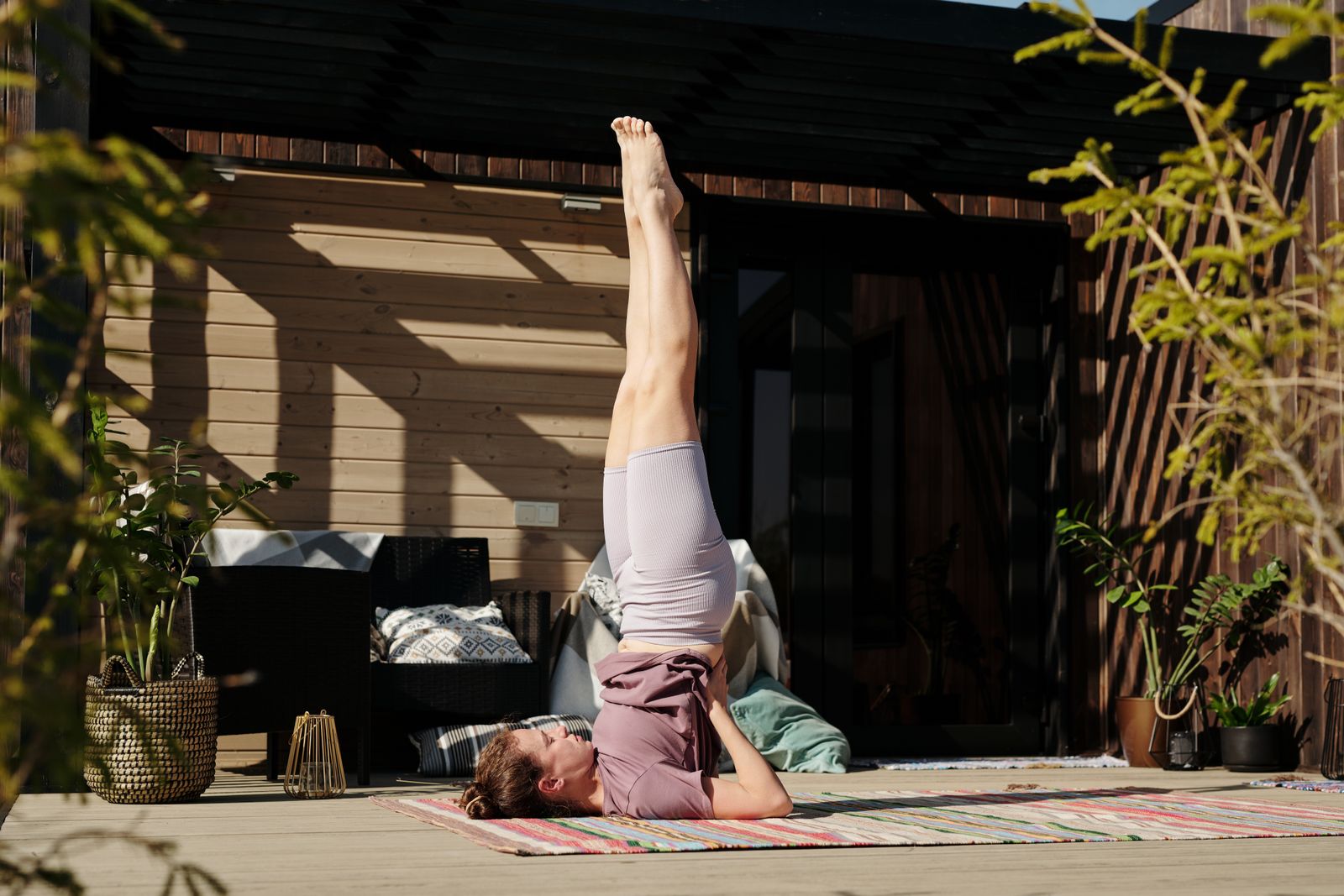
A kinder alternative is Legs-Up-The-Wall (Viparita Karani), which gives a gentle inversion without stacking weight on the neck or shoulders. It also features in yoga for varicose veins. If you have glaucoma, uncontrolled high blood pressure or a neck condition, check with your doctor before any inversion.
Poses to Modify or Skip While Your Shoulder Is Sore
| Pose | Why it can aggravate the shoulder | Safer swap |
|---|---|---|
| Chaturanga (low plank) | Heavy load on the front of the shoulder in a lowered position | Knees-down plank, or skip the vinyasa flow |
| Full Downward Dog | Sustained weight through the arms overhead | Puppy Pose or hands on a wall |
| Shoulder stand and Plough | Weight through neck and shoulders | Legs-Up-The-Wall |
| Wheel and deep backbends | Extreme overhead range under load | Supported Fish Pose |
| Handstand and arm balances | Full body weight on unstable joints | Wall-supported standing poses |
| Fast flowing classes | Repeated loaded transitions, little time to adjust | Slow, prop-supported sessions |
Chaturanga is where many yoga shoulder injuries happen, so if you are returning to vinyasa yoga, learn the shape slowly with knees down and ask your teacher to check your alignment.
Yoga Shoulder Exercises for Strength, Once the Pain Settles
Stretching alone can loosen the front of the shoulder without steadying the back. Once daily movement is comfortable, add light work: a knees-down plank held 10 to 15 seconds while pressing the floor away, low Cobra, and Dolphin with knees down. Start with one or two rounds. If pain returns, drop them and tell your physiotherapist.
Yoga for Neck and Shoulder Pain Together
The neck and shoulders share muscles, so tension in one often pulls on the other. For yoga for neck and shoulder pain, add slow ear-to-shoulder tilts and gentle chin tucks, holding 15 to 20 seconds per side without forcing. If tight shoulders come with frequent headaches, the muscle patterns in yoga for migraine overlap with this area. Any dizziness, arm tingling or severe headache is a reason to stop and see a doctor.
How Long Does Gentle Shoulder Yoga Take to Help?
For simple postural stiffness, many people feel looser within about two to four weeks of short sessions, three to five times a week. Pain linked to tendons or the joint usually takes longer, often several weeks to a few months. Results vary; if nothing improves in three to four weeks, or pain worsens, get an assessment.
If a Pose Hurts: Quick Troubleshooting
- Pinch at the top or front of the shoulder: lower the arm position, use props, or skip that pose today.
- Worse pain the next morning: halve the holds for a few days, then rebuild.
- Shoulders shrug toward the ears: reduce the range and keep the neck long.
Who Else Needs Extra Care?
If you also live with joint conditions, read yoga for arthritis for a similarly cautious, progressive approach. If stress makes it worse, the slower breathing of online yoga for stress relief may help. If you are mainly exercising for weight loss, yoga for weight loss can be adapted to keep load off a sensitive shoulder. Anyone with osteoporosis, or heart or blood pressure conditions, should confirm their routine with a doctor first.
How Does Yoga Fit Alongside Physiotherapy and Online Classes?
They work as a team. A physiotherapist diagnoses the problem and prescribes exercises for your tissue and stage. Yoga adds breath-led movement, general mobility and an easy-to-keep habit. For anything beyond mild tightness, such as a suspected tear or pain after an injury, get the diagnosis first, then add yoga.
Live online classes help because a teacher can spot a shrugged shoulder or locked elbow on camera and cue a fix, much like the breathing coaching in online yoga for mental wellness, and sessions can be adapted as your shoulder changes.
FAQs About Yoga for Shoulder Pain
Can yoga make shoulder pain worse?
Yes, if poses are forced, weight-bearing shapes are attempted too soon, or you push through sharp pain. Keep to a mild stretch, use props, avoid inversions and Chaturanga while sore, and stop if a pose causes sharp or radiating pain.
What is the best yoga pose for quick shoulder relief?
Thread the Needle is a popular gentle choice because it opens the back of the shoulder and upper back without needing strength or balance. Hold it 20 to 30 seconds per side with slow breathing, and stop if you feel sharp pain or tingling.
How often should I do yoga for shoulder pain?
Three to five short sessions of 10 to 15 minutes a week usually suit most people better than one long session. Rest on days when the shoulder feels flared, and speak to a physiotherapist if pain persists beyond a few weeks.
Can I do yoga for frozen shoulder?
Only gentle, pain-free movement, ideally agreed with your doctor or physiotherapist. Yoga does not cure frozen shoulder, and forced stretching can make it worse. Avoid deep poses and inversions, and let your clinician guide how and when to progress.
Should I use props for shoulder yoga?
Yes. A bolster under the chest, a strap or dupatta in Cow Face arms, a block under the forehead and a wall for Cactus arms let you gain the benefit without forcing a range the shoulder cannot yet manage.
Take the Next Step
If you would like a teacher to adapt each pose to your shoulder, book a live session through Fitstrot’s online yoga classes and tell the instructor about your pain history before you start.


