
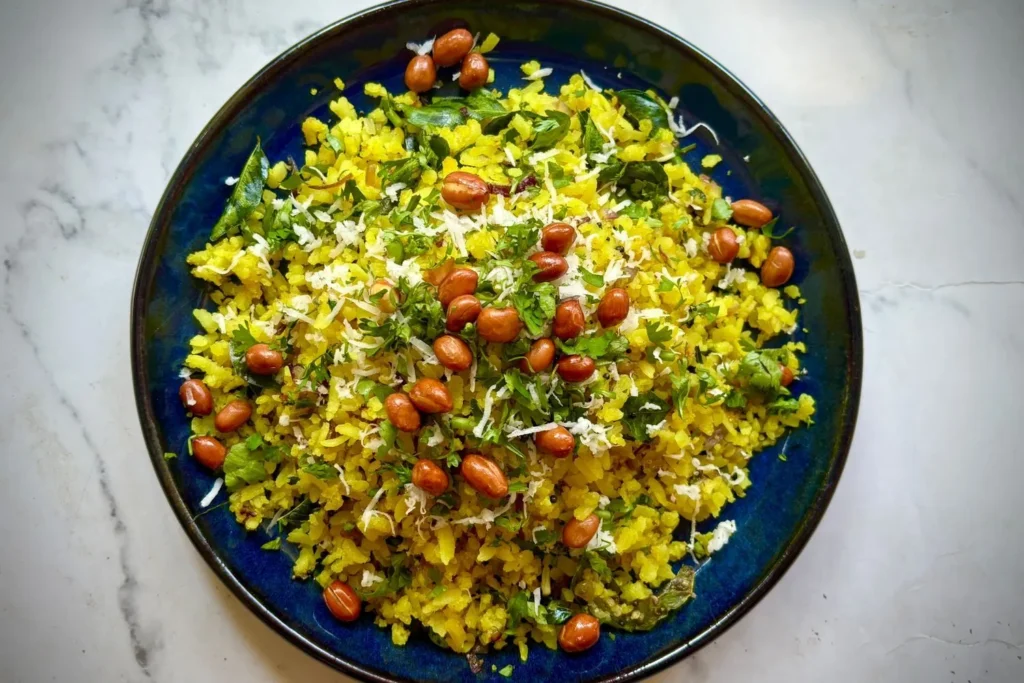
If you have ever stood in the kitchen at 5:45 am wondering what to eat before and after a workout, the honest answer is simpler than the internet makes it. Before training, eat a light, carbohydrate-led meal or snack that your stomach can handle. Afterwards, eat a normal meal with protein and carbohydrate within a few hours. Below you get a meal timing table, Indian food swaps with about-quantities, three sample training days and fixes for cramps and low energy.
How long before a workout should you eat?
Eat a proper meal about 2-3 hours before training, or a lighter snack about 30-60 minutes before. The closer you are to the session, the smaller and lower in fat and fibre the food should be. Most people train best on a carbohydrate-led plate with a little protein and not much ghee.
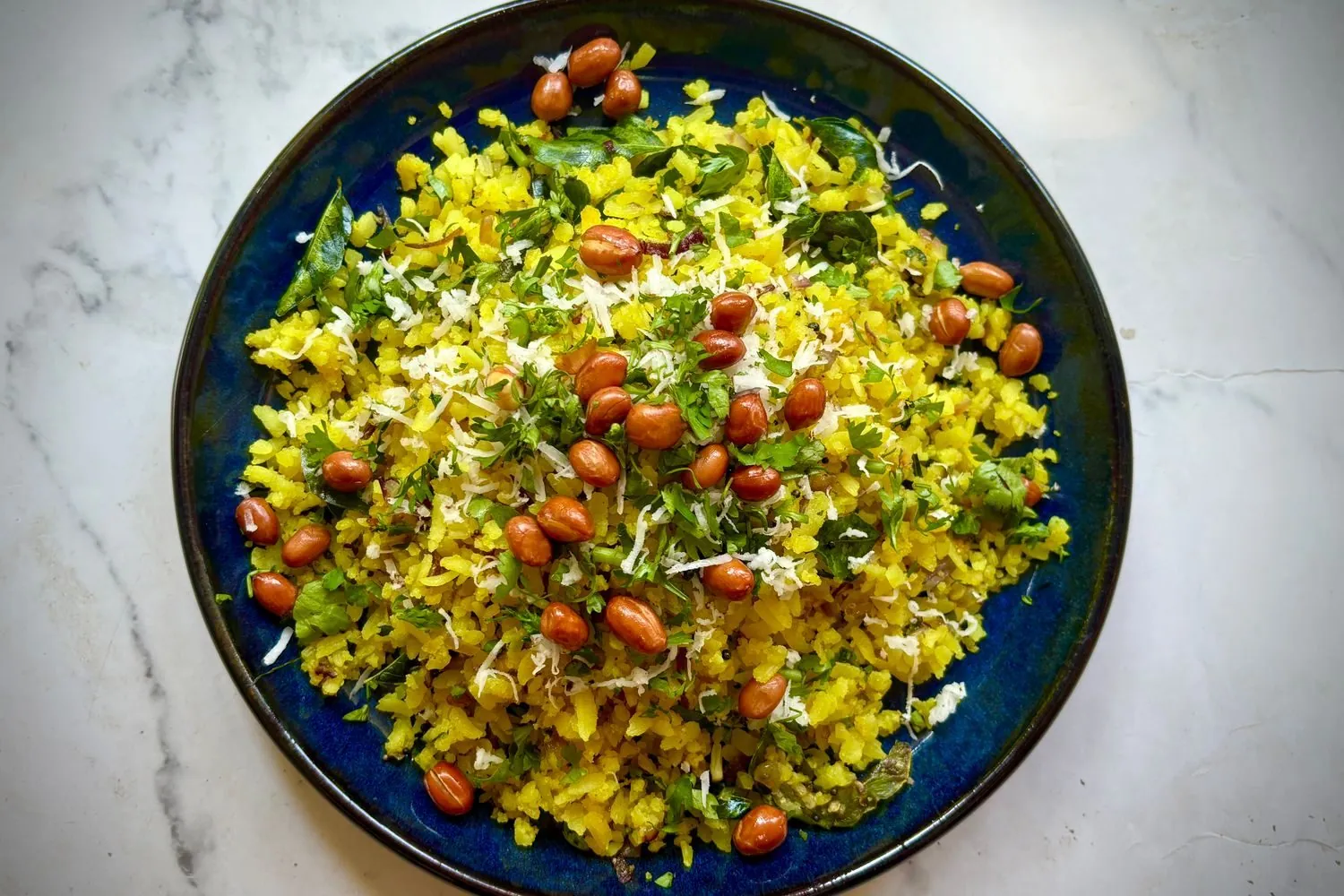
Carbohydrate is the main fuel for anything that makes you breathe hard, whether a gym session, a Zumba class or a brisk run. A pre-workout meal tops up the stores in your muscles and liver. A rough guide is about 1 g of carbohydrate per kg of body weight if you are eating an hour before, and up to about 3 g per kg if you have a few hours. For a 65 kg person that is about 65 g an hour out, which is a plate of poha and a banana.
Protein before training is useful but not essential; a little dal, curd or paneer is plenty. Keep fat and fibre low in the last hour or two. They slow digestion, and a busy stomach is the usual reason for cramps, burping or a dash to the washroom mid-set. Save ghee-heavy parathas and big rajma portions for meals further from training.
Meal timing table: what to eat and when
Use this as a starting point and adjust to your appetite, your body size and how hard the session is. All quantities are about figures, not prescriptions.
| When | Purpose | Indian examples | About how much |
|---|---|---|---|
| 2-3 hours before | Full meal, stored fuel | Roti or rice with dal and a light sabzi, curd on the side | About 2 rotis or 1 katori rice (about 40 g carbs), 1 katori dal |
| 1-2 hours before | Lighter meal | Vegetable poha with peanuts, idli with thin sambar, moong chilla with curd | About 1 plate poha, or about 3 idlis, or about 2 chillas |
| 30-60 minutes before | Quick top-up | Banana, dates, toast with honey, a few soaked raisins | About 1 banana, or about 3 small dates |
| During (over about 60-75 minutes) | Fluids, optional sugar | Water, nimbu pani with a pinch of salt, coconut water | About 150-250 ml every 15-20 minutes |
| Within about 1 hour after | Bridge if you are not hungry yet | Glass of milk, chaas, banana with a handful of roasted chana | About 250 ml milk, or about 30 g roasted chana |
| Within about 2-3 hours after | Proper recovery meal | Paneer bhurji with rotis, dal-chawal with eggs, chicken with rice, rajma-chawal with curd | About 20-30 g protein plus 1-2 katoris of carbohydrate |
For an easy session under 45 minutes, water is enough. Doing yoga specifically? Our guide on what to eat before and after yoga adjusts the same ideas for a gentler session.
What should you eat after a workout?
After a workout, eat a meal with about 20-30 g of protein and a good portion of carbohydrate within roughly 2 hours. In Indian terms that could be paneer bhurji with 2 rotis, dal-chawal with 2 eggs, or curd with a banana. If you are not hungry yet, milk or chaas holds you over.
Protein supplies the building blocks your muscles use to repair after hard training. Carbohydrate refills the fuel you burned, which matters most if you train again within a day. A normal home-cooked meal also brings fibre and minerals, which a shake does not.
The table lists common Indian foods with about protein and carbohydrate values. Weights are cooked unless it says dry.
| Food | About portion | About protein | About carbs |
|---|---|---|---|
| Paneer | 100 g | 18 g | 3 g |
| Eggs | 2 whole | 12 g | 1 g |
| Chicken breast, cooked | 100 g | 25-30 g | 0 g |
| Soya chunks, dry weight | 30 g | 15 g | 10 g |
| Dal, cooked | 1 katori (150 g) | 7 g | 20 g |
| Curd | 200 g | 6-7 g | 8 g |
| Milk | 250 ml | 8 g | 12 g |
| Roasted chana | 30 g | 6 g | 17 g |
| Cooked rice | 1 katori (150 g) | 3-4 g | 40 g |
| Roti | 1 medium | 3 g | 15-18 g |
A plate that works for most people is a palm-sized portion of protein (paneer, eggs, chicken or fish), about 1 katori of rice or 2 rotis, a katori of dal or curd, and a sabzi or salad. That lands near 25-35 g of protein, which fits the range above. Our dedicated page on what to eat after a workout goes deeper on recovery meals, and the breakdown of a nutrition and diet plan for muscle building shows how this plate fits into a full day.
Myth check: the 30-minute anabolic window
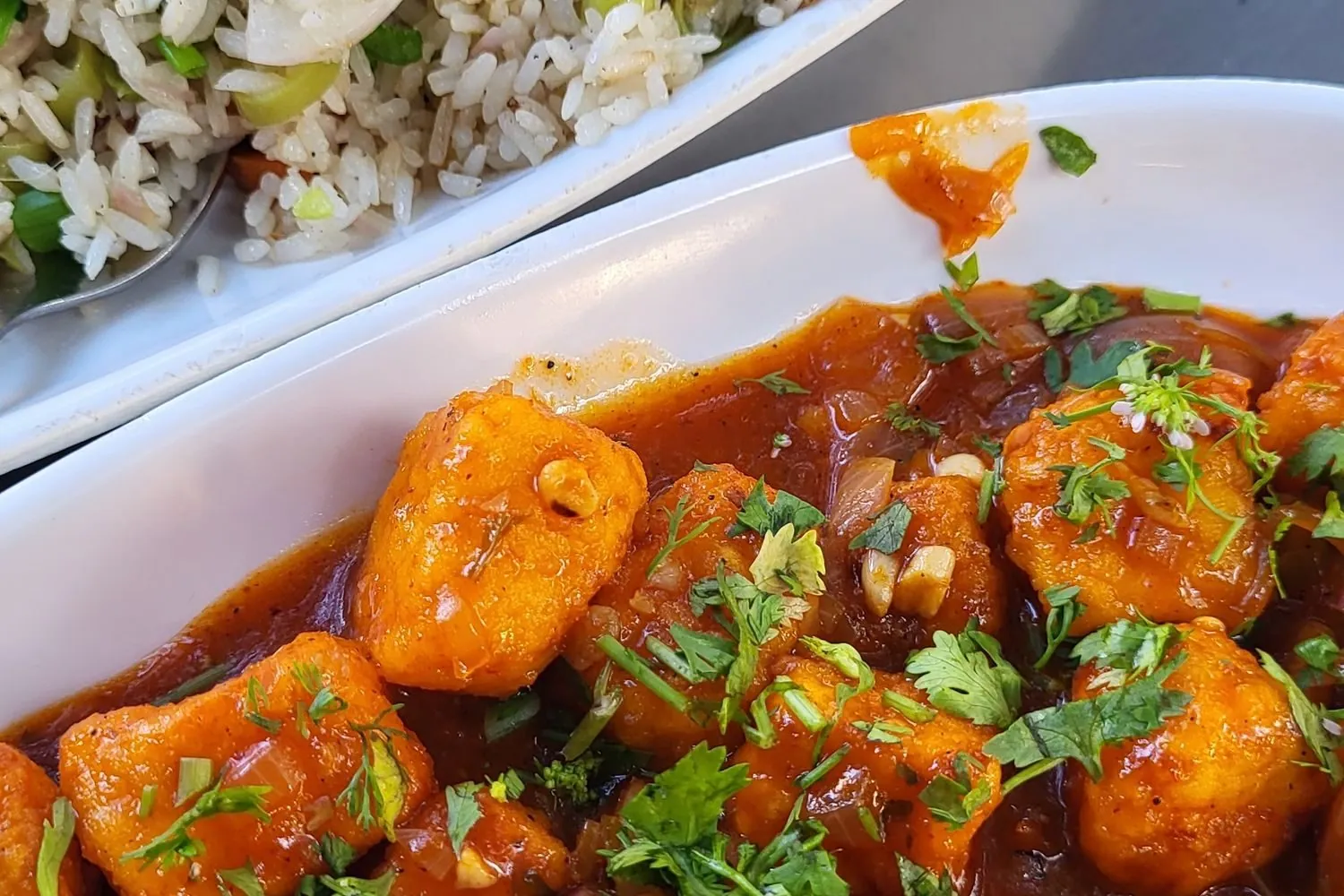
You may have heard that you must drink a shake within 30 minutes of your last rep or the session is wasted. That is overstated. Your muscles stay receptive to protein for many hours after training, so a meal 1-2 hours later does the same job as a shake in the locker room.
The myth survives because it sells powders. What moves your physique over months is boring: enough total protein across the day, enough calories for your goal, and consistent training. A common range for people who train regularly is about 1.2-1.6 g of protein per kg of body weight per day, spread over three or four meals. Hit that, and a one-or-two-hour gap costs you almost nothing.
There is one situation where earlier is better. If you trained fasted in the morning and would otherwise not eat until the afternoon, have something with protein and carbohydrate soon after you finish. Not because of a magic window, but because a long gap with no food after hard training makes the next few hours feel flat. If your goal is bigger muscles, the best diet for muscle gain covers total daily intake, which matters far more than the clock.
Sample days: what to eat before and after a workout by training time
Here are four common training times with a pre- and post-workout plan for each. Swap items freely using the tables above. Quantities are about figures.
| Training time | Before | After | Note |
|---|---|---|---|
| 6:00 am | About 1 banana or about 3 dates, 1-2 glasses of water about 20 minutes before | About 8:00 am: 2-egg bhurji with 2 rotis, or besan chilla with curd | No time for a meal? The banana is enough. Make breakfast the proper meal. |
| 11:00 am | About 8:30 am: poha with peanuts or 3 idlis with sambar | About 1:00 pm: dal, rice, sabzi and curd, with a paneer or egg side | Good slot for beginners. Plenty of time for digestion. |
| 6:30 pm | About 4:30 pm: roti-sabzi with a small katori dal, or a moong chilla, then a banana if you feel hungry at 6 pm | About 8:30 pm: 2 rotis, dal, sabzi, and a paneer or chicken portion | Do not skip lunch. A long afternoon gap leads to a heavy pre-workout snack. |
| 8:30 pm | About 6:30 pm: light meal such as curd rice with a little dal, or 2 idlis | About 10:00 pm: a lighter dinner such as 2 egg whites or paneer with 1 roti and sabzi, or a glass of milk | Keep dinner moderate. A very heavy meal right before bed can disturb sleep. |
The pattern: carbohydrate before, protein and carbohydrate after, and the heaviest food away from the session. On busy days, a banana, roasted chana and a small box of curd cover most gaps.
Troubleshooting: when your pre-workout meal goes wrong
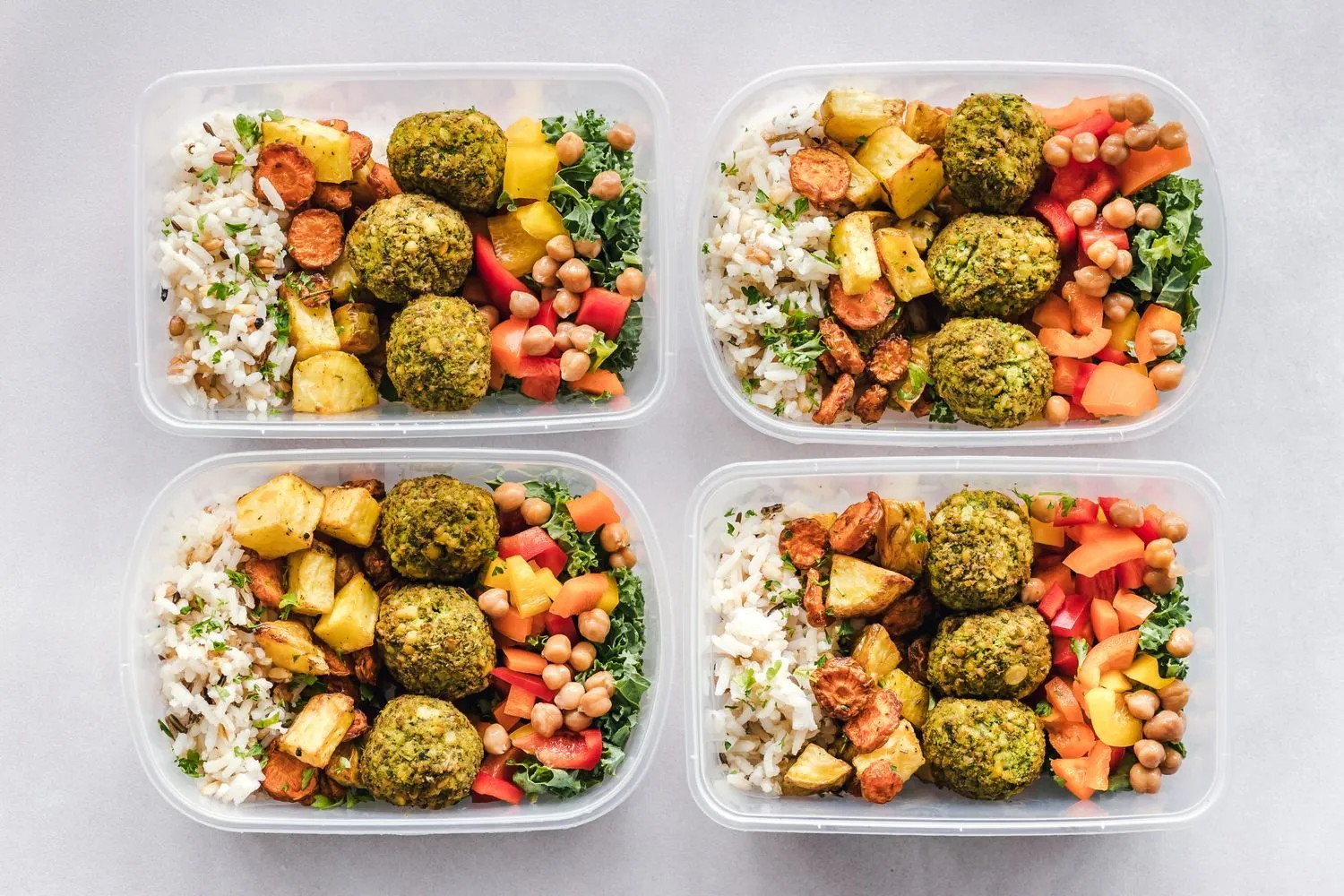
Most pre-workout problems are timing and portion problems. Change one thing at a time for a week so you can tell what helped.
- Stitch, cramps or burping: the meal was too big, too close to training or too high in fat. Move it 30-60 minutes earlier, or switch from paratha or rajma to idli, poha or a plain roti with dal.
- Bloating and gas: raw salads, cauliflower, cabbage, large glasses of milk and carbonated drinks are common triggers. Keep them for after the session.
- Nausea during intense work: high-intensity circuits and fast dance sessions need a smaller pre-meal. Try about 1 banana an hour before instead of a full plate.
- Running out of steam halfway: you may have skipped carbohydrate, or eaten very little all day. Add about 1 katori of rice or 2 rotis to the meal 2-3 hours before, and check your sleep and water intake too.
- Acidity after strong chai on an empty stomach: eat a banana or a few soaked raisins first. If caffeine is part of your routine, read our guides on coffee before a workout and caffeine and exercise performance.
Eggs digest slower than a banana, so they suit a meal 1-2 hours out better than a snack 20 minutes out. Our page on eggs before a workout covers the details.
Which plan fits you? Fasted trainers, vegetarians and fat loss
If you train on an empty stomach
Short, easy sessions of about 30-45 minutes are usually fine without food if you slept well and drank water. Long or hard sessions often feel better with a small carbohydrate snack. If you feel dizzy, shaky or weak, eat first.
If you are vegetarian
You can reach every number above with paneer, curd, milk, dal, soya chunks and roasted chana. Combine two sources in one meal, such as dal-rice with a bowl of curd, so the protein adds up. Keep very bulky meals (chole, rajma, large salads) away from the hour before training.
If your goal is fat loss
You still need to eat around training, because skipping the meal after a hard session often backfires into an overeating evening. Keep the pre-workout snack small (about 1 banana or 2-3 dates), make the post-workout meal protein-heavy with plenty of vegetables, and let the rest of your day set the calorie deficit. A coach can set that deficit sensibly, which is part of what our online weight loss trainer programme does. Extreme cuts and guaranteed numbers on the scale are neither safe nor realistic, so be wary of any plan that promises them.
If you lift seriously or want more muscle
The basics do not change, but total calories and protein carry more weight. Our overview of sports nutrition explains how daily eating patterns drive performance, and the bodybuilding nutrition guide goes further for heavy training blocks.
When to see a doctor or dietitian
The advice here is general and meant for healthy adults. If you have diabetes, kidney or heart problems, digestive disease, an eating disorder history or you are pregnant, or if you feel faint during exercise, speak to your doctor or a registered dietitian before changing how you eat around workouts. Do not change prescribed medication or insulin timing on your own.
Frequently asked questions
Can I work out on an empty stomach?
Yes, for easy sessions of about 30-45 minutes, such as a walk, gentle yoga or light strength work. Harder or longer sessions usually feel better with a small carbohydrate snack, like a banana. Eat a protein-and-carbohydrate meal within a couple of hours after you finish.
What is the best thing to eat if I only have 15 minutes before a workout?
Choose something small and easy to digest: about 1 banana, or about 3 small dates, with a few sips of water. Skip anything high in fat or fibre, such as nuts in large amounts, parathas or raw salad, because there is no time to digest it.
Do I need a protein shake after every workout?
No. A shake is convenient when you cannot get a meal quickly, but paneer, eggs, curd, dal and chicken give the same protein along with other nutrients. What matters is about 20-30 g of protein in the meal and enough protein across the whole day.
Is it fine to eat rice and roti after a workout?
Yes. Rice and roti supply the carbohydrate that refills your fuel stores, and they work well next to dal, paneer, eggs or chicken. Portions of about 1 katori of rice or 2 rotis suit most people. Adjust up or down for your size and goal.
Do I have to eat straight after training?
No. There is no strict 30-minute deadline. A meal within roughly 2 hours is fine for most people. If you trained fasted and will not eat for a long time, have something earlier, like milk and a banana, then your main meal later.
Want the timing, portions and foods set to your own body weight, schedule and food preferences instead of general ranges? An online nutritionist consultation with Fitstrot can map a pre- and post-workout plan around your week.


