

The best diet for muscle gain is not one magic meal plan. It is a small calorie surplus (or simply maintenance calories if you are new to lifting or carrying extra body fat), about 1.6 to 2.2 g of protein per kg of body weight, and food you can repeat every day from an Indian kitchen. This guide helps you pick the right approach first, then gives you real numbers, a protein table and a full sample day.
If you already know your numbers, our nutrition diet plan for muscle building goes deeper on surplus maths and meal timing, and the high-protein Indian diet plan lays out a full week of meals.
What is the best diet for muscle gain?
The best diet for muscle gain gives you enough energy to recover and enough protein to rebuild. Eat roughly 250 to 400 kcal above maintenance, take about 1.6 to 2.2 g of protein per kg of body weight daily, and spread it over three to five meals. Beginners and people with extra body fat can often do this at maintenance.
Four things do most of the work:
- Calories: a modest surplus, not a free-for-all.
- Protein: a fixed daily target, hit at every meal rather than only at dinner.
- Carbs and fats: carbs (roti, rice, poha, oats, fruit) fuel hard sessions, and fats keep hormones and appetite steady.
- Consistency: progressive training, 7 to 9 hours of sleep, and eating the plan on weekends too.
Bulk, lean bulk or recomp: which one fits you?
Choose by body fat and training age. Beginners and people with higher body fat do well with body recomposition at maintenance calories. Moderate body fat and a year or more of training suit a lean bulk of about 250 to 400 kcal extra. Very lean, experienced lifters can run a slightly bigger surplus for a few months.
| Approach | Calories vs maintenance | Best for | Typical scale change | Main trade-off |
|---|---|---|---|---|
| Body recomposition | At maintenance, or up to about 200 kcal below | Beginners, people returning after a break, higher body fat | Little change; waist may shrink while strength rises | Slower visible muscle growth |
| Lean bulk | About +250 to +400 kcal | Moderate body fat, 1 or more years of consistent training | About 0.1 to 0.2% of body weight a week | Needs weekly tracking and patience |
| Aggressive bulk | About +600 to +1,000 kcal | Very lean people who truly struggle to eat enough, for short phases | 0.5 kg or more a week | A large share of the gain is fat, and it takes months to reverse |
A rough guide to body fat: above about 20% in men or 30% in women, recomposition usually beats adding a surplus. Between about 12 to 20% (men) and 20 to 30% (women), a lean bulk is the sensible default. Below that, a deliberate surplus earns its place. If your fat loss is the bigger goal, an online weight loss trainer can sequence it properly before you bulk.
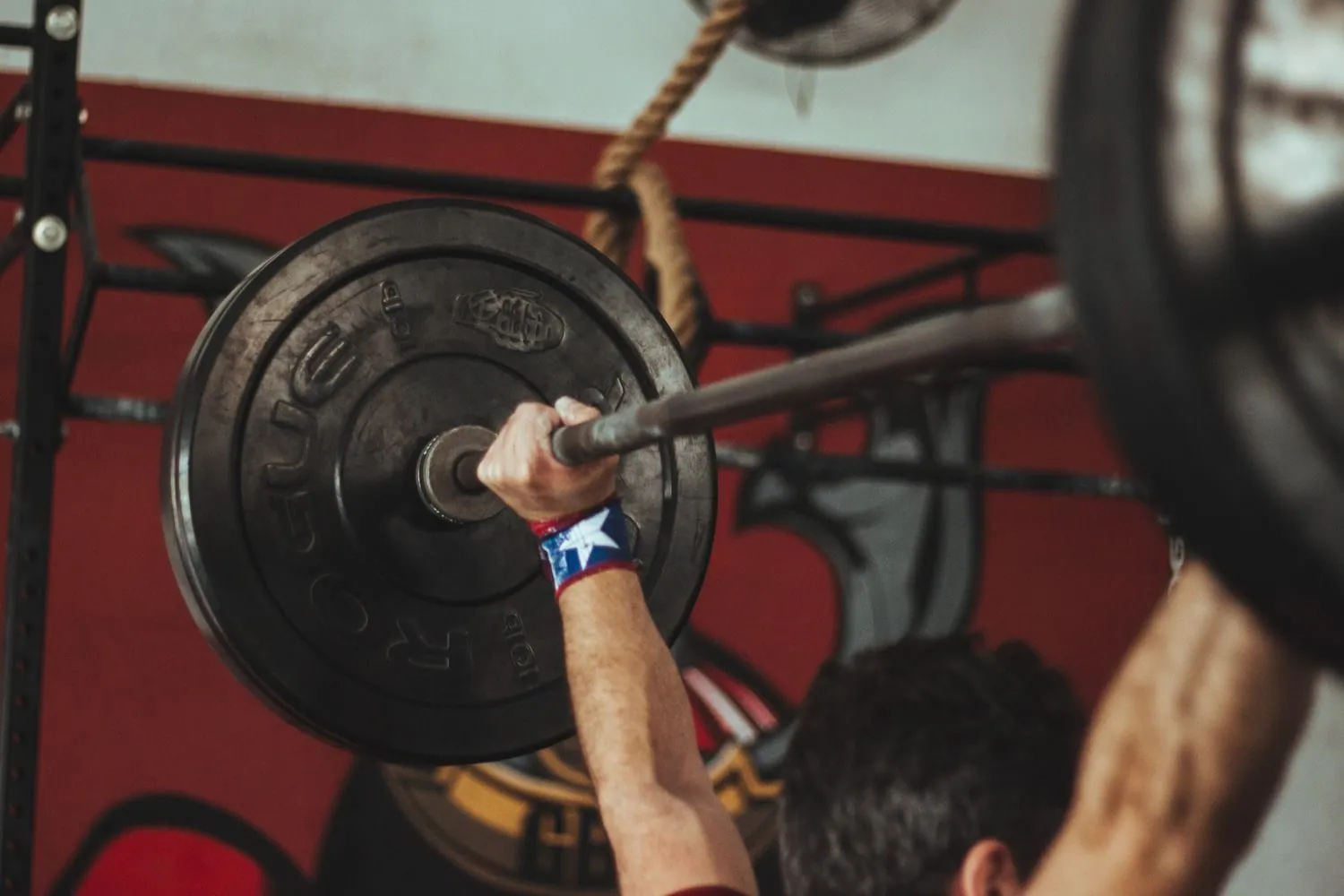
Four muscle-gain diet myths, corrected
Myth 1: you must eat in a big surplus. Past the beginner stage your body can only build a small amount of new muscle each month. Calories beyond what that needs are stored as fat. A bigger surplus buys a little extra muscle at a large fat cost.
Myth 2: cut roti and rice to stay lean. Carbs fuel training and recovery. Two to four rotis or a katori or two of rice a day is normal in a muscle gain diet plan. Cutting them usually means worse workouts and less food overall.
Myth 3: you need protein powder. You do not. Eggs, paneer, curd, dal, soya, chicken and fish can cover your target. Powder is a convenience if you keep falling short, not a requirement.
Myth 4: more protein always means more muscle. Benefits flatten out somewhere around 2.2 g per kg a day for most people. Going well beyond that mainly raises your grocery bill.
Your numbers: a 70 kg walkthrough
Here is the arithmetic for a 70 kg man with a moderately active routine. Treat every figure as a starting estimate, because real maintenance can be 10 to 15% higher or lower.
- Estimate maintenance: body weight in kg x 30 to 35 kcal. 70 x 33 is about 2,300 kcal.
- Add the surplus: 300 to 400 kcal gives about 2,600 to 2,700 kcal. This is how many calories to gain muscle without piling on fat.
- Set protein: 70 x 1.8 g is about 125 g, which is about 500 kcal. The full range is roughly 110 to 155 g.
- Set fat: about 1 g per kg is 70 g, or about 630 kcal.
- Fill the rest with carbs: about 1,570 kcal left, so roughly 390 g carbohydrate.
- Weigh weekly: same morning, same conditions, then compare weekly averages. If nothing moves for 2 to 3 weeks, add 100 to 200 kcal.
Women and lighter lifters can scale the same method down. A 55 kg woman, for example, would aim for roughly 88 to 120 g of protein a day and a surplus nearer 200 to 300 kcal.
How much protein is in common Indian foods?
Common Indian foods give about these amounts: 100 g cooked chicken breast about 30 g protein, 100 g paneer about 18 g, one egg about 6 g, 30 g dry soya chunks about 15 g, and a katori of cooked dal about 8 g. Combining three or four of these daily usually reaches 110 to 150 g.
| Food | Portion | Protein (about) | Energy (about) |
|---|---|---|---|
| Chicken breast, cooked | 100 g | 30 g | 165 kcal |
| Paneer | 100 g | 18 g | 280 kcal |
| Soya chunks, dry | 30 g | 15 g | 100 kcal |
| Whole egg | 1 large | 6 g | 70 kcal |
| Toned milk | 250 ml glass | 8 g | 150 kcal |
| Curd (dahi) | 200 g bowl | 7 g | 120 kcal |
| Dal, cooked | 1 katori (150 g) | 8 g | 150 kcal |
| Rajma, cooked | 1 katori (150 g) | 8 g | 170 kcal |
| Roasted chana | 30 g handful | 6 g | 110 kcal |
| Peanuts | 30 g | 8 g | 170 kcal |
| Whole-wheat roti | 1 medium | 3 g | 110 kcal |
| Cooked rice | 1 katori (150 g) | 4 g | 195 kcal |
Values vary with brand, recipe and how much oil goes into the pan, so use them for planning, not precision. For more protein-rich ideas and a week-long chart, see our high-protein Indian diet plan.
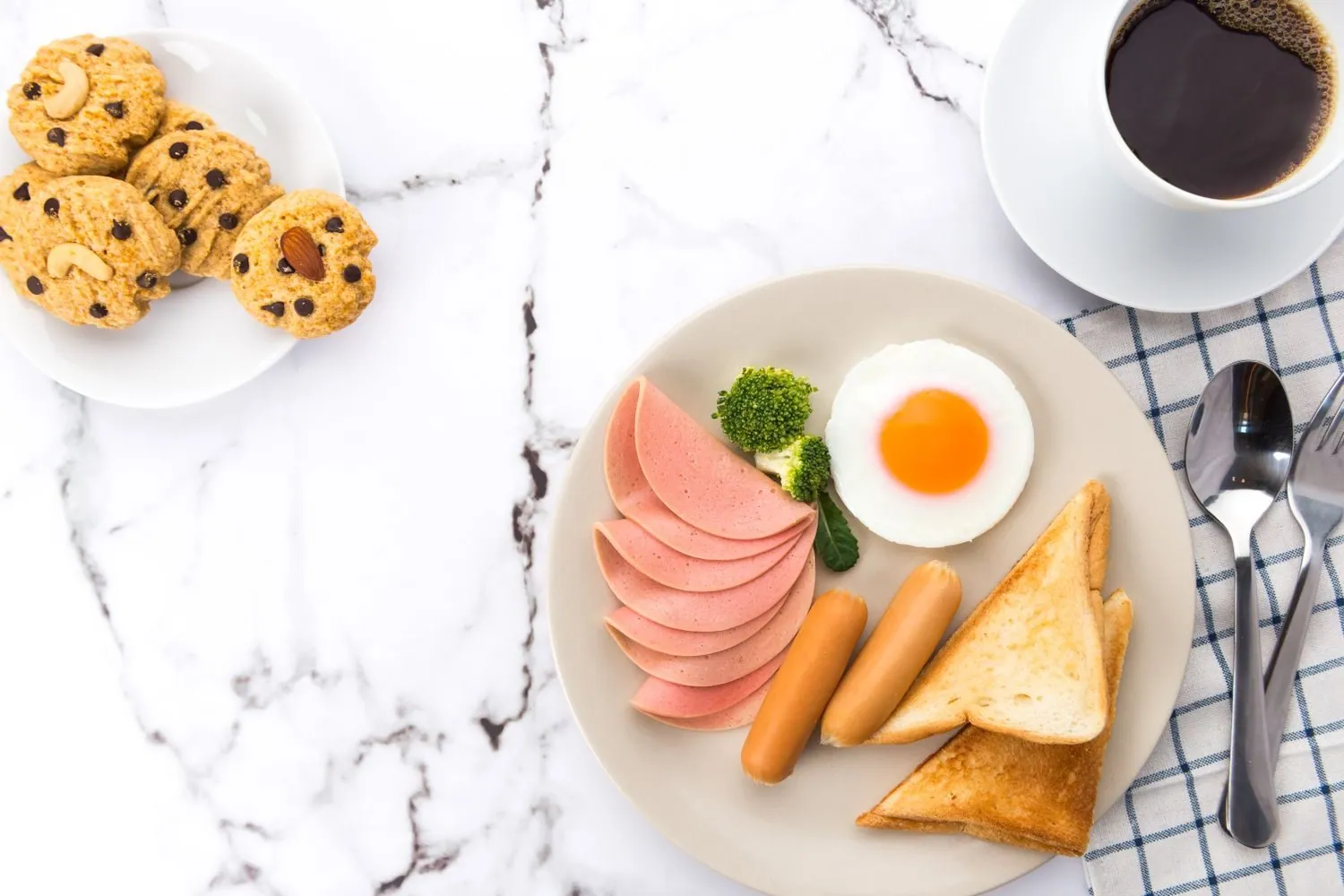
A sample day of eating for a 70 kg lifter
This day comes to roughly 2,800 kcal and about 135 g of protein, close to the walkthrough above. It is a template to adjust, not a prescription. Vegetarians can swap eggs and chicken for paneer, soya chunks or an extra katori of dal.
| Meal | What to eat | Protein (about) | Energy (about) |
|---|---|---|---|
| Early morning | 1 glass milk and 1 banana | 9 g | 250 kcal |
| Breakfast | 3-egg omelette (or 100 g paneer bhurji) with 2 rotis | 24 g | 500 kcal |
| Mid-morning | 1 bowl curd with a seasonal fruit | 7 g | 200 kcal |
| Lunch | 1 katori rice, 1 roti, 1.5 katori dal, 100 g chicken curry (or paneer sabzi), salad | 44 g | 830 kcal |
| Evening | 40 g roasted chana and 20 g peanuts | 13 g | 260 kcal |
| Dinner | 2 rotis, 1 katori rajma (or 40 g soya chunks curry), vegetable sabzi, 100 g curd | 30 g | 600 kcal |
| Bedtime | 1 glass milk | 8 g | 150 kcal |
| Total | about 135 g | about 2,790 kcal |
Time your carbs and protein around training using our guide on what to eat before and after a workout. A banana and curd beforehand, then a roti-dal-egg or paneer meal afterwards, works well.
How much muscle can you realistically gain per month?
Natural beginners can gain roughly 0.5 to 1 kg of muscle a month in the first year, intermediates about 0.2 to 0.4 kg, and advanced lifters about 0.1 to 0.2 kg. Women usually sit at the lower end of each range. Scale weight rises faster than that, because water, glycogen and some fat come along.
These are averages, and sleep, stress, genetics and programming shift them. The pattern is what matters: the rate falls sharply as training age rises. If you are three years in and gaining a pound every couple of months, that is normal, not failure.
It also explains why a huge surplus backfires for intermediate and advanced lifters. If your body can add only about 0.3 kg of muscle a month, extra calories beyond that mostly become fat.
Vegetarians, women and hard gainers: what changes
Vegetarians and eggetarians. A typical vegetarian thali often falls short of 100 g of protein. A vegetarian diet for muscle gain closes the gap with one protein anchor per meal: 100 g paneer, 40 g soya chunks, a bowl of curd, sprouts, or an extra katori of dal. Dal with roti or rice is a sensible pairing. Eggetarians can add two to four eggs a day.
Women. The per-kg protein target is the same, only the absolute numbers are smaller. A small surplus will not make you “bulky” overnight.
Hard gainers. If you struggle to eat enough, add energy-dense foods rather than bigger plates: a teaspoon of ghee on dal or roti, a banana and milk shake, peanuts, or an extra roti. Our guide to nutrition and diet for weight gain has more ideas for low appetite. If you are losing weight without trying, see a doctor first.
Troubleshooting: the scale will not move, or only your waist does
- No change after 3 weeks of tracking: add 150 to 200 kcal, for example an extra roti with ghee or a banana milk shake, and wait another 2 to 3 weeks.
- Gaining faster than about 0.5 kg a week: trim 150 to 200 kcal. Faster than that, most of it is fat.
- Waist growing faster than strength: the surplus is too large, or training has stalled. Fix the plan before adding food.
- Low appetite: use liquid calories such as milk, lassi and smoothies, and eat smaller meals more often.
- Strength is flat: check sleep first, then the program. Food cannot rescue a routine with no progressive overload.
Diet only works alongside lifting. Beginners can follow a home workout for muscle gain, and anyone who wants form checks and weekly progression can book 1-1 personal training. For the extra detail on competition-style eating, read bodybuilding nutrition.
When to see a doctor or dietitian
Check with your doctor or a registered dietitian before raising protein or calories if you have kidney, liver, heart or digestive conditions, diabetes, are pregnant or breastfeeding, are under 18, or have ever had disordered eating. If you take regular medication, do not change it because of a diet change. Speak to a doctor too if you cannot gain weight despite eating well, or if you are losing weight without trying.
Skip unregulated “mass gainer” products and anything that promises overnight size. No diet guarantees results, and the safe version of this goal is slow, steady and measurable. If you want help turning this into a plan, a nutritionist can help build muscle by removing the guesswork.
Frequently asked questions
Can I build muscle without eating in a calorie surplus?
Yes, especially if you are a beginner or carrying extra body fat. With progressive resistance training and about 1.6 g of protein per kg a day, you can add muscle at maintenance calories or a small deficit. The pace is usually slower than with a modest surplus.
How much protein do I need per day to build muscle?
Most people do well with about 1.6 to 2.2 g of protein per kg of body weight daily. For a 70 kg person that is roughly 110 to 155 g. Spread it over three to five meals, and see a doctor first if you have kidney or liver issues.
What is the best diet for muscle gain for vegetarians?
Build every meal around a protein anchor such as paneer, curd, soya chunks, sprouts, dal or rajma, and add milk or eggs if you eat them. Aim for the same 1.6 to 2.2 g per kg target. It usually takes one extra serving of protein food per meal.
How many calories above maintenance should I eat to gain muscle?
For a lean bulk, about 250 to 400 kcal above maintenance is a sensible range. Beginners and people with higher body fat can start at maintenance. If your weight is flat after 2 to 3 weeks, add 100 to 200 kcal and reassess.
How long does it take to see muscle gain from diet and training?
Strength usually improves within the first 3 to 4 weeks, while visible changes often take about 8 to 12 weeks of consistent training and eating. Beginners see results sooner, and advanced lifters may need many months for small changes.
Want numbers built around your body weight, food preferences and training days? Book an online nutritionist consultation with Fitstrot and get a muscle-gain plan you can follow from your own kitchen.


