
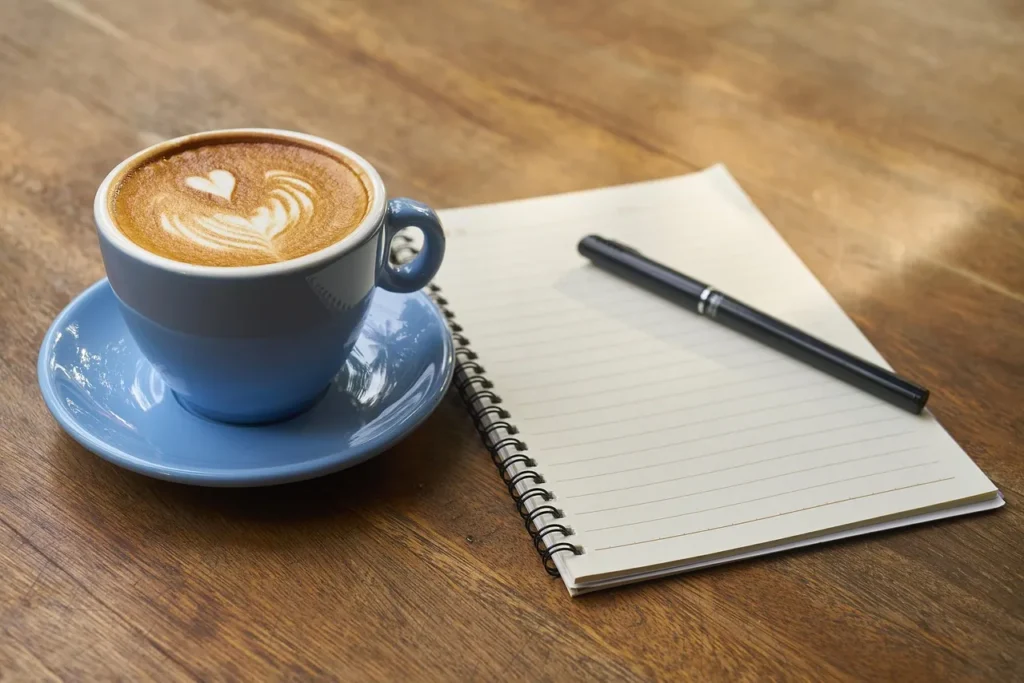
A cup of coffee before workout is probably the most-tested pre-exercise habit in sports science. Caffeine, the main active compound, reliably makes aerobic sessions feel easier and can nudge strength, sprint and endurance numbers up a little. But the benefit depends on three things most people get wrong: how much caffeine is actually in the cup, how long before training you drink it, and how late in the day you train. This guide works through all three with Indian cups in mind (filter coffee, instant coffee, masala chai), gives you a dose table by body weight, and is honest about who should skip it.
Is it a good idea to drink coffee before workout?
For most healthy adults, yes. The International Society of Sports Nutrition’s 2021 position stand concluded that caffeine consistently improves exercise performance at 3–6 mg/kg body mass, with the clearest, moderate-to-large benefits for aerobic endurance. Coffee counts as a caffeine source. The catch: responses vary between people, and very high doses (around 9 mg/kg) mainly add side effects.
The ISSN statement (Guest et al., Journal of the International Society of Sports Nutrition, 2021) pulls together dozens of trials. The benefits it lists are small to moderate improvements in muscular endurance, movement velocity, muscular strength, sprinting and jumping, plus better attention and vigilance. It also notes the minimum effective dose may be as low as 2 mg/kg. That matters, because the lower end of the range carries far less risk of jitters and bad sleep.
In 2023 the same society published a separate position stand on coffee specifically, rather than caffeine pills (Lowery et al., JISSN, 2023). It concluded that roughly two to four cups (about 473–946 ml) of typical hot-brewed or instant coffee, providing 3–6 mg/kg of caffeine, taken 60 minutes before exercise, is the practical dosing window, and that coffee is “generally considered safe and beneficial for healthy, exercising individuals” in that range.
So the honest answer to “coffee before workout good or bad?” is: good for most healthy adults at a sensible dose and a sensible time of day, pointless or counterproductive at the wrong dose or too close to bedtime.
Benefits of coffee before workout, and what the trials actually measured
It helps to know what “benefit” means in a lab, because it is smaller and more specific than supplement marketing suggests.
- Endurance: the most consistent effect. Runs, rides, long Zumba or HIIT blocks feel easier at the same pace, so people tend to go slightly harder or longer before fatigue.
- Strength and power: small improvements in reps-to-failure, bar speed and jump height. Useful, but not a substitute for progressive overload.
- Focus: better attention and reaction time, which is the effect most people actually notice at a 6 am session.
What it does not do: build muscle, replace a pre-workout meal, or fix an inconsistent programme.
Black coffee before workout benefits compared with milk coffee and chai
The caffeine does the performance work, and it is the same whether the coffee is black or milky. Black coffee has two practical advantages: almost no calories, and faster digestion, so less chance of a heavy stomach during jumps or burpees. Milk coffee is fine if black coffee gives you acidity; drink it closer to 60 minutes out. Masala chai is a lighter dose that suits yoga or caffeine-sensitive beginners. Pre-workout powders often pack 150–300 mg or more per scoop, which makes overshooting easy; most people do not need them.
How much coffee before workout? Find your dose by body weight
Aim for 2–3 mg of caffeine per kg of body weight to start. For a 60 kg adult that is 120–180 mg, roughly 1.5–2 cups of brewed coffee at about 100 mg per 150 ml cup. The research range stretches to 6 mg/kg, but ISSN’s 2021 review says doses near 9 mg/kg mostly add side effects, and higher doses break common safety limits.
Two safety numbers frame the table. The European Food Safety Authority concluded that single doses up to 200 mg, and daily intakes up to 400 mg, do not raise safety concerns for healthy non-pregnant adults, including single doses taken before intense exercise (EFSA, caffeine safety opinion, 2015). India’s own guidance is stricter: the ICMR-National Institute of Nutrition advises keeping caffeine below a tolerable limit of 300 mg a day (ICMR-NIN Dietary Guidelines for Indians, 2024).
| Body weight | 2 mg/kg (low, start here) | 3 mg/kg (standard) | 6 mg/kg (upper research dose) | Brewed cups at 3 mg/kg* |
|---|---|---|---|---|
| 50 kg | 100 mg | 150 mg | 300 mg | About 1.5 cups |
| 60 kg | 120 mg | 180 mg | 360 mg | About 2 cups |
| 70 kg | 140 mg | 210 mg | 420 mg ⚠ | About 2 cups |
| 80 kg | 160 mg | 240 mg ⚠ | 480 mg ⚠ | About 2.5 cups |
| 90 kg | 180 mg | 270 mg ⚠ | 540 mg ⚠ | About 2.5–3 cups |
*Assumes about 100 mg per 150 ml cup of brewed coffee, the midpoint of ICMR-NIN’s 80–120 mg range. ⚠ = above EFSA’s 200 mg single-dose level or FDA’s 400 mg daily level, or leaves little room under ICMR-NIN’s 300 mg/day once the rest of your day’s tea and coffee is counted.
Note the warning marks. The 6 mg/kg dose exists because athletes were tested at it, not because recreational lifters need it. For health, strength or fat-loss training, a single pre-workout serving of about 100–200 mg is the sensible ceiling. Count your breakfast and afternoon chai too: daily limits cover every source.

Caffeine in Indian coffee and chai, cup by cup
You cannot dose by mg/kg without knowing what is in your cup. Indian servings are smaller than the 240 ml “cup” in most American charts, so this table uses the ICMR-NIN 150 ml cup where possible.
| Drink | Serving | Caffeine (approx.) | Source |
|---|---|---|---|
| South Indian filter coffee / brewed coffee | 150 ml cup | 80–120 mg | ICMR-NIN 2024 |
| Instant coffee (Nescafé-style) | 150 ml cup | 50–65 mg | ICMR-NIN 2024 |
| Instant coffee, large mug | Mug (UK serving) | About 100 mg | NHS |
| Tea / masala chai | 150 ml cup | 30–65 mg | ICMR-NIN 2024 |
| Brewed coffee, café-size | 240 ml (8 oz) | About 96 mg | Mayo Clinic |
| Espresso | 30 ml (1 oz) | About 63 mg | Mayo Clinic |
| Green tea | 240 ml | About 29 mg | Mayo Clinic |
| Decaf brewed coffee | 240 ml | About 1 mg | Mayo Clinic |
| Energy drink | 240 ml | About 79 mg | Mayo Clinic |
Sources: ICMR-NIN 2024; Mayo Clinic caffeine content chart; NHS. Real values swing with bean type, roast, grind and how strong the decoction is.
Three takeaways. A strong filter decoction is the most caffeine-dense everyday Indian option; one tumbler can put a 50–60 kg person near 2 mg/kg. Two cups of chai roughly equal one cup of filter coffee. And café drinks are the wild card: the NHS notes coffee-shop coffee can contain more than a standard instant cup.

When to take coffee before workout (and when it is too late in the day)
Drink it 30–60 minutes before you start. The ISSN caffeine position stand says 60 minutes pre-exercise is the most commonly used timing, and its 2023 coffee stand also recommends about 60 minutes. Evening trainers must also count backwards from bedtime: 400 mg of caffeine taken 6 hours before bed still significantly disrupted sleep in a 2013 study.
That sleep trial (Drake et al., Journal of Clinical Sleep Medicine, 2013) gave the same caffeine dose at bedtime, 3 hours before and 6 hours before, and all three disrupted sleep compared with placebo. The authors concluded people should avoid substantial caffeine for at least 6 hours before bed. EFSA separately notes that even a 100 mg dose can affect sleep in some adults when taken close to bedtime. Poor sleep costs more than one cup of coffee gains.
| Workout time | Drink coffee at | Hours before bed | Verdict |
|---|---|---|---|
| 6:00 am gym or run | 5:00–5:30 am | 17+ | Ideal. Full dose (2–3 mg/kg) is fine. |
| 8:00 am online yoga or Zumba | 7:00–7:30 am | 15+ | Fine. A cup of chai is often enough for yoga. |
| 1:00 pm lunch-break session | 12:00–12:30 pm | 10+ | Fine. Keep it 1 hour away from lunch (iron absorption, see below). |
| 5:30 pm after-work session | 4:30–5:00 pm | 6–6.5 | Borderline. Use the low dose (about 2 mg/kg) or half a cup. |
| 7:30 pm evening class | 6:30–7:00 pm | 4–4.5 | Skip or switch to decaf. Sleep cost likely outweighs the gain. |
If you mostly train in the evening, plan around it instead of fighting it. Evening sessions already tend to feel stronger for many people, and for Zumba in particular we have a separate guide on the best time to do Zumba that covers energy, meals and sleep.
Walkthrough: how to make black coffee before workout at home
You do not need a café machine, just a known, repeatable dose.
- Pick your base. For a lighter, predictable dose, use instant coffee: 1 level teaspoon (about 2 g) in 150 ml water lands near the 50–65 mg ICMR-NIN range. For a stronger dose, use filter coffee decoction.
- Measure the water. Use a 150 ml steel tumbler or a measured cup so the dose is not guesswork.
- Use hot, not boiling, water for instant coffee, then let it cool to drinkable. For filter coffee, 1–2 tablespoons of decoction topped with hot water gives an americano-style black coffee.
- Skip the sugar, or keep it to half a teaspoon. If black coffee is too bitter, add a pinch of cinnamon or a splash of milk rather than two spoons of sugar.
- Drink it 30–60 minutes out, alongside a glass of water.
- Log it for two weeks: dose, timing, how the session felt, how you slept.
If you train early and cannot eat a full meal, pair the coffee with something small: a banana, two to three dates, or a slice of toast. For people who want protein in the same window, our sibling guide on eggs before workout covers timing and portions.

Black coffee before workout for weight loss: the myth versus the real number
Myth: black coffee before a workout “melts fat.” Reality: caffeine does raise fat use during exercise a little, but the extra calories are small. In a 2021 trial, 3 mg/kg caffeine raised maximal fat oxidation by 10.7% in the morning and 29% in the afternoon in active, caffeine-naïve men. That is grams of fat, not kilos.
Here is the arithmetic from that study (Ramírez-Maldonado et al., JISSN, 2021). Peak fat burning rose from 0.28 to 0.31 g per minute in the morning and from 0.31 to 0.40 g per minute in the afternoon. Even if you held that peak rate for a full 45 minutes, which nobody does, the extra fat burned would be about 1.4 g in the morning and about 4 g in the afternoon, roughly 12–36 kcal. One teaspoon of sugar in the same coffee adds around 16–20 kcal and cancels much of that.
Where coffee genuinely helps fat loss is indirect: sessions feel easier, so you may train a little harder or more consistently. Body-fat change still comes from the weekly calorie balance, protein intake, sleep and training over months. If fat loss is your goal, get that structure right first; Fitstrot’s online nutritionist consultation can build an Indian meal plan around your training and your tea-and-coffee habits.
Note also that the participants did not drink coffee regularly, so habitual drinkers may see smaller effects. Fasted black-coffee cardio is fine if you feel good doing it, but it is not required.
Pros and cons of drinking coffee before workout
| Pros | Cons |
|---|---|
| Consistent endurance benefit at 3–6 mg/kg (ISSN 2021) | Sleep disruption if taken within about 6 hours of bed (Drake 2013) |
| Small gains in strength, power and reps | Jitters, fast heartbeat, anxiety at higher doses (FDA) |
| Better focus and reaction time | Acidity or loose stools in some people, especially on an empty stomach |
| Cheap, available everywhere in India | Easy to exceed ICMR-NIN’s 300 mg/day once chai is counted |
| Black coffee has almost no calories | Tannins interfere with iron absorption if drunk with meals (ICMR-NIN) |
| Can make sessions feel easier, supporting consistency | Responses vary by genetics; some people feel no benefit at all |
The US Food and Drug Administration lists the signs of too much caffeine as a fast heart rate, palpitations, high blood pressure, insomnia, anxiety, jitters, upset stomach, nausea and headache, and cites 400 mg a day as the amount not generally associated with negative effects for most healthy adults (FDA, Spilling the Beans). It also warns that rapidly consuming around 1,200 mg, a risk mainly with pure caffeine powders, can cause seizures.

Who should skip or cap coffee before training
Caffeine is safe for most adults, but not for everyone, and not at every dose. Talk to your doctor before using caffeine as a training aid if any of these apply to you.
- Pregnant or trying to conceive: the NHS says to stay under 200 mg of caffeine a day from all sources, and EFSA sets the same 200 mg level. A pre-workout coffee plus two cups of chai can pass that. ICMR-NIN also advises pregnant women to minimise coffee and tea.
- Breastfeeding: caffeine passes into breast milk; ICMR-NIN advises caution. Discuss your limit with your doctor.
- High blood pressure, heart rhythm problems or palpitations: caffeine can raise heart rate and blood pressure. Get medical advice first.
- Anxiety or panic disorder: caffeine can mimic or trigger symptoms.
- Acid reflux, gastritis or IBS: black coffee on an empty stomach commonly makes symptoms worse. Try it with food, or use chai.
- Iron-deficiency anaemia (common in Indian women): ICMR-NIN advises avoiding tea and coffee for at least one hour before and after meals because tannins reduce iron absorption.
- Teenagers: EFSA proposes no more than 3 mg/kg a day for children and adolescents, and the FDA notes experts advise against energy drinks for children and teens. A teen athlete does not need pre-workout caffeine.
- Anyone on medication: some drugs interact with caffeine. Ask your doctor or pharmacist; do not change your medicines to fit your coffee.
Troubleshooting: jitters, acidity, tolerance and bad sleep
“I feel shaky and my heart races during the warm-up.” Your dose is too high for you. Drop to about 2 mg/kg, or switch to chai. The ISSN notes that genetic differences in caffeine metabolism (the CYP1A2 enzyme) explain much of the variation, so a dose that suits your gym partner may not suit you.
“I get acidity or need the toilet mid-session.” Drink it 60 rather than 30 minutes before training, have it with a small snack, and avoid it entirely on a fully empty stomach if this keeps happening.
“It stopped working.” Daily heavy intake builds tolerance. The ISSN lists habitual intake as one factor in individual response. Rather than increasing the dose, keep total daily caffeine moderate and save the stronger cup for your hardest sessions.
“I sleep badly on training days.” Check the timing table. If the coffee falls within 6 hours of bedtime, move the session, lower the dose, or use decaf. For high-intensity interval days late in the evening, see our HIIT workout routine guide for ways to structure effort without leaning on stimulants.

Coffee before workout: frequently asked questions
Is it good to drink coffee before a workout?
For most healthy adults, yes. The ISSN’s 2021 position stand found caffeine at 3–6 mg/kg consistently improves exercise performance, especially endurance. Keep the dose moderate, drink it 30–60 minutes before training and at least 6 hours before bed. Skip or limit it if you are pregnant, have heart rhythm problems or get anxiety from caffeine.
How long before a workout should I drink coffee?
Drink it 30–60 minutes before you start. The ISSN caffeine and coffee position stands both identify about 60 minutes as the most common, well-tested timing. If coffee sits heavy in your stomach, lean towards 60 minutes.
How many cups of coffee should I drink before a workout?
For most people, one to two regular cups is enough. At about 100 mg per 150 ml cup of brewed coffee, two cups give a 60–70 kg person roughly 3 mg/kg. EFSA considers single doses up to 200 mg safe for healthy adults, and ICMR-NIN advises staying under 300 mg a day from all sources.
Is black coffee or milk coffee better before a workout?
The caffeine effect is the same. Black coffee is better if you want minimal calories and a lighter stomach; milk coffee is fine if black coffee gives you acidity. Just count the milk and sugar calories if you are trying to lose fat.
Does black coffee before a workout burn fat?
Only slightly. A 2021 trial found 3 mg/kg caffeine raised peak fat oxidation by 10.7% in the morning and 29% in the afternoon, which works out to a few grams of extra fat per session. Fat loss depends on your overall calorie balance, not the coffee.
Can I drink coffee before an evening workout?
Only if the cup is at least 6 hours before bedtime. A 2013 sleep study found 400 mg of caffeine taken 6 hours before bed still disrupted sleep. For a 7–8 pm session with an 11 pm bedtime, skip it, use half a cup, or choose decaf.
Is chai a good pre-workout drink?
Yes, as a lighter option. ICMR-NIN puts tea at 30–65 mg of caffeine per 150 ml cup, about half a cup of filter coffee. That suits yoga, walking or beginners sensitive to caffeine. Keep the sugar low.
Can I drink coffee before a workout every day?
Yes, if your total daily caffeine stays within limits (ICMR-NIN suggests under 300 mg) and your sleep is unaffected. Regular heavy use can blunt the effect, so many people keep the stronger pre-workout cup for their hardest sessions.
Your next step: tonight, write down your body weight, multiply it by 2, and make tomorrow’s pre-workout coffee match that number in mg using the tables above. If you want a coach to plan the training that coffee is meant to support, book a 1-on-1 personal training trial with Fitstrot.


