
Can we drink water after yoga? Yes. Rehydrating after practice is normal, safe and, after a sweaty class, necessary. The more useful questions are how soon, how much, and whether plain water is enough. This guide answers all three with timings, millilitre targets and real sweat data from heated-yoga studies, plus what to do before and during class so you never have to choose between a full bottle and a comfortable forward fold.
Yoga is not a gym session: you twist, fold and invert, and many Indians practise at 6 a.m. before breakfast. A litre of water sloshing in your stomach during Paschimottanasana is a real problem, so timing matters as much as volume.
Can we drink water after yoga?
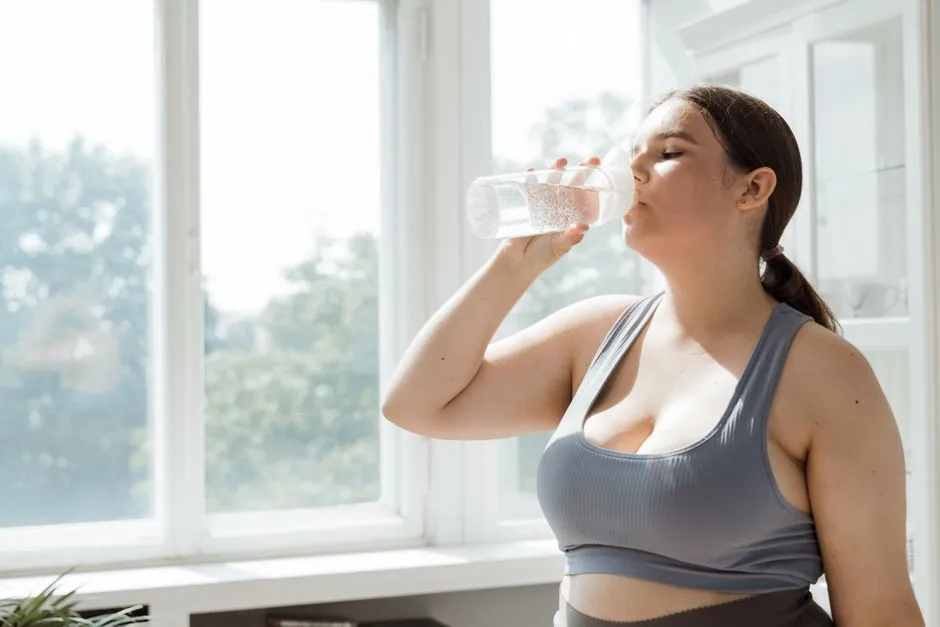
Yes, you can drink water right after yoga. There is no clinical evidence that waiting 30 minutes protects digestion or “locks in” benefits. After a gentle 45–60 minute hatha class, a glass or two (250–500 ml) over the next half hour is usually enough. After hot yoga, where one small 2020 study measured about 1.5 L of sweat per 90-minute class, you need considerably more, spread over several hours.
Many teachers ask you to wait 10–15 minutes after Shavasana before drinking. That is etiquette that lets your breath settle, not a physiological rule. If you finish a power or hot class thirsty and light-headed, drink immediately.
When to drink water after yoga: a simple rule
Sip within the first 15 minutes, then keep drinking with your next meal. The American College of Sports Medicine’s 2007 position stand on exercise and fluid replacement says the goal after exercise is to replace any fluid and electrolyte deficit, and that most people rehydrate mainly during and after meals (ACSM, Medicine & Science in Sports & Exercise, 2007). In practice: a glass after class, then breakfast with chaas or poha.
Drinking water before yoga: good or bad?
Drinking water before yoga is good, as long as you time it. A glass of 200–300 ml taken 30–60 minutes before class hydrates you without leaving fluid in your stomach during twists and inversions. What causes discomfort is gulping 500 ml or more in the last five minutes. The ACSM advises starting exercise already hydrated, with fluids taken “several hours” beforehand.
Pre-hydration is not a single glass at the studio door; it is what you drank the previous evening. Pale yellow urine in the morning means you are starting well.
Can we drink water before yoga on an empty stomach?
Yes. Yoga on an empty stomach is the classical recommendation, and water does not break that rule in any meaningful way: it leaves the stomach much faster than food. For a 6 a.m. practice, drink one glass as soon as you wake, go through your morning routine, and start class 30–45 minutes later. If you practise in the evening, keep a 2–3 hour gap after a full meal and treat water the same way: a glass about 45 minutes before, then small sips only.
The yoga hydration timeline, minute by minute
This is the table to save. It covers a regular class at room temperature and a heated class, because the numbers are very different.
| Time | Regular hatha / vinyasa (60 min) | Hot yoga (60–90 min, 35–40°C) | Why |
|---|---|---|---|
| Evening before | Normal intake; pale urine by bedtime | Normal intake plus 1 extra glass; salt your dinner normally | You cannot catch up on a deficit in one glass |
| On waking / 2 h before | 250 ml | 300–500 ml | Time for absorption and one toilet trip |
| 30–60 min before | 150–250 ml | 250 ml | Top-up that empties before twists and inversions |
| Last 15 min | Nothing, or a few sips | A few sips | A full stomach is uncomfortable in folds |
| During class | Usually not needed; sip if thirsty | Small sips (100–150 ml) every 15–20 min at breaks | Sweat losses in heat are large |
| 0–15 min after | 200–250 ml | 400–500 ml | Start replacing losses |
| Next 2–4 hours | Normal meals and drinks | Another 0.75–1 L with salty food or an electrolyte drink | Replace water and sodium together |
These are practical ranges, not prescriptions; body size, room temperature and sweat rate change them.
Can we drink water during yoga?
Yes, small sips during a natural pause are fine in any style. In a slow hatha or yin class most people do not need to drink at all. In a fast vinyasa, Ashtanga or heated session, sipping at the transitions between sequences is sensible. Avoid drinking just before inversions such as Sarvangasana or deep twists, and never gulp: 3–4 sips at a time is enough.
How much water to drink in a day when you practise yoga
Most healthy Indian adults need about 2 litres of drinking water a day, including other beverages, according to the ICMR-NIN Dietary Guidelines for Indians (2024), with more in hot weather and during vigorous activity. Mayo Clinic puts total fluid (food plus drinks) at about 2.7 L for women and 3.7 L for men. A regular yoga class adds only a few hundred millilitres; hot yoga can add 1.5 L.
The ICMR-NIN figure comes from Guideline 14, which says a normal healthy person needs about eight glasses, roughly two litres, of water including beverages per day, and that this requirement rises “during very hot weather and while undertaking vigorous physical activity” (ICMR-NIN Dietary Guidelines for Indians, 2024). The same document names tender coconut water and lemon water as useful ways to meet fluid needs. Mayo Clinic’s higher range of 11.5 cups (2.7 L) for women and 15.5 cups (3.7 L) for men counts all fluid, including what you get from food (Mayo Clinic). Dal, sabzi, curd and fruit supply the difference.
| Your day | Estimated extra sweat loss | Total drinking water to aim for | Plain water enough? |
|---|---|---|---|
| Rest day, indoors, mild weather | None | About 2 L (ICMR-NIN baseline) | Yes |
| 45–60 min hatha, yin or restorative | Small; often under 250 ml | 2–2.25 L | Yes |
| 60 min vinyasa, power or Ashtanga | Roughly 250–750 ml, depending on sweat rate | 2.25–2.75 L | Yes, with normal meals |
| 90 min hot / Bikram-style class | 0.6–1.1 L per hour measured in lab studies; ~1.5 L per class | 3–3.5 L | Add salt: nimbu pani, chaas or ORS |
| Any class in an Indian summer (35°C+ outdoors, no AC) | Varies widely | Drink to pale urine; often 3 L+ | Often needs sodium too |
Measure your own sweat rate in 2 minutes
The ACSM notes that sweat rates vary so much between people that fluid plans should be individual, and that you can estimate your own by weighing yourself before and after exercise. Here is the walkthrough:
- Use the toilet, then weigh yourself in light clothing just before class. Note it (for example, 62.4 kg).
- Practise as usual. Note how much you drink (for example, 250 ml).
- Towel off and weigh yourself again in the same clothing (for example, 61.7 kg).
- Weight lost (0.7 kg) plus water drunk (0.25 L) = about 0.95 L of sweat in that session. One kilogram of weight lost is roughly one litre of fluid.
Repeat for two or three classes to know your own number. The same ACSM statement says the goal during exercise is to prevent a water deficit greater than 2% of body weight; for a 60 kg person that is 1.2 kg. A review of cognitive research found that dehydration of just 2% already impairs attention and psychomotor skills (Adan, Journal of the American College of Nutrition, 2012), which are exactly the skills you use to balance in Vrikshasana.
Hot yoga changes every number
Heated yoga is where hydration stops being optional. In a San Diego State University study of 24 adults doing a standard 90-minute Bikram class, novices sweated about 0.6 kg per hour and experienced practitioners about 1.1 kg per hour, and the average session burned 286 kcal (Pate & Buono, Alternative Therapies in Health and Medicine, 2014). Notice the direction: experienced students sweated nearly twice as much as beginners, so regulars should not assume they need less water.
A 2020 feasibility study measured what that sweat actually contains. Five experienced women practising in a room at 105°F (about 40.5°C) with 40% humidity lost an estimated 1.54 L of sweat in 90 minutes but drank only 0.38 L, replacing about 25% of the loss. Their sweat carried an estimated 6.8 g of sodium chloride, more than the 5 g of salt the ICMR-NIN recommends as a whole day’s limit (Alrefai et al., Physiological Reports, 2020). Caveats: five people is a tiny sample, and one author owns a hot-yoga electrolyte company (disclosed in the paper). The direction is still clear: hot yoga costs a lot of water and salt, and most people under-drink.
For heated classes:
- Bring at least 750 ml into the room and sip at every break.
- Do not attempt hot yoga fasted, hungover, or after a night of poor sleep.
- After class, include salt: nimbu pani with a pinch of salt, salted chaas, or a proper ORS sachet.
- Leave the room if you feel dizzy, confused, stop sweating or get chills: these are heat-illness warning signs.
Myth check: warm water benefits, Ayurveda and “cold water kills agni”
Warm water on waking is a strong Indian and Ayurvedic tradition, and many people find it settling. There is no harm in it. What the evidence does not support are the bigger claims: that warm water “melts fat”, “detoxes” you, or that cold water after yoga damages digestion. We found no clinical trial showing cold water after exercise harms healthy people.
The research on water temperature points the other way for exercise. A systematic review of 14 studies found that all ten studies measuring taste preference favoured cold (0–10°C) or cool (10–22°C) drinks. People drank about 50% more cool fluid during exercise, and cool drinks reduced dehydration by 1.3% of body weight compared with warm drinks (Burdon et al., International Journal of Sport Nutrition and Exercise Metabolism, 2012).
So the honest summary is:
- Warm water on waking before a morning practice: fine if you like it. The benefit is comfort and habit, not fat loss.
- Cool (matka-temperature) water during and after a sweaty class: easier to drink in quantity, which is what matters for rehydration.
- Ice-cold water gulped fast: some people get stomach cramps or a brief “brain freeze”. Sip it instead.
Nimbu pani, chaas or ORS? Choosing a homemade electrolyte drink
For a regular yoga class at room temperature, plain water plus your next meal is enough. Electrolyte drinks earn their place after heavy sweating: hot yoga, long sessions in summer, or a class followed by a long commute in the heat. The ACSM notes that when you rehydrate without a meal, drinks containing sodium restore fluid more completely than plain water, because sodium helps your body hold on to what you drink.
| Drink | Simple home recipe | Best used after | Watch out for |
|---|---|---|---|
| Plain water | Room temperature or matka-cool | Hatha, yin, restorative, most 60-min classes | Alone, not ideal after 1.5 L+ of sweat |
| Nimbu pani (salted) | 500 ml water + juice of half a lemon + a pinch (about 1 g) of salt + 1–2 tsp sugar or jaggery | Vinyasa in summer, hot yoga | Skip or cut the sugar if you have diabetes |
| Salted chaas (buttermilk) | 100 g curd + 300 ml water + pinch of salt, roasted jeera, pudina | Post-class with or as part of a meal | Heavy right before practice |
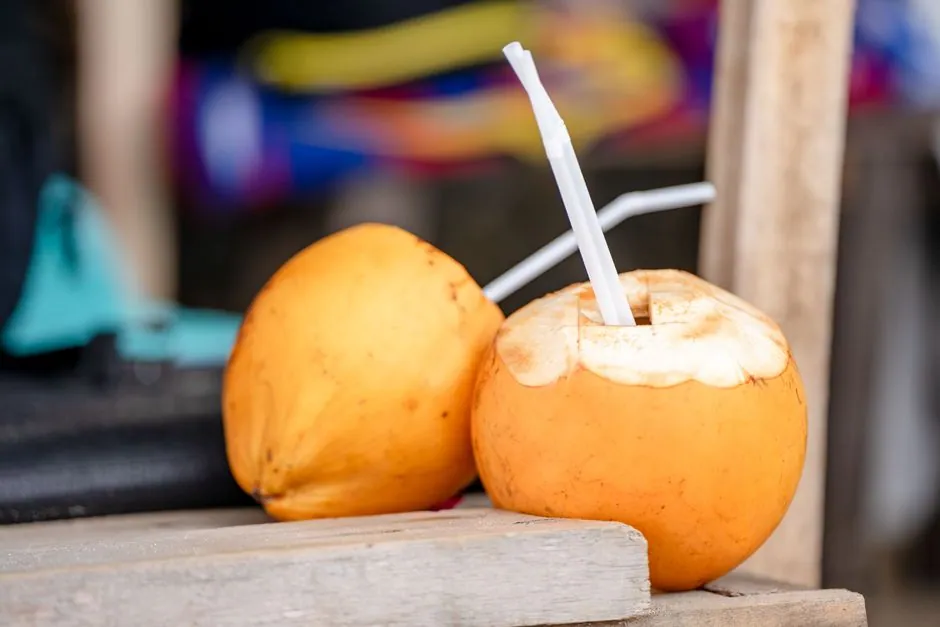
| Tender coconut water | Straight from the nariyal | Warm-weather classes; named by ICMR-NIN as a useful fluid | Mostly potassium, not much salt; eat something salty alongside after hot yoga |
| ORS sachet | Mix exactly as the pack says (usually 1 sachet in 1 L) | Hot yoga with dizziness, heavy sweating, or any class while recovering from diarrhoea | Do not make it stronger than the label |
| Chai or coffee | As usual | Counts towards daily fluid | Not a substitute for water straight after a sweaty class |
If you want a pre-class drink with a little more energy for an evening power session, our guide to a homemade pre-workout drink covers Indian options in detail. If you have high blood pressure, kidney disease or heart failure, check with your doctor before adding salt or ORS. A Fitstrot online nutritionist can also plan fluids and sodium around your practice and your medical advice.
Dehydration symptoms to watch for on the mat
Common dehydration symptoms during or after yoga are thirst, headache, light-headedness when you stand up from a fold, a dry mouth and lips, tiredness, and dark yellow, strong-smelling urine, according to the NHS. Signs of shock, such as confusion, pale or blotchy skin, cold skin or difficulty breathing, need emergency care immediately.
The NHS advice is simple: drink enough through the day so that your pee is a pale colour, and seek urgent advice if dizziness on standing does not go away, you feel unusually tired, or you are peeing less than normal (NHS, Dehydration). On the mat, it often shows up first as a head rush coming out of Uttanasana.
Too much water is also a problem
Overhydration is uncommon but real. When blood sodium falls below 135 mEq/L, the condition is called hyponatremia, and it can cause nausea, headache, confusion, muscle cramps and, in severe cases, seizures (Cleveland Clinic). With healthy kidneys it is very unlikely unless you sweat heavily and replace it with lots of plain water and no electrolytes, which is exactly the hot-yoga scenario. Hence salt, not litres of plain water, after heated classes.
Troubleshooting: what your body is telling you
Match what you feel to the likely cause. If symptoms are severe or do not settle within an hour, stop and see a doctor.
| What you notice | Most likely cause | What to do now | Next time |
|---|---|---|---|
| Sloshing, nausea or burping in twists and folds | Too much water too close to class | Skip deep twists and inversions for 15 min | Finish drinking 30–60 min before |
| Head rush standing up from forward folds | Mild dehydration or low blood pressure | Rise slowly, sit, sip water | Drink 250 ml on waking; check urine colour |
| Headache after a morning class | Started the day dehydrated | Water plus breakfast | Drink more the evening before |
| Calf or foot cramps in hot yoga | Fluid and sodium loss, fatigue | Stretch gently, drink salted nimbu pani or ORS | Sip through class; salt your post-class meal |
| Very dark urine 2 hours after class | Under-replaced sweat | Drink 500 ml over 30 min, then keep going | Weigh before and after to learn your sweat rate |
| Bloated, headachy, clear urine every 20 min, nausea after drinking litres of plain water | Possible overhydration | Stop drinking plain water; eat something salty; seek care if confused | Replace sweat, not more |
Who needs a different hydration plan
The advice above fits healthy adults. These groups should adjust it.
Pregnant women doing prenatal yoga
The ICMR-NIN guidelines advise pregnant and lactating women to take plenty of fluids, over 2 litres per day. Avoid hot yoga entirely during pregnancy unless your obstetrician has specifically cleared it, keep water within reach during every class, and stop if you feel dizzy or overheated.
Older adults
Thirst is a less reliable signal after 60. Drink on a schedule, before and after class, and watch urine colour.
People with kidney, heart or liver conditions
If your doctor has given you a fluid restriction, follow it, not the general targets in this article. The same applies if you take diuretics or other medicines that affect fluid and sodium balance. Never change a medicine to fit your practice.
People with diabetes
Choose unsweetened nimbu pani over sugary electrolyte drinks. Unusual thirst and frequent urination can signal high blood sugar, so mention them to your doctor.
Early-morning practitioners
After a night without fluids, one glass on waking and practice 30–45 minutes later is the simplest routine. Our guide to the best time to workout compares morning and evening sessions. New to the practice? Start with these basic yoga poses in a slower style.
Frequently asked questions
Can we drink water after yoga immediately?
Yes. There is no evidence that drinking water immediately after yoga harms digestion or cancels the benefits. Many teachers suggest waiting 10–15 minutes after a calm practice so your breath settles, but after a sweaty or heated class you can and should start drinking straight away.
How long before yoga should I stop drinking water?
Aim to finish your last glass (150–300 ml) about 30–60 minutes before class. A few sips in the last 15 minutes are fine. Large amounts right before class are the usual cause of nausea in twists, folds and inversions.
Is drinking water before yoga good or bad?
It is good. Starting a class already hydrated protects your balance, concentration and energy. The only problem is timing and volume: a big bottle in the last few minutes can make forward folds and inversions uncomfortable.
Can we drink water during yoga class?
Yes, in small sips at natural pauses. Gentle hatha or yin classes rarely need it, while vinyasa, power and hot yoga often do. Avoid drinking just before inversions and deep twists.
How much water should I drink after hot yoga?
Research on 90-minute Bikram-style classes measured sweat losses of around 1.5 L, and students replaced only about a quarter of it during class. Plan to drink roughly 1–1.5 L over the next few hours, with salt from food, salted nimbu pani, chaas or ORS rather than plain water alone.
Is warm water better than cold water after yoga?
Neither is harmful for healthy people. Warm water is a comfortable morning habit, but it does not burn fat. Research shows people drink about 50% more when fluids are cool, so cool or matka water is often better for rehydrating after a sweaty class.
Do I need electrolytes after every yoga class?
No. After a normal 45–60 minute class at room temperature, water and your next meal replace what you lost. Electrolytes help after hot yoga, long summer sessions or very heavy sweating.
Practise with a teacher who watches your breath and your bottle
Hydration is one small part of a safe practice; sequencing and cues matter more. Fitstrot’s live online yoga classes are taught in real time, so your instructor can adjust the pace on hot days and remind you to sip between sequences. Book a trial class and practise from home this week.


