

A good homemade pre workout drink needs three things: 15–40 g of fast carbohydrate, 300–500 ml of fluid with a pinch of salt, and, only if you tolerate it, a moderate dose of caffeine. All of it is already in an Indian kitchen: filter coffee, bananas, nimbu, gur, sattu, beetroot and tender coconut water. You don’t need a ₹2,500 tub of powder. What matters is choosing the right drink for your session and timing it properly. Coffee works best about an hour before you train. Beetroot needs two to three hours. A nimbu-gur drink is fine 20 minutes out.
What is a pre workout drink, and do you actually need one?
A pre workout drink is any drink taken 20–120 minutes before training to supply usable carbohydrate, fluid and, optionally, caffeine. Mayo Clinic notes that for sessions under 60 minutes, a pre-exercise snack mainly prevents hunger rather than adding energy. The drink helps most when you train fasted, early, hot, or for longer than an hour.
If you ate lunch at 1 pm and lift at 5 pm, you’re already fuelled, so a drink mainly helps with hydration and alertness. According to Mayo Clinic’s eating-and-exercise guidance, large meals should come 3–4 hours before exercise and small meals or snacks 1–3 hours before. It also suggests roughly 473–710 ml of water in the 2–3 hours before a workout. A liquid pre-workout fills the gap when a meal isn’t possible, like a 6 am gym session or a 7 pm Zumba class after a long commute.
Commercial powders pack in caffeine, beta-alanine, citrulline and sweeteners. Some of these have real evidence behind them. Many are dosed for the tingle, not the benefit. Cleveland Clinic’s dietitians note that commercial pre-workouts contain 150–300 mg of caffeine per serving. They advise choosing 200 mg or less and point out that many of the useful ingredients can come from real food instead. That’s the case for making it at home.
The 3-part formula: build any drink in 60 seconds
Every recipe below follows the same simple structure. Once you know it, you can improvise with what’s in your fridge.
- Carbohydrate (15–45 g): banana, dates, gur (jaggery), honey, sattu or coconut water. The lower end suits a 30–45 minute session. The upper end suits a heavy leg day, a 90-minute match, or training after an 8-hour gap since your last meal. The ISSN’s 2017 position stand on nutrient timing reports that carbohydrate taken 30 minutes before exercise improved exercise capacity in the studies it reviewed.
- Fluid plus sodium (300–500 ml, a pinch of salt): Indian summers and humid gyms mean you start sweating before your warm-up ends. About ¼ teaspoon of salt (roughly 1.2–1.5 g) in 400–500 ml of water tastes like a light nimbu pani, not seawater.
- Caffeine (optional, 0–200 mg for most people): filter coffee, instant coffee or tea. Leave it out for evening sessions, if you’re caffeine-sensitive, or if you have a heart condition (see the safety section).
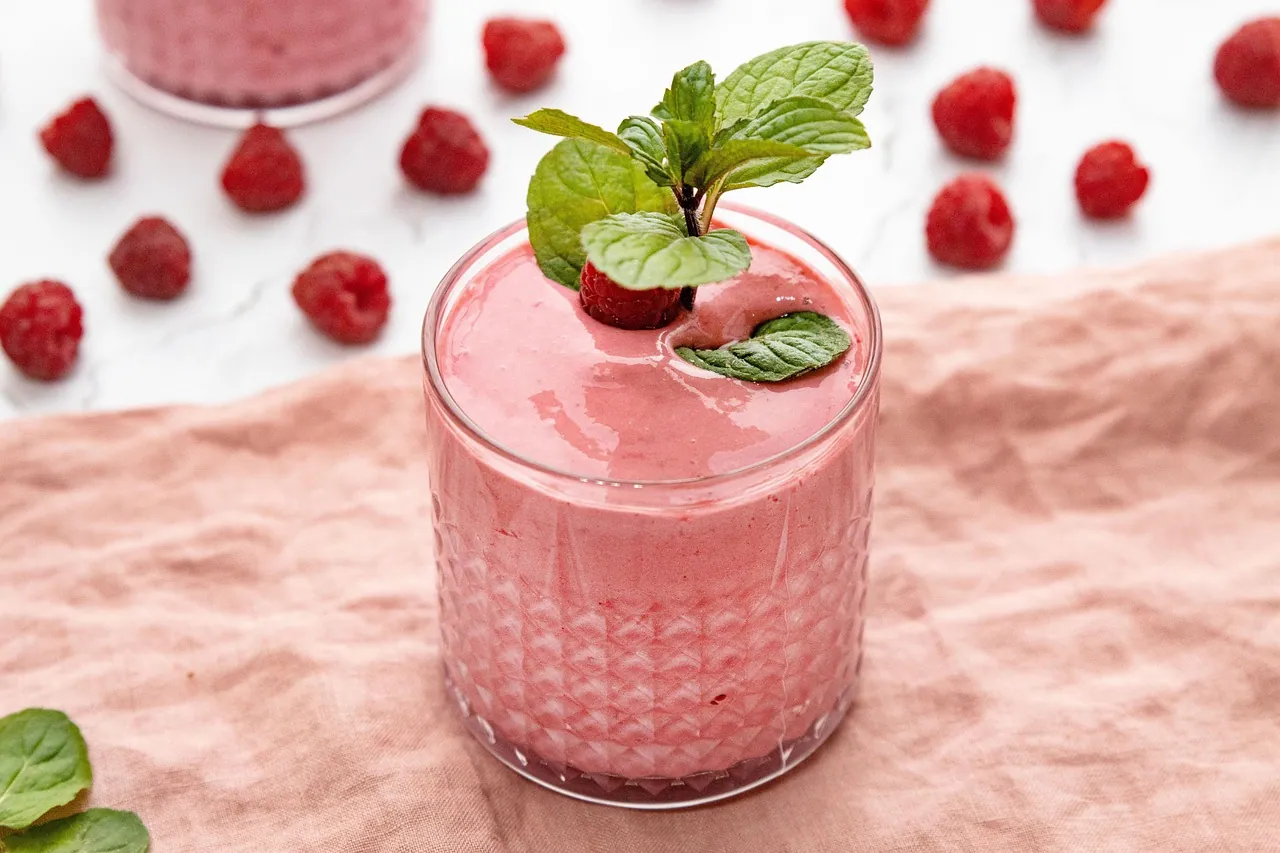
7 best homemade pre workout drink recipes from an Indian kitchen
The quantities are for one serving. The nutrient numbers are rounded estimates from standard food-composition values. Bananas, dates and home-brewed coffee vary a lot, so treat them as ballpark figures, not lab results.
1. Pre workout drink coffee shake (filter coffee + banana)
Blend 150 ml cooled brewed filter coffee, 1 medium banana (~120 g), 100 ml toned milk or water, a pinch of salt and ice. Roughly 30–35 g carbs and 80–120 mg caffeine. Drink it 45–60 minutes before strength training. Reach for it on heavy squat or deadlift days.
2. Nimbu–namak–gur pani (lemon, salt, jaggery)
Stir 15 g grated jaggery (1 level tablespoon), juice of 1 lemon and ¼ teaspoon salt into 400 ml water. About 14 g carbs, no caffeine and roughly ₹5–10 a glass. Drink it 20–30 minutes before cardio, dance fitness or outdoor sessions.
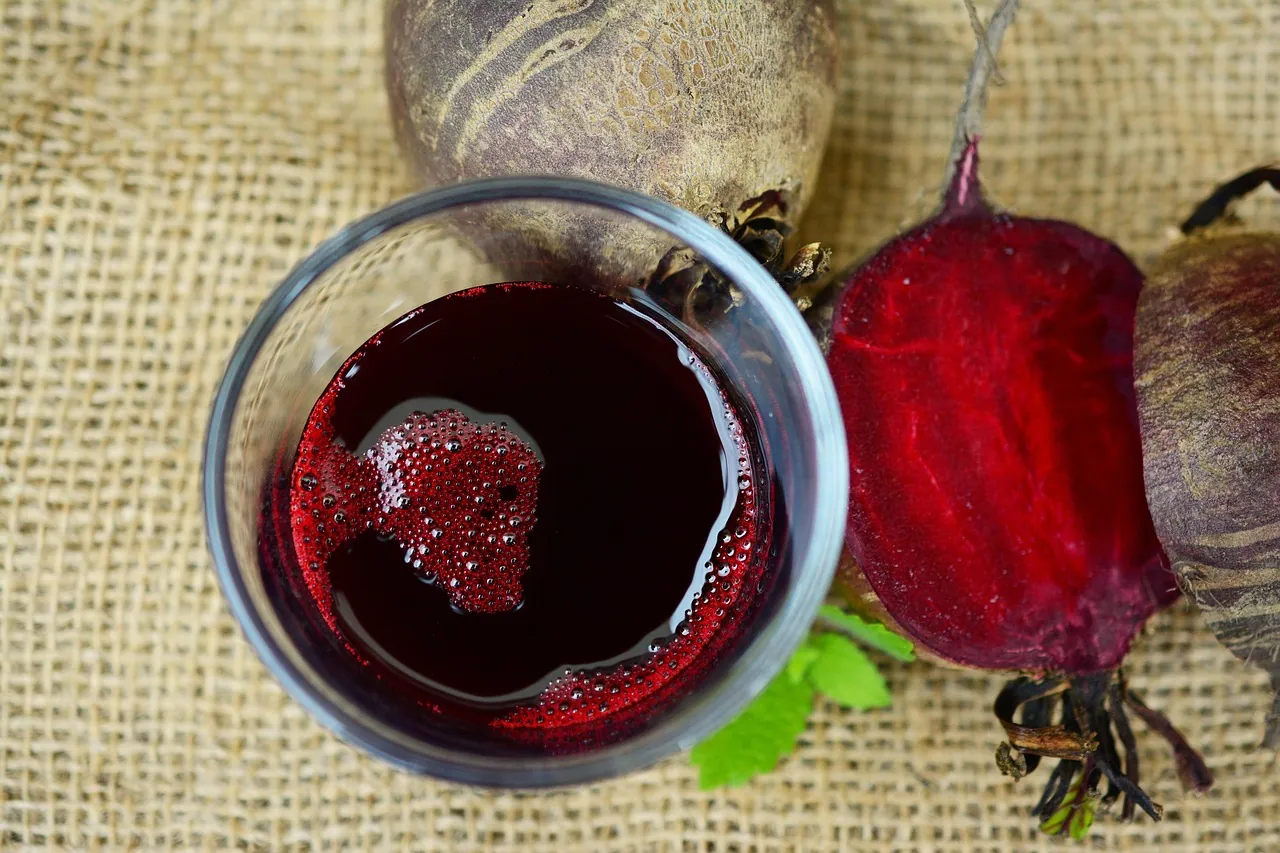
3. Beetroot–amla juice
Blend 1 medium beetroot (~150 g), 1 amla, a small piece of ginger and 150 ml water, then strain. You get roughly 200 ml of juice with 12–15 g carbs. Timing matters most with this one: drink it 2–3 hours before running, cycling or long cardio (details in the myth-check section below).
4. Namkeen sattu sharbat
Whisk 30 g roasted chana sattu into 300 ml cold water with lemon, roasted jeera powder and a pinch of black salt. About 17 g carbs and 6–7 g protein, with no caffeine. Sattu has fibre, so give it 45–60 minutes. It’s a strong choice for vegetarians training in the late afternoon who haven’t eaten since lunch.
5. Tender coconut water + 2 dates
Mash 2 soft dates (~20 g) into 250 ml tender coconut water, or just drink the coconut water and eat the dates. Around 24 g carbs, no caffeine. According to the ICMR-NIN Dietary Guidelines for Indians (2024), tender coconut water provides about 15 kcal per 100 ml and several minerals. It’s a light, cooling option 20–30 minutes before hot-weather training.
6. Green tea, honey and ginger
Brew 1 strong cup (200 ml) of green tea, add 2 teaspoons honey and a slice of ginger, and let it cool. About 11 g carbs and roughly 30–65 mg caffeine. This low-stimulant option suits 6–7 pm sessions when you want some alertness without ruining your sleep.
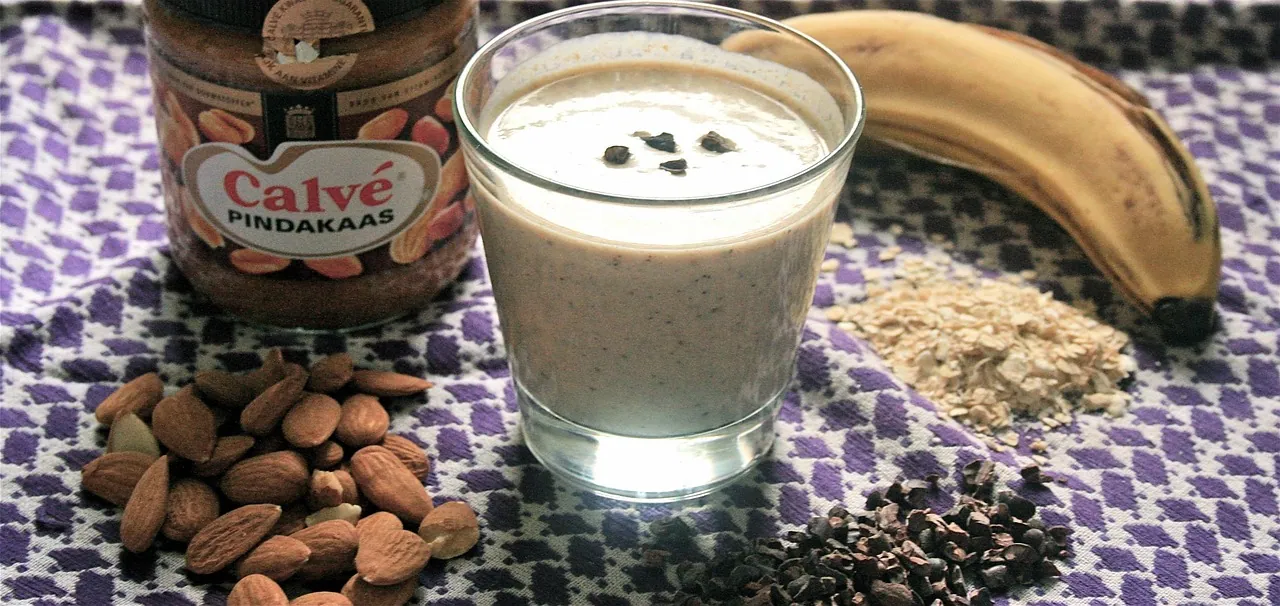
7. Kela–khajur doodh (banana–date milk)
Blend 200 ml toned milk, 1 small banana and 2 dates. About 40–45 g carbs and 6–7 g protein. This is the heaviest drink here, so drink it 60–90 minutes before a long or high-volume session. It also works well for lean lifters trying to eat more. For solid-food alternatives, see our guide to eggs before a workout.
| Drink | Carbs (g) | Caffeine (mg) | Approx. cost (₹) | Drink it | Best for |
|---|---|---|---|---|---|
| Filter coffee + banana shake | 30–35 | 80–120 | 20–30 | 45–60 min before | Strength, heavy lifting |
| Nimbu–namak–gur pani | ~14 | 0 | 5–10 | 20–30 min before | Cardio, Zumba, heat |
| Beetroot–amla juice | 12–15 | 0 | 15–25 | 2–3 h before | Running, cycling |
| Namkeen sattu sharbat | ~17 (+6–7 g protein) | 0 | 8–12 | 45–60 min before | Evening gym after long gap |
| Coconut water + 2 dates | ~24 | 0 | 40–60 | 20–30 min before | Hot weather, caffeine-sensitive |
| Green tea + honey + ginger | ~11 | 30–65 | 10–15 | 45–60 min before | Evening sessions, light stimulant |
| Kela–khajur doodh | 40–45 (+6–7 g protein) | 0 | 20–25 | 60–90 min before | Long sessions, weight gain |
Caffeine ranges for coffee and tea come from ICMR-NIN’s figures for a 150 ml cup (see next section). Costs are rough 2026 metro-city estimates.
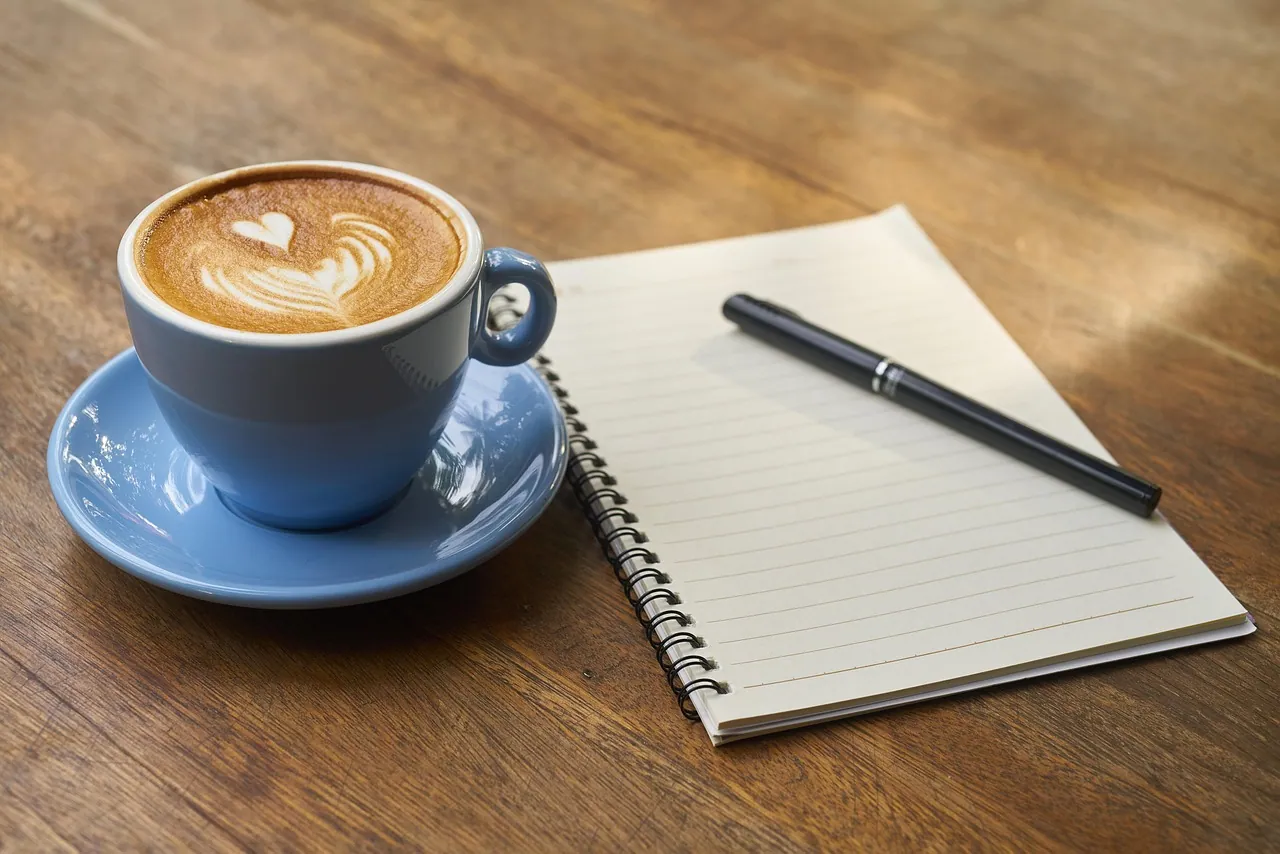
Is coffee a good pre workout drink?
Yes, for most healthy adults. The International Society of Sports Nutrition’s 2021 position stand finds that caffeine at 3–6 mg per kg of body weight consistently improves exercise performance. Doses may work from as low as 2 mg/kg, and it’s usually taken about 60 minutes before training. A 150 ml cup of brewed coffee has roughly 80–120 mg.
The ISSN caffeine position stand (Guest et al., 2021) reports benefits for muscular endurance, strength, sprinting and especially aerobic endurance, in both trained and untrained people. It also notes that very high doses of around 9 mg/kg cause frequent side effects without adding benefit. For the Indian cups you actually drink, the ICMR-NIN 2024 guidelines list 80–120 mg in a 150 ml cup of brewed coffee, 50–65 mg in instant coffee and 30–65 mg in tea. They also advise keeping total caffeine within 300 mg a day.
Note how quickly the 6 mg/kg end runs into the daily limit.
| Body weight | Low dose (3 mg/kg) | High dose (6 mg/kg) | Low dose ≈ cups of 150 ml filter coffee | Sensible pre-workout ceiling |
|---|---|---|---|---|
| 50 kg | 150 mg | 300 mg | 1¼–2 cups | ~150 mg |
| 60 kg | 180 mg | 360 mg | 1½–2¼ cups | ~180 mg |
| 70 kg | 210 mg | 420 mg | 1¾–2½ cups | ~200 mg |
| 80 kg | 240 mg | 480 mg | 2–3 cups | ~200 mg |
| 90 kg | 270 mg | 540 mg | 2¼–3¼ cups | ~200 mg |
The last column is our conservative suggestion, not a research threshold. It keeps one pre-workout dose within the 200 mg per serving that Cleveland Clinic suggests for commercial products, and it leaves room for your morning chai. Start at 2–3 mg/kg. More is not better. The high-dose end is mainly for competitive athletes working with a sports dietitian. If coffee is your main pre-workout, our deeper guide on coffee before a workout covers black vs milk coffee, espresso and empty-stomach questions.
One Indian-specific note: ICMR-NIN advises keeping tea and coffee at least one hour away from meals because tannins interfere with iron absorption. If you’re vegetarian and have low iron, don’t drink your pre-workout coffee with your poha.
Natural pre workout drink vs. store-bought powder
A natural pre workout drink covers the two ingredients with the strongest evidence, carbohydrate and caffeine, for a fraction of the cost. What it can’t easily replicate are precise doses of beta-alanine or citrulline. For most people who train 3–5 times a week for general fitness, those extras make little practical difference.
Powders win on exact dosing: home filter coffee varies with decoction strength (ICMR’s range is 80–120 mg a cup). Home drinks win on everything else: no artificial colours, no proprietary blends, ₹5–30 per serving, and the freedom to go caffeine-free in the evening.
Best natural pre workout: what the evidence actually supports
- Strong evidence: caffeine at 3–6 mg/kg (ISSN 2021) and carbohydrate before and during longer sessions (ISSN 2017).
- Moderate, context-specific evidence: dietary nitrate from beetroot, which gives a small benefit when dosed and timed correctly (see below).
- Useful but not an ergogenic aid: sodium and fluid. These won’t make you stronger, but starting dehydrated in 35 °C heat reliably makes you weaker.
- Weak or no evidence as a pre-workout: apple cider vinegar, “detox” jeera water and chia seeds for energy. They’re fine as food but don’t boost performance.
Myth check: “Beetroot juice works 20 minutes before your workout”
It doesn’t. Dietary nitrate must be converted by mouth bacteria and the body into nitric oxide, and that takes time. A 2020 meta-analysis found the ~3% performance benefit appeared with 5–25 mmol of nitrate per day taken 2–3.5 hours before exercise. It found no benefit when nitrate was taken within 90 minutes of training.
The systematic review and meta-analysis by Senefeld and colleagues (2020) adds two more caveats that most recipe blogs skip. First, the effect was small (about 3% on average), and roughly 68% of individual studies didn’t detect it. Second, it wasn’t seen in highly trained endurance athletes, only in recreationally active and moderately trained people. Low doses (5 mmol a day or less) didn’t work either.
What this means in your kitchen:
- Drink beetroot juice at 7 am for a 9:30 am run, not on the way to the gym.
- Home-made juice has unknown nitrate content, which depends on the beetroot, soil and storage. Research doses usually come from concentrated shots, so your glass may be below the effective range.
- Avoid antibacterial mouthwash around the drink. The research on nitrate conversion depends on oral bacteria, and antiseptic mouthwash reduces them.
- Beetroot can turn urine and stools pink or red. It’s harmless, but it alarms a lot of people the first time.
Timing chart: when to drink what
Timing matters as much as the recipe. Use this table to work backwards from when your session starts.
| Time before training | What to have | Why |
|---|---|---|
| 3–4 h | Full meal (dal-rice, roti-sabzi-curd) | Mayo Clinic: large meals need 3–4 h to settle |
| 2–3 h | Beetroot juice; 473–710 ml water spread out | Nitrate needs 2–3.5 h; Mayo’s pre-exercise fluid range |
| 60–90 min | Kela–khajur doodh or sattu sharbat | Fibre, protein and milk need time to clear the stomach |
| 45–60 min | Coffee shake or green tea | ISSN: caffeine most commonly taken ~60 min pre-exercise |
| 20–30 min | Nimbu–gur pani or coconut water + dates | Fast carbs and fluid; ISSN notes benefits from carbs ~30 min out |
| During (>60 min) | 118–237 ml fluid every 15–20 min; 30–60 g carbs/h | Mayo fluid guidance; ISSN 6–8% carb-electrolyte drink for long, hard sessions |
For sessions longer than an hour at high intensity, the ISSN nutrient-timing position stand recommends about 30–60 g of carbohydrate per hour as a 6–8% carbohydrate-electrolyte solution. At home, that’s roughly 30 g of jaggery in 500 ml of water with a pinch of salt. For a regular 45-minute session, water is enough during the workout.
Morning pre workout drink for 5–7 am sessions
If you train within an hour of waking, keep the drink small and liquid. A 250 ml nimbu–gur pani or coconut water with 2 dates gives about 15–25 g of carbs and settles quickly. Add coffee only if you can wait 45 minutes. A heavy milk smoothie right before an early workout is a common cause of nausea.
Early risers are often fasted and slightly dehydrated. A practical sequence:
- On waking: 250–300 ml water.
- Straight after: half a banana or 2 dates, plus coffee if you’re lifting.
- 10 minutes before: a few sips of nimbu–namak water if it’s humid.
If you’re still deciding whether mornings even suit you, read our sibling guide on the best time to work out.
Fasted cardio is fine if you feel good. If you feel light-headed or shaky by the second set, eat something. Don’t push through it.
Pre workout drink side effects and who should skip caffeine
Pre workout drink side effects mostly come from caffeine and too much food too close to training. Watch for jitters, a racing heart, nausea, loose stools and poor sleep. Mayo Clinic says up to 400 mg of caffeine a day seems safe for most adults. India’s ICMR-NIN sets a stricter 300 mg daily limit, and pregnancy calls for 200 mg or less.
Mayo Clinic’s caffeine guidance lists headache, insomnia, nervousness, frequent urination, fast heartbeat, muscle tremors and stomach upset as signs of too much. Cleveland Clinic adds that high-stimulant pre-workouts can cause palpitations, raised blood pressure and tingling. A strong coffee shake on top of three cups of chai can get you there.
Check with a doctor first if you:
- Have a heart rhythm problem, high blood pressure or heart disease. Stick to caffeine-free recipes until your doctor says otherwise.
- Are pregnant or trying to conceive. The NHS advises a maximum of 200 mg caffeine a day in pregnancy, and a single cup of filter coffee can use up half of that.
- Have kidney disease or are prone to high potassium. ICMR-NIN specifically says tender coconut water should be avoided by patients prone to hyperkalaemia in kidney and heart disease.
- Have diabetes. Gur, honey, dates and coconut water all raise blood glucose. Your carb budget and timing should be planned with your doctor or dietitian.
- Take medication for thyroid, anxiety, blood pressure or asthma. Caffeine can interact with some of these, so ask your doctor or pharmacist before adding a stimulant. Don’t change any medicine on your own.
- Are under 18. Teens should skip stimulant pre-workouts entirely. A banana and water work fine.
Troubleshooting: when your pre-workout backfires
- Nausea or cramps mid-session: you drank too much, too late, or too much fibre or milk. Move the drink 30 minutes earlier, halve it, or switch from sattu or milk to nimbu–gur pani.
- Jittery, anxious, heart pounding: cut caffeine to 2 mg/kg or switch to green tea. Count all your caffeine for the day, not just the pre-workout cup.
- Energy crash 20 minutes into training: sometimes caused by a big sugary drink taken 45–60 minutes out. The ISSN’s review discusses rebound low blood sugar in some people. Try a smaller carb dose closer to the start, or add a little protein.
- Can’t sleep after evening training: the ISSN notes caffeine can disturb sleep, and sensitivity varies with genetics and habit. Use the caffeine-free recipes for sessions after about 4 pm.
- Loose stools: reduce coffee, beetroot or dates, and test new drinks on easy days, never before a race.

Which drink fits your training?
- Strength: coffee–banana shake, 45–60 min before. With 1-on-1 personal training, your coach can match caffeine timing to your heaviest sessions.
- Zumba, dance or HIIT: nimbu–gur pani or coconut water. Both are light and won’t slosh around during jumps.
- Running and cycling (60+ min): beetroot juice 2–3 h before, plus a nimbu–gur drink during.
- Yoga: plain water. Twists and inversions on a full stomach are uncomfortable.
- Weight gain: kela–khajur doodh.
Frequently asked questions
What is the best homemade pre workout drink?
For most people, it’s black or milk coffee with a banana, taken 45–60 minutes before training. That gives 30–35 g of carbs and 80–120 mg of caffeine. If you avoid caffeine, nimbu–namak–gur pani or coconut water with 2 dates is the best caffeine-free option.
How long before a workout should I drink a pre workout drink?
It depends on the drink. Carb-and-electrolyte drinks work 20–30 minutes before, coffee about 60 minutes before, milk or sattu drinks 60–90 minutes before, and beetroot juice 2–3.5 hours before.
Is coffee a good pre workout drink?
Yes, for most healthy adults. The ISSN’s 2021 position stand finds 3–6 mg of caffeine per kg of body weight improves performance, and even 2 mg/kg may help. Keep your total intake under ICMR-NIN’s 300 mg daily limit.
Can I make a pre workout drink without caffeine?
Yes. Nimbu–namak–gur pani, coconut water with dates, sattu sharbat and beetroot juice are all caffeine-free. They supply carbohydrate and fluid, which matter most for sessions longer than an hour or in hot weather.
Is it okay to drink a pre workout drink on an empty stomach?
Usually yes, if it’s small. About 250 ml of a light carb drink is fine. Strong coffee on an empty stomach causes acidity or nausea in some people, so add a banana or dates.
What are the side effects of a homemade pre workout drink?
Most side effects come from too much caffeine: jitters, a fast heartbeat, stomach upset and poor sleep. A large drink taken too close to training can also cause bloating, and beetroot can harmlessly turn urine pink.
Does beetroot juice work as a pre workout drink?
Modestly, if it’s timed right. A 2020 meta-analysis found about a 3% improvement when 5–25 mmol of nitrate was taken 2–3.5 hours before exercise. It found no benefit within 90 minutes of training or in highly trained athletes.
Want a pre-workout and post-workout plan built around your schedule, your kitchen and your caffeine tolerance? Book a session with a Fitstrot online nutritionist and bring your weekly training timetable.


